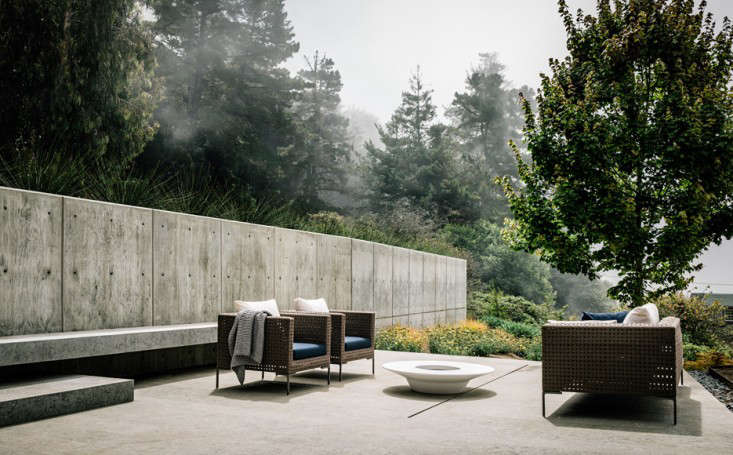
A painterly landscape does not imitate a painting by freezing nature in place. It borrows the artist’s toolscolor, rhythm, texture, contrast, negative space, and moodthen lets wind, weather, and time finish the composition. Inspired by Gardenista’s exploration of Piet Oudolf and naturalistic planting, this guide explains how to create a garden that feels loose and atmospheric without becoming a botanical free-for-all.
What Is a Painterly Landscape?
A painterly landscape is a garden composed as though plants were brushstrokes. Broad drifts of grasses create a soft background wash. Repeated perennials supply rhythm. Upright seed heads make dark marks against the sky, while paths, hedges, walls, and trees establish the underlying drawing. The result may look spontaneous, but the best examples are carefully edited.
Gardenista’s “Painterly Landscapes” issue centered on the idea that a garden can have good bones and remain expressive beyond peak bloom. Its coverage highlighted Piet Oudolf’s layered planting style, his use of grasses and late-season perennials, and his interest in landscapes that retain beauty through autumn and winter. In other words, the flowers do not get to take all the credit.
The word painterly is especially useful because it suggests softness rather than rigid outlines. In art, a painterly surface shows gesture, texture, and visible strokes. In a garden, those “strokes” may be airy seed heads, repeated vertical stems, a haze of blue flowers, or a ribbon of grass moving in the wind. The planting reads as one composition before the eye begins identifying individual species.
Why the Painterly Garden Still Feels Fresh
Naturalistic planting has moved from specialty gardens into front yards, public landscapes, courtyards, and small urban plots. Its appeal is easy to understand. A painterly garden can feel romantic without being sugary, contemporary without looking sterile, and ecologically useful without resembling an abandoned lot wearing a tiny “pollinator habitat” sign as legal counsel.
The style also reflects a broader shift in American gardening. Instead of judging a landscape only by tidiness and flower count, many designers now consider seasonal change, plant communities, wildlife value, water use, and the character of a region. Resources from the U.S. Botanic Garden, native-plant organizations, public gardens, and university extensions emphasize working with site conditions, choosing adapted plants, and building landscapes that function as living systems.
That ecological thinking does not cancel beauty. It gives beauty more material to work with: frost on seed heads, birds moving through grasses, leaves collecting beneath stems, shadows shifting across a path, and flowers appearing in timed waves rather than one brief fireworks display followed by eleven months of mulch.
The Design Principles Behind a Living Canvas
1. Start With Composition, Not a Shopping Cart
Before choosing plants, study the site as an artist studies a blank canvas. Where does morning light enter? Which view should be framed? Where does the eye need a resting place? Note soil moisture, drainage, sun exposure, wind, existing trees, and the architecture of the house. A painterly planting succeeds when its atmosphere belongs to the place.
Sketch large shapes first. Mark the path, seating area, hedge, specimen tree, or low wall. Then divide the planting into broad zones: a ground layer, a repeating matrix, seasonal highlights, and structural accents. This prevents the common beginner mistake of buying twelve beautiful plants that behave like twelve soloists warming up in different keys.
2. Let Form and Texture Lead Color
Color attracts attention, but form and texture carry a garden through the year. New York Botanical Garden design resources emphasize that form and texture create the foundation of a composition after flowers fade. Oudolf’s work follows the same logic: domes, spires, screens, buttons, plumes, and airy clouds remain legible even when the palette shifts from summer color to straw, bronze, charcoal, and silver.
Combine contrasting silhouettes. Pair the flat flower heads of yarrow with the vertical wands of blazing star. Set rounded coneflower disks against fine-textured grasses. Use broad foliage near delicate sedges. Contrast makes each plant easier to see, while repetition keeps the mixture from becoming visual confetti.
3. Repeat Plants to Create Rhythm
A single clump is an object; a repeated plant becomes a theme. Repetition can occur at regular intervals or reappear loosely across a bed. It guides the eye, connects distant areas, and makes a diverse planting feel intentional. Public-garden guidance frequently recommends repeating colors, shapes, textures, and plant choices to establish unity.
For a small garden, repeat three to five dependable species rather than collecting one of everything. A sequence of switchgrass, purple coneflower, aromatic aster, and mountain mint can look richer than a crowded border containing thirty unrelated personalities all demanding top billing.
4. Build Layers Like Transparent Glazes
Natural plant communities are layered. Low plants cover soil, medium-height species form the main field, and taller accents rise through it. Brooklyn Botanic Garden describes this layering in woodland and sunny plant communities, where early bulbs and small wildflowers are followed by taller flowers and grasses. The approach creates depth, seasonal succession, and a more seamless composition.
In contemporary planting design, a low, repeating “matrix” often acts as the canvas. Sedges, low grasses, or spreading perennials cover much of the ground. More distinctive plants emerge through that base in groups or scattered accents. The garden looks woven rather than assembled in separate blobs.
5. Use Color as Atmosphere
A painterly palette is usually limited enough to feel coherent but varied enough to remain alive. Begin with two or three dominant hues, then add smaller accents. Blue, violet, dusty pink, cream, and burgundy create a cool, hazy mood. Gold, rust, scarlet, and deep purple produce a late-summer composition with more heat.
Remember that green is not background noise. Blue-green grass, glossy dark leaves, gray foliage, and fresh chartreuse can create as much color structure as flowers. Repeating a foliage tone across the garden ties together plants that bloom at different times.
6. Include Movement and Transparency
Grasses are essential to many painterly landscapes because they respond to air and light. Their stems bend, seed heads glow when backlit, and fine leaves blur the edges of neighboring flowers. Native ornamental grasses can also provide structure, shelter, nesting material, and seasonal color. The goal is not merely to add “grass,” but to select a species whose height, habit, and moisture needs suit the composition.
Transparency matters too. Plants such as purpletop vervain, rattlesnake master, gaura, and tall asters allow the eye to look through their stems and flowers. They create depth without building a solid wall across the bed.
7. Give Wild Planting a Clear Frame
The looser the planting, the more useful a crisp edge becomes. A mown strip, gravel path, stone curb, clipped hedge, simple fence, or rectangular terrace signals intention. Lady Bird Johnson Wildflower Center guidance notes that strong hardscape can provide formal structure around native planting. Think of it as the frame around the painting: it does not compete with the art, but it tells the eye where the art begins.
A Plant Palette for American Painterly Gardens
There is no universal “Oudolf plant list” that works from Maine to Arizona. Choose plants adapted to local soil, rainfall, winter temperatures, summer heat, and regional ecology. The same design principles can be expressed through very different species.
For Sunny, Average-to-Dry Sites
Consider little bluestem, prairie dropseed, blue grama, butterfly weed, blazing star, aromatic aster, penstemon, coneflower, yarrow, coreopsis, rattlesnake master, and mountain mint. Use grasses as the recurring field, then place stronger flower forms in repeated groups. Blue grama and little bluestem contribute fine texture, warm fall color, and distinctive seed heads without requiring a garden the size of a national park.
For Moist or Rain-Garden Conditions
Try switchgrass, tufted hair grass, New York ironweed, swamp milkweed, blue flag iris, cardinal flower, Joe-Pye weed, turtlehead, and moisture-tolerant sedges. Rain gardens benefit from plants matched to different wetness zones, with the most flood-tolerant species in the lowest area and drier selections around the rim.
For Partial Shade and Woodland Edges
Look to Pennsylvania sedge, river oats, wild ginger, foamflower, Solomon’s seal, woodland phlox, asters, ferns, heuchera, and spring ephemerals. River oats offers dangling seed heads and movement, but it can spread freely in favorable conditions, so place it where its enthusiasm will be considered charming rather than evidence for the prosecution.
For Small Gardens
Reduce the number of species, not the strength of the idea. Choose one matrix plant, two or three repeating flowering perennials, one grass, and one structural accent. A compact scheme might combine a low sedge with coneflower, calamint, and upright switchgrass. Keep taller plants toward the back or use transparent species where they will not block important views.
Four-Season Beauty Is the Real Masterstroke
A painterly landscape should not disappear after the first frost. Select sturdy plants whose stems and seed heads remain upright, then delay cutting them back. Gardenista’s Oudolf coverage emphasizes the architectural value of dried stalks, pods, and grasses, while conservation organizations note that standing stems, seed heads, and leaf litter can offer food and overwintering habitat.
Winter exposes the quality of the composition. Repeated grasses become pale brushstrokes. Dark seed heads punctuate snow. Evergreens and hedges reveal the garden’s geometry. A bench, path, or weathered wall suddenly matters more. This is why structure should be planned before flower color: January is an honest critic.
Cut back in late winter or early spring, adjusting timing to local conditions and wildlife needs. Leave some hollow stems at varied heights where practical, and avoid treating every fallen leaf as a personal insult. The garden’s quiet season is not neglect; it is part of the design cycle.
Common Mistakes That Flatten the Effect
Too Many One-Off Plants
A painterly garden is not a plant catalog with roots. Too many isolated specimens create dots instead of drifts. Repeat fewer species and vary group sizes.
Choosing Only for Peak Bloom
A plant that looks spectacular for ten days and collapses afterward may still be useful, but it should not dominate the plan. Balance short-lived stars with long-season structure plants.
Ignoring Mature Size
Dense planting can suppress weeds and create a woven effect, but crowding plants beyond their natural spread invites flopping, disease, and constant correction. Check mature width, not just the innocent dimensions of a nursery pot.
Confusing Naturalistic With Unmanaged
These gardens require editing. Remove aggressive seedlings, divide crowded clumps, control invasive species, maintain paths, and replace weak performers. The look is relaxed; the thinking is not.
Using the Wrong Plant in the Wrong Place
No composition survives chronic mismatch. Sun lovers lean in shade, moisture lovers sulk in dry soil, and poorly adapted plants demand extra water and attention. Site-appropriate planting is both an ecological principle and a practical defense against weekend resentment.
How to Create the Look: A Practical Sequence
- Observe for a full day. Track sun, shade, wind, drainage, and important views.
- Define the frame. Establish paths, edges, seating, hedges, or other permanent structure.
- Choose a mood. Decide whether the garden should feel cool and misty, warm and prairie-like, restrained and modern, or lush and romantic.
- Select the matrix. Pick one or two dependable low plants to cover soil and connect the composition.
- Add structural performers. Use long-season perennials and grasses with durable forms.
- Layer seasonal accents. Add bulbs, early flowers, summer peaks, and late-season color.
- Repeat with variation. Echo key plants across the bed, changing group sizes to avoid stiffness.
- Plant closely but responsibly. Respect mature spread while minimizing bare soil.
- Watch for two seasons. Photograph the garden monthly and note gaps, congestion, weak combinations, and successful moments.
- Edit, do not restart. Move or divide plants, strengthen repeated themes, and remove anything that constantly breaks the composition.
Experiences From a Painterly Garden: What the Style Feels Like in Practice
The first experience is often surprise. On planting day, a painterly border rarely looks painterly. It looks like a suspiciously expensive collection of small green objects separated by mulch. The seductive haze arrives later, after roots settle, stems overlap, and the matrix begins knitting the ground together. This delay teaches patience. It also explains why photographs of mature gardens can be dangerous around a credit card.
During the first growing season, the most useful habit is observation rather than constant intervention. Morning light may reveal that a pale grass belongs farther back, where its seed heads can glow. A strong purple flower may need repeating across the bed to stop looking accidental. One perennial may flop after heavy rain, while another stands upright and quietly earns a larger role. These are not failures. They are field notes written in stems and shadows.
The daily experience changes too. A conventional flower border often asks to be inspected plant by plant: rose, salvia, daylily, weed, alarming beetle. A painterly garden is first absorbed as atmosphere. From the kitchen window, the eye catches movement. From the path, it notices layers. Up close, insects, seed heads, and leaf textures become visible. The garden can feel larger because transparent plants and repeated drifts pull attention beyond the nearest clump.
Maintenance becomes more selective. Instead of deadheading everything, the gardener learns which seed heads improve the winter silhouette and which plants simply collapse like damp laundry. Some self-seeding is welcomed because it softens boundaries; excessive seedlings are edited before they rewrite the entire composition. Paths remain crisp, invasive weeds are removed, and aggressive plants are thinned. The work feels less like polishing furniture and more like editing a very slow movie.
Weather becomes a collaborator. Wind animates grasses. Rain deepens foliage color and bends stems into temporary new arrangements. Low autumn sun turns tawny plants luminous. Frost outlines every edge. Snow simplifies the palette until only the strongest forms remain. The garden is never “finished,” which can be liberating once the urge for permanent perfection is politely escorted off the property.
After several seasons, the gardener also develops a sharper eye for restraint. Empty space no longer seems like a problem that must be filled before dinner. A quiet patch of sedge can make nearby flowers more expressive, while a simple path can provide relief from a richly textured border. Removing a distracting plant may improve the scene more than adding three new ones. The garden begins teaching its caretaker how to look, not merely how to plant.
The most satisfying moment may come late in the year. Summer flowers have faded, yet the border still holds together. Birds visit seed heads. Bronze grasses catch afternoon light. A few asters or goldenrods provide final color, but the composition no longer depends on bloom. At that point, the design has achieved what Gardenista’s painterly theme celebrates: the landscape has become more than a flower display. It has become a seasonal experience with structure, mood, and a life of its own.
Conclusion: The Final Brushstroke Is Time
Painterly landscapes succeed because they combine artistic composition with horticultural realism. They use repetition without monotony, diversity without chaos, and softness without losing structure. Most importantly, they allow plants to change. Bloom, seed, decay, frost, and renewal are not separate shows; they are scenes in one continuous work.
Start with the site, choose a limited palette, repeat strong forms, layer plants thoughtfully, and leave room for weather and time to contribute. Your garden may never look exactly like Hummelo or the High Lineand that is good. The strongest painterly landscape is not a copy of someone else’s masterpiece. It is a living canvas unmistakably rooted in its own place.
Note: Before planting, confirm local hardiness, water needs, mature size, and invasive-species status. Native status and performance vary by region, and even beautiful plants can become beautifully troublesome in the wrong setting.