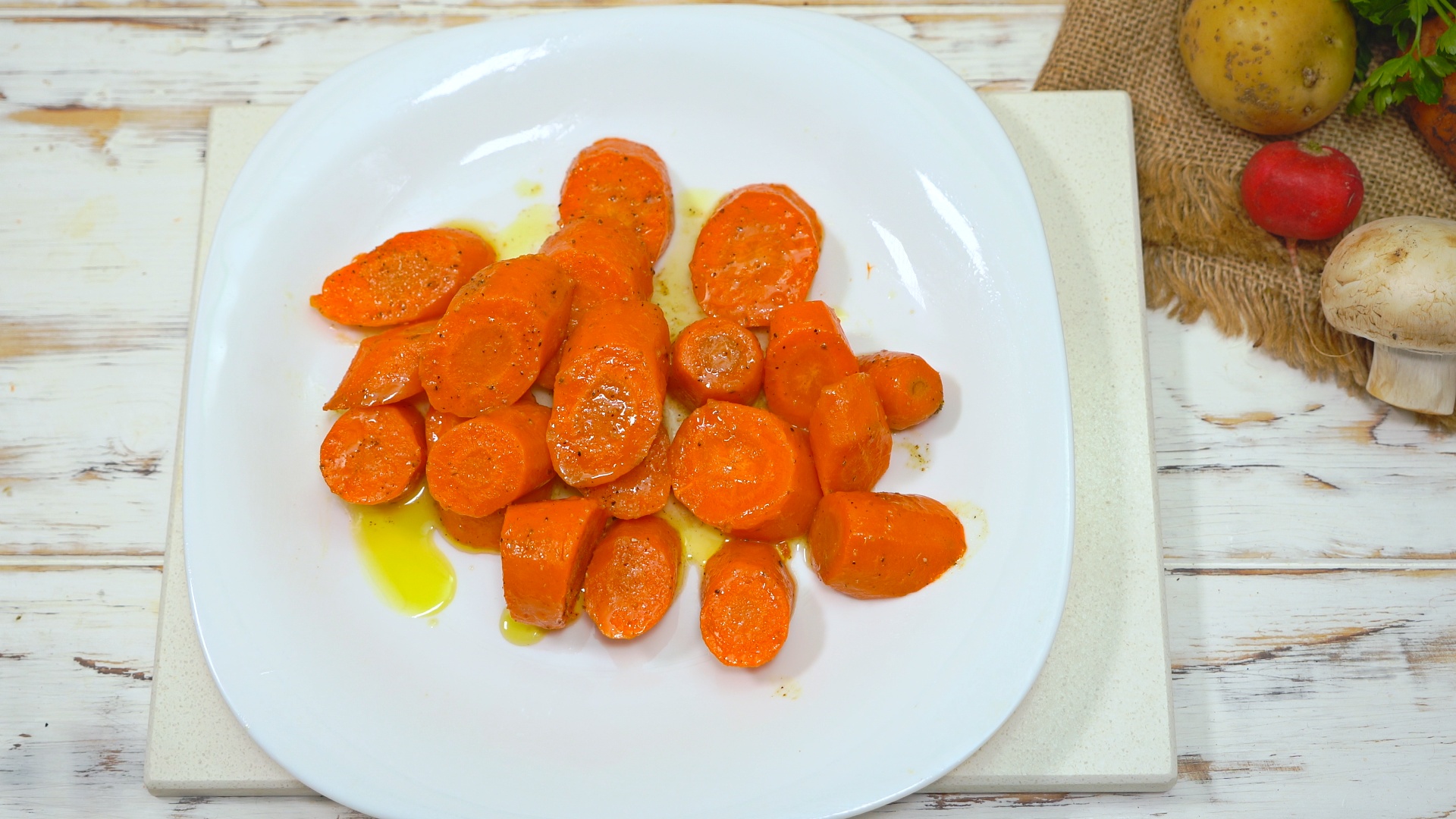
Boiling carrots sounds like one of those kitchen tasks that should require exactly zero instructions. Put carrots in water. Make water hot. Try not to wander off and accidentally create orange baby food. Done, right? Almost. The truth is that boiled carrots can be sweet, tender, bright, and genuinely deliciousor they can become watery orange coins that look like they have given up on their dreams.
This guide explains how to boil carrots properly in 13 simple steps, whether you are cooking whole carrots, sliced carrots, baby carrots, or diced carrots for soups, meal prep, salads, side dishes, or mashed vegetables. You will learn how long to boil carrots, how to season them, how to tell when carrots are done, and how to keep them from turning mushy.
The main keyword here is simple: how to boil carrots. But along the way, we will also cover related kitchen questions like how long to boil carrots, boiled carrots recipe, how to cook carrots on the stove, and best seasoning for boiled carrots. Grab a pot, a peeler, and your finest “I meant to eat more vegetables” attitude. Let’s make carrots worth cheering for.
Why Boiled Carrots Deserve More Respect
Boiled carrots often get treated like the quiet side dish nobody invited to the party. That is unfair. When cooked correctly, carrots become naturally sweet, soft enough to bite easily, and mild enough to match almost any main dish. They work beside roast chicken, grilled fish, pork chops, meatloaf, rice bowls, lentils, pasta, and holiday dinners where every square inch of the table is already occupied by something creamy.
Carrots are also affordable, easy to find, and forgiving. Unlike a soufflé, they will not collapse because you looked at them emotionally. They are rich in beta-carotene, the orange pigment your body can convert into vitamin A, and they contain fiber, potassium, and other nutrients. Cooking carrots can make some carotenoids easier for the body to access, especially when the finished dish includes a little healthy fat such as olive oil or butter.
Boiling is not always the most glamorous cooking method, but it is fast, practical, and reliable. It is especially useful when you want tender carrots for kids, quick weeknight dinners, mashed carrots, glazed carrots, purees, or recipes where the carrot should be soft rather than roasted and caramelized.
Ingredients and Equipment You Need
Ingredients
- 1 pound fresh carrots, whole, sliced, diced, or baby carrots
- Water, enough to cover the carrots
- 1/2 to 1 teaspoon salt, optional but recommended
- 1 tablespoon butter or olive oil, optional for serving
- Black pepper, fresh herbs, honey, lemon juice, garlic powder, or parsley, optional
Equipment
- Medium or large saucepan
- Vegetable peeler
- Cutting board
- Sharp knife
- Colander
- Fork or paring knife for testing tenderness
How Long to Boil Carrots
Cooking time depends on the size and shape of the carrots. Small pieces cook quickly, while whole carrots need more time. The goal is fork-tender, meaning a fork slides into the carrot with gentle pressure, but the carrot still holds its shape.
| Carrot Type | Approximate Boiling Time | Best Use |
|---|---|---|
| Thin slices | 4 to 6 minutes | Fast side dishes, salads, meal prep |
| Diced carrots | 5 to 7 minutes | Soups, casseroles, mashed vegetables |
| Baby carrots | 7 to 12 minutes | Family dinners, glazed carrots |
| Large chunks | 8 to 12 minutes | Stews, rustic sides, pot roast plates |
| Whole carrots | 10 to 20 minutes | Purees, special presentations, soft sides |
These times are guidelines, not courtroom testimony. A thin carrot and a thick carrot are not living the same life. Always test for tenderness before draining.
How to Boil Carrots: 13 Steps
Step 1: Choose Fresh, Firm Carrots
Start with carrots that feel firm and look bright. Avoid carrots that are limp, slimy, cracked, or covered in dark soft spots. A slightly bent carrot can still be used, but a carrot that folds like a pool noodle is better suited for compost than dinner.
Step 2: Wash the Carrots Under Running Water
Rinse the carrots thoroughly under cool running water. Use your hands or a vegetable brush to remove dirt, especially if the carrots came from a farmers market or still have that “fresh from the earth” look. Do not wash carrots with soap or detergent. Carrots are food, not laundry.
Step 3: Trim the Ends
Cut off the stem end and the thin root tip. If your carrots came with green tops, remove them before cooking. Carrot greens can pull moisture from the root during storage, and nobody wants a dehydrated carrot before the pot even comes out.
Step 4: Peel or Scrub, Depending on Preference
Peeling is optional. Young, fresh carrots with thin skins can simply be scrubbed well. Older carrots often taste better peeled because the outer layer can become slightly bitter or tough. If you are making a polished holiday side dish, peeling gives a cleaner look. If it is Tuesday and everyone is hungry, scrubbing is perfectly respectable.
Step 5: Cut Carrots Evenly
For even cooking, cut carrots into similar sizes. Slice them into rounds, cut them on the diagonal, dice them, or chop them into sticks. Uniform pieces are the secret to avoiding the classic problem where one carrot piece is crunchy and another has transformed into soup confetti.
Step 6: Add Water to a Pot
Place the carrots in a saucepan and add enough water to cover them by about one inch. Some cooks prefer to bring water to a boil first and then add carrots; others start carrots in cold water for more gradual cooking. Both methods work. For sliced carrots, boiling water is faster. For large whole carrots, starting in cold water can help them cook more evenly.
Step 7: Salt the Water
Add about 1/2 to 1 teaspoon of salt to the water. Salt does not make carrots taste salty when used moderately. It simply helps season them from the inside out. If you are cooking for someone on a low-sodium diet, skip the salt and add flavor later with herbs, lemon, or a small amount of unsalted butter.
Step 8: Bring to a Boil
Set the pot over medium-high or high heat and bring the water to a boil. Once it reaches a lively boil, reduce the heat slightly to maintain a steady boil or strong simmer. You want energetic bubbles, not a vegetable hot tub and not a volcanic reenactment on your stovetop.
Step 9: Cook Until Fork-Tender
Boil the carrots according to their size. Thin slices may be done in 4 to 6 minutes. Baby carrots usually need 7 to 12 minutes. Whole carrots may take 10 to 20 minutes. Begin testing early. A fork or paring knife should slide in easily, but the carrot should not fall apart when you look at it with concern.
Step 10: Drain Immediately
When the carrots are tender, drain them in a colander right away. Leaving cooked carrots in hot water is the express lane to mushiness. If you need them extra dry for glazing, return them to the warm empty pot for 30 to 60 seconds so extra moisture evaporates.
Step 11: Season While Warm
Warm carrots absorb flavor beautifully. Toss them with butter, olive oil, black pepper, chopped parsley, dill, thyme, lemon zest, honey, maple syrup, garlic powder, or a pinch of cinnamon. The simplest versionbutter, salt, pepper, and parsleyis still a classic because it works.
Step 12: Serve or Use in Another Recipe
Serve boiled carrots as a side dish, mash them with a little butter, blend them into soup, fold them into grain bowls, or glaze them with honey and herbs. Boiled carrots are also excellent for baby food, soft diets, and recipes where roasted flavor would be too strong.
Step 13: Store Leftovers Properly
Let leftover boiled carrots cool, then store them in an airtight container in the refrigerator. Use them within 3 to 4 days for best quality. Reheat gently in a skillet, microwave, or small saucepan. Add a splash of water if they look dry, or a little butter if you believe vegetables should wear a tiny tuxedo of flavor.
Best Seasonings for Boiled Carrots
Plain boiled carrots are fine, but seasoned boiled carrots are where the magic happens. Carrots are naturally sweet, so they pair well with salty, tangy, earthy, and buttery flavors.
Classic Buttered Carrots
Toss drained carrots with butter, salt, black pepper, and chopped parsley. This version is simple, quick, and friendly to almost every main course.
Honey Glazed Boiled Carrots
Add butter, honey, a pinch of salt, and a squeeze of lemon juice to warm carrots. Stir until glossy. This is the version that convinces vegetable skeptics to stop making dramatic faces.
Garlic Herb Carrots
Toss carrots with olive oil, garlic powder, thyme, parsley, and black pepper. Add grated Parmesan if you want a savory finish.
Brown Sugar Carrots
Mix warm carrots with butter and a small spoonful of brown sugar. This is great for holiday meals, though it leans more “vegetable dessert” than “strict nutrition lecture.”
Lemon Dill Carrots
Add olive oil, lemon juice, lemon zest, fresh dill, and a pinch of salt. This bright version works especially well with fish, chicken, and spring dinners.
Common Mistakes When Boiling Carrots
Boiling Carrots Too Long
The biggest mistake is overcooking. Carrots continue softening slightly after draining, so remove them when they are just tender. If they are already collapsing in the pot, they will not become firmer on the plate. That ship has sailed, and it was orange.
Cutting Uneven Pieces
If some pieces are thick and others are thin, they will cook at different speeds. Try to keep slices, chunks, or sticks roughly the same size.
Using Too Much Water for Flavorful Carrots
For basic boiling, covering carrots with water is fine. But if you want stronger flavor, use just enough water to cook them and season after draining. For glazed carrots, many cooks use a shallow amount of water, butter, and sweetener so the liquid reduces into a sauce.
Forgetting to Season
Carrots are naturally sweet, but they still need balance. Salt, acid, fat, and herbs make them taste complete. A squeeze of lemon or a small pat of butter can turn boiled carrots from “school cafeteria flashback” into “surprisingly good side dish.”
Boiled Carrots Nutrition and Kitchen Benefits
Carrots are low in calories and contain fiber, vitamin K, potassium, and carotenoids such as beta-carotene. Their orange color is not just decoration; it signals the presence of plant pigments connected to vitamin A activity in the body. Cooking carrots softens their cell walls, which can make some carotenoids more available during digestion.
That said, boiling can reduce some water-soluble nutrients because they may move into the cooking water. This does not mean boiled carrots are “bad.” It simply means you should avoid overcooking them and use practical cooking times. If you are making soup, the cooking liquid stays in the dish, which helps preserve flavor and nutrients that might otherwise be drained away.
Boiled carrots are also useful because they are easy to digest, gentle in texture, and adaptable. They can be served to kids, older adults, picky eaters, and people who prefer softer vegetables. They also make quick meal prep easier because cooked carrots can be reheated, mashed, blended, or added to lunches throughout the week.
Serving Ideas for Boiled Carrots
Boiled carrots are more versatile than they look. Serve them with roast chicken and mashed potatoes for a classic comfort meal. Add lemon and dill for a lighter plate with salmon. Toss them with olive oil and cumin for a warm grain bowl. Mash them with sweet potatoes for a colorful side. Blend them into carrot ginger soup. Chop leftovers and add them to fried rice, pasta, omelets, or shepherd’s pie.
For a dinner-party look, slice carrots diagonally and finish with butter, herbs, and flaky salt. For a kid-friendly version, use baby carrots and a touch of honey. For a healthier everyday side, season with olive oil, lemon, parsley, and black pepper. The carrot does not demand much. It just wants a little attention and maybe not to be boiled into oblivion.
Quick Boiled Carrots Recipe
Ingredients
- 1 pound carrots, peeled or scrubbed
- Water to cover
- 1/2 teaspoon salt
- 1 tablespoon butter or olive oil
- 1 tablespoon chopped parsley
- Black pepper to taste
- Optional: 1 teaspoon honey or lemon juice
Instructions
- Wash, trim, and peel the carrots if desired.
- Cut into even slices, sticks, or chunks.
- Place carrots in a saucepan and cover with water.
- Add salt and bring to a boil.
- Reduce heat slightly and cook until fork-tender.
- Drain immediately.
- Toss with butter or olive oil, parsley, and pepper.
- Add honey for sweetness or lemon juice for brightness.
- Serve warm.
Experience Notes: What I Learned from Boiling Carrots Again and Again
After boiling carrots many different ways, the biggest lesson is that size matters more than almost anything else. The pot does not care what the recipe title says; it only cares how thick the carrots are. Thin carrot coins can go from crisp-tender to mushy in a couple of distracted minutes. Baby carrots, on the other hand, often need more time than people expect because they are thicker and denser. Whole carrots are the slowest, especially if the top end is much wider than the tip.
One of the best habits is to test early. If a recipe says 10 minutes, I start checking at 7 or 8. A fork test gives better information than a timer because carrots are inconsistent. Some are young and tender. Others are large, woody, and apparently training for a career in furniture. When the fork slides in with gentle resistance, drain them. Do not wait until they are completely soft unless you are making puree.
Another useful experience is drying the carrots after draining. Wet carrots dilute butter, oil, honey, and herbs. If you return drained carrots to the warm pot for less than a minute, the extra steam disappears and the seasoning clings better. This tiny step makes boiled carrots taste more like a real side dish and less like something rescued from a cafeteria tray.
Seasoning while warm also makes a noticeable difference. Butter melts instantly, herbs release aroma, and salt distributes more evenly. If using honey or maple syrup, add only a small amount at first. Carrots are already sweet, so too much sugar can make them taste like they are auditioning for pie filling. A squeeze of lemon juice is the easiest way to balance sweetness. It wakes up the flavor without making the dish taste sour.
For weeknight cooking, sliced carrots are the most convenient. They cook quickly, fit easily into lunch containers, and reheat well. For holiday meals, diagonal slices or small whole carrots look better on a platter. For soups and stews, diced boiled carrots are practical, but they should be slightly undercooked if they will cook again in the final dish. Otherwise, they may break apart.
The final experience-based tip is simple: do not apologize for boiling vegetables. Roasted carrots are wonderful, but boiling is faster, cleaner, and easier when the oven is busy or dinner needs to happen before everyone starts eating crackers over the sink. Properly boiled carrots are tender, colorful, naturally sweet, and ready for almost any flavor you throw at them. Treat them well, and they will behave like the reliable side dish they have always been.
Conclusion
Learning how to boil carrots is less about mastering a complicated technique and more about respecting a few small details: choose fresh carrots, cut them evenly, salt the water, watch the cooking time, drain promptly, and season while warm. Follow those basics and your carrots will be tender, bright, sweet, and anything but boring.
Whether you want a simple vegetable side dish, a base for glazed carrots, soft carrots for kids, or cooked carrots for meal prep, boiling is one of the easiest methods to get reliable results. Just remember: the timer is helpful, but the fork is the boss.
SEO Tags
Note: This article is written for general home-cooking guidance. Cooking times may vary depending on carrot size, freshness, altitude, pot size, and preferred tenderness.