Some inventions arrive with a roar. Others arrive with a soft mechanical buzz, a peanut, and a bird looking suspiciously like it just completed a tiny business transaction. “This Vending Machine Is For The Birds” sounds like the title of a neighborhood comedy, but it points to a genuinely fascinating idea: what happens when humans build machines that birds can operate?
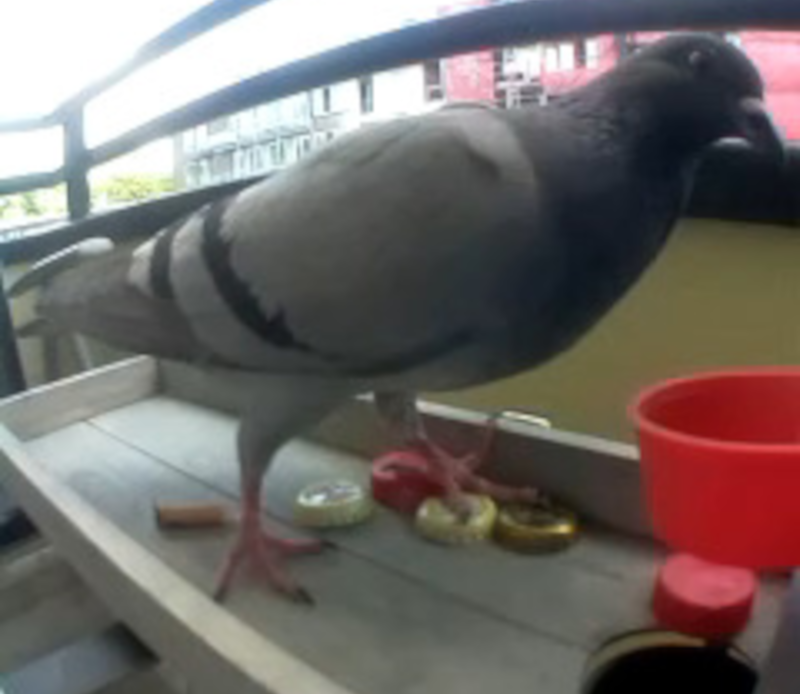
Not a decorative bird feeder. Not a squirrel buffet with a roof. A real vending-style device that waits for a bird to drop an object into a slot and then dispenses a reward. In one well-known DIY example, maker Stephen Chasey designed a simple bird vending machine that uses sensors, analog electronics, and a peanut dispenser to reward clever visitors. The birds do not carry quarters, because frankly that would make parking meters even more stressful. Instead, the system can respond when a bird drops a small object, such as a bottle cap, into a deposit hole.
Behind the humor is a deeper story about animal intelligence, backyard bird feeding, responsible design, and the growing popularity of smart bird technology. A vending machine for birds is not just a quirky gadget. It is a small stage where engineering, wildlife behavior, and human curiosity all flap into the same scene.
What Is a Bird Vending Machine?
A bird vending machine is a feeder that turns feeding into a simple exchange. The bird performs an action, such as dropping an object into a chute, and the machine releases a food reward. In Chasey’s analog design, the device detects a warm body, watches for something to pass through a deposit hole, and then activates a dispenser that releases peanuts.
The most delightful part is that the machine treats birds like tiny customers. A crow, jackdaw, magpie, or pigeon lands, investigates the setup, discovers that an object dropped in the correct place produces food, and eventually learns the routine. The vending machine becomes less like a feeder and more like a puzzle box with snacks.
This idea is especially interesting with corvids, the bird family that includes crows, ravens, jays, and magpies. Corvids are famous for problem-solving, memory, tool use, and social learning. They are the birds most likely to make you wonder whether they are watching you or auditing you.
The Real Project Behind the Viral Curiosity
The modern DIY bird vending machine that inspired the title is practical, clever, and charmingly old-school. Instead of relying entirely on modern microcontrollers, Chasey’s version uses analog components, including 555 timers and op amps. The machine is designed to be inexpensive, weather-resistant, portable, and pest-resistant. It can be powered by battery, solar, or mains power, and it uses sensors to reduce wasted energy when no bird is present.
In plain English, the machine works like this: a bird lands near the device, a sensor notices activity, and the electronics wake up. When a bird drops something through the deposit opening, infrared sensors detect the object. The mechanism then runs a small motor or vibration system that moves peanuts into the dispensing area. If all goes well, one or two nuts appear, and the bird learns that the mysterious human tube pays better than most internships.
One of the strengths of the design is that it limits access by rodents and squirrels. Traditional feeders often become all-you-can-eat squirrel casinos. A vending-style system can make the reward harder to steal because it requires a specific action rather than simple climbing, chewing, or launching from a fence like a furry cannonball.
Why Birds Can Learn the Trick
Birds are not feathered robots responding randomly to shiny objects. Many species, especially corvids, are capable of impressive learning. Crows and related birds have been studied for tool use, planning, memory, and flexible problem-solving. New Caledonian crows, for example, have demonstrated advanced tool behavior, including combining parts to reach food in experimental settings.
That matters because a bird vending machine depends on cause and effect. The bird must connect three events: object goes in, machine reacts, food appears. Some birds may stumble into the behavior accidentally at first. A bottle cap rolls. A beak pokes. A peanut drops. Then the bird tries again, because birds may be wild, but they are not above repeating a profitable mistake.
Training Happens in Small Steps
Projects like the CrowBox use staged learning. The machine may begin with free feeding so birds become comfortable with the device. Later, food is released when the bird lands. Then the bird is introduced to provided objects, and finally the reward depends on depositing an object. This gradual process is important. You do not simply place a mysterious plastic tower in the yard and expect a crow to understand the terms and conditions by Tuesday.
Successful training depends on patience, consistency, and observation. Birds must feel safe near the device. The reward must be desirable. The mechanism must be reliable. A jammed peanut can ruin the lesson. So can a loud motor, a slippery platform, or a neighborhood squirrel doing its best impression of a criminal mastermind.
Could Birds Clean Up Litter?
The idea almost begs the question: could we train birds to collect litter in exchange for food? It is a tempting thought. Imagine magpies removing bottle caps, crows collecting cigarette butts, and city parks becoming tidier because the local birds started a sanitation startup.
Some experimental and hobbyist projects have explored this concept, but it should be approached carefully. A bird vending machine can encourage object collection, yet it must not create new risks. Birds should never be encouraged to handle sharp, toxic, contaminated, or dangerous waste. Cigarette butts, chemical residues, metal fragments, and plastic pieces can all pose hazards. A safer version of the idea uses clean training tokens, such as bottle caps, wooden discs, or other controlled objects placed near the machine.
The best use of a bird vending machine may not be “outsourcing trash pickup to wildlife.” It may be education. These devices help people see birds as intelligent neighbors rather than background decorations with wings. When a child watches a bird solve a vending-machine puzzle, that child may never look at a crow, jay, or pigeon the same way again.
Smart Feeders Are Changing Backyard Birding
The bird vending machine also fits into a larger trend: smart bird feeding. Camera feeders, AI-powered bird identification apps, motion sensors, and connected bird baths are making backyard birdwatching more interactive. Modern smart feeders can capture photos and videos, send phone alerts, and help identify species. Suddenly, the backyard feeder is not just a seed tray. It is a tiny wildlife newsroom.
That technology can be wonderful when used responsibly. It helps beginners learn species, gives families a fun reason to notice local wildlife, and can create valuable observations. However, the smartest feeder is not necessarily the one with the most features. The smartest feeder is the one that keeps birds safe, food clean, and the surrounding habitat healthy.
Responsible Bird Feeding Still Matters
A vending machine for birds may be clever, but it still follows the basic rules of bird feeding. Food must be fresh. The device must be cleaned. The ground underneath should not become a moldy seed swamp. Feeders can spread disease when droppings, wet seed, and spoiled food accumulate.
For ordinary seed feeders, experts commonly recommend cleaning about every two weeks, and more often during heavy use, warm weather, or damp conditions. Hummingbird feeders require even more attention because sugar water can ferment and grow mold quickly. Any bird-feeding station should be treated like a tiny restaurant. If you would not eat there, do not invite the finches.
Choose Better Food
Food choice matters. Black oil sunflower seed attracts a wide variety of seed-eating birds because the shells are thin and the kernels are high in fat. Nyjer is popular with finches. White proso millet can work well for ground-feeding birds. Suet is valuable in cold weather, especially for woodpeckers and other high-energy visitors.
Cheap mixed seed often contains fillers that many birds simply toss aside. That creates waste, attracts rodents, and makes the area under the feeder unpleasant. A vending machine that dispenses peanuts or another targeted reward can reduce waste, but peanuts should be fresh, unsalted, and appropriate for the birds using the feeder.
Placement: Where the Machine Should Go
Location can make or break a bird vending machine. Birds need to feel secure before they will experiment. Place the device where birds have nearby cover, such as trees or shrubs, but not so close that cats or other predators can hide and ambush them. A good setup gives birds a clear view of danger and a quick escape route.
Windows are another serious consideration. Birds may collide with glass because they see reflected sky, trees, or habitat. Any feeder, smart feeder, or bird vending machine placed near windows should be paired with bird-safe window treatments. Patterns, screens, films, cords, or other visible exterior markings can help birds recognize glass as a barrier.
Water also helps. A shallow birdbath, kept clean and placed near cover, can make a yard more attractive. Birds need water for drinking and bathing, and moving water can be especially appealing. Just remember that a dirty birdbath is not a spa. It is a soup with feathers nearby.
What a Bird Vending Machine Teaches Us
The best thing about a vending machine for birds is not the machine. It is the shift in attention. Instead of asking, “How do I get birds to come here?” we begin asking, “What are birds capable of learning?” That is a more respectful question.
Birds notice patterns. They watch each other. They adapt to human environments with astonishing speed. In cities, crows learn traffic rhythms, pigeons navigate crowded sidewalks, and sparrows exploit crumbs like seasoned economists. A bird vending machine turns that intelligence into something visible and playful.
It also reminds us that feeding wildlife creates responsibility. When we invite birds closer, we inherit a duty to reduce disease risk, prevent window collisions, discourage predators, and avoid unhealthy foods. The goal is not to turn birds into circus performers. The goal is to build a better relationship with the wildlife already living around us.
How to Think About Building One
If you are tempted to build a bird vending machine, start with observation rather than hardware. Which birds already visit your area? Are they comfortable with feeders? Do you have corvids nearby, such as crows, jays, or magpies? Is there a safe place to mount the device? Can you clean it easily? Can you monitor it without disturbing the birds?
A beginner-friendly concept might include a sturdy weatherproof enclosure, a simple reward dispenser, a landing platform, a deposit chute, and a camera for observation. The device should be designed so birds cannot become trapped, injured, or forced into unnatural risk. Edges should be smooth. Food should not jam. The machine should fail safely. In other words, if something breaks, the bird should be mildly disappointed, not endangered.
Keep Expectations Realistic
Not every bird will learn. Some will ignore the device. Some will steal from the landing area but never deposit a thing. Some will treat the machine like a suspicious mailbox and complain loudly from a branch. That is normal. Wild birds are not obligated to participate in your backyard engineering thesis.
The reward is the process: watching, adjusting, learning, and noticing behavior you would otherwise miss. If a bird eventually drops a cap and earns a peanut, congratulations. You have built the world’s most wholesome vending machine, and your customer has wings.
Experiences Related to “This Vending Machine Is For The Birds”
The first time you imagine a vending machine for birds, it sounds like a punchline. The first time you watch one work, it feels more like a tiny negotiation between species. There is the human side, full of wires, sensors, weatherproofing, snack selection, and optimistic diagrams. Then there is the bird side, full of caution, curiosity, appetite, and an extremely serious attitude toward peanuts.
One of the most relatable experiences is the waiting. Anyone who has set up a bird feeder knows this feeling. You hang it, fill it, step back, and expect an instant Disney musical. Instead, nothing happens. A leaf moves. A squirrel appears, because squirrels apparently receive feeder installation alerts. Then, after hours or days, one brave bird lands. It tilts its head. It hops closer. It leaves. It returns with friends. The yard changes from empty stage to neighborhood diner.
A bird vending machine adds another layer of comedy. The bird has to trust the platform, inspect the hole, notice the reward, and connect the action with the result. Early attempts may look accidental. A cap rolls into the slot. The motor buzzes. A peanut appears. The bird freezes, as if the machine just whispered a secret. Then comes the moment every backyard inventor dreams about: the bird tries again on purpose.
That moment is powerful because it feels like communication. Not language, exactly, but shared understanding. The human built a rule into the environment. The bird discovered the rule. The machine becomes a meeting point where design and intelligence overlap.
There is also a humbling side. Birds quickly reveal flaws in human plans. A landing platform may be too slick. A deposit hole may be too far from the reward tray. A peanut may jam. A shadow may confuse the sensor. A bird may prefer standing on the rim instead of the carefully designed platform you spent two weekends perfecting. Nothing punctures engineering pride faster than a magpie refusing to step where the diagram clearly says “bird goes here.”
These experiences are why bird-centered design is so interesting. You cannot simply impose your idea. You must watch and adapt. The machine has to meet the animal halfway. Smaller changes, such as moving the deposit slot closer to the reward opening or making the platform more comfortable, can make a major difference. The best improvements come from observing what birds actually do, not what humans assume they should do.
For families, schools, makerspaces, and bird lovers, a bird vending machine can become a long-term learning project. It teaches electronics, animal behavior, patience, ecology, and ethical responsibility. It can also teach humility, because wild birds do not care how many hours you spent soldering. They care whether the machine is safe, predictable, and worth their time.
In the end, “This Vending Machine Is For The Birds” is more than a funny headline. It is a reminder that nature is not boring; we are often just not paying close enough attention. A backyard bird is not merely a flash of color at the feeder. It is a decision-maker, a learner, a survivor, and sometimes a customer with a bottle cap. Build the right machine, offer the right reward, and keep the setup safe, and you may discover that the birds have been clever all along. They were simply waiting for better service.
Conclusion
A bird vending machine turns a simple feeder into a conversation between human invention and avian intelligence. It shows how birds can learn cause and effect, how technology can deepen our appreciation of wildlife, and how responsible feeding practices matter even when the gadget is delightfully weird. Whether you are a maker, birder, teacher, parent, or backyard observer, the lesson is clear: birds are not just visitors. They are problem-solvers with feathers, opinions, and occasionally excellent snack strategy.
Build carefully, feed responsibly, clean regularly, protect birds from windows and predators, and treat every visit as a chance to learn. The machine may dispense peanuts, but the real reward is seeing the wild world think right in front of you.