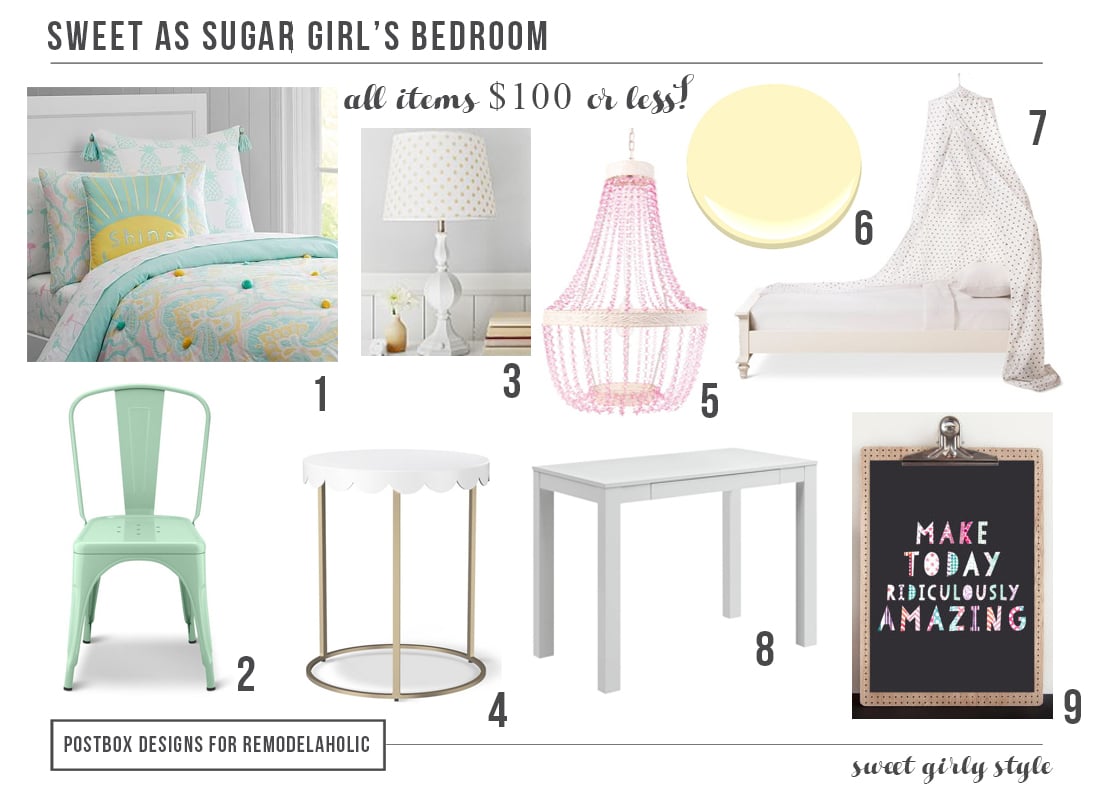
A sweet girl’s bedroom does not need a designer price tag, a custom-built castle bed, or enough pink paint to make the house visible from space. With a thoughtful color palette, a few inexpensive DIY projects, practical storage, and accessories that are easy to replace, an ordinary bedroom can become a cheerful retreat that feels personal, polished, and wonderfully playful.
The secret is to spend strategically. Instead of replacing every piece of furniture, keep the useful basics and create personality through paint, bedding, wall art, lighting, and small decorative details. These affordable girl’s room ideas work for toddlers, school-age children, tweens, and even young teens because the foundation can stay while the “sugar toppings” change.
What Is a “Sweet As Sugar” Girl’s Room?
A sweet-as-sugar room is lighthearted, cozy, and colorful without looking like a candy store exploded during a minor earthquake. Think strawberry-milk pink, vanilla cream, lavender frosting, soft peach, mint, pale aqua, and touches of cherry red or warm gold.
The theme can include hearts, flowers, bows, scalloped edges, cherries, rainbows, cupcakes, butterflies, or vintage-inspired prints. However, restraint is important. Using every sugary motif at once can make the room feel busy. Choose two or three recurring elements and let the rest of the space remain simple.
Design experts commonly recommend creating children’s rooms with flexible furniture and adaptable backgrounds so the space can evolve as a child’s tastes change. Storage, neutral foundational pieces, and removable decorative elements make future updates easier and less expensive.
Start With a Realistic Room-Makeover Budget
Before collecting pom-pom garlands like they are rare artifacts, decide how much you can comfortably spend. A written budget prevents small impulse purchases from quietly multiplying into a receipt long enough to use as wallpaper.
| Budget Level | Best Uses | Possible Projects |
|---|---|---|
| Under $100 | Decorative refresh | DIY art, paint accents, thrifted frames, pillow covers, baskets |
| $100–$250 | Moderate makeover | New bedding, accent wall, lamp, curtains, storage bins |
| $250–$500 | Full room update | Paint, bedding, rug, refinished furniture, lighting, storage |
Begin by shopping the house. A forgotten side table may become a nightstand. An old bookcase can be painted cream or blush. Picture frames from another room can become a coordinated gallery wall. Rearranging existing furniture costs nothing and may improve the room before you buy a single item.
Choose a Sugary Color Palette That Can Grow Up
Use a Soft Neutral as the Main Color
Covering every surface in bubblegum pink may delight a six-year-old and alarm the same child three years later. A more flexible strategy is to use warm white, cream, pale greige, or very light blush on most walls. Then add brighter colors through bedding, artwork, rugs, and accessories.
Neutral backgrounds are not boring. They act like the cake beneath the frosting, giving colorful decorations room to shine. Paint brands and children’s-room design guides frequently recommend versatile neutrals, soft grays, or greiges as adaptable foundations for changing color schemes.
Try a Simple 60-30-10 Formula
Use roughly 60% of one calm base color, 30% of a secondary pastel, and 10% of a stronger accent. For example:
- 60% vanilla cream walls and furniture
- 30% blush pink bedding and curtains
- 10% cherry-red bows, art, and small accessories
Other charming combinations include lavender with mint, peach with pale aqua, or dusty rose with warm beige. Limiting the palette makes inexpensive pieces look coordinated rather than randomly collected.
Create a Big Wall Moment Without a Big Bill
Paint a Faux Headboard
A painted headboard is one of the cheapest ways to create a focal point. Draw a large arch, scalloped shape, rainbow, heart, or simple rectangle behind the bed. A sample-size container of paint may be enough for a small design.
For clean edges, measure carefully, mark the outline with a pencil, and apply painter’s tape. A large blush arch behind a white bed instantly makes the room feel intentional, even when the “bed frame” is simply a basic metal platform wearing a very confident comforter.
Use Peel-and-Stick Wallpaper Strategically
Instead of wallpapering the entire room, apply removable wallpaper to one wall, the back of a bookcase, a closet interior, or a panel behind the bed. Small applications create impact while reducing material costs.
Floral vines, watercolor hearts, tiny cherries, pastel gingham, and delicate stars all suit a sweet girl’s bedroom. Peel-and-stick products are marketed as removable alternatives for accent walls and furniture updates, although application instructions and wall-surface requirements vary by product. Always test a small hidden area first.
Make Paper Decorations
Cardstock is remarkably ambitious for something sold near school supplies. Turn it into paper flowers, butterflies, hearts, fans, stars, or a colorful name banner. Arrange the shapes above the bed or around a mirror for a three-dimensional display.
Paper fans, fabric hoops, tassel garlands, painted thrift-store frames, and child-made artwork are widely used as low-cost alternatives to expensive wall décor. A unified color palette helps these handmade pieces look polished.
Refresh Existing Furniture Instead of Replacing It
Give an Old Dresser a Candy-Coated Makeover
A structurally sound dresser can be transformed with cleaning, light sanding, primer, paint, and new knobs. Try soft peach drawers with a cream frame, lavender with brass-colored hardware, or pale pink with ceramic flower knobs.
For an extra detail, paint the sides of the drawers in alternating pastel colors. The surprise appears whenever a drawer is opened, which is delightful until someone opens all six drawers while searching for one sock.
Use Matching Paint to Unite Mismatched Pieces
Secondhand furniture does not need to match in shape or age. Painting a nightstand, bookcase, and small desk in the same color creates visual consistency. Refinishing thrifted wood furniture is frequently recommended as an affordable way to achieve a custom bedroom look without purchasing a complete set.
Anchor Tall and Heavy Furniture
Budget decorating should never come at the expense of safety. Secure dressers, bookcases, and other unstable furniture to the wall using appropriate anchoring hardware. Do not place toys, remote controls, or tempting objects on top of furniture where a child may try to climb for them.
The U.S. Consumer Product Safety Commission warns that furniture tip-overs can happen rapidly, even while an adult is nearby. Families should follow the manufacturer’s anchoring instructions and check current safety notices for restraint hardware.
Turn the Bed Into the Main Attraction
Bedding covers a large visual area, so it delivers more decorative impact than a collection of tiny accessories. Choose one charming comforter, quilt, or duvet cover and build the room around its colors.
A simple white or cream quilt can be dressed up with two patterned pillowcases, one novelty cushion, and a pastel throw. Pillow covers are usually more affordable and easier to store than complete pillows. They can also be changed seasonally without requiring a second closet devoted entirely to decorative fluff.
Mixing patterns works best when the designs share colors. For example, combine pink gingham, a tiny floral, and one cherry-print accent. Vary the scale so the patterns do not compete.
Add a Dreamy Canopy or Fabric Feature
A lightweight canopy can make a basic bed or reading corner feel magical. Choose breathable fabric in white, blush, or lavender and install it securely according to the product instructions. Keep fabric away from lamps, heaters, fans, and loose electrical cords.
Another affordable option is to hang a fabric panel behind the bed as a soft visual headboard. Budget bedroom designers often use curtains or drapery as a high-impact substitute for an expensive upholstered headboard.
Layer Lighting for a Cozy Glow
One harsh ceiling light can make even the sweetest bedroom feel like a dental waiting room. Use several light sources for different activities:
- An overhead fixture for general illumination
- A desk or wall lamp for homework and crafts
- A bedside lamp for reading
- A dim night-light for bedtime comfort
Warm-toned bulbs create a softer atmosphere than very cool, blue-white light. Plug-in sconces can free up nightstand space, but cords should be routed securely and kept away from young children. Decorative string lights should be used only according to their safety instructions, not wrapped around bedding or placed where they may create an entanglement risk.
Bedroom and playroom guidance commonly recommends multiple light sources because a single overhead fixture may be too harsh or poorly positioned for reading, homework, and relaxing.
Make Storage Part of the Design
Keep Everyday Items Within Reach
Children are more likely to put things away when storage is visible, simple, and accessible. Use low baskets for stuffed animals, open bins for toys, and short hooks for jackets, bags, or dress-up clothes.
Labels can include both words and pictures. A star label might represent dress-up clothes, while a book illustration identifies reading materials. This makes cleanup easier for children who are still learning to read.
Use the Space Under the Bed
Shallow under-bed containers can hold seasonal clothing, spare blankets, puzzles, craft supplies, or treasured objects that are apparently too precious to discard but not precious enough to see daylight.
Think Vertically in a Small Room
Wall-mounted book ledges, corner shelves, pegboards, and over-the-door organizers can add storage without consuming valuable floor space. Keep frequently used items at child height and reserve higher shelves for lightweight items handled by adults.
Children’s-room organization guides emphasize uncomplicated storage, low shelves, labeled containers, under-bed drawers, and adjustable systems that can change as children grow.
Create Mini Zones for Sleeping, Reading, and Creating
Even a small girl’s bedroom can support several activities when the furniture is arranged in zones. The bed defines the sleep zone. A small rug, floor cushion, and front-facing book ledge create a reading nook. A compact desk or table becomes the homework and craft area.
Zones do not require room dividers. A change in wall color, a rug, a lamp, or a grouping of pictures can visually separate one function from another. Planning the room from the child’s perspective also helps ensure that books, supplies, and storage are easy to reach.
Budget-Friendly Decorative Ideas With Big Personality
Build an Artwork Display That Changes
Hang several thrifted frames painted the same color, but remove the glass. Stretch wire or ribbon across the openings and attach drawings with miniature clothespins. New masterpieces can be displayed without buying new frames.
Make a Name or Initial Feature
Paint unfinished wooden letters, cut letters from foam board, or create a large initial from cardboard wrapped in fabric. Decorate it with faux flowers, ribbon, or small paper bows.
Turn Favorite Objects Into Décor
Display colorful books face-forward, hang a dance costume on a decorative hook, frame a favorite concert ticket, or place a collection of small toys on one narrow shelf. Personal belongings make a bedroom feel more meaningful than generic signs announcing that someone should “Dream Big.”
Add One Playful Surprise
Every memorable room benefits from one unexpected feature: a cherry-shaped pillow, a disco ball, a scalloped shelf, a painted ceiling stripe, or a tiny mailbox for family notes. One unusual object creates more personality than twenty forgettable accessories.
Design the Room to Grow With Her
The best budget-friendly girl’s room does not need a complete makeover every two years. Use long-lasting pieces for the bed, dresser, shelves, and desk. Express the current theme through less expensive items such as pillow covers, prints, lampshades, baskets, and removable decals.
A young child’s cupcake theme can later become a pastel café-inspired room. Butterflies can evolve into botanical prints. A rainbow palette can mature into color-blocked artwork. The goal is not to predict every future interest. It is to avoid locking the room into a design that requires replacing everything when preferences change.
A Sample $200 Sweet Girl’s Room Makeover
- $45 for paint and supplies
- $50 for a new quilt or duvet cover
- $25 for two pillow covers and a throw
- $20 for storage bins or baskets
- $20 for a bedside or desk lamp
- $15 for thrifted frames
- $10 for cardstock, ribbon, and DIY art supplies
- $15 held in reserve for forgotten supplies
These are planning estimates rather than fixed retail prices. Costs vary by location, room size, materials, sales, and what you already own. The reserve category is important because almost every decorating project eventually requires one mysterious item nobody remembered until the store was about to close.
A Simple Weekend Makeover Schedule
Friday Evening: Edit and Plan
Remove clutter, donate unused items, measure the room, and finalize the color palette. Photograph the existing layout so you can compare the finished result.
Saturday Morning: Paint and Repair
Patch holes, clean surfaces, paint the walls or focal design, and refresh any furniture. Allow adequate drying time before reinstalling décor.
Saturday Afternoon: Organize
Sort clothing, books, toys, and art supplies. Add labels to storage containers and decide which items should remain visible.
Sunday: Style the Room
Make the bed, hang artwork, position lamps, add accessories, and complete a safety check. Stop before the room becomes overcrowded. Empty space is not unfinished space; sometimes it is simply a surface waiting for tomorrow’s socks.
Common Budget-Decorating Mistakes to Avoid
- Buying décor before choosing a palette: This often creates a collection of individually cute items that look unrelated together.
- Using too many themes: Select a few motifs rather than combining princesses, ballerinas, rainbows, unicorns, Paris, and outer space.
- Ignoring storage: A beautiful room will not stay beautiful when nothing has a designated home.
- Purchasing a complete furniture set: Coordinated secondhand pieces can provide more character for less money.
- Designing only for photographs: Leave room for sleeping, playing, reading, dressing, and ordinary childhood mess.
- Forgetting safety: Secure furniture, manage cords, follow age recommendations, and keep hazardous items out of reach.
Real-World Lessons From Budget Girl’s Room Makeovers
Budget makeovers rarely unfold like a television reveal. In the polished version, someone paints a wall, fluffs a pillow, and the child enters at the exact moment the afternoon sunlight becomes cinematic. In real life, the paint takes longer to dry, the first furniture arrangement blocks a drawer, and someone steps on a tiny plastic accessory with astonishing emotional consequences.
One lesson appears repeatedly in successful room transformations: the editing stage matters more than the shopping stage. A bedroom can feel dramatically different after removing broken toys, outgrown clothes, dried-out markers, and decorative objects that no longer mean anything. Once the clutter is reduced, it becomes easier to see what the room genuinely needs. Sometimes the answer is not another storage unit. Sometimes the answer is simply fewer things requiring storage.
Another practical lesson is that children often care about different details than adults expect. A parent may spend hours selecting the perfect shade of blush, while the child’s favorite feature becomes a $5 bulletin board where she can pin drawings and notes. Involving her in several controlled decisions helps the room feel personal without allowing the project to become an unrestricted shopping expedition. Offering two or three parent-approved choices for paint, bedding, or artwork can keep the process manageable. Lowe’s similarly recommends narrowing major decisions to a small group of affordable options rather than presenting children with endless choices.
The most effective makeovers also prioritize function early. It is tempting to begin with throw pillows because throw pillows are cheerful and do not require measuring anything. However, a room works better when the bed placement, walking paths, storage, lighting, and study area are settled first. Decorative items should support that layout instead of forcing the family to navigate around a fashionable but inconvenient chair.
Paint consistently delivers the biggest visible change for the money, particularly when it is used creatively. A full room painted in one soft shade can feel fresh, but a smaller graphic feature may provide even more character. Painted arches, half walls, scalloped borders, stripes, or a contrasting ceiling can make inexpensive furniture look intentional. The main challenge is preparation. Uneven tape lines and skipped surface cleaning have a remarkable ability to become the only details anyone sees.
Storage systems succeed when they match the child’s actual habits. A complicated organizer with twelve tiny categories may look impressive on installation day and become completely irrelevant by Tuesday. Broad categories such as books, dolls, art supplies, blocks, and dress-up clothes are usually easier to maintain. Open bins are especially useful for frequently handled items because cleanup requires one simple motion rather than opening lids, stacking boxes, and passing a minor civil-service examination.
Finally, the rooms that age best are the ones that do not attempt to preserve one childhood phase forever. Interests change quickly. A flexible room accepts that reality. When the furniture is simple and the main wall color is adaptable, a new quilt, updated prints, and different pillow covers can create an entirely new look. The original investment continues working, while the personality of the room grows along with its owner.
Conclusion: A Sweet Room Is Made, Not Bought
Creating a sweet-as-sugar girl’s bedroom on a budget is less about buying a cart full of matching products and more about making smart, creative decisions. Start with a flexible palette, reuse sound furniture, concentrate color in removable accessories, and create storage a child can actually use.
A painted focal wall, comfortable bedding, warm lighting, handmade art, and a few personal treasures can make a modest room feel wonderfully special. Keep the foundation practical, add sweetness in controlled spoonfuls, and remember that the best children’s bedrooms are not showroom-perfect. They are comfortable places for reading, dreaming, creating, growing, and occasionally hiding a suspicious number of snack wrappers beneath the bed.
Editorial note: The ideas in this article synthesize established children’s-room guidance from U.S. home-design publications, national retailers, paint manufacturers, storage specialists, and the U.S. Consumer Product Safety Commission. Budget examples are estimates and should be adjusted for local prices, existing furniture, room dimensions, and product safety instructions.