Fall is basically nature’s version of “last call.” The nights get cooler, the days get shorter, and a whole cast of tiny freeloaders suddenly decides your home looks like a five-star winter resort. If you’ve ever spotted a stink bug doing laps on your ceiling fan or heard suspicious “snack noises” in the pantry at 2 a.m., you already know the vibe.
The good news: you don’t need to turn your house into a chemical war zone to win. Most fall pest problems come down to three things: easy entry, cozy hiding spots, and convenient snacks. Fix those, and you’ll dramatically cut the “uninvited roommate” population.
Why Fall Turns Your Home Into a Pest Magnet
When temperatures start dropping, pests do what any sensible creature does: they look for warmth, water, and shelter. Your house has all threeplus a pantry. Many “fall invaders” don’t actually want to live with you long-term; they’re trying to overwinter in a protected space. Others (like mice and cockroaches) would happily move in permanently, start a family, and leave crumbs everywhere like they pay rent.
Fall also brings predictable home conditions that pests love:
- More gaps and cracks show up as materials expand and contract with temperature swings.
- Outdoor food sources change (harvest time, decaying leaves, fewer insects), pushing pests to explore new options.
- You open doors more (yard work, kids, pets, bringing in boxes), and pests take that personally.
If you treat fall pest prevention like you treat holiday shoppingstart earlier than you want toyou’ll save yourself a lot of stress later.
The 6 Pests That Love Crashing Homes in Fall
1) House Mice (and Their Even Less Charming Cousins)
Why they show up in fall: Cooler weather pushes rodents to seek warm nesting spots and reliable food. Fall is prime time for mice to turn “exploring” into “moving in.”
What to look for:
- Droppings (often near food, along walls, or inside cabinets)
- Scratching sounds in walls or ceilings at night
- Shredded paper/insulation (DIY nesting décor)
- Grease smudges along baseboards (tiny commuters with oily backpacks)
How they get in: Mice can squeeze through shockingly small openings. Common entry points include gaps around pipes, utility lines, garage doors, foundation cracks, and poorly sealed vents.
Prevention that works:
- Seal holes and gaps around pipes and entry points; use durable materials where needed (think metal mesh/hardware cloth for larger openings).
- Install door sweeps and fix garage door sealsgarages are basically mouse airports.
- Make food boring: store pantry items in sturdy, airtight containers; don’t leave pet food out overnight.
- Trim the welcome mat: keep vegetation and clutter away from the foundation; store firewood away from the house.
Specific example: If your kitchen trash can is “temporarily” missing its lid (we’ve all been there), that’s basically a neon billboard that says: “Buffet open late.” Fix the lid, wipe crumbs, and suddenly your home isn’t the hottest restaurant on the block.
When to call a pro: If you see repeated droppings, hear ongoing noises, or spot signs in multiple rooms, you may have more than a “single adventurous mouse.” A pro can help with inspection, exclusion, and a safer, structured plan.
2) Brown Marmorated Stink Bugs
Why they show up in fall: Stink bugs are famous for becoming nuisance “fall invaders.” They’re attracted to warm, sunny exterior walls and look for protected cracks to overwinter.
What to look for:
- Stink bugs clustered near windows, light fixtures, and ceilings
- A sudden “coriander-meets-gym-sock” smell when they’re disturbed or squished
How they get in: They slip through gaps around windows, doors, siding, vents, chimneys, and utility penetrations.
Prevention that works:
- Exclusion is king: repair screens, add weatherstripping, and seal exterior cracks with appropriate caulk.
- Reduce “hangout lighting”: bugs often gather around bright exterior lights; consider reducing nighttime light spill near entry points.
- Don’t crush them: vacuum or gently trap/remove. Crushing = smell + potential staining.
Pro tip: If they’re inside, “fogger bombs” usually don’t solve the real issue and can create more hassle than help. Physical removal plus sealing entry points is the smarter combo.
3) Multicolored Asian Lady Beetles (Not Your Cute Garden Ladybugs)
Why they show up in fall: These beetles seek sheltered overwintering spots and can gather in large numbers, especially on sunny sides of buildings. They’re often mistaken for ladybugsuntil they bite or leave yellowish stains.
What to look for:
- Clusters near windows and attics
- Orange/red beetles with variable spots; many have a distinct marking behind the head
- Yellowish staining on walls/curtains if handled or crushed
How they get in: Tiny exterior gaps, attic vents, soffits, and around window/door frames.
Prevention that works:
- Seal and screen: snug screens, seal cracks, and add screens to vents where appropriate.
- Vacuum wins: for indoor beetles, a vacuum is usually the cleanest tool. Use a disposable bag if you don’t want your vacuum to smell like beetle regret.
- Skip the indoor spraying spree: it’s rarely worth it for nuisance overwintering beetles and can stain surfaces.
4) Boxelder Bugs
Why they show up in fall: Boxelder bugs feed outdoors (often around boxelder and maple trees), then look for warm shelter as temperatures dip. They can mass on sunny exterior walls and sneak inside.
What to look for:
- Black insects with orange-red markings, gathering on sunny walls
- Indoor sightings near windows and warm spots
- Occasional staining if crushed (so… don’t do that)
How they get in: Cracks in siding, window frames, door frames, and gaps around vents and utility lines.
Prevention that works:
- Seal exterior entry points (especially on sunny exposures where they cluster).
- Maintain the perimeter: rake leaf litter, reduce debris, and keep the foundation zone tidy.
- Physical removal indoors: vacuuming is typically best. Avoid crushing for odor/staining reasons.
Specific example: If your living room windows get strong afternoon sun, that wall is basically a “warm bench” for boxelder bugs. Sealing window trim gaps and improving screens can prevent the annual reunion tour.
5) Spiders (Especially “House Guests” Hunting Your Other House Guests)
Why they show up in fall: Some spiders wander indoors as temperatures cool or as prey insects move closer to buildings. Also, fall often means more webs because you notice them morelike seasonal decor, but not the cute kind.
What to look for:
- Webs in corners, basements, garages, and around windows
- Increased sightings near exterior doors and lights
How they get in: Open doors, gaps, torn screens, cracks, and cluttered storage areas that offer shelter.
Prevention that works:
- Cut down the buffet: fewer insects around your home = fewer spiders setting up shop.
- Declutter and vacuum: especially basements, garages, and storage rooms.
- Seal and screen: repair screens, weatherstrip doors, and seal cracks.
- Outdoor lighting strategy: bright exterior lights attract insects, which attracts spiders. Consider positioning or managing lights to reduce insect swarms near doors.
Reality check: Most house spiders are more “helpful roommate who never does dishes” than “villain.” Still, fewer webs is a valid lifestyle choice.
6) Cockroaches (Because of Course They’re Here)
Why they show up in fall: Roaches are attracted to warmth, moisture, and food. As outdoor conditions shift, indoor environments can become more appealingespecially kitchens, bathrooms, basements, and anywhere there’s plumbing.
What to look for:
- Live roaches (often at night), especially in kitchens/bathrooms
- Dark specks (droppings) in cabinets or along baseboards
- A musty odor in heavier infestations
How they get in: Roaches can hitchhike in boxes, grocery bags, used appliances, or enter through gaps around doors and pipes. They also spread between attached units (apartments/condos) through shared walls and plumbing lines.
Prevention that works (IPM-style):
- Remove food and water access: wipe counters, sweep crumbs, store food sealed, fix drips, and dry sinks overnight.
- Declutter: cardboard and clutter offer hiding spots and make treatment harder.
- Seal harborage cracks: caulk gaps around baseboards/cabinets where they hide.
- Use baits strategically instead of “spray everything.” Baits can be more effective for many indoor roach issues because they target the colony behavior.
When to call a pro: If you’re seeing roaches in daylight, spotting them in multiple rooms, or finding recurring signs after cleaning and baiting, professional help can speed up control and reduce recurrence.
Fall Pest-Proofing Checklist (Fast, Practical, and Not Dramatic)
If you do nothing else, do these. They’re the pest-prevention equivalent of locking your car doors.
Seal the “Easy Doors”
- Add or replace door sweeps and weatherstripping.
- Seal gaps around utility lines, pipes, and cable entries.
- Check garage door seals and thresholds.
- Repair screens and ensure they fit snugly.
- Screen vents where appropriate (attic/exhaust) with suitable materials.
Make Your Home Less “Snackable”
- Store pantry foods in airtight containers (bonus: your cereal stays crunchy).
- Don’t leave pet food out overnight.
- Empty kitchen trash regularly and use a lid that actually closes.
- Vacuum edges and under appliancescrumbs migrate there like it’s a retirement community.
Dry It Out
- Fix leaks under sinks and around toilets.
- Run bathroom fans and address damp basements/crawl spaces.
- Consider a dehumidifier if you have persistent moisture issues.
Clean Up Outside (Your Perimeter Matters)
- Rake leaves and reduce ground clutter near the foundation.
- Trim shrubs and tree branches back from siding and rooflines.
- Store firewood away from the house and off the ground if possible.
- Keep gutters and drainage moving water away from the structure.
DIY Pest Control Tips That Won’t Backfire
When pests appear, it’s tempting to reach for the biggest spray can in the aisle. But a smarter approach is integrated pest management (IPM): prevent entry, remove food/water, reduce hiding spots, monitor, and use targeted products only when needed.
Do: Start with physical removal for “fall invaders”
- Vacuum stink bugs, lady beetles, and boxelder bugs (avoid crushing).
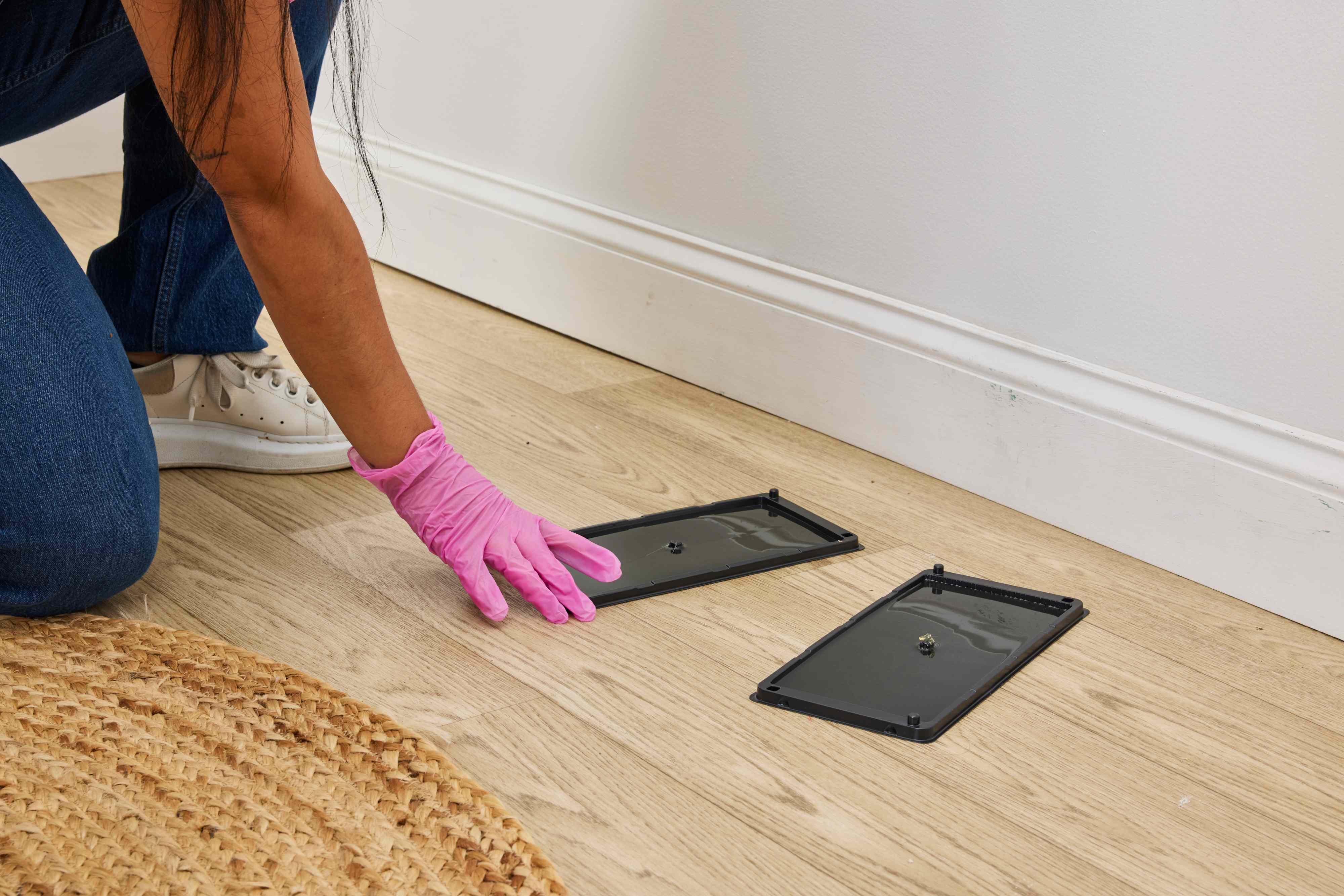
- Sticky traps can help monitor activity near windows/doors.
- Repair/Seal entry points so today’s pests don’t text their friends your address.
Do: Use baits thoughtfully for ants/roaches
- Place baits where pests travel (along edges, under sinks, behind appliances).
- Keep the area clean so baits are the most attractive “food.”
- Be patientbaits work through behavior, not instant drama.
Don’t: Overuse indoor sprays and “bombs”
Foggers and indiscriminate spraying can be ineffective for certain pests and may spread insects deeper into hiding spots. They can also create unnecessary exposure risks. If you use any pesticide product, follow the label exactlylabels aren’t suggestions; they’re the rules.
Do: Treat the cause, not just the cameo
Seeing one spider? Vacuum the web, reduce insects around lights, declutter storage, and seal gaps. Seeing one mouse? Don’t just set a trapfind the entry point and remove food access. The goal is fewer repeat performances.
Real-World Fall Pest Experiences (and What They Teach)
Below are common, true-to-life homeowner scenarios (composite examples) that show how fall pest problems usually startand how they’re typically solved.
Experience #1: “The Stink Bug Ceiling Parade”
A family notices stink bugs appear every afternoon near the living room windowthen migrate upward like they’re auditioning for a tiny marching band. The pattern is consistent: sunny days, warm exterior wall, bugs inside by evening. The fix isn’t a dramatic indoor spray session. It’s sealing window trim gaps, improving weatherstripping, checking screens, and vacuuming the few that get in. Result: fewer invaders, fewer “mystery smells,” and way less yelling at the ceiling.
Experience #2: “The Ladybug That Wasn’t Cute”
Someone spots “ladybugs” on curtainsuntil they realize these beetles are clustering in dozens, leaving faint yellow stains, and one actually nips a finger. Vacuuming becomes the MVP. Next, they screen attic vents and seal cracks around the window frames. The most satisfying moment? When the sunny side of the house stops acting like a beetle convention center.
Experience #3: “Why Is the Pantry Crunching?”
A homeowner hears faint rustling near the pantry at night. At first, they blame the house settling. Then they find droppings behind a cereal box and realize they’ve been sharing snacks with a mouse. The winning move is a two-part combo: remove food access (airtight containers, cleanup) and seal a gap where a pipe enters the wall. Traps help, but the real victory is cutting off the commute route.
Experience #4: “Boxelder Bugs: The Sunny Wall Takeover”
Every fall, boxelder bugs appear on the warm, sunlit side of the home. Indoors, a few show up near windows. The homeowner learns two key rules: don’t crush (odor/stains) and don’t ignore exterior gaps. Sealing cracks around window frames and siding plus reducing outdoor debris near the foundation cuts the problem down significantly. They still see a couple, but it’s no longer a full-scale invasion.
Experience #5: “The Spider Webs That Multiply Overnight”
In early fall, garage corners start collecting webs like someone’s decorating for a haunted house… against their will. The household vacuums webs weekly, declutters storage boxes, and changes how exterior lights are used near the garage door (fewer insects near the entry). Spiders drop off because their food supply drops off. It’s not magic. It’s logistics.
Experience #6: “Roaches After the Big Grocery Haul”
After bringing home multiple cardboard boxes (online orders + bulk groceries), a resident notices roaches in the kitchen at night. They deep-clean crumbs, reduce clutter, store food sealed, fix a slow under-sink leak, and use bait placements where roaches travel. The lesson: roach control is rarely about one single productit’s about removing what makes the kitchen “easy living.”
Bottom line from these experiences: Fall pest issues usually aren’t random. They’re predictableand preventablewhen you focus on exclusion, cleanliness, moisture control, and smart monitoring.
Conclusion: Don’t Host Fall InvadersRun a Very Strict Guest List
Summer might be over, but pests didn’t get the memoand they’re not exactly the “text before you stop by” type. The six big fall invaders to watch are mice, stink bugs, Asian lady beetles, boxelder bugs, spiders, and cockroaches. The most effective strategy isn’t panic-buying sprays; it’s preventing entry and removing what pests need to thrive.
If you remember one sentence, make it this: Seal the gaps, cut the snacks, dry the damp spots. Do that in early fall and you’ll spend the season enjoying sweaters and pumpkin-flavored everythingnot playing hide-and-seek with insects.