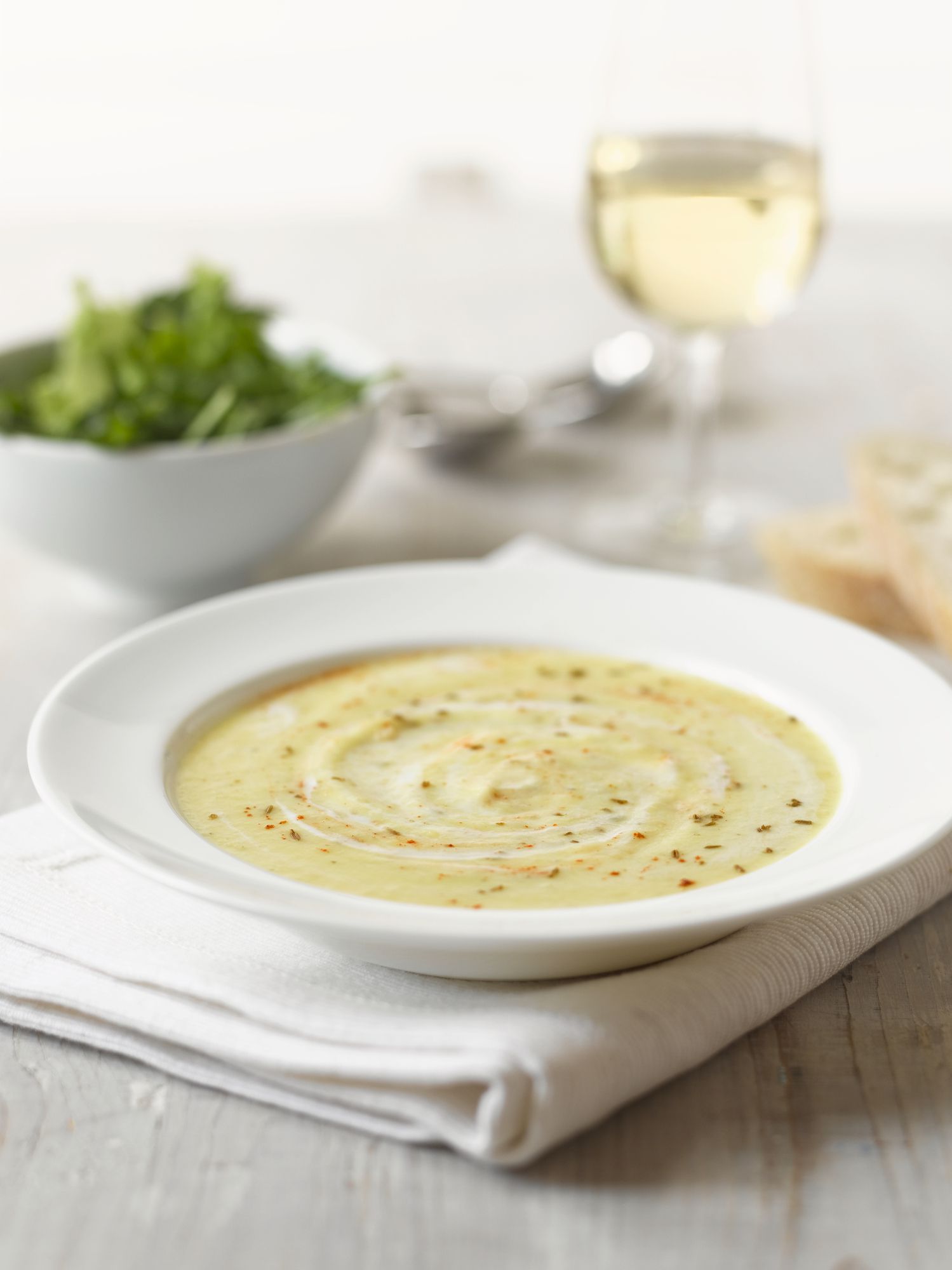
Roasted celeriac parsnip soup is the kind of recipe that looks humble on paper and then walks into your kitchen wearing a velvet cape. Celeriac, also called celery root, may not win a beauty contest at the produce aisleit looks like a potato that joined a rock band and forgot to moisturizebut once roasted, it becomes nutty, mellow, and deeply savory. Parsnips bring natural sweetness, garlic adds a warm backbone, and a quick blend turns everything into a silky bowl of comfort.
This recipe is designed for home cooks who want a cozy, restaurant-style soup without complicated steps, expensive ingredients, or the emotional drama of washing twelve pans. By roasting the vegetables first, you build flavor before the soup even reaches the pot. The result is creamy without needing much cream, rich without being heavy, and elegant enough for a holiday starter while still being easy enough for a Tuesday night when your fridge is mostly root vegetables and optimism.
Why This Roasted Celeriac Parsnip Soup Works
The magic of this roasted celeriac parsnip soup recipe comes from contrast. Celeriac has a mild celery-like flavor with earthy, slightly nutty notes. Parsnips are sweeter and more aromatic, especially after roasting. Together, they create a balanced soup that tastes layered, not flat. Think of it as a root vegetable duet: celeriac handles the low, savory notes while parsnip sings the sweet chorus.
Roasting is the step that changes everything. When the chopped roots meet a hot oven, their edges brown, their natural sugars concentrate, and the flavor becomes deeper. Boiled vegetables can be perfectly fine, but roasted vegetables have personality. They arrive with stories. They have opinions. They make soup taste like you planned ahead, even if you were just avoiding doing dishes.
Ingredients for Roasted Celeriac Parsnip Soup
Main Ingredients
- 1 large celeriac, about 1 1/2 pounds, peeled and cut into 1-inch cubes
- 4 medium parsnips, peeled and cut into 1-inch pieces
- 1 medium yellow onion, chopped
- 4 garlic cloves, peeled
- 2 tablespoons olive oil
- 4 cups low-sodium vegetable broth or chicken broth
- 1/2 cup milk, half-and-half, or unsweetened oat milk
- 1 teaspoon kosher salt, plus more to taste
- 1/2 teaspoon black pepper
- 1/2 teaspoon dried thyme or 3 fresh thyme sprigs
- 1/8 teaspoon ground nutmeg
- 1 tablespoon lemon juice or apple cider vinegar
Optional Garnishes
- Toasted pumpkin seeds
- Croutons
- Chopped parsley or chives
- A drizzle of olive oil
- Plain Greek yogurt or sour cream
- Roasted mushrooms
- Crispy sage leaves
How to Choose and Prepare Celeriac
Choose celeriac that feels firm and heavy for its size. Avoid roots with soft spots, major cracks, or signs of mold. The outside will look rough and knobby, which is normal. In fact, if celeriac looks like it was designed by a committee of trolls, you are probably holding the right vegetable.
To prepare it, slice off the top and bottom so it sits flat on your cutting board. Use a sharp knife to cut away the thick outer skin, following the curve of the root. A vegetable peeler may work on smoother areas, but a knife is usually more effective because celeriac’s surface has bumps, roots, and tiny caves where dirt likes to hide rent-free. Once peeled, cut the white flesh into even cubes so it roasts at the same speed as the parsnips.
Step-by-Step Instructions
Step 1: Preheat the Oven
Preheat your oven to 425°F. For better browning, place a large sheet pan in the oven while it preheats. A hot pan helps the vegetables sizzle as soon as they touch the surface, encouraging golden edges instead of sleepy steaming.
Step 2: Season the Root Vegetables
In a large bowl, toss the celeriac, parsnips, onion, and garlic with olive oil, salt, pepper, and thyme. Make sure every piece gets a light coating of oil. Do not drown the vegetables; they are going to the oven, not a spa retreat.
Step 3: Roast Until Golden
Carefully spread the vegetables on the hot sheet pan in a single layer. Roast for 30 to 35 minutes, flipping once halfway through, until the parsnips are tender and the celeriac has browned edges. If the pan looks crowded, use two pans. Crowding causes steam, and steam is the sworn enemy of roasted flavor.
Step 4: Simmer With Broth
Transfer the roasted vegetables to a large soup pot. Add the broth and bring to a gentle boil over medium-high heat. Reduce the heat and simmer for 10 to 12 minutes, just long enough for the vegetables to become very soft and for the broth to pick up all that roasted flavor.
Step 5: Blend Until Smooth
Use an immersion blender to puree the soup directly in the pot until smooth. If using a countertop blender, work in batches and vent the lid slightly so steam can escape. Hot soup expands when blended, and nobody needs a ceiling decorated in parsnip.
Step 6: Finish the Soup
Stir in the milk, half-and-half, or oat milk. Add nutmeg and lemon juice. Taste and adjust the salt and pepper. The lemon juice may seem small, but it wakes up the earthy flavors and keeps the soup from tasting too heavy. If the soup is thicker than you like, add more broth until it reaches your preferred texture.
Recipe Card: Roasted Celeriac Parsnip Soup
Prep time: 20 minutes
Cook time: 45 minutes
Total time: 1 hour 5 minutes
Servings: 4 to 6
Best for: Cozy dinners, holiday starters, meal prep, vegetarian comfort food
Flavor Variations
Make It Vegan
Use vegetable broth and unsweetened oat milk or cashew cream. The roasted celeriac and parsnips already create a creamy base, so dairy is optional rather than essential.
Make It Extra Savory
Add one chopped leek to the roasting pan or sauté a shallot in the soup pot before adding the roasted vegetables. A teaspoon of white miso can also deepen the flavor, but add it after simmering so it keeps its mellow character.
Make It Fancy
Top each bowl with crispy sage, toasted hazelnuts, and a swirl of crème fraîche. Suddenly your soup looks like it belongs in a tiny restaurant where the menu uses words like “foraged” and “whispered.”
Make It Spicy
Add a pinch of cayenne, smoked paprika, or chili flakes before roasting. A little heat balances the sweetness of the parsnips beautifully.
What to Serve With Celeriac Parsnip Soup
This soup loves crunch. Serve it with sourdough toast, garlic croutons, seeded crackers, or a grilled cheese sandwich. For a lighter meal, pair it with a crisp apple fennel salad, roasted Brussels sprouts, or a simple green salad with lemon vinaigrette.
If you are serving it as a holiday appetizer, keep the portion small and garnish neatly. A shallow bowl with a drizzle of olive oil, herbs, and toasted seeds looks polished without requiring tweezers, edible flowers, or a culinary degree from the School of Pretending This Took All Day.
Storage, Freezing, and Reheating
Store leftover roasted celeriac parsnip soup in shallow airtight containers in the refrigerator for up to 3 to 4 days. Let it cool slightly, but do not leave it sitting out for hours. For best food safety, refrigerate leftovers within 2 hours of cooking.
This soup also freezes well. Freeze it without the dairy if possible, then add milk or cream after reheating. Store in freezer-safe containers for up to 3 months. Thaw overnight in the refrigerator, then reheat gently on the stovetop. If the soup separates slightly, blend it again or whisk it firmly until smooth.
Common Mistakes to Avoid
Cutting the Vegetables Unevenly
Large chunks and tiny pieces will not cook at the same rate. Keep everything around 1 inch so the vegetables roast evenly and blend smoothly.
Skipping the Acid
Lemon juice or apple cider vinegar may sound optional, but it makes the finished soup brighter. Without acid, creamy root vegetable soups can taste a little too soft, like they need a polite nudge.
Using Too Much Liquid at First
Start with 4 cups of broth and add more only after blending. It is easier to thin a thick soup than to rescue a watery one. Soup should glide from the spoon, not run away like it has somewhere better to be.
Overcrowding the Sheet Pan
If the vegetables overlap, they steam instead of roast. Use two pans if needed. More space means better browning, and better browning means better soup.
Nutrition and Comfort in One Bowl
One of the best things about this roasted celeriac parsnip soup recipe is that it feels indulgent while still being vegetable-forward. Celeriac is naturally lower in starch than potatoes and brings fiber, minerals, and a subtle celery flavor. Parsnips contribute fiber, potassium, and natural sweetness. Together, they make a soup that is satisfying without needing a large amount of butter or cream.
For a lighter version, use low-sodium broth and finish with milk or unsweetened plant-based milk. For a richer version, add a splash of half-and-half or a small knob of butter before serving. The base recipe is flexible, which is exactly what a good homemade soup should be: reliable, forgiving, and not emotionally fragile.
Experience Notes: What Cooking This Soup Teaches You
Cooking roasted celeriac parsnip soup is a helpful reminder that great flavor often starts before anything reaches the pot. The first time many home cooks make a root vegetable soup, they simmer everything together and wonder why the result tastes pleasant but not memorable. Roasting teaches a better lesson. Give vegetables dry heat, space, and time, and they reward you with sweetness, depth, and those browned edges that make the blender’s job much more exciting.
Another practical experience is learning how much texture matters. Celeriac can look intimidating, especially with its rough skin and rooty bottom, but once peeled and roasted, it becomes tender and smooth. Parsnips soften faster and bring a gentle honey-like flavor. When blended together, they create a naturally creamy texture that surprises people who expect vegetable soup to be thin or watery. This is the soup that quietly says, “I do not need a pint of cream to feel luxurious,” and honestly, good for it.
Seasoning is another lesson hiding in the bowl. Root vegetables absorb flavor slowly, so seasoning in stages matters. Salt before roasting, taste after blending, and finish with a small amount of acid. That final splash of lemon juice or vinegar is not there to make the soup taste lemony. It is there to sharpen the edges, the same way turning on one lamp can make a whole room feel warmer. Without it, the soup may still be good, but with it, the flavors become clearer.
This recipe also teaches patience, but not the annoying kind. The oven does most of the work. While the celeriac and parsnips roast, you can clean the cutting board, toast pumpkin seeds, warm bread, or simply stand near the oven pretending you are supervising a very important root vegetable conference. By the time the vegetables are golden, the hardest part is over.
For meal prep, this soup is especially useful. It thickens slightly as it chills, so leftovers may need a splash of broth when reheated. The flavor often improves the next day because the thyme, garlic, and roasted sweetness settle into each other. It makes a dependable lunch, a simple dinner with toast, or a make-ahead starter for guests. If serving it to people who claim they do not like celery root, do not announce the celeriac too dramatically. Just serve the soup, let them compliment it, and then reveal the bumpy vegetable hero after they have already asked for seconds.
Finally, this soup builds confidence. Once you understand the method, you can adapt it endlessly. Add carrots for color, leeks for sweetness, apples for brightness, potatoes for extra body, or roasted cauliflower for a softer flavor. The recipe is less about memorizing exact rules and more about learning a rhythm: roast, simmer, blend, brighten, garnish. That rhythm can carry you through an entire winter of cozy soups without boredom.
Conclusion
Roasted celeriac parsnip soup is proof that the quietest vegetables sometimes make the most elegant meals. With roasted celery root, sweet parsnips, garlic, thyme, and a silky finish, this soup delivers comfort without heaviness and flavor without fuss. It is simple enough for beginners, flexible enough for creative cooks, and polished enough to serve at a holiday table.
If you want a creamy root vegetable soup that tastes cozy, earthy, slightly sweet, and deeply satisfying, this recipe deserves a spot in your cold-weather rotation. It turns a couple of humble roots into something smooth, golden, and memorable. Not bad for a vegetable that looks like it was dug up during a treasure hunt gone sideways.