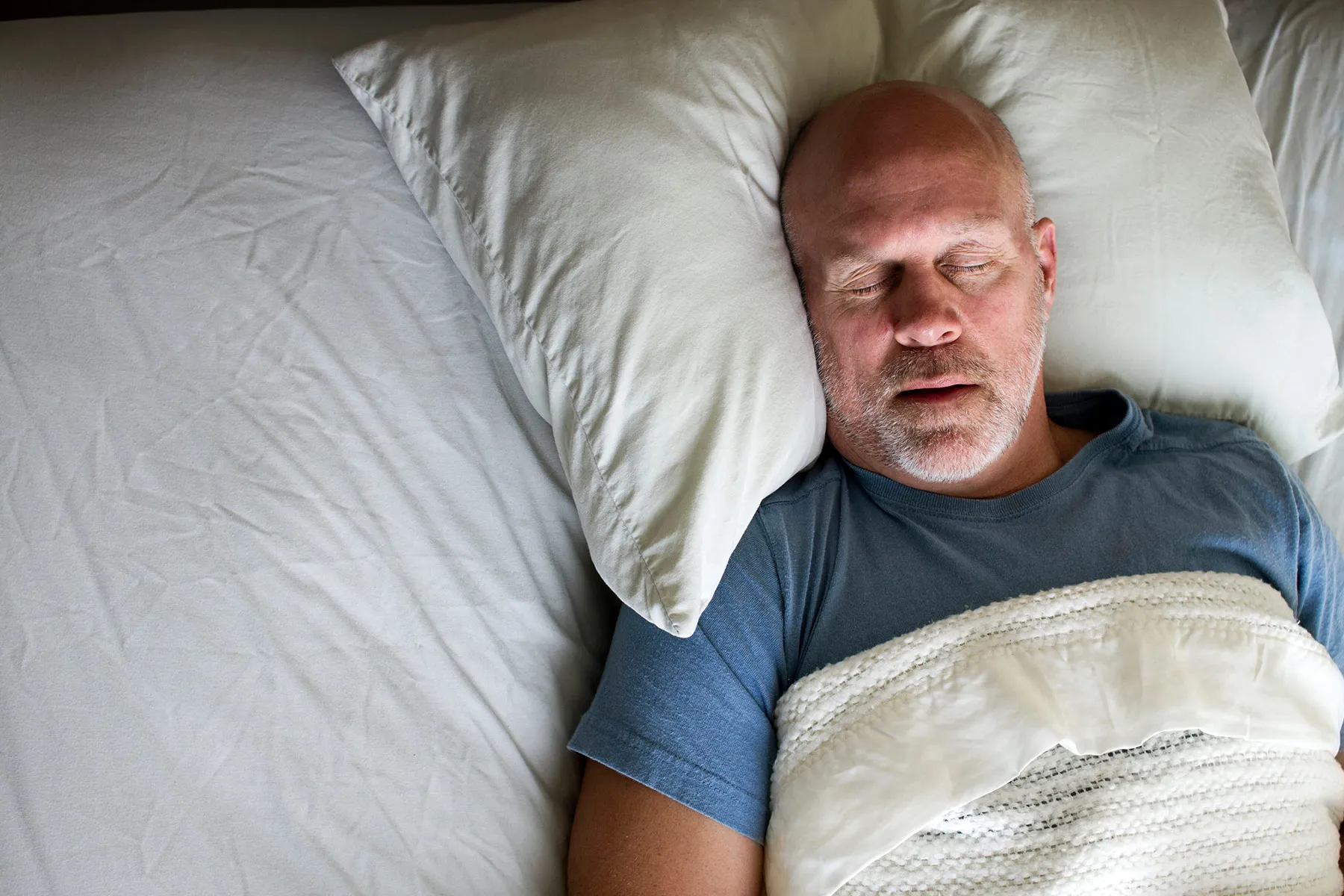
Sleep apnea is one of those health conditions that can hide in plain sightusually under a blanket, next to a very patient bed partner, making noises that sound like a lawn mower negotiating with a foghorn. But while snoring may be the symptom that gets the most attention, sleep apnea is much more than loud sleep. It is a breathing disorder in which airflow repeatedly slows, becomes shallow, or stops during sleep. These interruptions can lower oxygen levels, fragment deep sleep, and leave the brain and body running on a battery that never fully charged.
The tricky part? Many adults with sleep apnea do not remember waking up. They may sleep for seven or eight hours and still feel like they spent the night assembling furniture with missing instructions. That is why recognizing sleep apnea symptoms and warning signs in adults matters. The clues often show up as morning headaches, dry mouth, daytime sleepiness, brain fog, mood changes, high blood pressure, or a partner saying, “You stopped breathing last night,” which is not exactly romantic pillow talk.
This guide explains the most common symptoms of sleep apnea, the subtle warning signs people often overlook, when to talk with a doctor, and what real-life experiences with sleep apnea can look like.
What Is Sleep Apnea?
Sleep apnea is a sleep-related breathing disorder. During sleep, breathing repeatedly pauses or becomes very shallow. These pauses may last only seconds, but they can happen many times per hour. The result is poor-quality sleep, lower oxygen levels, and repeated stress signals to the body.
Obstructive Sleep Apnea
Obstructive sleep apnea, often called OSA, is the most common type. It happens when the muscles and soft tissues in the throat relax during sleep and partially or fully block the airway. The body then briefly wakes enough to reopen the airway, often with a gasp, snort, or choking sound. The person may not remember any of it in the morning.
Central Sleep Apnea
Central sleep apnea is less common. It occurs when the brain does not consistently send proper signals to the muscles that control breathing. It may be associated with conditions such as heart failure, stroke, neurological disease, or opioid medication use.
Complex Sleep Apnea
Complex sleep apnea, also called treatment-emergent central sleep apnea, includes features of both obstructive and central sleep apnea. A sleep specialist can help determine which type is present and which treatment is most appropriate.
Classic Nighttime Symptoms of Sleep Apnea
Sleep apnea is often first noticed by someone else. That is because many of the most obvious signs happen while the person is asleep. If your bed partner has become the unofficial night-shift breathing supervisor, pay attention.
Loud, Frequent Snoring
Loud snoring is one of the most recognizable warning signs of obstructive sleep apnea. Sleep apnea snoring is often heavy, disruptive, and frequent. It may be worse when sleeping on the back or after drinking alcohol. However, not everyone who snores has sleep apnea, and not everyone with sleep apnea snores. That little detail is annoying, medically speaking, but important.
Pauses in Breathing During Sleep
One of the strongest signs of sleep apnea is witnessed breathing pauses. A partner may notice that snoring suddenly stops, followed by silence, then a loud gasp or snort as breathing restarts. These pauses can be frightening to watch and are a strong reason to seek medical evaluation.
Gasping, Choking, or Snorting Awake
Adults with sleep apnea may wake suddenly feeling like they are choking, suffocating, or gasping for air. Some people describe it as jolting awake in a panic. Others remember only a dry throat, racing heart, or sense that “something happened” during the night.
Restless Sleep
Because breathing interruptions repeatedly disturb sleep, people with sleep apnea may toss, turn, kick off blankets, or wake often. The bed may look like a raccoon searched it for snacks by morning. Restless sleep can also include frequent position changes, sweating, and repeated awakenings.
Night Sweats
Night sweats can occur when the body is repeatedly stressed by drops in oxygen and brief awakenings. Sweating at night has many possible causes, but when it appears with snoring, gasping, morning headaches, or daytime sleepiness, sleep apnea deserves a place on the suspect list.
Frequent Nighttime Urination
Waking up multiple times to urinate, also called nocturia, can be a lesser-known sign of sleep apnea. Breathing disruptions can affect hormones and pressure changes in the body, leading some adults to make more nighttime trips to the bathroom. If the bladder has become your 3 a.m. social director, it may be worth discussing with a clinician.
Morning Warning Signs After a Night of Poor Breathing
Sleep apnea does not always announce itself during the night. Sometimes the biggest clues appear after waking.
Morning Headaches
Morning headaches are a common symptom of sleep apnea. They may be caused by poor oxygenation, disrupted sleep, changes in carbon dioxide levels, or sleep fragmentation. These headaches often improve as the day goes on but return after another poor night of sleep.
Dry Mouth or Sore Throat
Many adults with sleep apnea wake with dry mouth, bad breath, or a sore throat. Mouth breathing, snoring, and airway obstruction can all contribute. If you wake up feeling like you swallowed a desert, your nighttime breathing may need attention.
Waking Up Tired After Enough Sleep
One of the biggest red flags is waking up unrefreshed despite spending enough time in bed. Adults generally need consistent, good-quality sleep, but sleep apnea steals the restorative parts of sleep by repeatedly pulling the brain out of deeper stages. You may technically be “asleep,” but your body is doing overtime repairs on a shaky Wi-Fi connection.
Daytime Symptoms of Sleep Apnea in Adults
The daytime symptoms of sleep apnea can be mistaken for stress, aging, burnout, too much screen time, or needing “just one more coffee.” Coffee is wonderful, but it is not a medical degree in a mug.
Excessive Daytime Sleepiness
Feeling unusually sleepy during the day is one of the most important warning signs. This may include dozing off while reading, watching TV, sitting in meetings, riding as a passenger, ormost concerningdriving. Falling asleep at the wheel or feeling dangerously drowsy while driving should be treated as urgent.
Fatigue and Low Energy
Sleepiness and fatigue are not exactly the same. Sleepiness means you could fall asleep. Fatigue means you feel drained, heavy, unmotivated, or physically worn out. Many adults with sleep apnea experience both. They may describe themselves as “tired all the time,” even when they are not obviously sleepy.
Brain Fog and Trouble Concentrating
Repeated sleep disruption can affect attention, memory, decision-making, and reaction time. Adults with sleep apnea may lose track of conversations, forget appointments, reread the same paragraph three times, or walk into a room and immediately wonder whether they came in for keys, coffee, or existential clarity.
Irritability and Mood Changes
Poor sleep can make anyone cranky, but sleep apnea can create ongoing mood changes. Irritability, anxiety, depression-like symptoms, impatience, and emotional reactivity may appear or worsen. Some people do not realize how much sleep apnea has affected their personality until treatment improves their sleep.
Reduced Work Performance
Adults with untreated sleep apnea may struggle with productivity, focus, creativity, and motivation. They may make more mistakes, miss details, or feel overwhelmed by tasks that used to feel manageable. The problem is not laziness; it may be fragmented sleep quietly sabotaging the workday.
Warning Signs That Are Easy to Miss
Some sleep apnea symptoms do not look like a sleep problem at first. That is why the condition is often underrecognized.
High Blood Pressure
Sleep apnea can contribute to high blood pressure because repeated drops in oxygen and stress responses strain the cardiovascular system. Adults with difficult-to-control blood pressure, especially if they also snore or feel tired during the day, should ask whether sleep apnea screening makes sense.
Morning Chest Discomfort or Racing Heart
Some people wake with palpitations, a pounding heartbeat, or chest discomfort. These symptoms can have many causes and should be medically evaluated, especially if severe, new, or associated with shortness of breath, fainting, sweating, or pain spreading to the arm, jaw, back, or neck.
Acid Reflux at Night
Nighttime reflux and sleep apnea may overlap. Repeated pressure changes during obstructed breathing can aggravate reflux symptoms in some adults. If heartburn is worse at night and comes with snoring, choking, or unrefreshing sleep, the pattern is worth mentioning to a healthcare provider.
Decreased Libido or Erectile Dysfunction
Sleep apnea may affect sexual health through poor sleep, lower oxygen levels, fatigue, hormone changes, and cardiovascular strain. Adults may notice reduced libido, erectile dysfunction, or less interest in intimacy. It is not the most popular dinner conversation, but it is a valid health clue.
Worsening Diabetes Control
Sleep apnea is common in people with type 2 diabetes and obesity. Poor sleep and repeated oxygen dips can affect metabolism, insulin sensitivity, appetite, and energy levels. If blood sugar control is becoming harder and sleep is poor, sleep apnea may be part of the larger picture.
Sleep Apnea Symptoms in Women
Sleep apnea in women is often missed because symptoms may be less stereotypical. Women can snore and have witnessed apneas, but they may also report insomnia, morning headaches, fatigue, anxiety, depression, restless sleep, or frequent nighttime urination. Some women do not describe dramatic daytime sleepiness, which can lead clinicians and patients to look elsewhere first.
Risk may increase after menopause, and sleep apnea can occur in women of many body sizes. The old myth that sleep apnea is only a condition of older men who snore like malfunctioning chainsaws has caused many women to go undiagnosed. If the symptoms fit, testing is worth discussing.
Sleep Apnea Risk Factors in Adults
Symptoms matter most, but risk factors can raise suspicion. Common risk factors for obstructive sleep apnea include excess weight, a larger neck circumference, older age, male sex, menopause, family history, smoking, nasal congestion, alcohol use, sedatives, opioids, and sleeping on the back. Medical conditions such as high blood pressure, heart disease, stroke, type 2 diabetes, and certain endocrine or neurological disorders can also be associated with sleep apnea.
Still, sleep apnea can affect people who are not overweight, young adults, athletes, and people who look “healthy” on paper. Anatomy matters too: a smaller jaw, enlarged tonsils, narrow airway, or chronic nasal obstruction may increase risk.
When Sleep Apnea Symptoms Become Urgent
Most sleep apnea symptoms should be discussed with a healthcare provider, but some situations need prompt attention. Seek urgent medical help for chest pain, severe shortness of breath, fainting, blue lips, confusion, stroke-like symptoms, or extreme daytime sleepiness that makes driving unsafe.
Also take action quickly if someone observes repeated breathing pauses, gasping, or choking during sleep. A sleep study may be needed to confirm the diagnosis and measure severity.
How Doctors Check for Sleep Apnea
A clinician may ask about snoring, witnessed breathing pauses, daytime sleepiness, morning headaches, medical history, medications, alcohol use, weight changes, and sleep habits. A bed partner’s observations can be extremely helpful. Some people record their sleep sounds on a phone, which may provide clues, but recordings cannot diagnose sleep apnea.
Sleep Study Testing
Diagnosis usually requires a sleep study. This may be an in-lab polysomnogram or a home sleep apnea test, depending on symptoms, medical history, and the suspected type of sleep apnea. A sleep study tracks breathing patterns, oxygen levels, heart rate, airflow, and other sleep-related signals. The results help determine whether sleep apnea is present and how severe it is.
Why Ignoring Sleep Apnea Is a Bad Strategy
Untreated sleep apnea can affect more than sleep quality. It may increase the risk of high blood pressure, heart disease, stroke, irregular heart rhythms, diabetes complications, mood problems, memory issues, and accidents related to sleepiness. In other words, sleep apnea is not just “annoying snoring.” It is the body repeatedly tapping the emergency brake all night.
The good news is that treatment can help. Depending on the cause and severity, options may include CPAP or other positive airway pressure therapy, oral appliances, weight management when appropriate, positional therapy, reducing alcohol near bedtime, treating nasal congestion, surgery in selected cases, or addressing related medical conditions.
Practical Self-Check: Do Your Symptoms Fit?
Consider talking with a healthcare provider if you answer yes to several of these questions:
- Do you snore loudly or frequently?
- Has anyone said you stop breathing, gasp, choke, or snort during sleep?
- Do you wake up tired even after a full night in bed?
- Do you have morning headaches, dry mouth, or sore throat?
- Do you feel sleepy while working, reading, watching TV, or driving?
- Do you wake often at night or urinate multiple times?
- Do you have high blood pressure, heart disease, type 2 diabetes, or obesity?
- Have mood, memory, or concentration problems become more noticeable?
A “yes” does not prove sleep apnea, but it does mean your sleep deserves a closer look.
Real-Life Experiences: What Sleep Apnea Can Feel Like
Many adults do not recognize sleep apnea because it creeps in gradually. One person may start by blaming afternoon tiredness on a busy job. Another may assume morning headaches are from dehydration, allergies, or sleeping in a weird position. Someone else may joke about snoring for years until their partner finally says, “No, reallyyou stop breathing.” That sentence has a way of removing the comedy from the room.
A common experience is the “full night, empty battery” pattern. Imagine going to bed at 10:30 p.m., waking at 6:30 a.m., and still feeling as if the alarm clock personally insulted you. You may hit snooze several times, shuffle to the kitchen, and stare at the coffee maker like it holds ancient wisdom. By midmorning, concentration slips. Emails take longer. Names vanish. Simple decisions feel oddly heavy. You slept, technically, but the sleep was chopped into tiny pieces by breathing interruptions you never fully remembered.
Partners often describe the nighttime side of the story more clearly. They may hear loud snoring, then sudden silence. A few seconds later comes a gasp, choke, or explosive snort. The person with sleep apnea rolls over and continues sleeping, while the partner lies awake calculating whether this is normal, dangerous, or grounds for buying separate blankets. In many cases, the person making the noise has no memory of the event and may insist, with impressive confidence, that they slept “fine.”
Another common experience is emotional wear and tear. Untreated sleep apnea can make adults feel irritable, flat, anxious, or unusually impatient. A person may snap over small inconveniences, avoid social plans, or feel less resilient at work and home. Because fatigue affects mood, the problem may be mistaken for stress, depression, poor motivation, or personality change. Treatment does not magically solve every life problemsadly, CPAP does not answer emailsbut better sleep can make daily life feel less like pushing a shopping cart with one bad wheel.
Some adults notice physical clues first. They wake with dry mouth, headaches, heart pounding, night sweats, or a need to urinate several times. Others become concerned after nearly falling asleep while driving, during meetings, or while watching a movie they actually wanted to see. Daytime sleepiness can be embarrassing, but it is also a safety issue. If staying awake behind the wheel becomes difficult, that is not a “power through it” moment. It is a medical warning sign.
For many people, the turning point comes when they finally get tested. A sleep study can feel intimidating, but it often provides relief: there is a measurable reason for the exhaustion. Once treatment begins, improvement may be gradual or dramatic. Some people feel better within days; others need mask adjustments, follow-up visits, or a different treatment approach. The key experience many share is this: they did not realize how bad their sleep had become until they finally felt what restful sleep was supposed to be like.
Conclusion
Sleep apnea symptoms in adults can be loud, subtle, or strangely easy to excuse. Loud snoring, witnessed pauses in breathing, gasping, choking, restless sleep, morning headaches, dry mouth, daytime sleepiness, fatigue, brain fog, mood changes, and high blood pressure are all warning signs worth taking seriously. The condition is common, often underdiagnosed, and treatable.
If sleep feels long but not restorative, or if someone has noticed unusual breathing at night, do not dismiss it as “just snoring.” Your body may be asking for help in the least convenient way possible: while you are unconscious. A conversation with a healthcare provider and, when appropriate, a sleep study can turn those nighttime clues into answersand better sleep can change everything from your energy to your mood to your safety on the road.