Mill Valley is the kind of town where shopping can accidentally turn into a lifestyle audit. You walk in looking for a wooden spoon, and fifteen minutes later you are wondering whether your pantry deserves boutique olive oil, your cutting board has emotional depth, and your weeknight pasta has been underperforming since 2017. That, more or less, is the charm behind Shopper’s Diary: Tyler Florence in Mill Valley: a story about chef-driven taste, small-town retail, Marin County food culture, and the seductive idea that a kitchen shop can be more than a place to buy things.
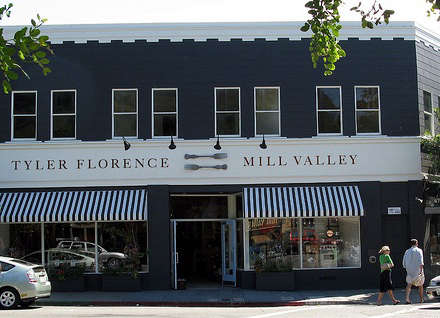
Tyler Florence, the Food Network chef, restaurateur, cookbook author, and longtime Bay Area culinary personality, helped make Mill Valley feel like a natural stage for this kind of retail fantasy. His former Tyler Florence Shop on Throckmorton Avenue was not just another celebrity-branded storefront. It was a curated kitchen destination: part cookware boutique, part pantry inspiration board, part “please hide my credit card before I buy another copper pot” situation.
This shopper’s diary revisits that Mill Valley moment with fresh perspective. It looks at what made the Tyler Florence retail concept appealing, why Mill Valley was such a fitting location, what shoppers could learn from the store’s sensibility, and how the idea still resonates with anyone who wants a kitchen that feels personal, practical, and just a little bit cinematic.
The Mill Valley Setting: Small Town, Big Taste
To understand the appeal of Tyler Florence in Mill Valley, start with the town itself. Located in Marin County, just north of San Francisco, Mill Valley has long balanced rustic California charm with polished Bay Area taste. Downtown is compact, walkable, and full of independent shops, cafes, bookish corners, and the kind of storefronts that make window-shopping feel like a civic duty.
Throckmorton Avenue, especially around the Depot Plaza, gives the area much of its personality. It is not a mall experience. It is more of a “wander, sip coffee, buy something wrapped in tissue paper, then discuss sourdough hydration with a stranger” experience. The old buildings, narrow streets, and steady mix of locals and visitors create an ideal environment for specialty retail.
That matters because kitchen shopping is emotional. Nobody technically needs another serving bowl. Nobody is legally required to own hand-thrown ceramics, a French copper pan, or a cookbook that promises to change Tuesday night forever. But in a town like Mill Valley, those objects feel connected to a larger way of living: cooking seasonally, hosting casually, buying thoughtfully, and pretending your spice drawer is not a crime scene.
Who Is Tyler Florence, and Why Mill Valley?
Tyler Florence built his public reputation through television, cookbooks, restaurants, and an approachable style of American cooking. He became familiar to home cooks through Food Network shows and later expanded into restaurants such as Wayfare Tavern in San Francisco and Miller & Lux. But his connection to Mill Valley is not just professional branding. Florence and his family have lived in the area, and his Bay Area projects often reflect Northern California’s appetite for local ingredients, warm hospitality, and casually upscale design.
The former Tyler Florence Shop in Mill Valley fit neatly into that identity. Opened with his wife, Tolan Clark, the store brought chef-approved tools, cookbooks, pantry goods, and design-forward kitchen items into a downtown retail space with its own layered history. The address was linked to Mill Valley’s retail past, including the era of Banana Republic’s early local presence, which gave the shop a certain narrative sparkle. In Mill Valley, even a storefront can have a backstory strong enough to deserve a documentary voiceover.
Florence’s retail idea was simple but powerful: let people take home a piece of the chef’s world. Not the stress, hopefully. Not the restaurant dishwasher. Just the good parts: beautiful tools, flavorful ingredients, and the feeling that dinner could be elevated by better equipment and a little more intention.
Inside the Tyler Florence Shop Concept
The Tyler Florence Shop was known for chef-inspired goods that appealed to both serious home cooks and curious browsers. The selection reportedly included items such as French copper cookware, Italian olive oils, antique chopping blocks, cookbooks, kitchen accessories, and local artisan products from Marin County and beyond. In other words, it was not the kind of place where you bought a plastic spatula in a panic. It was the kind of place where you began using phrases like “heirloom-quality” and meant them.
A Store Built Around Culinary Storytelling
Great specialty retail does more than stock shelves. It tells shoppers who they could become. A wall of copper pans says, “You are the type of person who makes sauces.” A stack of cookbooks says, “You definitely have time to braise something this weekend.” A display of olive oil says, “Your salad deserves a better ending.”
That was the core magic of the Tyler Florence Shop. It transformed kitchenware into aspiration without making the experience feel cold or intimidating. The products suggested a chef’s standards, but the setting made them feel reachable. You did not need to run a restaurant to appreciate a solid pan, a beautiful cutting board, or a pantry staple with real flavor.
The Marin County Ingredient
Marin County has a strong food identity: farmers markets, artisan producers, local dairy, seasonal produce, and a culture that treats good bread with appropriate seriousness. The Tyler Florence Shop tapped into that environment by combining global kitchen goods with local flavor. That blend made sense. A shopper might admire European cookware, then leave with a locally made preserve or a gift that felt distinctly Northern Californian.
This mix also helped the shop avoid feeling like a generic celebrity merchandise outlet. It was not simply “Tyler Florence’s name on a shelf.” It was a curated point of view: polished but not sterile, stylish but useful, chefly but still home-centered.
What Made the Shopping Experience Memorable?
The best kitchen stores invite touch. You want to feel the weight of the pan, flip through the cookbook, smell the candle, inspect the grain of the cutting board, and imagine yourself casually serving roast chicken like a person whose email inbox is under control. The Tyler Florence Shop leaned into that tactile pleasure.
Unlike big-box kitchen retail, a boutique shop thrives on discovery. You do not go in only to check off a list. You go in to be surprised. Maybe you find a new condiment. Maybe you realize your old stockpot has been silently begging for retirement. Maybe you buy a host gift and somehow also buy yourself a spoon rest, because emotional math is still math.
Cookware as Design
One of the store’s strongest ideas was that kitchen tools can be both functional and beautiful. Copper cookware, wooden boards, ceramics, linens, and well-made utensils do not have to hide in cabinets. They can become part of the room. This is especially relevant in Northern California homes, where kitchens often double as gathering spaces, homework stations, wine-pouring zones, and unofficial therapy offices.
A chef-curated kitchen shop reminds shoppers that good tools can change behavior. A heavy pan encourages better searing. A sharp knife makes prep less annoying. A handsome serving platter turns leftovers into “rustic family-style dining,” which is just leftovers with better public relations.
Cookbooks as Invitations
Cookbooks were another important part of the shop’s appeal. In the age of quick online recipes, a cookbook can feel almost rebellious. It asks you to slow down, browse, bookmark, stain pages, and commit to a dish longer than a browser tab. For a chef like Tyler Florence, whose career has always been connected to teaching home cooks, cookbooks were not decorative extras. They were central to the experience.
A shopper browsing cookbooks in Mill Valley was not just buying instructions. They were buying a mood: Sunday supper, holiday hosting, better burgers, family meals, relaxed entertaining, and the belief that dinner can be both practical and memorable.
How to Shop Like Tyler Florence in Mill Valley
Even though the original Tyler Florence Shop is part of Mill Valley’s retail history, its lessons still apply. If you are building a better kitchen, shopping for gifts, or simply trying to make your home cooking feel more joyful, think like a chef but buy like a real person with cabinet limits.
Start With Tools You Will Actually Use
A beautiful kitchen does not need to be crowded. Before buying anything, ask whether it solves a real problem. A high-quality skillet, a dependable chef’s knife, a sturdy cutting board, a Dutch oven, and a few well-designed utensils can do more for your cooking life than a drawer full of gadgets shaped like woodland animals.
The Tyler Florence retail philosophy favored useful beauty. That is the sweet spot. Buy items that earn their space, feel good in the hand, and make cooking easier. A tool that looks good but never gets used is decor. A tool that works beautifully and looks good while doing it is kitchen gold.
Upgrade Pantry Staples Slowly
You do not need to replace your entire pantry overnight. Start with ingredients that make a visible difference: olive oil, vinegar, salt, spices, preserves, pasta, chocolate, coffee, and condiments. A better olive oil can rescue vegetables. A good vinegar can wake up a sauce. A proper finishing salt can make a tomato taste like it hired a publicist.
Mill Valley’s food culture supports this kind of shopping because it rewards curiosity. Local markets, specialty shops, and artisan producers make it easy to discover ingredients with personality. The lesson is simple: small upgrades can make everyday meals feel more intentional.
Buy Gifts That Encourage Use
Kitchen gifts should not create guilt. Nobody wants to receive an object so precious it becomes a museum exhibit beside the toaster. The best gifts are beautiful, practical, and easy to use: a great olive oil, a cookbook, linen towels, a serving board, a small batch jam, a pepper mill, or a well-made tool someone would not splurge on for themselves.
This is where a shopper’s diary becomes useful. Instead of treating the store as a place to consume, treat it as a place to observe. What textures draw your eye? What ingredients make you curious? What tools would improve how you cook right now? Shopping becomes less about impulse and more about building a kitchen with a point of view.
Mill Valley as a Culinary Shopping Destination
Mill Valley’s appeal extends beyond one famous chef’s shop. The town sits near Muir Woods, Mount Tamalpais, San Francisco, and the broader Marin food scene. Visitors can combine a shopping walk with coffee, lunch, a bookstore stop, a market visit, or a scenic drive. That makes it ideal for the kind of slow retail experience that online shopping cannot replicate.
Online, you can buy a pan in twelve seconds. In Mill Valley, you can think about the pan, hold the pan, discuss the pan, leave without the pan, return for the pan, and later refer to it as “the Mill Valley pan” for the next fifteen years. This is not efficiency. This is romance.
The Importance of Place
The Tyler Florence Shop mattered because it belonged to a place. Its Mill Valley location gave it context: local history, Marin taste, chef culture, and a walkable downtown. That is something digital retail struggles to duplicate. A product page can show dimensions and reviews, but it cannot give you the mood of stepping out onto Throckmorton Avenue with a paper bag, a coffee, and a plan to cook something slightly more ambitious than usual.
Place-based shopping also supports a more thoughtful approach to buying. You remember where you found things. You connect objects with trips, meals, conversations, and seasons. A wooden board becomes more than a wooden board. It becomes the board you bought in Mill Valley after deciding your cheese deserved architecture.
What Home Cooks Can Learn From the Tyler Florence Approach
Tyler Florence’s broader culinary brand has always leaned toward food that is generous, flavorful, and accessible. That same sensibility translates well into kitchen shopping. The goal is not to create a showroom that intimidates your family. The goal is to create a kitchen that invites cooking.
Here are the strongest lessons from the Tyler Florence in Mill Valley shopping story:
1. Curate, Do Not Accumulate
A great kitchen is edited. It does not need every tool on earth. It needs the right tools for how you cook. Choose fewer, better pieces. Let them work hard. Let them age. Let the wooden spoon develop the kind of character normally reserved for supporting actors in prestige television.
2. Treat Everyday Cooking as Worthy
Good cookware is not only for holidays. Olive oil is not only for guests. Cloth napkins are not only for people named Eleanor who own soup tureens. The best kitchen upgrades make ordinary meals better. Tuesday dinner counts. Lunch counts. Toast counts, especially if the butter is behaving.
3. Mix Local and Global
The most interesting kitchens combine influences. A French pan, California produce, Italian olive oil, local jam, and a Southern-inspired biscuit recipe can all coexist peacefully. That mix reflects how Americans actually cook: with curiosity, adaptation, and occasional fridge chaos.
4. Design Matters, But Use Matters More
A gorgeous kitchen item should still perform. Beauty gets it onto the counter; usefulness keeps it there. Before buying, ask whether the item will make cooking more pleasurable, efficient, or delicious. If yes, welcome it home. If no, admire it from a safe distance and keep walking.
Additional Experience Notes: A Shopper’s Walk Through Tyler Florence’s Mill Valley Mood
Imagine beginning the day in downtown Mill Valley with no strict agenda, which is the correct way to visit a town that rewards wandering. The morning is cool, the streets are active but not frantic, and the storefronts have that lived-in Marin polish: tasteful signs, warm windows, and just enough rustic texture to make you reconsider your relationship with stainless steel. In the Tyler Florence Shop era, this was exactly the kind of setting that made a kitchen boutique feel less like a store and more like an invitation.
The first thing a shopper might notice is pace. Mill Valley does not push you through a retail funnel. It lets you drift. You might start near Depot Plaza, step into a bookstore, grab a coffee, then find yourself studying cookware with surprising seriousness. The experience is not about grabbing a bargain. It is about noticing what you value in a kitchen. Do you want tools that last? Ingredients with a story? Serving pieces that make dinner feel warmer? A cookbook that gives you a Saturday project and a reason to buy parsley?
A chef-curated shop works best when it makes you feel capable, not inadequate. That is the emotional line good retail must walk. The Tyler Florence mood was aspirational, yes, but it was rooted in use. A copper pot may look glamorous, but it also suggests sauce, soup, and care. A thick cutting board looks handsome, but it also says: chop here, gather here, feed people here. Even a bottle of olive oil can carry a little promise. Tonight’s vegetables might finally get the respect they have been quietly requesting.
My favorite way to think about this kind of shopping is to build a meal in your mind as you browse. Start with a board. Add good bread, cheese, olives, jam, and something crisp. Pick up a cookbook and choose a main dish you would actually cook, not one requiring tweezers, foam, or a spiritually advanced relationship with fennel pollen. Then imagine the table: the pan coming out of the oven, the serving spoon, the napkins, the bowl for salad, the salt passed around by hand. Suddenly, shopping becomes planning for hospitality.
The Mill Valley connection makes that fantasy feel grounded. This is a town where food, design, nature, and community overlap. You can shop for a kitchen tool, then walk outside and remember that cooking is part of a larger rhythm: markets, seasons, hikes, neighbors, dinner with friends, leftovers the next day. The Tyler Florence Shop captured that rhythm by blending chef-level taste with home-kitchen warmth.
For today’s shopper, the experience still offers a useful blueprint. Do not buy everything. Buy one thing that improves how you cook. Choose the better knife instead of five novelty gadgets. Choose the olive oil you will use, not save forever for a mythical perfect occasion. Choose the cookbook that makes you hungry on page one. Most importantly, choose objects that help you gather people. A kitchen is not a showroom. It is a working room, a laughing room, a snack room, and occasionally a place where smoke alarms participate more than invited.
That is the lasting charm of Tyler Florence in Mill Valley. It is not only about a famous chef’s former shop. It is about a style of shopping that treats cooking as pleasure, design as service, and everyday meals as worthy of attention. And if a wooden spoon can help get us there, honestly, let the spoon have its moment.
Conclusion
Shopper’s Diary: Tyler Florence in Mill Valley is more than a nostalgic look at a chef-branded kitchen shop. It is a reminder that the best culinary retail experiences are built from place, personality, and purpose. Tyler Florence’s Mill Valley presence connected Food Network familiarity with Marin County’s local-food culture, giving shoppers a place to imagine better meals, better tools, and a more thoughtful kitchen.
The original shop may belong to Mill Valley retail history, but its influence still feels relevant. Home cooks continue to crave objects with story, ingredients with character, and spaces that make cooking feel less like a chore and more like a small daily ceremony. In that sense, the Tyler Florence Shop was not just selling cookware. It was selling confidence, hospitality, and the delicious possibility that dinner could be better tonight.
Note: This article is based on publicly available information about Tyler Florence, his former Mill Valley shop, his Bay Area restaurant presence, and Mill Valley’s downtown retail and culinary culture. Because local businesses and storefronts change over time, readers planning a visit should verify current addresses, hours, and operators before traveling.