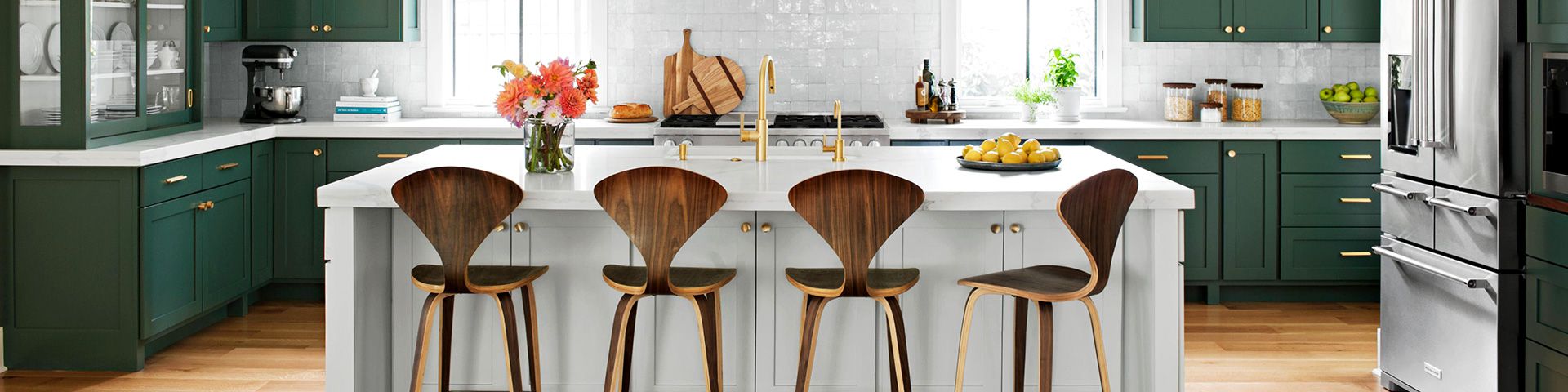
The kitchen is where coffee becomes courage, where “I’ll just have a snack” becomes a full sandwich, and where your friends inevitably gatherno matter how gorgeous your living room is. So if you’re going to decorate and design any room like it’s the main character, the kitchen is a solid bet.
The trick is balancing two competing truths: you want a kitchen that looks amazing in photos, and you also want one that works when you’re holding a hot pan, dodging a dog, and trying to remember if you already salted the soup. This guide gives you kitchen decorating and design ideas that are stylish, practical, and realistic for actual humans who live in their homes.
1) Start With a Layout That Doesn’t Create Traffic (Pretty Can’t Fix a Bottleneck)
Work triangle basics (still useful, just not the whole story)
Classic kitchen planning often starts with the “work triangle”: the sink, the stove (or cooktop), and the refrigerator. The goal is simple: fewer unnecessary steps while you prep, cook, and clean. In many kitchensespecially smaller onesthis idea is still helpful.
But modern life is messier (and more social) than a neat triangle. Coffee stations, air fryers, snack drawers, homework at the island, and multiple cooks can make one triangle feel like a “work… polygon.” That’s why many designers now think in zones: a prep zone, cooking zone, cleanup zone, storage zone, and sometimes a beverage zone.
Design for landing zones (because gravity is undefeated)
Wherever people naturally set things down, give them a place to do it. You’ll want a bit of counter space near the fridge for grocery drop-offs, near the sink for dirty dishes, and near the cooktop for plating. Without landing zones, clutter takes over like it pays rent.
Islands: the MVPwhen they fit
If your kitchen can support it, an island can add prep space, storage, seating, and a natural gathering spot. But the island should never be a giant furniture boulder that people have to squeeze around. Aim for comfortable pathways so two people can pass without doing the awkward “sorry-sorry” shuffle.
If a built-in island won’t work, consider a smaller freestanding island or worktable vibe. You can still get function and style without committing to a permanent obstacle course.
2) Choose a Color Palette You’ll Still Like After the Honeymoon Phase
Color is one of the fastest ways to change how a kitchen feels. Bright and airy? Cozy and grounded? Moody and dramatic? The same room can look completely different depending on the palette.
Warm whites and off-whites (the “clean but not clinical” sweet spot)
White kitchens are popular for a reason: they reflect light, feel open, and pair with almost anything. But the most livable whites usually have warm undertones so the room doesn’t feel like a dentist’s office. Test swatches at different times of daymorning light can be flattering, and evening light can reveal weird undertones you didn’t consent to.
Earthy neutrals, greens, and blues (calm without being boring)
If you want color without chaos, look at muted greens, dusty blues, warm taupes, and clay-adjacent tones. These shades feel homey, play nicely with wood, and tend to age well. A good rule: put your boldest color on a smaller surface (like the island or lower cabinets), and keep the biggest surfaces calmer.
Use contrast and texture to keep it from feeling flat
You can make a neutral kitchen interesting with texture: wood grain, woven stools, matte tile, brushed metal hardware, or stone with subtle veining. Texture adds depth without shouting.
3) Cabinets: Your Kitchen’s Largest “Wall Art”
Cabinets take up a huge amount of visual real estate, so their style and color mattera lot. If you’re decorating (not remodeling), painting cabinets and updating hardware can feel like a mini-renovation without the full chaos.
Cabinet styles that tend to age well
- Shaker: a classic that works in modern, transitional, and farmhouse spaces.
- Flat-panel: clean and modern, great for minimal or contemporary kitchens.
- Inset or furniture-style details: more traditional, often a higher-end look.
Two-tone cabinets (because commitment is hard)
Two-tone cabinetslike a darker island with lighter perimeter cabinetscan add depth and make the room feel designed. It’s also a practical way to try color without turning the whole kitchen into a personality test.
Open shelving: beautiful, but honest work
Open shelves can make a kitchen feel lighter and more personal, but they also require editing. If you love the look, balance it with closed storage. Keep open shelves for the “pretty and used often” items: everyday dishes, glassware, a few cookbooks, and maybe a plant that won’t judge your takeout habits.
4) Backsplash Ideas: The Small Surface With Big Influence
A backsplash can either quietly support your design or become the star of the show. Either option is finejust don’t let it accidentally become a chaotic third thing that matches nothing.
Classic that doesn’t feel basic
- Subway tile: change the vibe with grout color, finish, or a different layout (vertical stack, herringbone, etc.).
- Simple stone or quartz slab: minimal, seamless, and easy to wipe down.
- Soft zellige-style tile: glossy, imperfect, and full of character.
Make it bolder (without making it forever-regret bold)
If you want a statement, choose a patterned tile in a limited palette that connects to your cabinets or counters. Or take the backsplash up to the ceiling behind the hood for a dramatic “I hired a designer” effecteven if you didn’t.
5) Countertops and Surfaces: Pick “Lives Well” Over “Looks Good Once”
Countertops aren’t just decor; they’re work surfaces. The best choice depends on your cooking habits, tolerance for maintenance, and how much you enjoy wiping things down (spoiler: nobody does).
- Quartz: consistent, durable, and low-maintenance for most households.
- Granite or natural stone: beautiful movement, may require sealing depending on the stone.
- Butcher block: warm and inviting, needs care and can show wear (some people love that patina).
- Stainless: pro-kitchen vibes, shows scratches and fingerprints, but it’s practically indestructible.
Design tip: if your counters have strong patterning, keep the backsplash calmer. If your counters are quieter, you can let the backsplash bring more personality.
6) Lighting: Layer It Like Lasagna
Most kitchens look “fine” during the day and suddenly suspicious at night. That’s usually a lighting issue. Great kitchen lighting comes from layers: ambient + task + accent.
Ambient lighting
This is your overall light (recessed, flush mounts, etc.). Make it dimmable if possible. If you can only upgrade one thing, adding dimmers is a shockingly high return on investment for mood.
Task lighting (the “don’t chop your finger” category)
Under-cabinet lighting is a game-changer because it lights your counters exactly where you work. LED strips or bars are common choices and can look clean and modern when installed neatly.
Accent and statement lighting
Pendants over an island or a standout fixture over the sink can add personality. The trick is balancing style and practicality: you want the glow, not a glare bomb in your line of sight.
7) Flooring and Rugs: Comfort Underfoot Without Regret
Kitchen floors take a beating. Choose materials that can handle spills, crumbs, and the occasional “oops” moment.
- Tile: durable, water-friendly, endless styles.
- Wood: warm and classic, but needs care with water.
- LVP/LVT: practical, resilient, and often budget-friendly.
Add a washable runner to soften the room, reduce standing fatigue, and bring in color. It also helps your kitchen feel finished, like it’s wearing shoes instead of walking around barefoot.
8) Storage That’s Functional and Good-Looking
A beautiful kitchen that can’t store a cereal box is just a showroom. Storage is design.
Use vertical space like you mean it
In smaller kitchens, going tallercabinets to the ceiling, stacked shelving, or smart pantry solutionscan add storage without stealing precious floor space.
Make drawers do the heavy lifting
Deep drawers for pots, pans, and dishes are often easier than digging through base cabinets. Add simple inserts for utensils and spices to keep everything from turning into a junk drawer situation.
Keep countertops mostly clear
Counters are for cooking, not long-term storage. If everything lives on the counter, the room will always feel clutteredeven if it’s “organized” clutter. Store small appliances you don’t use daily, and corral the daily essentials so they look intentional.
9) Decorating Ideas That Don’t Get in the Way of Cooking
Style the island (without turning it into a sculpture garden)
A simple formula works: one tray + one functional item group + one organic element. For example: a tray with salt/pepper and olive oil, plus a small vase of greenery. Keep it low enough that you can still make eye contact with your family members (or at least judge them silently).
Kitchen vignettes: small moments, big payoff
A curated corner can make the whole kitchen feel warmer: a stack of cookbooks, a crock with wooden spoons, a small framed print, or a plant. The key is moderation. If it starts looking like a home decor store exploded, it’s time to edit.
Use everyday items as decor
Pretty cutting boards, a favorite ceramic bowl, or attractive bottles can add personality while still being useful. The best kitchen decor earns its keep.
10) Small Kitchen Design Ideas With Big Payoff
Small kitchens can be wildly stylishyou just need to design them like a well-packed suitcase. Every inch has a job.
- Go lighter up top: light colors and reflective finishes help bounce light around.
- Use the walls: rails, hooks, magnetic strips, and shelves can free up drawers.
- Choose multipurpose pieces: a narrow rolling cart can become a pantry, coffee station, or prep surface.
- Keep sightlines open: too many bulky items on counters makes the room feel smaller fast.
11) Budget-Friendly Updates That Feel Like a Renovation
If you want an upgrade without a full remodel (and without living in a dust cloud), start with the changes that deliver maximum impact:
- Paint: walls, cabinets, or even just the island.
- Hardware: new pulls and knobs are like jewelry for cabinets.
- Lighting: replace dated fixtures and add under-cabinet lights.
- Backsplash: even a small update can transform the room.
- Faucet: a modern faucet can instantly make the sink area feel upgraded.
- Seating: new stools can shift the whole vibe.
12) Common Design Mistakes (So You Can Avoid the “Why Did We Do That?” Phase)
- Not planning enough lighting: one ceiling light isn’t a lighting plan, it’s a cry for help.
- Overdoing open shelving: it looks great until you realize you own mismatched mugs.
- Ignoring flow: if the fridge door blocks a walkway, it will haunt you daily.
- Too-trendy choices everywhere: trends are fun in doses; timeless wins on big-ticket items.
- No place for trash/recycling: you will notice… every single day.
Conclusion: Build a Kitchen That Works and Makes You Want to Hang Out There
The best kitchen decorating and design ideas don’t start with what’s trendingthey start with how you live. Nail the layout, add thoughtful lighting, choose a palette that feels good in your space, and layer in storage and decor that support your daily routine. Then sprinkle in personality: artwork, textiles, a favorite color, or a backsplash that makes you smile.
Because at the end of the day, a great kitchen isn’t just a pretty room. It’s where life happensone snack, one recipe, and one conversation at a time.
of Real-World Experiences & Lessons (The Stuff People Wish They Knew Earlier)
Here’s what homeowners commonly discover after they’ve lived with their kitchen updates for a whileaka the practical “experience” section that never makes it into glossy inspiration photos.
1) The lighting reveal is real. People often underestimate lighting until the day the new fixtures go in. Suddenly the kitchen looks bigger, cleaner, and more expensiveeven if nothing else changed. The most common “why didn’t we do this sooner?” moment is under-cabinet lighting. It makes counters feel brighter, reduces shadows where you prep food, and gives the room that cozy evening glow that makes a Tuesday dinner feel a little less Tuesday-ish.
2) Open shelving is a lifestyle choice, not just a design choice. In the beginning, open shelves look effortless. Then real life shows up: a random plastic cup, a sauce-stained cookbook, and that one mug you love that doesn’t match anything. The people happiest with open shelving tend to do two things: they limit shelves to a small area (instead of replacing all uppers), and they keep only a curated set of items there. Everything else goes behind closed doors like a well-kept secret.
3) “We need more storage” is often code for “we need better storage.” Many kitchens have enough cabinet space, but it’s not working efficiently. Once someone adds drawer organizers, pull-outs, or dedicated zones (snacks here, baking there, coffee over there), the kitchen suddenly feels biggerwithout adding a single square foot. A surprisingly common win: moving the most-used items (cutting boards, knives, oils) closer to where food prep actually happens.
4) Color decisions are emotional. People often fall in love with a cabinet color online, then paint a swatch at home and realize it looks totally different under their lighting. The experienced move is testing multiple samples and viewing them in morning and evening light. Another lesson: if you’re nervous about bold color, start with the island or a backsplash. It scratches the “fun design” itch while keeping the big surfaces calmer.
5) The countertop clutter battle is won with “corraling,” not perfection. Most households use a few daily items: oils, salt, a coffee setup, maybe a fruit bowl. The kitchens that look styled (not chaotic) usually have these items grouped on a tray or in a small station. It’s not about having empty counters 24/7; it’s about making the “lived-in” items look intentional. That single shift can make the whole kitchen feel designed, even when life is busy.
If you take one experienced-based takeaway, make it this: the best kitchens aren’t the ones with the most expensive finishesthey’re the ones where the layout flows, the lighting flatters, storage is smart, and the decor supports real daily use. The goal isn’t perfection. The goal is a kitchen that makes you feel at home.