What if one of the best brain-health habits did not require a fancy app, a luxury supplement, or a refrigerator full of foods you cannot pronounce? Scientists keep circling back to one surprisingly ordinary habit that appears to help lower dementia risk: regular physical activity. More specifically, moving your body often enough to raise your heart rate, strengthen your circulation, and remind your brain that it is not retired from the job of living.
For many people, that one thing can be as simple as brisk walking. Not marathon training. Not flipping tires in a parking lot while someone yells motivational quotes. Just consistent movement: walking, cycling, swimming, dancing, gardening, climbing stairs, or doing anything that gets you out of the chair and into motion.
Dementia is not a single disease. It is a group of conditions that affect memory, thinking, reasoning, behavior, and daily function. Alzheimer’s disease is the most common form, but vascular dementia, Lewy body dementia, and other types also affect millions of families. While no lifestyle habit can guarantee prevention, researchers have identified several modifiable dementia risk factors, and physical inactivity is one of the big ones.
The good news? Movement is adjustable. You can start small, build slowly, and still make meaningful progress. Your brain does not require you to become a fitness influencer. It just wants you to stop treating the couch like a long-term lease.
Why Physical Activity May Lower Dementia Risk
Scientists believe exercise supports brain health in several overlapping ways. First, it improves blood flow. The brain is a high-maintenance organ; it uses a lot of oxygen and nutrients, and it depends on healthy blood vessels to deliver them. When you walk briskly or do other aerobic activity, your heart pumps more efficiently, your blood vessels become more responsive, and your brain receives better circulation.
Second, exercise helps manage several conditions linked to dementia risk, including high blood pressure, type 2 diabetes, obesity, poor sleep, depression, and cardiovascular disease. In plain English: what is good for your heart is usually good for your brain. The brain does not float in a separate VIP room. It is connected to the same body that deals with blood sugar, cholesterol, inflammation, and stress hormones.
Third, physical activity appears to encourage the release of brain-supporting chemicals, including growth factors that help neurons communicate and adapt. Some studies connect regular exercise with better memory, improved executive function, and slower cognitive decline in older adults. Exercise may also reduce chronic inflammation and oxidative stress, two biological troublemakers that often appear in conversations about aging and brain health.
The “One Thing” Is Not Extreme ExerciseIt Is Consistency
When people hear “exercise lowers dementia risk,” many imagine an intimidating routine: gym memberships, expensive shoes, burpees, protein shakes, and a trainer named Brad who says things like “earn your rest.” But the research points toward a much friendlier message: consistent physical activity matters, even when it is moderate.
Public health guidance commonly recommends at least 150 minutes of moderate-intensity aerobic activity per week for adults. That can be broken into 30 minutes a day, five days a week, or into shorter sessions that add up over time. Moderate intensity means you can talk, but singing would be difficult. In other words, if you can belt out an entire Broadway number during your walk, you may need to pick up the pace.
Brisk walking is especially practical because it is free, flexible, and does not require special athletic skill. You can walk around your neighborhood, inside a mall, on a treadmill, at a park, or during phone calls. The magic is not in the scenery; it is in the repeated act of moving your body often enough to create a brain-friendly rhythm.
How Many Steps Help?
Step-count research has made dementia prevention feel more concrete. Several studies suggest that higher daily step counts are associated with lower dementia risk, with benefits appearing even below the famous 10,000-step target. One major study found that about 9,800 daily steps was linked with the greatest reduction in dementia risk, while a much lower numberaround 3,800 steps per daywas still associated with meaningful benefit.
That does not mean everyone must hit exactly 9,800 steps. The number is useful, but it is not a sacred brain-health password. A person going from 2,000 to 4,000 daily steps may make a more important improvement than someone already active obsessing over the final 312 steps before bedtime.
Newer research also suggests that even a few thousand steps a day may help slow cognitive decline in certain older adults at higher risk for Alzheimer’s disease. This is especially encouraging because it reframes exercise as something people can build into daily life rather than something reserved for the already fit.
Pace Matters, Too
Walking speed may matter because it reflects exercise intensity. A slow stroll is still better than sitting, but brisk walking challenges the cardiovascular system more. That extra challenge may improve blood flow, insulin sensitivity, blood pressure, and overall metabolic health.
A useful test is the “talk test.” If you can speak in short sentences but do not feel like holding a long debate about taxes, you are probably in the moderate-intensity zone. If you are gasping, slow down. If you feel nothing at all, speed up slightly or add gentle hills.
For beginners, a smart approach is interval walking. Try two minutes at a comfortable pace, then one minute slightly faster. Repeat this pattern for 15 to 20 minutes. It is simple, effective, and far less dramatic than pretending you enjoy sprinting.
Breaking Up Sitting Time Also Counts
One overlooked part of dementia prevention is reducing long periods of sitting. Even people who exercise can spend too many hours parked at a desk, in a car, or in front of a television. Long sedentary stretches may affect blood sugar regulation, circulation, inflammation, and vascular health.
The fix does not need to be complicated. Stand up every 30 to 60 minutes. Walk while taking calls. Do a few gentle squats near your chair. Take the stairs when practical. Park a little farther away. These tiny actions may seem too small to matter, but repeated daily habits are where health changes quietly compound.
Think of movement snacks as deposits in your brain-health account. One stretch break will not make you a millionaire. But many deposits over months and years can change the balance.
The Best Exercises for Brain Health
1. Brisk Walking
Walking is the superstar because almost everyone can modify it. You can adjust distance, pace, terrain, and schedule. Walking also pairs well with social connection, sunlight, podcasts, music, or quiet thinking time.
2. Strength Training
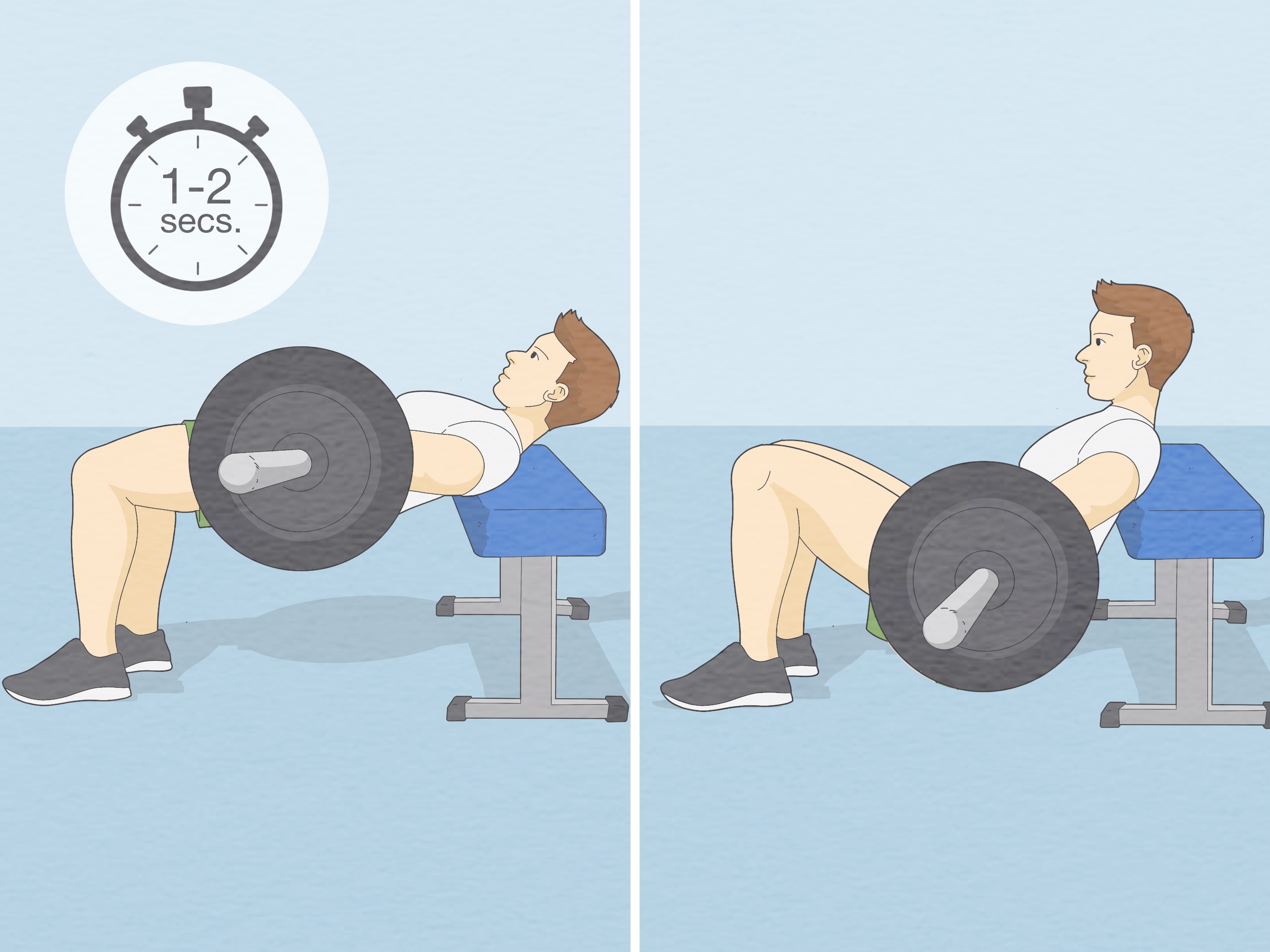
Muscle matters more than many people realize. Resistance training supports balance, insulin sensitivity, bone health, and independence. Stronger legs and hips also reduce fall risk, which becomes increasingly important with age. Two sessions per week using weights, bands, machines, or bodyweight exercises can make a major difference.
3. Dancing
Dancing adds coordination, rhythm, memory, balance, and social engagement. It is exercise with a party hat. Learning steps challenges the brain while movement supports the body, making dancing a powerful two-for-one habit.
4. Swimming or Water Aerobics
For people with joint pain, water-based exercise can be gentle and effective. It raises the heart rate while reducing impact on knees, hips, and ankles.
5. Cycling
Outdoor cycling and stationary biking can both improve cardiovascular fitness. A stationary bike is especially useful for people who want a safe, weather-proof option.
How to Start If You Are Not Active Now
The worst exercise plan is the one so ambitious that it collapses by Thursday. If you are currently inactive, begin with a small target you can repeat. Five to ten minutes of walking after lunch or dinner is a strong start. Once that feels normal, add more time or a slightly faster pace.
Try this simple four-week starter plan:
- Week 1: Walk 10 minutes a day, five days a week.
- Week 2: Walk 15 minutes a day, five days a week.
- Week 3: Walk 20 minutes a day, five days a week.
- Week 4: Walk 25 to 30 minutes a day, five days a week.
If 10 minutes feels like too much, start with five. If five feels too easy, start with 15. The point is not perfection. The point is creating a habit that your future self will not hate.
Make Movement Easier to Repeat
Habit design matters. Most people do not fail because they lack character. They fail because the plan is inconvenient, boring, or vague. “I should exercise more” is not a plan. “I will walk for 20 minutes after breakfast on Monday, Wednesday, Friday, and Saturday” is a plan.
Pair walking with something enjoyable. Listen to an audiobook only during walks. Walk with a friend. Use a route with trees, shops, or interesting people-watching. Keep comfortable shoes by the door. Put walks on your calendar like appointments. Your brain loves routines because routines reduce negotiation.
And yes, weather will try to sabotage you. Have a backup plan: walk indoors, use stairs, march in place during television commercials, or do a beginner exercise video. The goal is to remove the “I guess I can’t today” excuse before it gets comfortable.
Physical Activity Works Best With Other Brain-Healthy Habits
Exercise is powerful, but it is not a magic force field. Dementia risk is influenced by many factors, including genetics, age, education, hearing health, blood pressure, sleep, smoking, alcohol use, social connection, diet, air quality, depression, and head injury. Some risk factors cannot be changed, but many can be improved.
A brain-healthy lifestyle often includes a balanced eating pattern rich in vegetables, fruit, beans, whole grains, nuts, fish, and healthy fats. It also includes treating hearing loss, staying socially connected, managing blood pressure, sleeping well, avoiding smoking, and protecting the head from injury.
Still, physical activity deserves special attention because it supports so many of those areas at once. It can improve sleep, mood, blood pressure, blood sugar, weight management, heart health, balance, and energy. That is a lot of benefit from something as humble as putting one foot in front of the other.
What Scientists Still Do Not Know
It is important to be honest: many exercise-and-dementia studies are observational. That means they show associations, not absolute proof that exercise alone caused the lower risk. People who exercise regularly may also have other healthy habits, better access to medical care, stronger social networks, or fewer health limitations.
However, the evidence is consistent enough that major health organizations encourage regular physical activity as part of a dementia risk-reduction strategy. Exercise is low-cost, widely accessible, and beneficial for many other conditions even if its dementia-protective effects vary from person to person.
In other words, movement is not a guarantee. It is a smart bet. And unlike many bets, this one also improves your heart, muscles, mood, sleep, and ability to carry groceries without sounding like you just climbed Mount Everest.
Real-Life Experience: What This Habit Looks Like in Everyday Life
Imagine a 62-year-old office worker named Linda. She has read enough health articles to know that sitting all day is not doing her brain any favors, but she also does not see herself joining a gym. The last time she used a treadmill, she accidentally hit the speed button and briefly experienced what can only be described as “indoor panic jogging.”
So Linda starts smaller. Every morning, after coffee, she walks around her block for 12 minutes. At first, it feels almost silly. Can 12 minutes really matter? But after a week, she notices she is less stiff. After two weeks, she adds another block. By the end of the month, she is walking 25 minutes most mornings.
The biggest change is not dramatic weight loss or a sudden desire to buy neon workout clothes. It is that movement becomes part of her identity. She starts taking phone calls while walking. She parks farther from the grocery store entrance. She stands up during television ads. Her step count rises without turning her life into a spreadsheet.
Then there is James, 70, who dislikes walking alone but loves conversation. His daughter suggests he meet a neighbor for evening walks. At first, the walks are slow and full of complaints about knees, weather, and how music was better in the old days. But the social part keeps him consistent. Soon, the walk becomes the highlight of his day. He is moving his body, strengthening his friendships, and giving his brain both exercise and connection.
Or consider Maria, 55, who cares for her aging mother and feels she has no time for herself. A 45-minute workout sounds impossible. But three 10-minute walks feel possible: one after breakfast, one after lunch, and one after dinner. She also adds light resistance-band exercises twice a week while watching the news. Her routine is not glamorous, but it is realistic. And realistic routines are the ones that survive actual life.
These examples matter because dementia prevention advice can sometimes sound like it was written for people with unlimited time, perfect joints, quiet schedules, and personal chefs. Real life is messier. People have jobs, caregiving duties, pain, fatigue, bad weather, and days when motivation disappears like socks in a dryer.
The most useful lesson from everyday experience is this: lower the barrier. Put shoes near the door. Walk before checking social media. Invite someone. Use a step counter if it motivates you, but ignore it if it turns you into a nervous accountant. Choose safe routes. Keep water nearby. Celebrate consistency more than intensity.
Another practical experience is noticing how movement improves the rest of the day. Many people begin walking for brain health but continue because they sleep better, feel calmer, digest meals more comfortably, or have more energy. The dementia-risk conversation may get someone started, but the daily benefits keep them going.
Caregivers also often find that shared movement helps the whole household. A short walk with a parent, spouse, or friend can become a gentle routine that supports mood and connection. It does not need to be framed as “exercise,” which can sound like homework. It can simply be “let’s get some air.” Sometimes the softer wording works better.
For people with mobility challenges, the experience may look different. Chair exercises, seated marching, water therapy, physical therapy routines, or short assisted walks can still support circulation and strength. The goal is not to copy someone else’s version of fitness. The goal is to move safely and consistently within your own abilities.
The most encouraging part is that improvement can start at almost any age. A person who has been inactive for years can still benefit from adding gentle movement. The brain and body are responsive. They may not send fireworks after your first walk, but they notice. Over time, those small signals add up.
Conclusion: Move More, Protect More
Scientists are not saying that one daily walk will make dementia impossible. They are saying that regular physical activity is one of the most practical, evidence-supported habits associated with lower dementia risk and better brain aging. It supports circulation, heart health, blood sugar, sleep, mood, strength, balance, and possibly the brain’s ability to resist cognitive decline.
The best starting point is simple: move more than you do now. Walk briskly when you can. Break up sitting time. Add strength training twice a week. Make the habit convenient enough to repeat even on imperfect days.
Your brain does not need a perfect routine. It needs a consistent one. And the next stepliterallycan begin today.
Note: This article is for general educational publishing purposes and should not replace medical advice. People with chronic conditions, mobility limitations, chest pain, dizziness, or recent surgery should ask a qualified healthcare professional before starting a new exercise routine.