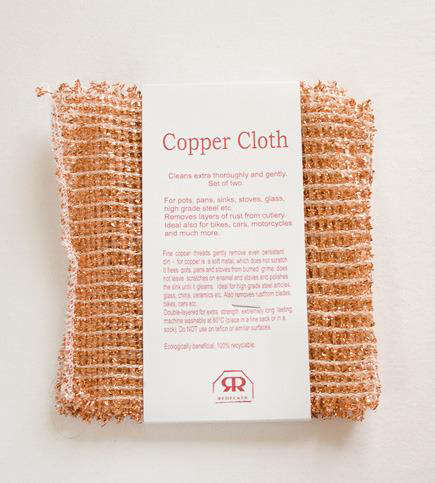
Some cleaning tools arrive in your kitchen looking like they were designed by a committee. Others look like they escaped from a charming European hardware shop and somehow know more about your sink than you do. Redecker Copper Cloths fall firmly into the second category. They are small, woven copper cleaning cloths made for stubborn grime, scorched pans, ceramic cooktops, stainless steel sinks, glass, enamel, and other hard surfaces that need more muscle than a regular sponge can offer.
At first glance, they seem almost too pretty to attack burnt-on sauce. The warm copper threads catch the light, the cloths feel flexible, and the whole thing gives off the energy of a cleaning product that wears linen on weekends. But do not be fooled by the good looks. These cloths are made for real kitchen drama: the pan with mystery crust, the sink that has lost its sparkle, the oven door with baked-on evidence, and the cutlery with a tiny rust spot that has been quietly judging you from the drawer.
The main keyword here is simple: Redecker Copper Cloths. But the real story is about why these reusable copper cleaning cloths have earned a loyal following among home cooks, zero-waste shoppers, and people who believe a clean sink can emotionally reset an entire Tuesday.
What Are Redecker Copper Cloths?
Redecker Copper Cloths are reusable cleaning cloths made from fine woven copper fibers. They are typically sold as a set of two and measure roughly 14 x 15 cm, or about 5.5 x 5.75 inches depending on the retailer’s listed dimensions. Their purpose is to loosen stubborn dirt, rust deposits, baked-on food, and grime without relying on harsh scrubbing powders or disposable pads.
The brand behind them, Bürstenhaus Redecker, is known for traditional household brushes and cleaning tools with an old-school, practical design philosophy. Instead of neon plastic and mystery foam, Redecker often leans into natural materials, durable construction, and tools that look like they belong in a tidy pantry next to a jar of wooden clothespins.
The copper cloths are double-layered for strength, washable, and intended to be used wet. That last detail matters. Copper is a soft metal, but the cloths should not be used dry. Water helps the fibers glide and reduces the risk of scratching suitable surfaces. Think of water as the referee that keeps the scrubbing match friendly.
Why Copper Works So Well for Cleaning
Copper is softer than many metals used in cookware and kitchen fixtures, which is why it can scrub effectively while still being gentler than steel wool on many hard surfaces. The fine copper threads help lift grime mechanically. Instead of dissolving mess with a chemical cleaner, the cloth physically loosens stuck-on residue.
This makes Redecker Copper Cloths especially useful for messes that laugh at regular sponges. Burned cheese on a baking sheet, dried sauce around a pan edge, rust marks on cutlery, and cloudy buildup on a sink can often be handled with warm water, a little dish soap if needed, and steady circular scrubbing.
They are not magic, despite what your future sparkling sink may suggest. They still require elbow grease. But compared with flimsy disposable scrubbers, they feel more controlled, more durable, and more satisfying to use. There is a tiny “before-and-after TV show” moment when the dull surface starts to shine again.
Best Uses for Redecker Copper Cloths
1. Stainless Steel Sinks
A stainless steel sink can go from “respectable adult kitchen” to “crime scene for coffee grounds” in one afternoon. Redecker Copper Cloths are excellent for giving stainless steel sinks a renewed shine. Use the cloth wet, add a drop of mild dish soap, and scrub gently with the grain when possible. Rinse thoroughly and dry with a soft towel to avoid water spots.
2. Pots, Pans, and Baking Sheets
For stainless steel pans, enamel cookware exteriors, and baking trays, copper cloths can help remove stuck-on food and browned residue. They are especially helpful after soaking. Let the pan sit with warm water for 10 to 15 minutes, then use the wet copper cloth to lift softened debris. This method works better than angrily scraping at a cold pan while questioning your life choices.
3. Ceramic Cooktops
Ceramic and glass cooktops are magnets for burnt rings and splash marks. A wet Redecker Copper Cloth can help remove cooked-on residue without the harshness of many aggressive scrubbers. However, always test a small area first and avoid using heavy pressure. Cooktops vary, and the manufacturer’s care instructions should win every argument.
4. Glass and Chrome
Wet copper cloths can be used on certain glass and chrome surfaces to remove mineral spots, rust marks, and grime. They can be useful on durable glass, chrome fixtures, and shiny metal parts. Again, test first. “I assumed it would be fine” is not a cleaning strategy; it is the opening line of a household tragedy.
5. Cutlery with Rust Spots
Small rust deposits on knives, forks, and other cutlery can often be gently lifted with a damp copper cloth. This is one of the cloth’s underrated talents. Use light pressure, rinse well, and dry immediately. Moisture is often the reason rust showed up in the first place, so do not invite it to stay for dessert.
Where You Should Not Use Redecker Copper Cloths
Redecker Copper Cloths are versatile, but they are not universal. The biggest rule is clear: do not use them on Teflon or similar nonstick coatings. Nonstick surfaces are delicate, and any abrasive tool can shorten their life. For nonstick pans, use a soft sponge, mild dish soap, and patience. If food is badly stuck, soak it instead of scrubbing it into early retirement.
You should also avoid using copper cloths on soft plastic, painted surfaces, lacquered finishes, delicate polished coatings, wood, or anything with a manufacturer warning against abrasive cleaning. When in doubt, test a hidden area first. The cloth may be gentle for a scrubber, but “gentle” is not the same as “safe for every surface in the known universe.”
Do not pair copper cloths with strong chemical cleaners, bleach, or abrasive powders. Warm water and mild dish soap are usually enough. The beauty of the tool is that it does much of the work mechanically, so you do not need to turn your kitchen into a chemistry lab with snacks.
How to Use Redecker Copper Cloths Correctly
Using Redecker Copper Cloths is easy, but the technique matters. First, wet the cloth thoroughly. It should be damp to fully wet, not barely misted like a houseplant you forgot about. Next, wet the surface you plan to clean. Add a small amount of dish soap if grease is involved.
Scrub with moderate pressure. Start lightly, then increase pressure only if the surface can handle it. For pans and sinks, circular motions work well. For stainless steel appliances or visible grain, follow the grain to reduce the chance of marks. Rinse the surface frequently so loosened grit does not become accidental sandpaper.
After cleaning, rinse the cloth well. Shake out trapped food particles and let it dry fully between uses. For deeper cleaning, many product listings recommend machine washing at around 140°F or 60°C, ideally inside a laundry bag or even a sock. Yes, your washing machine may briefly wonder why it has been asked to launder kitchen armor.
Redecker Copper Cloths vs. Steel Wool
Steel wool is powerful, but it can be too aggressive for many kitchen surfaces. It may scratch stainless steel, damage enamel, and leave behind tiny steel particles that can rust. Redecker Copper Cloths are generally gentler because copper is softer than steel, making them a more surface-friendly option for many everyday scrubbing jobs.
That said, copper cloths are not a replacement for every heavy-duty abrasive. If you are restoring a badly neglected grill grate or stripping years of carbon from a workshop tool, steel wool may still have a role. But for kitchens, sinks, cutlery, ceramic cooktops, and cookware exteriors, copper cloths hit a useful middle ground: stronger than a sponge, less terrifying than steel wool.
Redecker Copper Cloths vs. Regular Sponges
Regular sponges are great for daily dishwashing, wiping counters, and handling mild messes. They are soft, cheap, and easy to find. But when a sponge meets baked-on lasagna, it often becomes a sad yellow rectangle with trust issues.
Redecker Copper Cloths are made for the jobs that sponges cannot handle well. They do not absorb like a sponge, and they are not meant for wiping up spills. Their job is scrubbing, polishing, and removing stuck-on residue. In a practical kitchen setup, you might keep both: a sponge for everyday washing and a copper cloth for “the pan needs backup” moments.
Are Redecker Copper Cloths Eco-Friendly?
Redecker Copper Cloths appeal to many eco-conscious shoppers because they are reusable, long-lasting, and can reduce reliance on disposable scrub pads. Some retailers also highlight recyclability, though local recycling options vary. If end-of-life recycling matters to you, check with your local scrap metal recycler before tossing the cloth in the bin.
The sustainability argument is strongest when the cloths are used properly and kept for a long time. A durable cleaning tool that replaces many disposable scrubbers is usually better than buying a “green” product that gets ruined in a week because it was used dry on the wrong pan. Sustainability, like sourdough, rewards patience and not skipping the instructions.
Care and Maintenance Tips
To extend the life of Redecker Copper Cloths, rinse them after every use and remove any trapped food bits. Let them air-dry in a well-ventilated spot instead of leaving them crumpled in a wet sink. A damp copper cloth forgotten under a bowl is not a cleaning tool; it is a tiny swamp with branding.
When they need a deeper refresh, wash them according to the care instructions. Use a laundry bag, linen pouch, or sock to prevent loose fibers from catching on other items. Avoid fabric softener and harsh bleach. Once washed, let the cloths dry completely before storing.
Over time, the copper may darken. That does not automatically mean the cloth is bad. Copper naturally changes color with use and exposure to moisture. The important questions are whether the cloth still holds together, rinses clean, and scrubs effectively. If it starts shedding heavily, unraveling, or feeling rough in a way that worries you, retire it from delicate surfaces.
Who Should Buy Redecker Copper Cloths?
Redecker Copper Cloths are a smart buy for people who cook often, use stainless steel cookware, maintain a ceramic cooktop, or want a reusable alternative to disposable scrubbers. They are also great for anyone who enjoys practical, well-made cleaning tools that look nice enough to leave near the sink.
They may not be necessary if you mostly use nonstick cookware, rarely cook messy meals, or prefer ultra-soft cleaning tools. Since they are not suitable for Teflon-style coatings, a household full of nonstick pans may get less value from them.
For many kitchens, though, they fill a very specific gap. They are the tool you reach for when the sponge gives up, the brush cannot get the stain moving, and you are not ready to invite a harsh powder cleaner to the party.
Common Mistakes to Avoid
Using Them Dry
This is the big one. Redecker Copper Cloths should be used wet. Dry scrubbing increases the chance of scratching and makes the cloth less effective.
Scrubbing Nonstick Pans
Do not use copper cloths on Teflon or similar nonstick surfaces. A nonstick pan wants softness, not enthusiasm with metal fibers.
Skipping the Test Spot
Before cleaning a new surface, test in a hidden area. This is especially important for glass, enamel, polished metal, and appliance finishes.
Using Too Much Pressure
Let the copper fibers do the work. If you are scrubbing like you are trying to erase a parking ticket, slow down.
Storing Them Wet
Rinse, shake, and dry. A properly dried cloth lasts longer and smells better. Your future self will appreciate this tiny act of kitchen maturity.
Practical Experience with Redecker Copper Cloths
In everyday use, Redecker Copper Cloths feel like the kind of cleaning tool you do not fully appreciate until the first stubborn mess appears. The best experience usually starts with a stainless steel sink. After dinner, the sink may have water marks, tea stains, and a general “I have seen things” look. Wet the copper cloth, add a small dot of dish soap, and scrub lightly around the basin. Within a minute or two, the dullness begins to lift. Rinse, dry with a towel, and suddenly the sink looks like it has made better life choices.
On cookware, the experience depends on the mess. For lightly burned food, the cloth works quickly after a short soak. The copper threads grip the residue better than a sponge, so you do not have to scrape with a spoon or pretend the brown stain is “seasoning.” For heavier burned spots, patience helps. Soak the pan in warm soapy water, loosen what you can with a wooden spatula, then scrub with the wet cloth. It may take a few rounds, but the process feels controlled rather than destructive.
One of the most satisfying uses is cleaning the outside bottom of a pan. That area collects brown marks, grease shadows, and the kind of discoloration that makes cookware look older than it is. A Redecker Copper Cloth can remove a surprising amount of that buildup, especially when paired with warm water and steady pressure. It will not always restore a pan to showroom condition, but it can move it from “campfire artifact” back to “respectable kitchen citizen.”
The cloths are also handy for small rust marks on cutlery. A damp corner of the copper cloth can target the spot without soaking the whole utensil in cleaner. After scrubbing, rinse thoroughly and dry immediately. This is not glamorous work, but it is oddly satisfying, like organizing a drawer or deleting 8,000 screenshots from your phone.
The biggest lesson from using Redecker Copper Cloths is that they reward restraint. They work best when wet, used with moderate pressure, and reserved for the right surfaces. They are not a universal scrubber, and they should not go near nonstick coatings. But when used correctly, they become one of those small kitchen tools that quietly earns its place. They do not need batteries, refills, fragrance, an app, or a motivational quote printed on the package. They just scrub. And sometimes, that is exactly the personality a cleaning tool needs.
Final Verdict: Are Redecker Copper Cloths Worth It?
Redecker Copper Cloths are worth considering if you want a durable, reusable scrubber for tough kitchen messes and suitable hard surfaces. They are especially useful for stainless steel sinks, cookware exteriors, baking sheets, ceramic cooktops, glass, chrome, enamel, and small rust deposits. Their woven copper fibers provide effective scrubbing power without the harsh bite of steel wool.
The key is using them correctly: always wet, never on nonstick coatings, and always tested first on surfaces you are unsure about. Treat them well, rinse and dry them after use, and they can become a reliable part of your cleaning routine.
In a world full of overcomplicated cleaning gadgets, Redecker Copper Cloths are refreshingly simple. They are small, sturdy, attractive, and surprisingly capable. They will not make scrubbing your pans the highlight of your week, but they may make it less annoying. Honestly, in the kitchen-cleaning universe, that counts as a standing ovation.