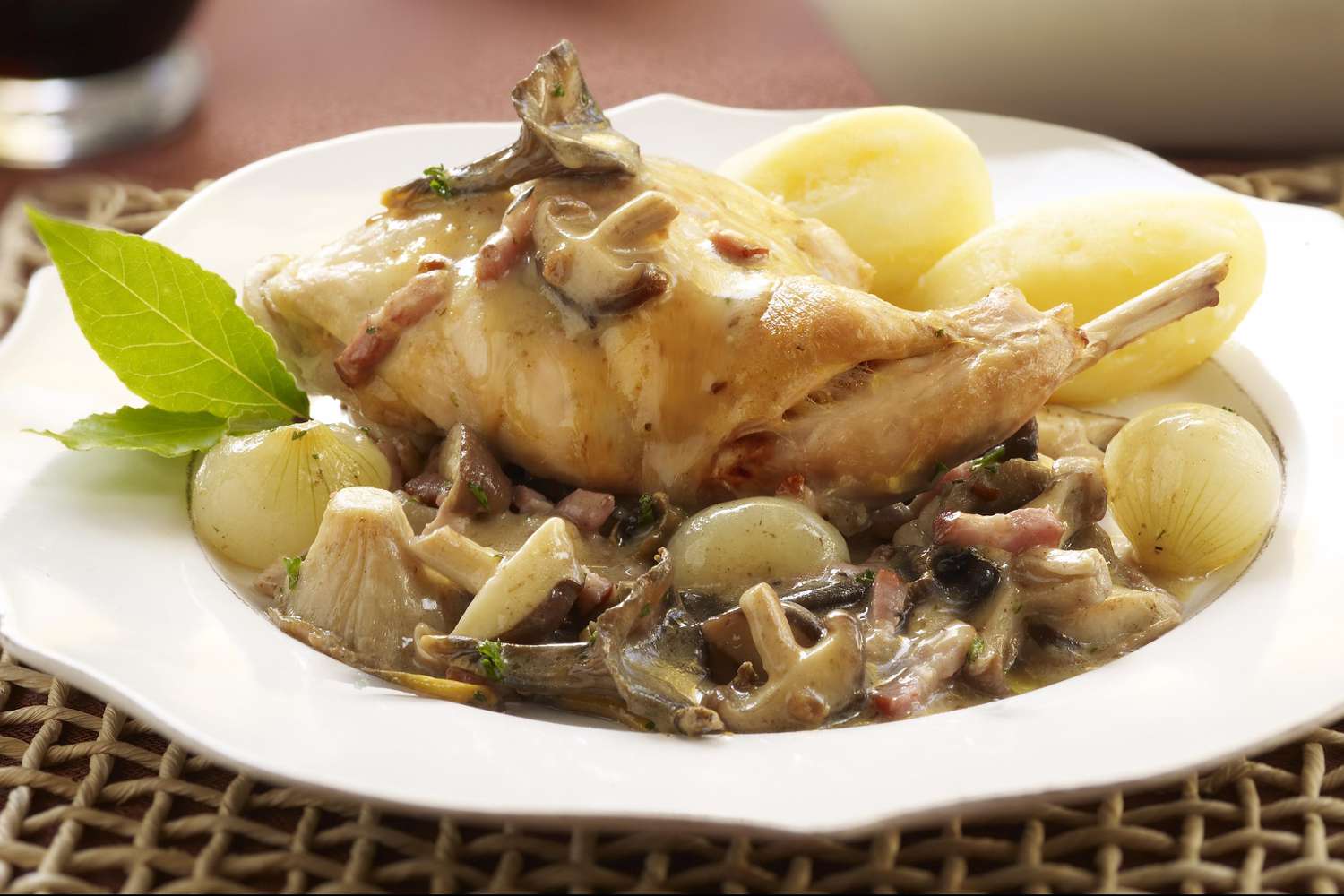
Rabbit fricassee with bacon is the kind of old-school comfort food that makes a quiet dinner feel like a tiny countryside holiday. It is creamy without being heavy, rustic without being sloppy, and elegant without demanding that you speak fluent French or own a copper pot polished by your great-grandmother. The magic is simple: lean rabbit is gently browned, bacon lends smoky richness, mushrooms and onions bring earthy sweetness, and a white wine cream sauce ties everything together like a very delicious peace treaty.
If you have never cooked rabbit before, this is one of the best ways to start. Rabbit meat is mild, tender when treated kindly, and naturally lean. That leanness is exactly why bacon is not just a fun extra here; it is a strategic move. Bacon adds fat, salt, smoke, and depth, helping the rabbit stay moist while the sauce develops body. In other words, bacon walks in wearing sunglasses and saves the day.
This rabbit fricassee recipe uses classic braising logic: brown first, simmer gently, finish with cream, and never rush the pot. Serve it with mashed potatoes, buttered egg noodles, rice, polenta, or crusty bread. The sauce deserves a landing pad, and your plate deserves to be cleaned with dignity.
What Is Rabbit Fricassee?
A fricassee is a cooking method that sits somewhere between sautéing and stewing. Pieces of meat are cooked in fat, then simmered in a flavorful liquid until tender. The final sauce is often pale, silky, and creamy, especially in French-inspired versions. Chicken fricassee is more common in American home kitchens, but rabbit is a traditional and especially satisfying choice because it loves gentle heat and moisture.
In this version, bacon creates the first layer of flavor. The rabbit is browned in the rendered bacon fat, which builds a savory base in the pot. White wine loosens the browned bits, chicken stock provides body, herbs add perfume, and cream turns the braising liquid into a sauce worth discussing at the table. Mushrooms and pearl onions make the dish feel complete, giving every bite a mix of tender meat, smoky bacon, and creamy vegetables.
Why Bacon Works So Well With Rabbit
Rabbit is a lean protein, which means it can dry out if blasted with high heat or cooked without enough fat. Bacon solves that problem beautifully. As it renders, it leaves behind flavorful fat for browning the rabbit and sautéing the aromatics. The crisp bacon pieces can be folded back into the sauce near the end, giving the finished dish little pops of smoke and salt.
Think of bacon as the bass line in this recipe. You may notice the rabbit, mushrooms, wine, and cream first, but the bacon keeps the whole song moving. Use thick-cut bacon, slab bacon, or pancetta if you prefer a slightly less smoky flavor. Avoid very sweet maple bacon unless you want the sauce to lean sweeter.
Rabbit Fricassee With Bacon Recipe
Recipe Overview
- Prep time: 25 minutes
- Cook time: 1 hour 10 minutes
- Total time: About 1 hour 35 minutes
- Servings: 4
- Best served with: Mashed potatoes, egg noodles, rice, polenta, or crusty bread
Ingredients
- 1 whole rabbit, about 2 1/2 to 3 pounds, cut into serving pieces
- 6 ounces thick-cut bacon or slab bacon, diced
- 1 1/2 teaspoons kosher salt, plus more to taste
- 1 teaspoon freshly ground black pepper
- 1/2 cup all-purpose flour, for dredging
- 1 tablespoon olive oil, if needed
- 2 tablespoons unsalted butter
- 8 ounces cremini or button mushrooms, halved or sliced
- 12 pearl onions, peeled, or 1 medium yellow onion, chopped
- 2 medium carrots, sliced into coins
- 2 celery ribs, finely chopped
- 3 garlic cloves, minced
- 1 cup dry white wine
- 2 cups low-sodium chicken stock
- 2 sprigs fresh thyme
- 1 bay leaf
- 1/2 cup heavy cream or crème fraîche
- 1 tablespoon Dijon mustard
- 1 teaspoon fresh lemon juice, plus more if needed
- 2 tablespoons chopped fresh parsley
Step 1: Prepare the Rabbit
Pat the rabbit pieces dry with paper towels. Moisture is the enemy of browning, and browning is the beginning of flavor. Season the rabbit with kosher salt and black pepper. Place the flour in a shallow dish, dredge each piece lightly, and shake off the excess. You want a thin dusting, not a winter coat.
Step 2: Render the Bacon
Place the diced bacon in a large Dutch oven or heavy-bottomed braising pan over medium heat. Cook until the fat renders and the bacon turns crisp around the edges, about 6 to 8 minutes. Use a slotted spoon to transfer the bacon to a plate, leaving the fat in the pot.
Step 3: Brown the Rabbit
Increase the heat to medium-high. Add a little olive oil if the pot looks dry. Brown the rabbit pieces in batches, turning them carefully so each side gets light golden color. Do not crowd the pot, or the rabbit will steam instead of brown. Transfer the browned rabbit to a plate.
Step 4: Cook the Vegetables
Lower the heat to medium. Add the butter, mushrooms, onions, carrots, and celery. Cook for 7 to 9 minutes, stirring occasionally, until the mushrooms release their moisture and the onions begin to soften. Add the garlic and cook for 30 seconds, just until fragrant. Garlic is talented, but it burns faster than gossip in a small town.
Step 5: Deglaze With Wine
Pour in the white wine and scrape the bottom of the pot with a wooden spoon. Those browned bits are concentrated flavor, not kitchen debris. Let the wine simmer for 3 to 4 minutes, reducing slightly and softening its sharp edge.
Step 6: Braise Gently
Add the chicken stock, thyme, and bay leaf. Return the rabbit to the pot, nestling the pieces among the vegetables. The liquid should come about halfway up the rabbit pieces; add a splash more stock if needed. Bring the mixture to a gentle simmer, then cover and reduce the heat to low.
Simmer for 40 to 55 minutes, turning the rabbit pieces once or twice, until the meat is tender and cooked through. Rabbit should reach an internal temperature of 160 degrees Fahrenheit for safety. Use a meat thermometer near the thickest part of the meat without touching bone.
Step 7: Finish the Cream Sauce
Transfer the rabbit pieces to a warm plate. Remove the thyme stems and bay leaf. Stir the cream and Dijon mustard into the pot. Simmer uncovered for 5 to 8 minutes, until the sauce lightly thickens. Return the bacon and rabbit to the pot and warm everything gently for a few minutes.
Step 8: Brighten and Serve
Add the lemon juice and parsley. Taste the sauce and adjust with more salt, pepper, or lemon juice. The final flavor should be creamy, savory, lightly smoky, and just bright enough that the sauce does not feel heavy.
Tips for the Best Rabbit Fricassee
Use Gentle Heat
Rabbit does not enjoy being bullied. A low simmer keeps the meat tender and prevents the sauce from reducing too aggressively. If the pot is bubbling like a cartoon volcano, turn the heat down.
Choose the Right Pan
A Dutch oven is ideal because it holds heat evenly and gives you enough room to brown the rabbit properly. A deep stainless-steel sauté pan with a lid also works. Avoid thin pans, which can scorch the cream sauce.
Do Not Skip the Browning
While some traditional fricassee methods use very light browning, this bacon rabbit fricassee benefits from a little color. Browning the flour-dusted rabbit in bacon fat adds flavor and helps the sauce thicken naturally.
Add Cream at the End
Cream can split if boiled hard for too long. Stir it in after the rabbit is tender and simmer gently. Crème fraîche is especially forgiving and gives the sauce a subtle tang, but heavy cream works beautifully too.
Ingredient Substitutions and Variations
If you cannot find a whole rabbit, use rabbit legs. They are excellent for braising and easier to manage. If pearl onions are not available, chopped yellow onion is perfectly fine. For mushrooms, cremini bring a deeper flavor than white button mushrooms, but both work. Wild mushrooms can make the dish more dramatic, which is lovely if you want dinner to enter the room wearing a velvet cape.
For a richer sauce, replace 1/2 cup of the chicken stock with mushroom soaking liquid from dried porcini mushrooms. For a more rustic flavor, add a handful of diced pancetta instead of smoked bacon. For a slightly tangier finish, use crème fraîche and an extra teaspoon of Dijon mustard.
If you prefer not to use wine, replace it with additional chicken stock plus 1 tablespoon of white wine vinegar or lemon juice. The wine adds acidity and complexity, so the small amount of vinegar helps keep the sauce balanced.
What to Serve With Rabbit Fricassee With Bacon
The sauce is the star’s very persuasive manager, so serve this dish with something that can soak it up. Mashed potatoes are the classic comfort choice. Buttered egg noodles make the meal feel cozy and weeknight-friendly. Rice keeps things simple, while creamy polenta adds a soft, elegant base.
For vegetables, try roasted carrots, green beans, braised cabbage, or a crisp green salad with a mustard vinaigrette. The salad’s acidity helps balance the cream and bacon. A dry white wine such as Chardonnay, Sauvignon Blanc, or Pinot Gris pairs nicely, while a light red like Pinot Noir can also work if you prefer red wine with dinner.
Storage and Reheating
Store leftover rabbit fricassee in an airtight container in the refrigerator for up to 3 days. The flavor often improves overnight as the bacon, herbs, mushrooms, and wine settle into the sauce. Reheat gently on the stovetop over low heat, adding a splash of chicken stock or cream if the sauce has thickened too much.
Avoid boiling leftovers, because high heat can toughen the rabbit and cause the cream sauce to separate. If freezing, freeze the rabbit and sauce before adding cream when possible. Cream-based sauces can become grainy after thawing, though they are still safe and tasty when reheated carefully.
Common Mistakes to Avoid
Cooking Rabbit Too Fast
Rabbit needs patience. High heat may seem efficient, but it can make lean meat dry. Keep the simmer gentle and steady.
Using Too Much Flour
A light coating helps brown the meat and thicken the sauce. Too much flour can make the sauce pasty. Shake off the excess before browning.
Adding Cream Too Early
Cream should be added after the braise, not at the beginning. This keeps the sauce smooth and prevents curdling.
Forgetting Acid
Cream, bacon, and rabbit are rich together. A little lemon juice at the end wakes everything up. It is the culinary equivalent of opening a window in a cozy room.
Why This Recipe Works
This rabbit fricassee with bacon recipe works because every step has a purpose. The flour-dusted rabbit browns in bacon fat, creating flavor and a light thickening base. The vegetables build sweetness and earthiness. White wine adds acidity, chicken stock adds body, and slow simmering keeps the rabbit tender. Cream finishes the sauce without overwhelming the meat.
The best part is that the recipe tastes more complicated than it is. It has the comfort of a stew, the polish of a French classic, and the smoky charm of bacon. It is the sort of dish that makes guests ask what restaurant you secretly ordered from, which is when you casually point to the Dutch oven and pretend you are humble.
Personal Cooking Experience: What It Feels Like to Make Rabbit Fricassee With Bacon
The first experience of making rabbit fricassee with bacon is usually a mix of curiosity and mild intimidation. Rabbit is not as common on American dinner tables as chicken or beef, so opening the package can feel like stepping into unfamiliar culinary territory. But once the bacon starts sizzling, the recipe becomes instantly friendly. The smell of rendered bacon fat, butter, mushrooms, and onions has a way of convincing even nervous cooks that everything is going to be just fine.
One of the most enjoyable parts of this dish is the pace. It is not a frantic recipe. There is no last-minute tossing, no delicate pastry, no sauce that collapses if you blink aggressively. Rabbit fricassee rewards steady cooking. You brown the meat, stir the vegetables, pour in wine, and let the pot do its quiet work. The kitchen begins to smell like a small French inn that somehow has excellent bacon and no judgment about second helpings.
A good lesson from cooking rabbit is that tenderness comes from restraint. Many cooks are used to cranking up the heat to move dinner along, but rabbit teaches patience. When the simmer is gentle, the meat becomes delicate and flavorful. When the heat is too high, it tightens. This makes rabbit fricassee a helpful recipe for learning the deeper rhythm of braising: heat, moisture, time, and respect for the ingredient.
The sauce is another memorable part of the experience. At first, the pot may look humble: browned rabbit, softened vegetables, stock, and herbs. Then the cream and Dijon go in, and suddenly the sauce becomes glossy, aromatic, and deeply comforting. The bacon returns near the end, and the whole dish snaps into focus. That final squeeze of lemon juice may seem small, but it changes the sauce from merely rich to balanced and lively.
Serving rabbit fricassee is also satisfying because it feels special without being fussy. Spoon it over mashed potatoes and it becomes pure comfort food. Serve it with buttered noodles and it feels like Sunday supper. Pair it with crusty bread and a simple green salad, and it becomes the kind of meal people remember. The dish encourages slow eating, sauce-mopping, and the kind of dinner conversation that lasts longer than expected.
If you are cooking rabbit for guests, the best approach is confidence. Do not introduce it with nervous disclaimers. Say, “I made rabbit fricassee with bacon,” place the dish on the table, and let the aroma handle public relations. Most people who are unsure about rabbit discover that it tastes mild, savory, and familiar, especially when wrapped in the flavors of bacon, mushrooms, wine, and cream.
The final experience is the leftover test. Rabbit fricassee often tastes even better the next day, when the sauce has had time to deepen. Reheated gently, it becomes a luxurious lunch or a second dinner that feels like a reward for having cooked wisely the day before. That is the quiet beauty of this recipe: it is practical, elegant, cozy, and just unusual enough to make dinner feel like an occasion.
Conclusion
Rabbit fricassee with bacon is a beautiful example of how classic cooking turns simple ingredients into something memorable. Lean rabbit becomes tender through gentle braising, bacon adds smoky richness, mushrooms and onions bring earthy sweetness, and the creamy white wine sauce ties everything together. It is not a difficult recipe, but it does ask for patience, a good pot, and a willingness to let bacon do what bacon does best.
Whether you are trying rabbit for the first time or returning to a traditional favorite, this recipe delivers comfort with character. Serve it with mashed potatoes, noodles, rice, or bread, and do not be surprised if the sauce disappears before the meat does.