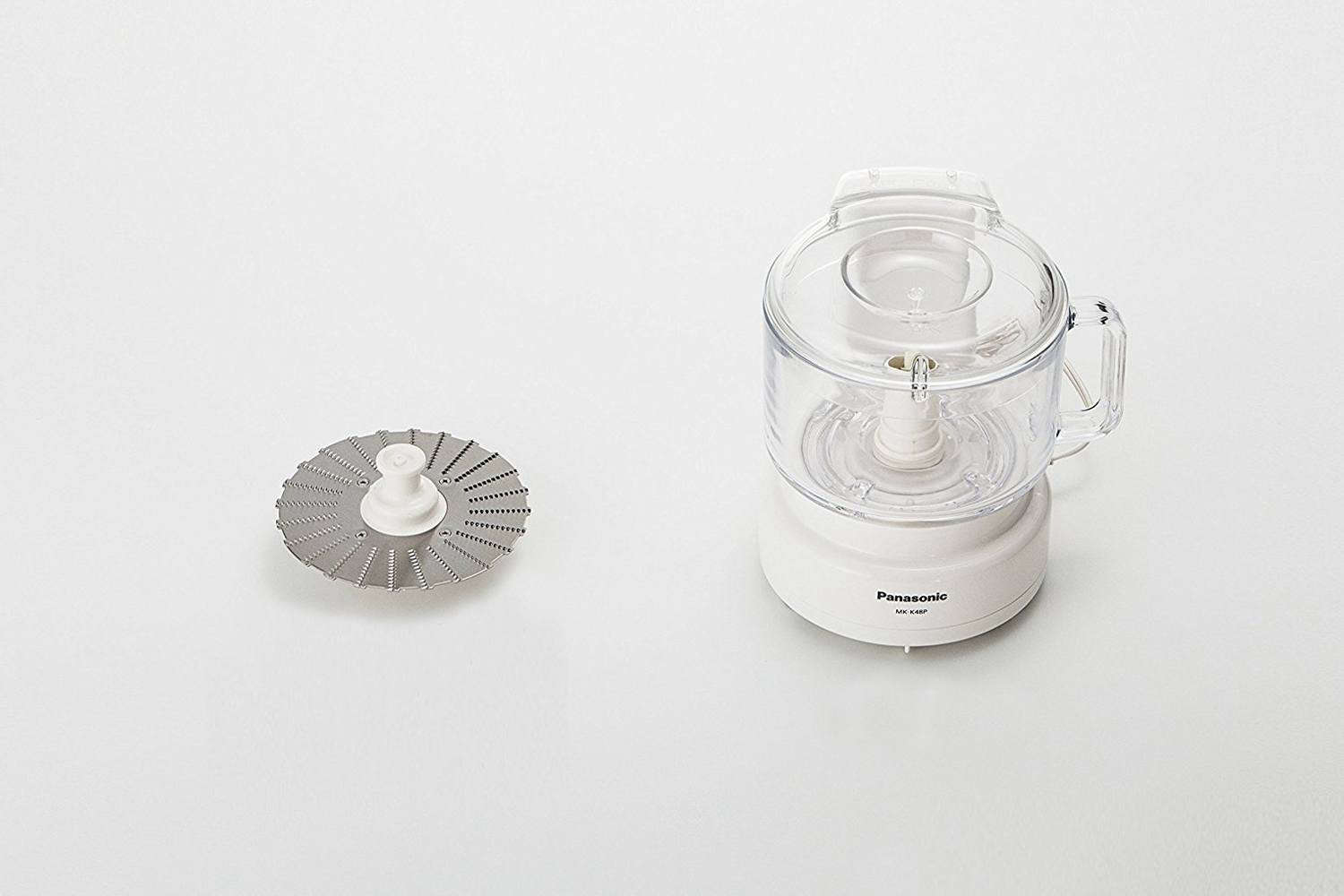
A white food processor has a funny way of making a kitchen look calmer, cleaner, and more organizedeven when the sink is quietly hosting last night’s “quick dinner” evidence. The Panasonic Food Processor White search usually points shoppers toward compact Panasonic models such as the MK-K48P-W, as well as newer Panasonic food processor designs that emphasize easy chopping, slicing, shredding, mixing, and neat storage. In other words, it is not just a pretty countertop appliance. It is the kitchen helper that says, “Please stop crying over onions. I’ve got this.”
Panasonic has long been known for practical home appliances, and its food processors follow that same philosophy: simple controls, useful blades, compact bodies, and enough versatility to make weeknight cooking less dramatic. Whether you want to chop onions for tacos, shred carrots for slaw, mince meat for homemade patties, or whip up dips for a party where everyone mysteriously gathers in the kitchen, a Panasonic food processor can turn repetitive prep work into a much shorter story.
What Is the Panasonic Food Processor White?
The phrase Panasonic Food Processor White most commonly refers to the Panasonic MK-K48P-W, a white compact food processor listed with a 120-watt motor, stainless steel blade, safety features, and dimensions of about 8.86 inches deep, 6.06 inches wide, and 7.48 inches high. It is a smaller, tidy-looking machine designed for everyday chopping and mixing rather than massive restaurant-style batches.
Panasonic’s newer food processor lineup also includes models such as the MK-F511, which is commonly sold in a darker finish but is useful for comparison because it shows the brand’s current design direction: larger capacity, multiple dishwasher-safe attachments, pulse control, lid locking, and a compact vertical footprint. The MK-F511 is described as an 800-watt max food processor with a 10-cup bowl and five attachments for shredding, whipping, slicing, chopping, and more.
So, when shoppers search for “Panasonic Food Processor White,” they are often looking for one of three things: a specific white Panasonic model, a clean-looking compact food processor, or a reliable appliance that can do more than a basic mini chopper without taking over the entire counter like a stainless-steel spaceship.
Why the White Finish Still Matters
Color is not everything in a kitchen appliance, but let’s not pretend it means nothing. A white food processor blends easily with bright kitchens, minimalist spaces, farmhouse counters, and small apartments where every visible appliance has to behave aesthetically. A white Panasonic food processor can look lighter and less bulky than darker machines, especially when stored on a small counter.
For many home cooks, the best appliance is the one they actually leave out and use. If a food processor is too heavy, too loud-looking, or too awkward to store, it slowly becomes a “cabinet fossil.” A white compact Panasonic model has an advantage here because it can sit quietly on the counter without shouting, “I process food professionally and have strong opinions about pesto.”
Key Features to Look For
Compact Size
A compact processor is ideal for everyday tasks such as chopping garlic, onions, herbs, nuts, cooked vegetables, and small portions of meat. The MK-K48P-W’s small footprint makes it appealing for apartment kitchens, dorm-style cooking setups, RV kitchens, or anyone who has exactly seven square inches of counter space and a dream.
Stainless Steel Blade
A sharp stainless steel blade is the heart of a food processor. It handles chopping, mincing, mixing, and puréeing. For best results, ingredients should be cut into reasonably even chunks before processing. Tossing in a whole onion and hoping for culinary magic may work occasionally, but the processor will perform better if you give it a fighting chance.
Safety Lock or Stopper Feature
Panasonic food processors are commonly designed with safety in mind. Locking lids, safety stoppers, and secure bowls help prevent the machine from running unless everything is properly assembled. This is important because food processor blades are not decorative. They are tiny kitchen ninjas.
Pulse Control
Pulse control is one of the most important features in any food processor. It gives you texture control. A few pulses can create chunky salsa. Too many pulses can create tomato soup with an identity crisis. Pulse mode is especially useful for onions, herbs, nuts, breadcrumbs, and vegetables that can quickly go from “finely chopped” to “baby food audition.”
Easy Cleaning
Food processors are only as useful as they are washable. Removable bowls, lids, and blades make cleanup easier. Some Panasonic models include dishwasher-safe attachments, although users should always check the specific manual for their model. The motor base should never be submerged in water; wipe it with a damp cloth and let it live its best dry life.
What Can You Make With a Panasonic Food Processor White?
A compact Panasonic food processor is surprisingly versatile. It may not replace every appliance in the kitchen, but it can handle many prep jobs that normally require a cutting board, knife, grater, patience, and possibly a small emotional support snack.
Chopped Vegetables
Use it for onions, carrots, celery, bell peppers, mushrooms, cabbage, or cauliflower. The trick is to pulse in short bursts. This helps keep the pieces even and avoids turning vegetables watery.
Dips and Spreads
Hummus, bean dip, olive tapenade, spinach dip, and herb spreads are all friendly food processor tasks. A processor’s wider bowl makes it better than a blender for thicker mixtures that do not contain much liquid.
Breadcrumbs and Crumbs
Old bread, crackers, cookies, and cereal can become crumbs in seconds. This is useful for meatballs, breaded chicken, cheesecake crusts, casserole toppings, and emergency “I forgot to buy breadcrumbs” moments.
Ground or Minced Meat
Some Panasonic processors can mince meat when the meat is properly chilled and cut into small cubes. This is helpful for homemade dumpling filling, patties, meatballs, or meat sauces. Do not overload the bowl; small batches create better texture.
Baby Food and Soft Purées
Cooked carrots, peas, pumpkin, apples, and sweet potatoes can be processed into soft purées. Parents should still follow safe feeding guidance and age-appropriate texture recommendations, but a compact food processor can make small fresh batches easier.
Sauces, Pesto, and Marinades
Basil pesto, cilantro sauce, peanut sauce, curry paste, garlic marinade, and chimichurri are all excellent processor projects. The machine saves time and keeps your cutting board from smelling like garlic until next Tuesday.
Panasonic Food Processor White vs. Larger Food Processors
The biggest question is not “Is bigger better?” It is “What do you actually cook?” A compact white Panasonic food processor is great for small and medium prep tasks. It is easy to move, easy to store, and less intimidating for quick cooking.
Larger food processors, such as 10-cup, 12-cup, 14-cup, or 16-cup models, are better for big-batch cooking, dough, large shredding jobs, and meal prep for families. They usually include more discs and accessories. The tradeoff is storage space. A large food processor can be extremely useful, but it also occupies the counter with the confidence of a small microwave.
If you cook for one or two people, make dips, chop herbs, mince vegetables, and prep small meals, a compact Panasonic white food processor makes sense. If you batch-cook for a family, shred pounds of vegetables, make pie dough often, or host big gatherings, a larger Panasonic model or another full-size food processor may be a better match.
Food Processor vs. Blender: Do You Need Both?
A food processor and a blender are cousins, not twins. A blender is best for liquid-heavy recipes such as smoothies, soups, and drinkable sauces. A food processor is better for dry or thick ingredients because it has a wider bowl and sharper chopping action.
Use a blender for a silky smoothie. Use a food processor for salsa, pesto, shredded vegetables, minced meat, dough, nut crumbs, and chunky spreads. If your recipe needs liquid to move smoothly, the blender is usually happier. If your recipe needs chopping, slicing, grinding, or mixing without much liquid, the food processor is ready to clock in.
How to Use a Panasonic Food Processor for Better Results
Cut Ingredients First
Even a good processor works better when ingredients are cut into smaller, similar-sized pieces. This gives the blade a fair chance to create even results.
Use Pulse Instead of Holding the Button Forever
Short pulses give you control. Continuous processing is better for smooth purées, but it can quickly over-process vegetables, herbs, and nuts.
Do Not Overfill the Bowl
Overfilling leads to uneven chopping. The food at the bottom gets pulverized while the food on top enjoys a relaxing spa day untouched by blades. Work in batches when needed.
Scrape the Bowl
Stop occasionally and scrape down the sides with a spatula. This helps sauces, dips, and pastes blend evenly.
Chill Meat Before Mincing
Cold meat cuts more cleanly. Soft, warm meat can smear instead of chop. For best texture, chill the meat and blade briefly before processing.
Cleaning and Maintenance Tips
Always unplug the processor before cleaning or changing blades. Remove the blade carefully and wash it with a brush or sponge, keeping fingers away from the sharp edge. Wash the bowl and lid with warm soapy water unless your model specifically allows dishwasher cleaning.
Wipe the motor base with a damp cloth. Never soak it. If food gets stuck around the controls or base seam, use a slightly damp cloth or soft brush. Dry all parts fully before storage to prevent odors and water spots.
Store the blade safely. If attachments fit inside the bowl, place them securely so they do not rattle around or surprise your hand later. Kitchen surprises should be limited to fresh cookies, not hidden blades.
Who Should Buy a Panasonic Food Processor White?
A Panasonic white food processor is a strong choice for home cooks who want a compact, practical, clean-looking appliance for everyday prep. It is especially useful for small kitchens, quick meals, fresh sauces, chopped vegetables, and homemade dips.
It is also a good fit for people who dislike knife work or want consistent results without spending twenty minutes finely chopping onions. If your weekly cooking includes tacos, soups, stir-fries, salads, dumplings, pasta sauces, slaws, veggie patties, or snacks for guests, this type of processor earns its counter space quickly.
However, it may not be the best choice if you regularly make large dough batches, shred huge quantities of vegetables, or need a processor with multiple slicing thicknesses and premium attachments. In that case, a larger full-size food processor is worth considering.
Buying Checklist
Before buying a Panasonic Food Processor White, check the exact model number, voltage, capacity, included accessories, warranty coverage, and whether replacement parts are available. This is especially important for imported white Panasonic models, because some are designed for 100V regions and may not be ideal for standard U.S. 120V outlets without proper compatibility.
Also check whether the bowl material is plastic or glass, whether the attachments are dishwasher-safe, and whether the processor includes the blades you actually need. A beautiful white food processor is nice, but if it cannot do your favorite kitchen task, it becomes a very elegant onion paperweight.
Real Kitchen Experience: Living With a Panasonic Food Processor White
Using a compact white Panasonic food processor feels less like operating a serious machine and more like adding a quiet assistant to the kitchen routine. The first thing many users notice is convenience. Instead of pulling out a cutting board, chef’s knife, box grater, mixing bowl, and half the patience in the household, you can handle small prep jobs in one container.
For weekday cooking, the biggest win is speed. Chopping one onion by hand is not difficult, but chopping onions, carrots, garlic, herbs, and cabbage after work can feel like a cooking show challenge hosted by your own hunger. A food processor shortens that process. A few pulses can prepare vegetables for fried rice, soup base, meatloaf, pasta sauce, or taco filling. The result is not always as perfect as careful knife work, but it is fast, consistent enough, and much better than giving up and ordering fries again.
The white finish also has a subtle emotional benefit. It looks clean and friendly on the counter. Some appliances look like they belong in a laboratory. A white Panasonic food processor looks more at home next to a rice cooker, coffee maker, or fruit bowl. In a small kitchen, that matters. If an appliance looks pleasant enough to leave out, you are more likely to use it.
Another practical experience is learning restraint. At first, it is tempting to press the button and let the machine run like it owes you money. That usually leads to over-processing. The better habit is pulse, pause, check, and pulse again. With onions, herbs, and nuts, this makes a big difference. The processor rewards patience, which is slightly annoying but very culinary.
Cleaning is usually the part that decides whether an appliance becomes a daily tool or a forgotten cabinet tenant. A compact processor is easier to clean than a large one because the bowl and lid are smaller. Still, the blade deserves respect. Wash it immediately after use, avoid letting sticky mixtures dry, and use a brush instead of fingers around the sharp edges. Peanut sauce is delicious; scraping dried peanut sauce from a blade is character-building in the worst way.
The Panasonic Food Processor White is especially enjoyable for dips and sauces. Hummus becomes smoother, pesto comes together quickly, and garlic-herb marinades taste fresher than bottled versions. For home cooks trying to eat more vegetables, it removes one of the biggest barriers: prep time. Shredded carrots, chopped cabbage, minced mushrooms, and diced aromatics become easier to add to meals.
There are limits. A compact unit is not the right tool for enormous batches. If you try to cram too much into the bowl, the bottom turns mushy while the top stays chunky. The fix is simple: process in smaller batches. It takes an extra minute but gives better results.
Overall, the everyday experience is practical, tidy, and surprisingly motivating. A Panasonic white food processor will not cook dinner by itself, sadly, because technology continues to ignore our deepest wishes. But it can make the boring prep steps faster, cleaner, and more manageable. For many kitchens, that is exactly the difference between “I should cook” and “I actually cooked.”
Conclusion
The Panasonic Food Processor White is best understood as a compact, clean-looking kitchen helper for everyday chopping, mixing, mincing, and sauce-making. It is not always the largest or most feature-loaded food processor on the market, but that is part of its charm. For small kitchens, quick meals, and cooks who value simple controls, safe design, and easy storage, it can be a smart and stylish choice.
Before buying, confirm the exact Panasonic model, voltage, capacity, attachments, and cleaning instructions. If the appliance matches your cooking habits, it can save time, reduce prep mess, and make fresh meals feel far less like a kitchen obstacle course.