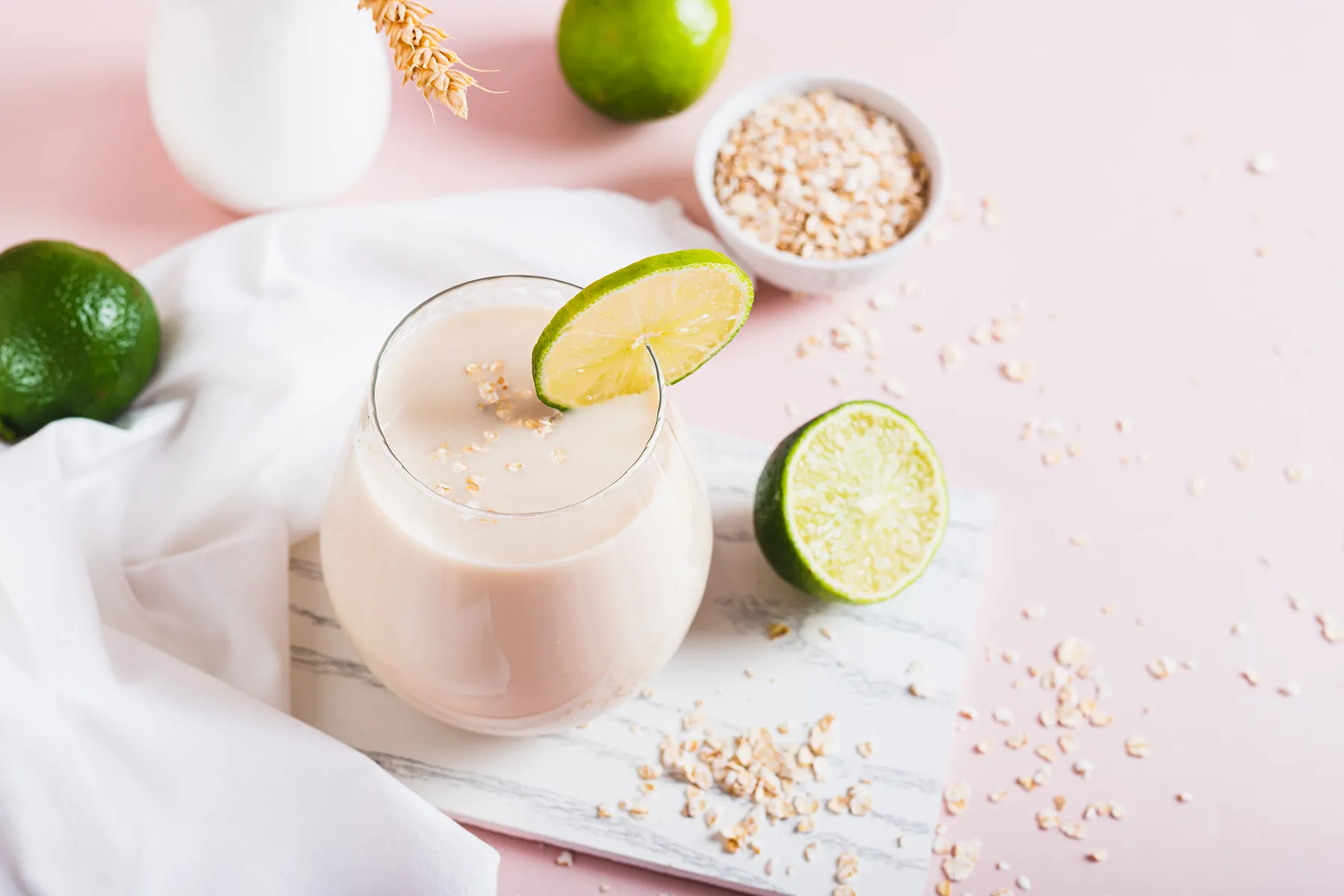
The internet has a special talent for taking a normal food, giving it a dramatic nickname, and making everyone wonder if breakfast just got a publicist. Enter the Oatzempic diet, also known as oatmeal Ozempic weight loss: a viral drink made from oats, water, and usually lime juice, promoted online as a budget-friendly way to feel full and lose weight.
The name is catchy, no doubt. “Oatzempic” sounds like a tiny superhero in a cardigan fighting snack cravings before lunch. But it is important to be clear from the start: Oatzempic is not Ozempic. It is not a medication, not a prescription treatment, and not a magic liquid that politely escorts body fat out the door. What it can be is a fiber-rich oat drink that may help some people feel fuller, especially when used as part of a balanced eating pattern.
This guide breaks down what the Oatzempic drink is, why oats can support weight management, what the science actually says, how to make the trend safer and more balanced, and why “lose 40 pounds in two months” is the kind of claim that deserves a raised eyebrow and maybe a second eyebrow for backup.
What Is the Oatzempic Diet?
The Oatzempic diet is a social media trend built around a simple drink. Most versions blend rolled oats with water and lime juice. Some people add cinnamon, ice, or a little sweetener. The drink is usually consumed in the morning, sometimes as a breakfast replacement.
A common viral recipe looks like this:
- 1/2 cup rolled oats
- 1 cup water
- Juice from 1/2 lime
- Optional cinnamon
- Ice, blended until smooth
The reason people connect this oat drink to Ozempic is appetite. Ozempic is a prescription medication containing semaglutide, a GLP-1 receptor agonist used for type 2 diabetes. Wegovy, another semaglutide medication, is approved for chronic weight management in certain patients. These medications work through biological pathways that affect blood sugar regulation, digestion, and appetite signaling. Oats do not do that in the same medical way.
So why the comparison? Oats contain soluble fiber, especially a type called beta-glucan. This fiber absorbs water and forms a gel-like texture in the digestive system. That can slow digestion, support steadier blood sugar responses, and help some people feel satisfied longer. That is useful. But it is not a pharmaceutical effect, and it should not be marketed as one.
Does Oatzempic Work for Weight Loss?
The honest answer is: it depends on what it replaces and how it fits into your overall diet.
If someone normally eats a high-calorie breakfast and replaces it with a modest oat drink, they may reduce total calorie intake. That could support gradual weight loss over time. But if someone simply adds the drink on top of their usual meals and snacks, the scale may not move. Oats are nutritious, but they are not tiny edible accountants automatically balancing the calorie budget.
Weight loss generally happens when the body uses more energy than it takes in over time. Fiber-rich foods like oats can help because they make meals more filling. However, a single drink cannot override the rest of the day. A morning Oatzempic drink followed by a giant lunch, sugary coffee, late-night chips, and “just one” cookie that becomes six cookies is not a strategy. It is breakfast with a plot twist.
Why Oats May Help With Fullness
Oats are naturally rich in carbohydrates, fiber, and several important nutrients. The star player is beta-glucan, a soluble fiber associated with heart health and improved cholesterol markers. Soluble fiber slows digestion and may help reduce sharp blood sugar spikes after eating.
Fullness matters for weight management because hunger is one of the biggest reasons diets fail. A breakfast that keeps a person satisfied can reduce grazing, vending-machine negotiations, and the emotional tragedy of eating lunch at 10:17 a.m.
Still, oats work best when they are part of a meal that includes protein and healthy fat. A plain oat-water-lime drink may be filling for a short time, but it can also be low in protein. Protein helps preserve lean muscle, supports satiety, and makes meals feel more complete. That is why a bowl of oatmeal with Greek yogurt, nuts, seeds, berries, or milk is often more balanced than the basic viral drink.
Oatzempic vs. Ozempic: The Big Difference
The similarity is mostly the name. The difference is everything else.
Ozempic is a prescription medication used for adults with type 2 diabetes. It contains semaglutide and should only be used under medical supervision. Wegovy is also semaglutide and is approved for weight management in certain patients. These drugs affect GLP-1 receptors and can change appetite, digestion, and blood sugar regulation.
Oatzempic, meanwhile, is blended oats. It contains fiber, carbohydrates, and small amounts of vitamins and minerals. It may help with fullness, but it does not mimic semaglutide in a clinical sense. Comparing the two is like comparing a bicycle bell to a car engine because both make noise. Technically connected? Sure. Practically the same? Absolutely not.
Potential Benefits of the Oatzempic Drink
The Oatzempic drink is not magic, but it is not nonsense either. Oats are a legitimate whole grain, and eating more whole grains can be a smart nutrition move.
1. It Adds Soluble Fiber
Most people do not eat enough fiber. Oats can help close that gap. Soluble fiber supports digestion, gut health, cholesterol management, and a more satisfying meal pattern. If the Oatzempic trend gets someone to choose oats instead of a low-nutrient breakfast, that is a win.
2. It May Support Heart Health
Oat beta-glucan has been studied for its cholesterol-lowering effect. Regular oat intake as part of a diet low in saturated fat can support heart-friendly eating. This does not mean one glass of oat water cancels out a weekend of cheeseburger enthusiasm, but it can be one helpful habit.
3. It Is Affordable and Easy
Rolled oats are inexpensive, widely available, and shelf-stable. You do not need a celebrity kitchen, a $900 blender, or an imported spoon blessed by a wellness influencer. For many households, oats are one of the most budget-friendly whole grains around.
4. It Can Replace Less Filling Breakfasts
If the drink replaces a sugary pastry or a breakfast that leaves someone hungry quickly, it may help reduce cravings later. The key word is “may.” Personal results depend on portion size, total intake, activity level, sleep, stress, health conditions, and consistency.
Possible Downsides and Safety Concerns
Even wholesome foods can become problematic when wrapped in extreme promises. The biggest issue with the Oatzempic diet is not oats. It is the idea that a simple drink should be used as a crash-diet tool.
It Can Be Too Low in Protein
The basic oat-water-lime drink is not a complete meal for many people. It may lack enough protein and healthy fat to keep energy steady. A better approach is to pair oats with protein-rich foods such as Greek yogurt, milk, soy milk, cottage cheese, eggs, or nuts and seeds.
It May Cause Digestive Discomfort
Increasing fiber too quickly can cause gas, bloating, or stomach discomfort. The digestive system appreciates fiber, but it also appreciates not being ambushed. Start with smaller portions, drink enough water, and give your body time to adjust.
It Can Encourage Unrealistic Weight Loss Goals
Some viral posts claim dramatic weight loss in a short period. Rapid weight loss can be difficult to maintain and may increase the risk of nutrient gaps, fatigue, muscle loss, and weight regain. Sustainable weight management usually works better when changes are steady, realistic, and not powered by panic.
It Is Not Right for Everyone
People with diabetes, digestive disorders, food allergies, eating disorder history, pregnancy, breastfeeding, or medical conditions should speak with a healthcare professional before making major diet changes. Teens and growing children should not follow weight-loss trends without guidance from a parent or healthcare provider. Growth, energy, mood, and nutrition matter more than chasing a viral number on a scale.
How to Make Oatzempic More Balanced
If you are curious about the trend, the better goal is not to “hack” weight loss. The better goal is to turn oats into a satisfying breakfast or snack that fits into a healthy routine.
Balanced Oatzempic Smoothie Idea
Try this upgraded version:
- 1/3 to 1/2 cup rolled oats
- 1 cup milk, soy milk, or unsweetened dairy alternative
- 1/2 banana or 1/2 cup berries
- 1 tablespoon chia seeds or ground flaxseed
- 1/2 cup Greek yogurt or a protein-rich alternative
- Cinnamon and ice
- A squeeze of lime, if you like the tangy flavor
This version keeps the oat fiber but adds protein, flavor, and more nutrition. It also tastes less like a dare and more like breakfast.
Better Oatmeal Options
Not everyone wants to drink oats, and that is fine. Oats are very flexible. You can make:
- Classic oatmeal with berries and walnuts
- Overnight oats with yogurt and chia seeds
- Steel-cut oats with cinnamon and apple
- Savory oats with egg, spinach, and avocado
- Oat smoothies with fruit and protein
For weight management, the best oat meal is the one you enjoy enough to repeat. Consistency beats novelty. Social media trends sparkle for a week; habits quietly do the heavy lifting.
What a Realistic Oatzempic Weight Loss Plan Looks Like
A realistic plan does not depend on one drink. It uses oats as one part of a larger routine. That routine may include balanced meals, regular physical activity, enough sleep, hydration, and attention to stress. Very glamorous? Not always. Effective? Much more likely.
Here is a practical example of a balanced day that includes oats:
- Breakfast: Oatmeal with Greek yogurt, blueberries, cinnamon, and walnuts.
- Lunch: Grilled chicken or tofu salad with beans, vegetables, olive oil dressing, and whole grain bread.
- Snack: Apple slices with peanut butter or cottage cheese with fruit.
- Dinner: Salmon, turkey, lentils, or tempeh with roasted vegetables and brown rice.
- Movement: A walk, bike ride, strength workout, sport, or any activity you can do consistently.
This approach supports fullness without turning breakfast into a punishment. It also avoids the common trap of eating too little early in the day, getting ravenous later, and then discovering that the pantry has been “mysteriously investigated.”
Who Should Avoid the Oatzempic Trend?
The basic ingredients are simple, but the trend may not be suitable for everyone. Avoid using Oatzempic as a meal replacement if you are under medical care for diabetes, have a history of disordered eating, are pregnant, are breastfeeding, have digestive conditions, or are still growing. If you take medications that affect blood sugar, appetite, digestion, or weight, ask a clinician before making major diet changes.
Also avoid the trend if it makes you feel anxious, guilty, or obsessed with food. A healthy eating pattern should support your life, not become your unpaid part-time job.
Common Myths About the Oatzempic Diet
Myth 1: Oatzempic Works Like Ozempic
No. Oatzempic is a fiber-containing drink. Ozempic is a prescription drug. Oats may support fullness, but they do not reproduce the clinical effects of semaglutide.
Myth 2: You Can Lose 40 Pounds in Two Months Safely
Some people may lose weight quickly under specific medical circumstances, but viral promises are not personal medical advice. For most people, extreme weight-loss claims are unrealistic and may be unsafe.
Myth 3: Drinking Oats Is Better Than Eating Oats
Not necessarily. A bowl of oatmeal can be more satisfying because chewing, warmth, toppings, protein, and texture all help make a meal feel complete. Drinking oats is convenient, but it is not automatically superior.
Myth 4: Lime Juice Burns Fat
Lime juice adds flavor and vitamin C, but it does not melt fat. If lime juice burned fat, grocery stores would need security guards in the citrus aisle.
500-Word Experience Section: What Trying the Oatzempic Diet Can Feel Like
For many people, the first experience with the Oatzempic diet starts with curiosity. You see the drink online, notice the simple ingredient list, and think, “Well, I already have oats, water, and a lime that has been judging me from the fridge.” The recipe feels approachable because it does not require complicated cooking. You blend it, pour it into a glass, and suddenly you are participating in a health trend without buying a subscription box or learning the word “adaptogen.”
The first sip can be surprising. If you expect a milkshake, you may be disappointed. Basic Oatzempic tastes earthy, tangy, and slightly thick. Some people enjoy the clean, simple flavor. Others immediately decide that cinnamon, fruit, or yogurt deserves a promotion. Texture matters too. Blended oats can feel smooth or slightly gritty depending on the blender and type of oats. Letting the mixture sit for a few minutes makes it thicker, which can help with fullness but may also turn it into something closer to spoon territory.
In the first few days, some people notice they feel fuller in the morning, especially if they previously skipped breakfast or ate something low in fiber. That fullness can make it easier to avoid random snacking before lunch. Others feel hungry again quickly because the drink is low in protein. This is where the experience becomes personal. A plain oat drink might work as a light snack, but as a full breakfast, many people do better by adding Greek yogurt, milk, protein powder approved by a healthcare professional, nut butter, chia seeds, or fruit.
Digestion is another common part of the experience. Oats are fiber-rich, and fiber is wonderful, but the body may need time to adjust. Someone who usually eats very little fiber might feel bloated at first. Drinking more water and starting with a smaller serving can help. The goal is not to shock the digestive system into submission. Your stomach is an organ, not a customer complaint department.
After a week or two, the biggest lesson is usually this: Oatzempic is only as helpful as the routine around it. People who use it as a doorway into better breakfasts, more fiber, more protein, and more mindful eating may feel positive changes. People who expect the drink to do all the work may feel frustrated. It can support better habits, but it cannot replace sleep, balanced meals, movement, or realistic expectations.
The best experience is not dramatic. It is practical. Maybe you discover that oats keep you full. Maybe you learn that drinking breakfast is not your thing, but overnight oats are fantastic. Maybe the trend reminds you that simple foods can be powerful when used wisely. That is the real win: not turning oatmeal into Ozempic, but turning a viral moment into a sustainable habit that actually fits your life.
Final Verdict: Is Oatzempic Worth Trying?
The Oatzempic diet is not a miracle weight-loss solution, but oats can absolutely be part of a healthy eating plan. The drink may help some people feel full, especially when it replaces a less nutritious breakfast. However, it should not be compared to Ozempic or Wegovy, and it should not be used as an extreme meal-replacement plan.
For the best results, think of Oatzempic as a starting point, not a shortcut. Add protein. Include fruit. Use healthy fats. Keep meals balanced. Move your body in ways you enjoy. And please remember: if a diet trend promises effortless, dramatic weight loss, it is probably wearing tap shoes and selling tickets.
Oats are good. Fiber is helpful. Balanced eating works. The rest is marketing with a blender.