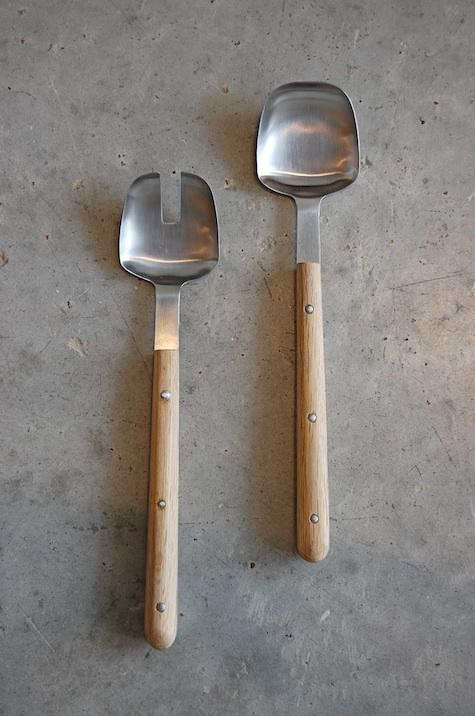
There are kitchen tools that quietly do their job, and then there are kitchen tools that make a bowl of arugula feel like it has been invited to a very nice dinner party. Oak and stainless salad servers belong firmly in the second category. They combine the warmth of natural wood with the sleek practicality of stainless steel, creating a serving set that looks at home beside a rustic wooden bowl, a crisp white platter, or a table that is trying its best to look “effortlessly curated.”
Whether you are serving a simple green salad on a Tuesday night or a dramatic pasta salad at a backyard cookout, the right salad servers make the task easier, cleaner, and considerably less awkward than using two oversized forks from the drawer. Oak and stainless salad servers are designed to grip, scoop, lift, and toss without turning dinner into a leafy escape room.
Why Oak and Stainless Steel Make Such a Good Pair
Oak and stainless steel may sound like the culinary equivalent of a cabin marrying a spaceship, but the combination works surprisingly well. Oak brings natural texture, visual warmth, and a comfortable grip. Stainless steel adds strength, smooth surfaces, and easy serving performance. Together, they create salad utensils that feel substantial without looking heavy.
Oak has a distinctive grain that gives every handle a slightly different appearance. That means a pair of oak-handled salad servers usually feels less factory-perfect and more like a small piece of functional tableware. No two handles look exactly alike, which is good news for anyone who appreciates character and bad news for anyone trying to make every object in the kitchen look like it was printed by a robot.
The stainless steel serving ends do the more demanding work. They handle slippery greens, pasta ribbons, roasted vegetables, grain salads, fruit salads, and the occasional suspiciously large crouton. A sturdy stainless spoon-and-fork combination can lift a generous portion without bending, wobbling, or making guests chase their dinner around the bowl.
What to Look for When Buying Oak & Stainless Salad Servers
Choose Comfortable Handle Length
Length matters more than it seems. Salad servers that are too short can disappear into a deep serving bowl, while oversized servers may feel clumsy in a small bowl of lunch salad. For most households, servers around 10 to 12 inches long strike a practical balance. They provide enough reach for a large bowl while remaining easy to control.
Longer handles are especially useful when serving from deep wooden bowls, oversized ceramic serving dishes, or buffet-style platters. They also help keep fingers away from dressing, which is a small but meaningful victory for anyone wearing a nice shirt.
Pay Attention to the Serving Heads
A good salad server set usually includes a broad spoon and a matching fork or slotted spoon. The spoon supports heavier ingredients such as roasted squash, pasta, beans, or potato salad. The fork side helps grip leafy greens, cucumber slices, and delicate herbs without crushing everything into a sad pile.
Look for serving heads with gently curved edges and enough depth to hold food. Very flat servers may look minimalist and fashionable, but they can struggle with a hearty chopped salad. If your salad includes grains, cheese cubes, grilled chicken, avocado, and three types of vegetables, shallow servers may surrender before you do.
Check the Connection Between Wood and Metal
The joint where the oak handle meets the stainless steel head deserves a close look. A seamless, secure connection helps prevent looseness over time. The metal should feel firmly anchored, with no rattling, gaps, or visible wobble when you gently test the server.
Well-made hybrid salad servers often use stainless steel sections that extend into the handle, creating a stronger internal structure. This type of construction helps the utensil stay balanced and reduces the risk of the head loosening after repeated use.
Consider the Finish on the Oak
Some oak handles have a natural oil finish, while others are sealed or lacquered. An oil-finished handle often has a more organic look and may develop a richer patina over time. A sealed handle can be easier to wipe clean and may resist staining better. Neither choice is automatically superior; it depends on whether you enjoy maintaining natural wood or prefer a lower-maintenance finish.
For everyday use, choose a finish that feels smooth but not slippery. For entertaining, choose one that complements the rest of your serving pieces. A pale oak handle works beautifully with Scandinavian-inspired table settings, while darker oak can feel more traditional and dramatic.
Oak & Stainless Salad Servers Are More Versatile Than They Sound
Despite the name, salad servers are not limited to lettuce. Calling them “salad servers” is a little like calling a tote bag a “grocery bag.” Technically true, but wildly incomplete.
Use them to serve:
- Pasta salad with tomatoes, mozzarella, basil, and vinaigrette
- Roasted vegetable platters with zucchini, peppers, and mushrooms
- Grain bowls with quinoa, couscous, or farro
- Fruit salad at brunch or summer gatherings
- Potato salad, coleslaw, or bean salad at a barbecue
- Mixed greens alongside grilled chicken, salmon, or steak
- Popcorn, snack mixes, or chips during movie night
The oak handles make these servers feel relaxed enough for everyday meals, while the stainless steel ends keep them polished enough for holiday tables and dinner parties. They are essentially the kitchen equivalent of someone who owns both hiking boots and a blazer.
How to Style Oak & Stainless Salad Servers on the Table
One of the best things about oak and stainless salad servers is that they work with more than one design style. They can soften a modern table setting, sharpen up a rustic one, and make a casual dinner look intentional without requiring a centerpiece that costs more than the entrée.
For a Modern Table
Pair oak-handled servers with white stoneware, clear glass bowls, neutral linen napkins, and brushed-metal flatware. The natural wood keeps the look from becoming too cold, while the stainless steel adds just enough shine to feel polished.
For a Rustic or Farmhouse Table
Use a large wood bowl, woven placemats, ceramic dinnerware, and a simple linen runner. Oak handles blend naturally into this setting, while stainless steel keeps the arrangement from feeling overly heavy or overly themed. The goal is “relaxed countryside dinner,” not “I live inside a decorative barn catalog.”
For Outdoor Dining
Oak and stainless salad servers are excellent for patio dinners, picnics, and cookouts. They look great beside grilled vegetables, corn on the cob, pasta salad, and chilled fruit. Just avoid leaving them outdoors overnight, especially in damp conditions. Wood enjoys fresh air; it does not enjoy becoming part of the weather.
How to Care for Oak & Stainless Salad Servers
Hybrid utensils need slightly more care than all-metal serving tools, but the routine is simple. The stainless steel end is durable and easy to clean, while the oak handle benefits from gentle treatment. Think of it as a low-maintenance relationship: a little attention goes a long way.
Hand-Wash Instead of Using the Dishwasher
In most cases, hand-washing is the safest choice for oak and stainless salad servers. Hot dishwasher cycles, long soaking periods, and harsh detergents can dry out wood, weaken finishes, or cause handles to crack or warp over time.
Wash the servers with warm water, mild dish soap, and a soft sponge. Clean both the stainless steel head and the wood handle, then rinse thoroughly. Do not leave the servers soaking in a sink, especially if the wooden handles are unfinished or lightly oiled.
Dry Them Promptly
After washing, dry the servers with a clean towel and let them finish air-drying before storing. Avoid placing damp wood-handled utensils directly into a crowded drawer. Trapped moisture is not a friend to oak, and a drawer full of damp utensils is basically a tiny humid vacation resort no one requested.
Condition the Oak When It Looks Dry
If the wood starts to look faded, rough, or thirsty, apply a small amount of food-safe mineral oil or a food-safe wood conditioner. Rub it in with a soft cloth, allow it to absorb, then wipe away any excess. This helps maintain the appearance of the wood and can reduce the likelihood of drying or cracking.
Avoid using cooking oils such as olive oil or vegetable oil for conditioning. Those oils can become sticky or develop odors over time. Your salad servers should smell like oak, not like a forgotten cabinet above the stove.
Handle Stains and Water Spots Gently
For light water spots on the stainless steel, a soft cloth and mild dish soap are often enough. For stubborn marks, use a cleaner recommended for stainless steel and keep it away from the oak handle. For the wood portion, use a barely damp cloth rather than a harsh scrubber.
Common Mistakes to Avoid
The most common mistake is treating oak and stainless salad servers like ordinary dishwasher-safe utensils. They may look sturdy, but wood can react poorly to prolonged heat and moisture. Another mistake is storing them while damp, which can dull the finish and make the wood less happy over time.
It is also wise to avoid using these servers in extremely hot cookware. They are designed for serving cool or room-temperature foods, not for stirring bubbling sauces or rescuing vegetables from a cast-iron skillet. Stainless steel can handle heat, but the oak handle may become uncomfortable or damaged.
Finally, do not judge a set only by appearance. A beautiful pair of salad servers should also feel balanced in the hand. If the handles are too thin, too slick, or awkwardly weighted, they may look fantastic in a product photo and then spend the rest of their lives hiding in a drawer behind the garlic press.
Are Oak & Stainless Salad Servers a Good Gift?
Absolutely. A quality set of oak and stainless salad servers makes a practical and attractive gift for weddings, housewarmings, host gifts, birthdays, and holiday gatherings. They are useful enough to avoid becoming clutter, but special enough to feel more thoughtful than another scented candle.
They pair especially well with a large salad bowl, a serving board, cloth napkins, olive oil, vinegar, or a cookbook focused on seasonal cooking. For someone building a first home, they are a small upgrade that makes everyday meals feel more complete.
Experience: Why Oak & Stainless Salad Servers Change the Way a Table Feels
There is a noticeable difference between serving salad with random utensils and serving it with a pair of oak and stainless salad servers that actually belong on the table. It is not a life-changing revelation in the same way as discovering fresh bread or finally buying a mattress that does not feel like a medieval punishment device. But it does make meals feel more settled.
The first time you use a well-balanced pair, you notice the grip. The oak handles feel warmer than all-metal utensils, especially when the salad bowl is chilled from the refrigerator. They sit comfortably in the hand and give you a little more control when lifting greens that have been enthusiastically dressed. Anyone who has tried to serve a slippery salad with one spoon and one fork knows that it can become a minor engineering project.
The stainless steel ends also make a difference. They slide under ingredients more easily than thick wooden salad hands, especially when you are serving a heavier salad with pasta, beans, roasted vegetables, or chunks of grilled chicken. The fork catches leafy pieces, while the spoon supports the rest of the serving. Together, they work like a polite two-person team: one holds the door, and the other carries the groceries.
At casual family dinners, oak and stainless salad servers feel approachable. They do not make the table feel too formal, but they add enough polish that a basic salad suddenly looks intentional. Even a bowl of mixed greens, cucumbers, and bottled dressing looks better when served with tools that feel thoughtfully chosen. It is amazing what a wooden handle can do for a meal’s confidence.
At dinner parties, the servers become part of the visual rhythm of the table. The oak adds texture near ceramic plates, linen napkins, and glassware. The stainless steel catches candlelight or afternoon sun without becoming flashy. They are not trying to steal attention from the food, but they quietly make the whole spread look more complete.
They are also pleasant to use at outdoor gatherings. A large bowl of pasta salad on a patio table, grilled vegetables beside a platter of chicken, and a pair of oak-handled servers resting across the bowl can make a simple cookout feel more welcoming. The materials fit naturally into an outdoor setting without looking too rustic or too precious.
Over time, the oak handle develops a personality of its own. With proper care, the grain can deepen slightly, the surface can become smoother, and the set begins to feel less like a new purchase and more like part of the household. That is the charm of wood: it does not stay perfectly unchanged. It becomes familiar.
In the end, the best kitchen tools are not always the loudest or most complicated. Oak and stainless salad servers do not promise to revolutionize dinner. They simply make serving easier, make the table look better, and remind everyone that even a bowl of salad deserves a little ceremony.
Final Thoughts
Oak and stainless salad servers offer a useful balance of beauty and performance. The oak handles add warmth, comfort, and natural character, while the stainless steel serving ends provide durability and easy handling. Choose a well-balanced pair with secure construction, care for the wood properly, and use them far beyond leafy greens. Before long, they may become one of those small kitchen upgrades you wonder how you lived without.