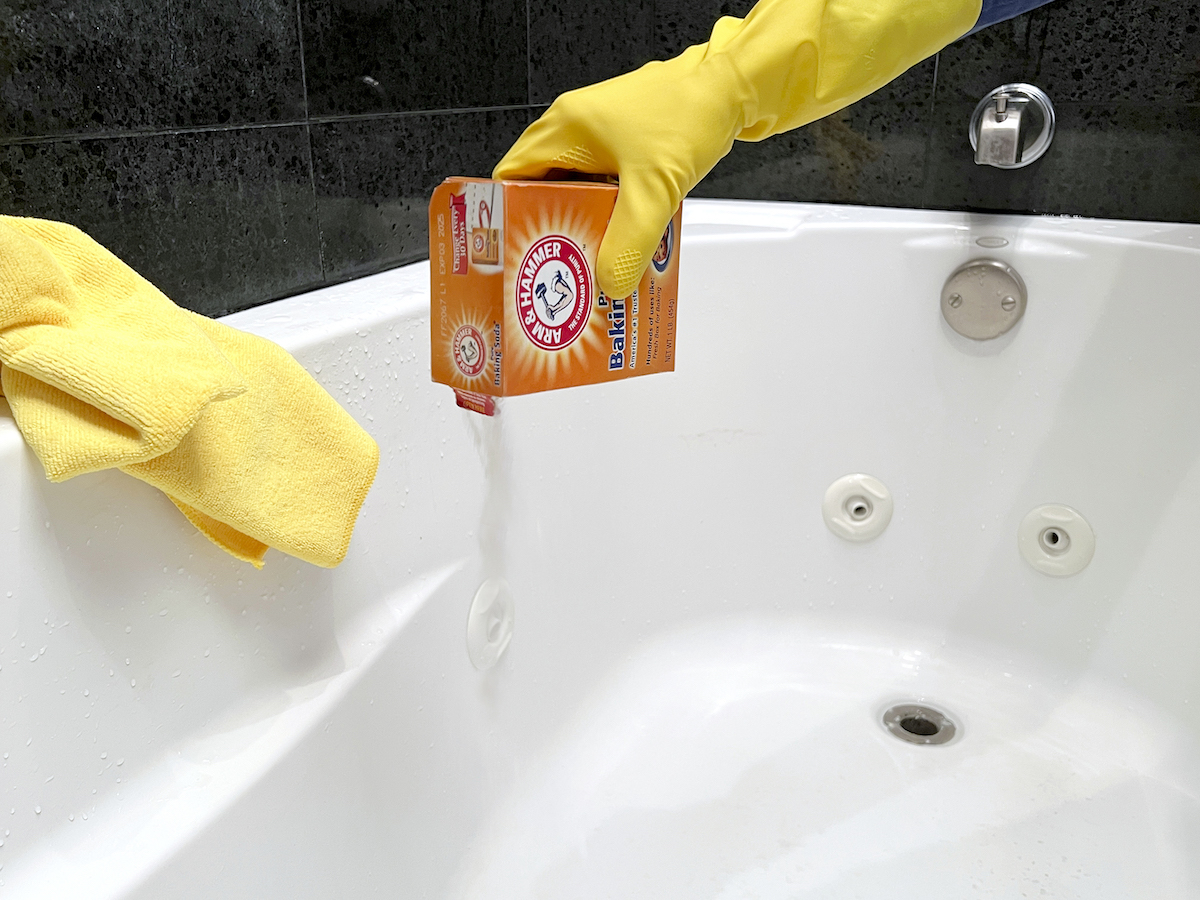
A jetted tub promises spa-level relaxation at home: warm water, bubbling jets, maybe a candle or two, and absolutely no one asking where the clean towels are. But behind those soothing bubbles, soap scum, body oils, mildew, mineral deposits, and mystery gunk can collect inside the jet lines. The good news? Learning how to clean a jetted tub is not difficult. The slightly less glamorous news? You do need to clean the hidden plumbing, not just the shiny bathtub surface.
This guide walks you through the best way to clean bathtub jets, deep clean the tub basin, remove stubborn stains, prevent black flakes, and keep your whirlpool bath fresh without turning your bathroom into a chemistry experiment. With the right routine, your jetted tub can go back to being a relaxing retreat instead of a bubbly swamp with good lighting.
Why Jetted Tubs Get Dirty So Fast
A regular bathtub holds water, soap, and the occasional rubber duck. A jetted tub does all that plus circulates water through hidden pipes, jet housings, intake covers, and air channels. Every time you bathe, tiny amounts of soap, shampoo, skin cells, bath oil, conditioner, minerals, and body soil can move through the system. Some of that residue stays behind when the tub drains.
Over time, that leftover residue can become biofilm, which is a slimy buildup that clings to damp surfaces. Add warm water and poor airflow, and you have a five-star resort for mildew and bacteria. That is why a tub may look clean on the outside but release black specks or brown flakes when the jets turn on. Very rude behavior from a bathtub, honestly.
The goal of cleaning a jetted tub is to flush the internal plumbing, loosen residue, clean the jet openings, rinse everything thoroughly, and dry the surfaces so grime has fewer places to party.
Before You Start: Check the Tub Manual
Before adding any cleaner, check the manufacturer’s instructions if you have them. Whirlpool tubs, air tubs, and combination systems may have different care requirements. Some brands allow diluted bleach, while others recommend vinegar, dishwasher detergent, or a specific jetted tub cleaner. Acrylic tubs also need gentle treatment because abrasive pads and harsh powders can scratch the finish.
If the manual has vanished into the same dimension as missing socks, look up the model number online or start with a mild cleaning method. When in doubt, avoid aggressive cleaners, avoid scouring pads, and test any solution on a small hidden area first.
Important Safety Rules
- Never mix bleach and vinegar. Together, they can create dangerous fumes.
- Use only low-sudsing automatic dishwasher detergent, not regular dish soap.
- Open a window or turn on the bathroom fan when cleaning.
- Wear gloves if using bleach, hydrogen peroxide, or a commercial cleaner.
- Do not use abrasive scrubbers on acrylic, fiberglass, or glossy tub surfaces.
What You Need to Clean a Jetted Tub
You do not need a cleaning cart worthy of a hotel housekeeping department. Most jetted tub cleaning can be done with basic household supplies.
- Microfiber cloths
- Old toothbrush or soft detailing brush
- Distilled white vinegar
- Low-sudsing automatic dishwasher detergent
- Baking soda
- Hydrogen peroxide for stains
- Measuring cup and tablespoon
- Rubber gloves
- Optional: manufacturer-approved jetted tub cleaner
- Optional: household bleach, only if your tub manual allows it
How to Clean a Jetted Tub Step by Step
Step 1: Remove Loose Debris
Start by removing hair, lint, bath toys, soap pieces, and anything else sitting in the tub. Wipe the basin with a damp microfiber cloth. Pay attention to the waterline, the drain, faucet base, and around the jet covers. This quick wipe keeps loose grime from circulating through the system during the cleaning cycle.
Step 2: Flush the Jets With Plain Water
Fill the tub with cool or lukewarm water until the jets are covered by at least two inches. Turn on the jets and let them run for 10 minutes. This first flush loosens trapped debris before you add any cleaning ingredients. Drain the tub completely.
This step is especially useful if the tub has not been used in a while. If you just moved into a house with a jetted tub, do not skip it. The tub may look innocent, but the plumbing may be holding a tiny historical archive of previous baths.
Step 3: Fill the Tub With Hot Water
Next, fill the tub again with hot water, covering the highest jets by two to three inches. Hot water helps soften soap scum, body oil, and greasy residue inside the lines. If your tub has adjustable air controls, close them unless the manufacturer says otherwise. Closing the air intake usually pushes more cleaning solution through the water lines instead of mixing in extra air.
Step 4: Add the Cleaning Solution
For a common homemade jetted tub cleaner, add two tablespoons of low-sudsing automatic dishwasher detergent and two cups of distilled white vinegar to the hot water. The dishwasher detergent helps break down oily residue, while vinegar helps tackle mineral deposits and soap film.
If your manufacturer recommends bleach for deep cleaning, use the amount listed in the manual and do not add vinegar. Bleach can be useful for disinfecting certain systems, but it is not appropriate for every tub. Again: bleach and vinegar are not friends. Do not introduce them. They will not get along.
Step 5: Run the Jets for 10 to 15 Minutes
Turn the jets on high and let the cleaning solution circulate for 10 to 15 minutes. You may see flakes, foam, or cloudy water appear. That is residue leaving the plumbing. It is gross, yes, but also deeply satisfying in the way only cleaning projects can be.
If your tub has visible grime around the jets, pause halfway through and gently scrub around each jet opening with a toothbrush. Do not force removable parts unless the manual says they are designed to come off.
Step 6: Drain and Wipe the Tub
Turn off the jets and drain the water. Wipe the basin, jets, drain area, and waterline with a microfiber cloth. Use a soft brush around crevices where residue can cling. If there is a removable intake cover, clean it according to the manufacturer’s instructions.
Step 7: Run a Rinse Cycle
Fill the tub one more time with clean warm or cool water, again covering the jets by at least two inches. Run the jets for 5 to 10 minutes to rinse away any remaining detergent, vinegar, or loosened debris. Drain the tub completely.
Step 8: Dry Everything
Use a clean microfiber towel to dry the tub surface, faucet, jet openings, and controls. Drying matters because standing water encourages mineral spots, mildew, and musty smells. A dry tub is a cleaner tub, and also less likely to look like it lost a fight with hard water.
How to Remove Stains From a Jetted Tub
Even after the jet system is clean, the tub basin may have stains from soap scum, bath oils, hard water, rust, or old product residue. The safest stain remover for many tubs is a gentle paste made from baking soda and hydrogen peroxide.
Mix baking soda with enough hydrogen peroxide to form a spreadable paste. Apply it to the stained area and let it sit for about 10 minutes. Wipe with a damp microfiber cloth, then rinse well. For stubborn areas around the drain or jet trim, use a soft toothbrush. Avoid steel wool, abrasive powders, and rough scrub pads, especially on acrylic or fiberglass.
For hard water spots, a vinegar and water spray may help, but do not use vinegar on natural stone surrounds such as marble, travertine, or limestone. Acidic cleaners can etch stone and leave permanent dull marks. In that case, use a stone-safe bathroom cleaner.
What If Black Flakes Come Out of the Jets?
Black flakes usually mean old biofilm, mold, mildew, or degraded residue is breaking loose from the internal plumbing. If you see flakes after one cleaning cycle, repeat the hot water and cleaner cycle until the rinse water runs clear. For a neglected tub, two or three cycles may be necessary.
If flakes continue after repeated cleaning, check the manual for removable jet covers or call a plumber or tub service professional. Persistent debris may indicate buildup deep in the lines, deteriorating gaskets, or parts that need service.
How Often Should You Clean a Jetted Tub?
How often you clean a jetted tub depends on how often you use it. If you use it several times a week, flush the jets with clean water after each use and do a deeper cleaning every two to four weeks. If you use it occasionally, clean it at least once a month and always clean it before using it after a long break.
A tub in a guest bathroom may sit unused for months, which sounds harmless but can allow stagnant water and residue to linger in the lines. Before guests arrive, run a cleaning cycle. Nothing says “welcome to our home” quite like a tub that does not release swamp confetti.
Simple Maintenance Schedule
- After each bath: Drain, refill above the jets with clean water, run jets for 5 minutes, drain again.
- Weekly or biweekly: Wipe the tub surface, clean around jets, and rinse the system if used often.
- Monthly: Run a full cleaning cycle with approved cleaner.
- Twice a year: Do a more thorough deep clean, including jet covers and intake areas if accessible.
Common Mistakes to Avoid
Using Too Much Soap
Regular dish soap creates lots of bubbles. In a jetted tub, that can turn your bathroom into a sitcom scene. Use low-sudsing automatic dishwasher detergent instead. It cleans oily residue without launching a foam invasion.
Skipping the Rinse Cycle
If you drain after the cleaning cycle and stop there, cleaner can remain inside the plumbing. Always run a plain-water rinse cycle. It is the difference between “fresh spa bath” and “vinegar soup with jets.”
Cleaning Only the Tub Surface
The basin may shine, but the hidden pipes are the real issue. A jetted tub must be flushed from the inside. Surface cleaning alone will not remove residue inside the jet lines.
Using Abrasive Scrubbers
Many tubs are acrylic or fiberglass, which can scratch easily. Once scratched, the surface traps dirt faster. Use microfiber cloths, soft sponges, and gentle brushes.
Ignoring Bath Product Residue
Bubble bath, bath oils, bath bombs, heavy conditioners, and oily soaps may smell wonderful, but they can leave residue in the plumbing. If you love these products, clean the jets more often.
Can You Use Bleach to Clean Bathtub Jets?
Sometimes, yesbut only if your manufacturer allows it. Some whirlpool bath manuals recommend diluted household bleach with low-foaming dishwasher detergent for periodic deep cleaning. Other tubs warn against bleach because it may damage seals, gaskets, finishes, or internal components.
If bleach is approved, measure carefully, ventilate the room, wear gloves, and rinse the system thoroughly afterward. Never combine bleach with vinegar, ammonia, hydrogen peroxide, or other cleaners. When a safer mild routine works, there is no need to bring out the heavy-duty stuff every time.
Can You Use Commercial Jetted Tub Cleaner?
Yes. Commercial jetted tub cleaners are designed to break down biofilm, soap residue, and oily buildup inside tub plumbing. They can be helpful for tubs that produce stubborn flakes or have not been cleaned in a long time. Follow the product label exactly, including water level, amount of cleaner, run time, and rinse instructions.
A commercial cleaner is not always necessary for routine maintenance, but it can be a smart choice for a rental property, newly purchased home, or any tub with a mysterious past. Every old jetted tub has a story. Some stories should be flushed twice.
Experience-Based Tips for Cleaning a Jetted Tub
In real life, cleaning a jetted tub is less about one magical ingredient and more about patience. The first cleaning cycle often looks dramatic. You may see dark flakes, gray foam, or oily rings at the waterline. Do not panic. That usually means the cleaning solution is doing its job. The mistake many people make is stopping after the first cycle because the tub “looks better.” The better move is to rinse, refill, and run the jets again until the water stays clear.
One practical trick is to clean the tub when you have enough time to do the whole process without rushing. A proper jetted tub cleaning can involve filling, running, draining, scrubbing, refilling, rinsing, draining again, and drying. It is not difficult, but it is not a two-minute wipe-down either. Think of it as laundry for your bathtub’s hidden plumbing. Not glamorous, but very necessary.
Another experience-based tip: keep a dedicated toothbrush or small grout brush just for the tub jets. Label it if you must. You do not want anyone accidentally using the “jet gunk brush” on anything else. A small brush is perfect for cleaning around the jet trim, drain, overflow plate, faucet base, and textured areas where residue hides. Microfiber cloths work well for the basin, but they cannot reach every little ring and groove.
If your tub is older or has not been cleaned regularly, take photos of the first cleaning cycle. Not for social media, unless you enjoy frightening strangers, but for comparison. After the second or third cleaning, you can see whether the flakes and cloudy water are improving. If nothing changes, that may be a clue that the system needs professional service or that removable parts need to be inspected.
Hard water homes need extra attention. Mineral deposits can form around jets and make them harder to adjust. A vinegar solution can help on many surfaces, but only if it is safe for your tub and surrounding materials. If your bathroom has stone tile or stone trim, keep vinegar away from it. Use a stone-safe cleaner for those areas and wipe overspray immediately.
For families, the biggest maintenance lesson is to be careful with bath products. Kids love bubble bath, adults love bath oils, and everyone loves a colorful bath bomb until the jets start coughing up glittery sludge. If you use foamy or oily products, run a plain-water flush afterward. It takes a few minutes and can save you from a much nastier deep clean later.
Finally, drying the tub is not optional if you want it to stay fresh. A quick towel wipe around the jets, drain, faucet, and waterline prevents spots and slows mildew growth. It is a tiny habit that makes a big difference. Plus, a dry, shiny jetted tub looks inviting, which is the whole point. You bought a spa-like tub, not a science fair project with bubbles.
Final Thoughts: Keep the Bubbles, Lose the Gunk
A clean jetted tub should feel relaxing, not suspicious. By flushing the jets, using the right low-sudsing cleaner, scrubbing around the openings, rinsing thoroughly, and drying the surface, you can remove hidden grime and keep your whirlpool bath fresh. The most important habits are consistency and caution: clean the internal plumbing regularly, avoid harsh scrubbing, never mix chemicals, and follow the manufacturer’s directions whenever possible.
Once the tub is clean, reward yourself with a proper soak. Use fewer oily products, run a quick rinse afterward, and enjoy those jets without wondering what might be lurking behind them. That is the kind of bathroom luxury everyone deservespeace, quiet, and absolutely no black flakes.
Frequently Asked Questions
What is the best way to clean a jetted tub?
The best method is to fill the tub with hot water above the jets, add a low-sudsing automatic dishwasher detergent and an approved cleaner such as vinegar or a commercial jetted tub cleaner, run the jets for 10 to 15 minutes, drain, scrub visible residue, and run a clean-water rinse cycle.
How do I clean bathtub jets naturally?
For many tubs, distilled white vinegar and low-sudsing dishwasher detergent can help clean the jet lines naturally. Always check the manual first, because some manufacturers discourage vinegar in certain systems.
Why does my jetted tub smell bad?
Musty odors usually come from trapped moisture, soap residue, body oils, or biofilm inside the plumbing. A full cleaning cycle followed by a rinse cycle and thorough drying usually solves the problem.
Can I use regular dish soap in a jetted tub?
No. Regular dish soap creates too many suds. Use low-sudsing automatic dishwasher detergent instead, and measure carefully.
How often should I deep clean my jetted tub?
If you use the tub often, deep clean it every month. If you use it occasionally, clean it before use after long breaks and at least several times a year.