Note: This article is original, publication-ready HTML body content written in standard American English and synthesized from reputable culinary knowledge without embedded source links.
Every home cook has a before-and-after ingredient. Before: chicken tasted like a responsible adult’s homework. After: it tasted like dinner had finally discovered jazz. The right pantry staple can make vegetables louder, soups deeper, pasta sauces rounder, and leftovers less like a sad museum exhibit. These are the game-changing ingredients people try once, keep forever, and then casually mention at parties as if they have always been flavor wizards.
The best part? Most of these cooking ingredients are not rare, expensive, or guarded by a dragon in a gourmet grocery store. They are practical flavor boosters: fermented pastes, acids, aromatics, spices, fats, condiments, and baking helpers that transform ordinary meals into the kind of food that makes people ask, “What did you put in this?” Below are 30 ingredients that have earned permanent real estate in many kitchens.
Why One Ingredient Can Change Everything
Great cooking is not only about following recipes. It is about building layers: salt for clarity, acid for brightness, fat for richness, heat for excitement, and umami for that deep savory hum that makes a dish feel complete. A single ingredient can solve what a recipe is missing. Flat soup? Add acid. Bland roasted vegetables? Try miso, chili crisp, or smoked paprika. Boring rice? Sesame oil and furikake-like seasoning energy can perform a small miracle.
Think of these ingredients as your kitchen’s supporting cast. They do not always take the spotlight, but without them, dinner may wander around the stage looking confused.
30 Game-Changing Ingredients Home Cooks Swear By
1. Kosher Salt
Kosher salt is the ingredient that makes other ingredients act like themselves, only more confident. Its coarse texture makes it easier to pinch and control, and it seasons meat, vegetables, pasta water, and sauces more evenly than many fine salts. Once cooks learn to season in layers instead of dumping salt at the end, food starts tasting intentional.
2. MSG
MSG is pure savory sparkle. Used lightly, it boosts umami in soups, stir-fries, roasted vegetables, eggs, and snack mixes. It does not make food taste artificial when used well; it makes food taste more complete. Treat it like a seasoning, not a snowstorm.
3. Miso Paste
Miso is fermented soybean paste with salty, nutty, savory depth. White miso is mellow and slightly sweet; darker miso brings stronger, earthier flavor. Stir it into soup, whisk it into salad dressing, mix it with butter for corn or mushrooms, or add a spoonful to marinades. Miso is what happens when salt gets a graduate degree.
4. Fish Sauce
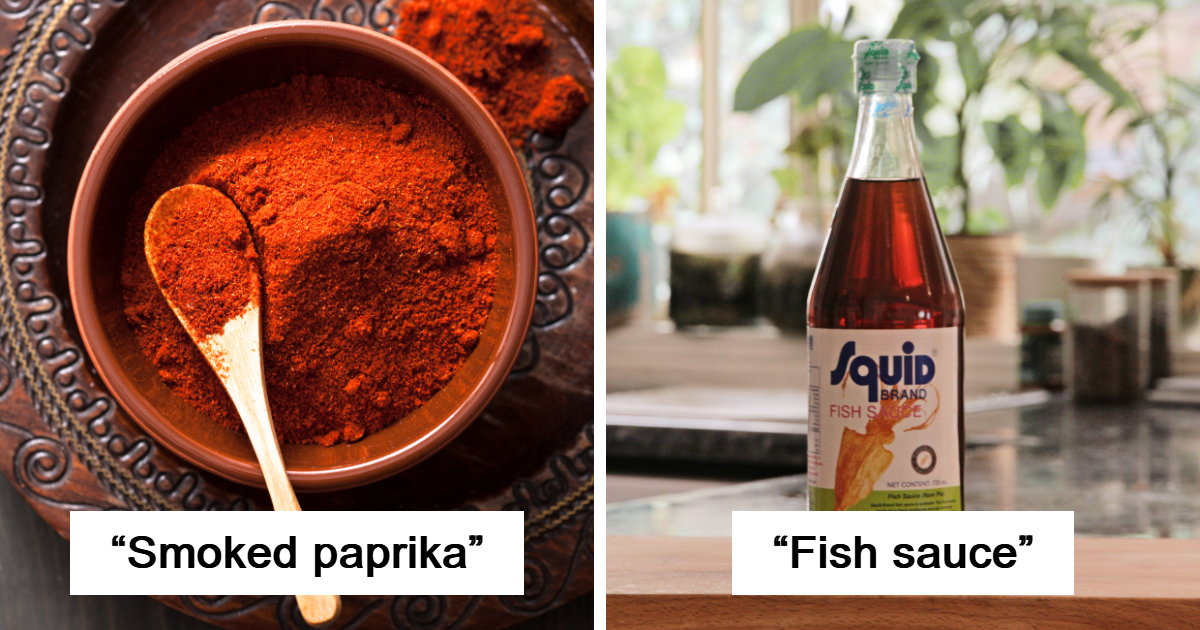
Fish sauce smells bold in the bottle, but in food it becomes deep, savory magic. A few drops can improve soup, chili, marinades, fried rice, tomato sauce, and braised meat. It adds complexity without necessarily making the dish taste fishy. Use a little, taste, then decide whether dinner deserves a second tiny splash.
5. Soy Sauce or Tamari
Soy sauce is salty, savory, and endlessly useful. It works in stir-fries, marinades, salad dressings, soups, roasted mushrooms, and even caramel-like glazes. Tamari offers a slightly richer taste and is often used as a gluten-free option, depending on the brand. Either way, it is liquid seasoning with a passport.
6. Worcestershire Sauce
Worcestershire sauce brings tang, sweetness, salt, spice, and umami in one mysterious brown bottle. It wakes up burgers, meatloaf, stews, gravies, roasted vegetables, and tomato-based sauces. It is especially useful when a dish tastes “almost right” but still needs a little bass guitar in the background.
7. Anchovies
Anchovies melt into hot oil and disappear like tiny culinary spies, leaving behind enormous savory flavor. Add them to pasta sauce, Caesar dressing, roasted lamb, sautéed greens, or garlic oil. Even people who claim they hate anchovies often love what anchovies do when they are not wearing a name tag.
8. Tomato Paste
Tomato paste is concentrated tomato flavor: sweet, acidic, and full of depth. The trick is to cook it in fat until it darkens slightly before adding liquid. This removes raw sharpness and creates a richer base for sauces, soups, stews, beans, and braises. A tube of tomato paste is basically a tiny red flavor engine.
9. Dried Mushrooms
Dried mushrooms, especially porcini or shiitake, deliver earthy umami that fresh mushrooms cannot always match. Soak them, chop them, and add them to risotto, gravy, pasta sauce, ramen, or stew. Do not throw away the soaking liquid; strain it and use it like mushroom stock. That liquid has plans.
10. Parmesan Rinds
A Parmesan rind tossed into soup, beans, or tomato sauce slowly releases salty, nutty flavor. It is the kitchen equivalent of getting one more chapter out of a book you thought was finished. Store rinds in the freezer and drop them into simmering dishes whenever they need extra depth.
11. Gochujang
Gochujang is Korean fermented chile paste with heat, sweetness, salt, and savory depth. It is fantastic in marinades, noodle sauces, glazes, soups, and roasted vegetable dressings. Mix it with honey, soy sauce, garlic, and rice vinegar for a sauce that makes chicken, tofu, or cauliflower suddenly very popular.
12. Chili Crisp
Chili crisp is heat plus texture, which is why people put it on everything from dumplings to eggs to pizza. The crunchy bits, chile oil, garlic, and spices bring excitement to simple foods. A spoonful over rice or noodles can turn “I guess this is dinner” into “Please respect my chef era.”
13. Smoked Paprika
Smoked paprika adds gentle smoke without requiring a grill, a smoker, or an argument with charcoal. It is excellent on potatoes, roasted chickpeas, eggs, soups, chicken, fish, and creamy dips. Sweet smoked paprika adds warmth; hot smoked paprika adds a little attitude.
14. Cumin Seeds
Ground cumin is useful, but toasted cumin seeds are a revelation. Toast them in a dry pan or bloom them in oil to release their warm, earthy aroma. They upgrade beans, rice, roasted carrots, lentils, tacos, curries, and yogurt sauces. Whole spices often taste fresher because they have not already spent months losing personality in a jar.
15. Toasted Sesame Oil
Toasted sesame oil is powerful, nutty, and best used as a finishing ingredient rather than a main cooking oil. Add a few drops to noodles, cucumber salad, fried rice, dumpling sauce, ramen, or sautéed greens. Too much can overwhelm a dish, so think of it as perfume for food: memorable, but not poured by the cup.
16. Fresh Ginger
Fresh ginger adds bright heat and fragrance. It works in stir-fries, soups, marinades, tea, dressings, meatballs, and sweets. Grate it frozen for easy use, or slice it into broths for a cleaner flavor. Ginger gives food a lively kick without needing to shout.
17. Garlic
Garlic is the dependable friend who shows up early and makes everything better. Raw garlic is sharp, sautéed garlic is warm, roasted garlic is sweet, and garlic confit is spreadable luxury. From pasta to vegetables to sauces, garlic is a basic ingredient that never acts basic.
18. Shallots
Shallots sit somewhere between onions and garlic, offering sweetness, fragrance, and elegance. They are excellent in vinaigrettes, pan sauces, omelets, stir-fries, and crispy toppings. Fry them until golden and you have an instant upgrade for soups, salads, rice bowls, and your entire self-esteem.
19. Citrus Zest
Lemon, lime, and orange zest add aroma without extra liquid. Zest can brighten pasta, roasted fish, cookies, salad dressings, grain bowls, and vegetables. Use a microplane and avoid the bitter white pith. Citrus zest is the ingredient that walks into a room and opens all the windows.
20. Rice Vinegar
Rice vinegar is mild, clean, and less harsh than many stronger vinegars. It balances rich foods, sharpens dressings, improves slaws, and makes quick pickles easy. If your dish tastes heavy or dull, a small splash of vinegar may be the missing final sentence.
21. Capers
Capers bring briny, tangy pops of flavor. They shine in pasta, chicken piccata, tuna salad, roasted cauliflower, potato salad, and lemony sauces. Fry them briefly and they become crisp little flavor fireworks. Capers are proof that small jars can have big opinions.
22. Dijon Mustard
Dijon mustard is not just for sandwiches. It emulsifies vinaigrettes, adds sharpness to marinades, strengthens pan sauces, and gives roasted meats or vegetables a savory edge. A teaspoon can make a sauce taste more professional, even if you are cooking in pajama pants.
23. Tahini
Tahini, made from ground sesame seeds, is creamy, nutty, and versatile. Whisk it with lemon juice, garlic, and water for sauce; stir it into brownies for richness; drizzle it over roasted vegetables; or mix it into yogurt. It makes simple food feel plush without needing cream.
24. Coconut Milk
Coconut milk adds body, richness, and gentle sweetness to curries, soups, braises, rice, and desserts. Full-fat coconut milk gives the most luxurious texture. It is especially helpful when you want a creamy dish that also plays well with ginger, lime, chile, and herbs.
25. Peanut Butter
Peanut butter is not only a sandwich spread. It can thicken sauces, add nutty richness to noodles, deepen stews, and create quick dressings with soy sauce, lime, garlic, and chile. Natural peanut butter works especially well in savory cooking because it lets you control the sweetness.
26. Nutritional Yeast
Nutritional yeast has a cheesy, nutty flavor that works on popcorn, pasta, roasted vegetables, soups, and sauces. It is especially useful for plant-based cooking, but it is not only for vegan dishes. Think of it as Parmesan’s cheerful, shelf-stable cousin.
27. Brown Butter
Brown butter is regular butter cooked until its milk solids turn golden and smell nutty. It upgrades cookies, cakes, pasta, fish, vegetables, mashed sweet potatoes, and sauces. Once you learn to brown butter, plain melted butter starts looking like it forgot to finish getting dressed.
28. Vanilla Extract
Good vanilla extract adds warmth and depth to baked goods, but it also enhances chocolate, coffee, fruit, oatmeal, whipped cream, and custards. A small amount can make sweetness taste rounder and more aromatic. Vanilla is quiet, but it knows exactly what it is doing.
29. Maple Syrup or Honey
A little sweetness balances salt, acid, bitterness, and heat. Maple syrup and honey are useful in glazes, vinaigrettes, marinades, roasted carrots, spicy sauces, and yogurt bowls. They should not make savory food taste sugary; they should make the flavors shake hands politely.
30. Fresh Herbs
Fresh herbs add color, aroma, and life. Parsley brightens heavy dishes, cilantro brings freshness, basil loves tomatoes, dill flatters potatoes and fish, mint wakes up grains and salads, and chives make eggs happier. Add delicate herbs near the end so their flavor stays vivid.
How to Use These Flavor Boosters Without Overdoing It
The secret to using powerful ingredients is restraint. Start small, taste often, and remember that many flavor boosters already contain salt, acid, sweetness, or heat. Fish sauce, soy sauce, miso, capers, anchovies, and Worcestershire are salty. Rice vinegar and citrus zest brighten food. Chili crisp, gochujang, ginger, and mustard bring heat or sharpness. Brown butter, tahini, coconut milk, and peanut butter add richness.
A good rule is to ask what the dish is missing. If it tastes flat, try acid. If it tastes thin, try umami. If it tastes harsh, try fat or sweetness. If it tastes boring, try aromatics, herbs, or spice. This is how cooks move from recipe followers to flavor problem-solvers. It is also how a Tuesday dinner stops behaving like a Monday meeting.
Best Ingredient Pairings for Everyday Meals
For Pasta
Tomato paste, anchovies, garlic, Parmesan rind, capers, chili crisp, and brown butter can completely reshape pasta night. Try sautéing garlic and anchovies in olive oil, adding tomato paste, loosening it with pasta water, and finishing with lemon zest. It tastes like you worked harder than you did, which is one of cooking’s finest legal loopholes.
For Rice Bowls
Soy sauce, sesame oil, gochujang, rice vinegar, fresh ginger, chili crisp, and fresh herbs make rice bowls flexible and exciting. Add a protein, a vegetable, and something crunchy. The sauce does the heavy lifting while you accept compliments with suspicious modesty.
For Soups and Stews
Miso, dried mushrooms, Parmesan rinds, tomato paste, Worcestershire sauce, smoked paprika, and coconut milk can make soups taste slow-cooked even when they are weeknight-fast. Add acidic ingredients near the end so the finished bowl tastes alive instead of heavy.
For Vegetables
Vegetables love contrast. Roasted carrots welcome cumin, honey, and rice vinegar. Broccoli loves garlic, chili crisp, and lemon zest. Mushrooms become dramatic with soy sauce, butter, and thyme. Cauliflower happily accepts tahini, smoked paprika, and herbs. Vegetables are not boring; sometimes they are just waiting for better management.
For Baking
Brown butter, vanilla extract, citrus zest, maple syrup, honey, tahini, and a careful pinch of salt can transform desserts. Brown butter makes cookies deeper, tahini adds nutty richness to brownies, and citrus zest keeps cakes from tasting one-dimensional. Baking may be science, but flavor is where the lab coat gets sprinkles.
Kitchen Experiences: The “Never Went Back” Moment
Most people do not fall in love with a game-changing ingredient in a dramatic movie scene. There is no thunderclap when someone first stirs miso into butter. No orchestra swells when a cook adds rice vinegar to a dull slaw. The moment is usually quieter: a spoonful of soup, a bite of roasted potatoes, a noodle pulled from the pan while standing over the stove. Then comes the pause. Then the eyebrows. Then the sacred sentence: “Oh. That is better.”
One common experience is discovering that salt alone cannot do every job. Many new cooks keep adding more salt to a flat dish and wonder why it becomes saltier but not tastier. The real missing piece may be acid, fat, or umami. A splash of vinegar can make bean soup feel fresh. Lemon zest can lift a creamy pasta. Tomato paste cooked in oil can make a quick sauce taste like it spent an afternoon thinking about its future. Learning this is freeing because it turns cooking from guesswork into adjustment.
Another “never went back” experience happens with fermented ingredients. Miso, soy sauce, fish sauce, gochujang, and Worcestershire all have layered flavors because fermentation creates complexity. At first, they may seem too strong. The smell of fish sauce straight from the bottle can make a person question their life choices. But once it disappears into a marinade or stew, the result is not fishiness; it is depth. The dish tastes rounder, fuller, and more restaurant-like. That is when the bottle earns permanent fridge-door status.
There is also a texture awakening. Chili crisp teaches cooks that flavor is not only taste; it is crunch, aroma, oil, and heat arriving together. Fried shallots do the same. Toasted seeds, crispy capers, and browned butter solids create tiny moments of contrast that make simple food memorable. A bowl of rice with a fried egg is fine. A bowl of rice with a fried egg, chili crisp, scallions, and sesame oil is suddenly wearing sunglasses indoors.
The baking version of this experience often begins with brown butter or vanilla. A cookie made with melted butter is pleasant. A cookie made with brown butter has a nutty, toasted flavor that feels deeper and more grown-up. Add good vanilla and a pinch of salt, and the sweetness becomes less flat. These are not complicated changes, but they create the kind of dessert people remember after the plate is empty.
Finally, the biggest experience is confidence. Once cooks understand these ingredients, they stop treating recipes like strict legal documents. They taste, adjust, and improvise. They know when soup needs miso, when salad needs mustard, when roasted vegetables need citrus, and when noodles need a glossy spoonful of peanut sauce. The real game-changer is not just the ingredient itself. It is the realization that better cooking is often one small, smart addition away.
Conclusion
The best game-changing ingredients do not make cooking more complicated. They make it more flexible, flavorful, and fun. A jar of miso, a bottle of fish sauce, a tube of tomato paste, a tin of smoked paprika, or a block of good butter can change how you approach everyday meals. These ingredients help home cooks build depth, brightness, richness, heat, aroma, and texture without needing professional equipment or a culinary school vocabulary.
Start with a few that fit the food you already love. If you cook pasta often, try tomato paste, anchovies, capers, and Parmesan rinds. If you love rice bowls, reach for soy sauce, sesame oil, gochujang, and chili crisp. If baking is your happy place, experiment with brown butter, vanilla, citrus zest, and tahini. The goal is not to own every trendy jar on the shelf. The goal is to build a pantry that makes dinner easier, tastier, and less likely to inspire a backup cereal plan.
Once these ingredients enter your kitchen, you may understand why people say they “never went back.” Better flavor has a way of becoming the new normal.