Lockdown was the only time in modern history when “I forgot what day it is” sounded less like a personal problem and more like a national weather report. One morning, you were a functioning adult with pants, plans, and perhaps a questionable but recognizable routine. A few weeks later, you were negotiating with a bag of flour, attending work meetings from the laundry pile, and wondering whether talking to a houseplant counted as socializing or just networking badly.
That strange emotional soup is exactly why lockdown comics hit so hard. They take the small, ridiculous details of pandemic life and turn them into tiny mirrors: funny enough to make you laugh, honest enough to make that laugh come out a little crooked. “My 27 Comics About Lockdown Struggles That Might Give You A Sad Laugh” is not just a title; it is practically a diagnosis for an era when everyone became the main character in a low-budget tragicomedy filmed entirely in the kitchen.
These comics work because they do not try to explain lockdown from a distance. They sit right beside us on the couch, wearing mismatched socks, eating cereal for dinner, and quietly panicking about a video call that could have been an email. Through awkward humor, visual exaggeration, and painfully relatable moments, lockdown comics capture isolation, anxiety, boredom, overthinking, doomscrolling, remote work, and the slow disappearance of time itself.
Why Lockdown Comics Made Us Laugh When Nothing Felt Funny
Humor has always been one of the most human ways to process fear. During lockdown, laughter became a pressure valve. People were worried about health, money, family, jobs, schooling, loneliness, and the future. At the same time, life became absurd in ways that almost demanded cartoons: people baked bread like medieval villagers, treated grocery delivery slots like concert tickets, and learned that “business casual” could mean a button-down shirt paired with pajama pants.
That is the magic of sad laughter. It does not deny the heaviness of the moment. Instead, it lets us hold the heavy thing without dropping it on our foot. A comic about staring at the same four walls for months is funny because it is exaggerated, but it is sad because it is true. A panel about pretending to be fine on Zoom while emotionally unraveling off-camera is funny because the character looks ridiculous, but it is sad because many people know that exact performance.
Lockdown comics also created a feeling of shared experience. When someone drew a character forgetting how to make small talk, readers could immediately think, “Oh good, it is not just me. My social skills also left the group chat.” That recognition mattered. Isolation makes people feel uniquely broken. Relatable comics remind them they are part of a very large, very tired club.
The Emotional World Behind These 27 Lockdown Struggles
A strong lockdown comic does not need a complicated plot. The plot is usually: person wakes up, tries to be normal, fails in a new and oddly specific way. The humor comes from the gap between what life was supposed to be and what it became. The sadness comes from realizing how much ordinary life had been holding us together.
1. The Calendar Became Decorative
One comic might show a character confidently declaring it is Tuesday, only to discover it is Friday, or possibly March again. During lockdown, time became mushy. Without commutes, lunch breaks, weekend plans, school drop-offs, or regular errands, days lost their edges. The calendar hung on the wall like an optimistic piece of fiction.
2. The Couch Became an Ecosystem
Another comic could show the couch evolving into office, dining room, movie theater, nap station, therapy corner, and emotional bunker. The joke is simple: the couch did not move, but the entire world moved onto it. Many people spent so much time indoors that furniture began to feel less like furniture and more like co-workers with poor boundaries.
3. Zoom Turned Everyone Into a Haunted Portrait
Video calls gave lockdown comics endless material. Frozen faces, accidental mute disasters, pets entering like unpaid interns, children appearing with urgent cracker-related emergencies, and adults nodding as if they understood what “circle back asynchronously” meant. Remote work made people visible and invisible at the same time: present on screen, scattered everywhere else.
4. Sweatpants Won the Culture War
There was a moment when people tried to dress normally. Then elastic waistbands made their persuasive argument. A comic about a character giving a motivational speech while wearing slippers captures a truth of lockdown: professionalism survived, but it was wearing fleece.
5. The Kitchen Became a Research Facility
Lockdown cooking was part survival, part hobby, part cry for help. Sourdough starters were named, fed, abandoned, revived, and sometimes feared. People learned to make banana bread, pasta, dalgona coffee, and elaborate pantry meals while quietly wondering whether three dinners in one evening counted as “meal planning.”
6. Doomscrolling Became a Competitive Sport
One of the saddest comic ideas is also one of the most familiar: a person lying in bed, phone glowing in the dark, promising to check “just one more update.” News, numbers, opinions, warnings, and rumors arrived faster than the nervous system could digest them. The joke is the endless scroll. The ache is the helplessness underneath.
7. Personal Space Became a Luxury Item
For people living with family, roommates, partners, or children, lockdown was not always lonely; sometimes it was aggressively crowded. A comic might show someone trying to meditate in a closet while three people ask where the scissors are. Love remained, but so did irritation. The walls were close, the Wi-Fi was weak, and everyone suddenly had opinions about dishes.
8. Loneliness Became Loud
For people living alone, the silence could become enormous. A comic about a person dressing up to take out the trash because it is the day’s major social event is funny until it is not. Lockdown loneliness was not just missing parties. It was missing casual human contact: a barista’s greeting, a friend’s hug, the background noise of being among strangers.
9. Hobbies Became Personalities
Some people learned languages, made art, lifted weights, gardened, or reorganized every cabinet with the intensity of a tiny home improvement network. Others bought supplies for hobbies they never started. A comic showing unopened craft kits judging their owner from a shelf would be painfully accurate. Lockdown gave many people time, but time is not the same as energy.
10. Productivity Became a Weird Moral Test
Early lockdown culture sometimes suggested everyone should emerge with abs, a novel, and a small business. Comics pushed back beautifully. A character celebrating “I answered one email and watered a plant” deserves applause. In a crisis, survival is not laziness. Some days, brushing your teeth before noon was a heroic three-act structure.
Why These Comics Still Feel Relevant
The lockdown period may no longer define daily life the way it once did, but the feelings it exposed did not vanish. Anxiety, burnout, isolation, digital overload, and the blurred line between work and home remain familiar. That is why lockdown comics still land. They are time capsules, but they are also emotional maps.
The best comics about quarantine life are not just “remember when we all bought too much toilet paper?” jokes. They explore how people coped when familiar systems disappeared. They show the private absurdities: talking to pets as if they were therapists, saving “good snacks” for an unspecified future emergency, cleaning one corner of the room and calling it transformation, or staring out the window like a Victorian widow waiting for DoorDash.
They also remind us that creativity did not stop during uncertainty. Artists used simple panels and expressive characters to turn fear into something shareable. The drawings did not fix the crisis, but they helped name it. Sometimes naming a feeling is the first step toward surviving it.
The 27 Lockdown Comic Moments Readers Instantly Recognize
Here are 27 lockdown struggles that make perfect comic material because they are specific, visual, and emotionally loaded:
- Waking up with ambitious plans and ending the day as a blanket burrito.
- Attending a meeting while hiding breakfast crumbs from the webcam.
- Forgetting how to speak to people outside the household.
- Making eye contact with a delivery driver like they are a long-lost relative.
- Buying vegetables with noble intentions and then ordering fries.
- Refreshing the news until the phone battery begs for mercy.
- Promising to exercise tomorrow, a magical land where all motivation lives.
- Having a panic spiral over a cough, sneeze, or suspicious throat tickle.
- Using “self-care” to describe both journaling and eating frosting with a spoon.
- Watching pets become confused by the sudden full-time human presence.
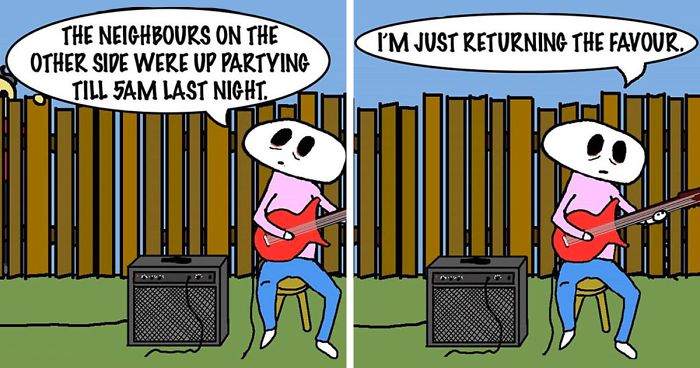
- Trying to work while neighbors discover power tools.
- Watching weekends dissolve into slightly longer weekdays.
- Making elaborate plans to clean, then cleaning only one drawer.
- Getting dressed up for a video call and immediately changing back.
- Feeling guilty for not being productive during a global emergency.
- Learning that home workouts require space, discipline, and fewer sharp coffee tables.
- Starting a new hobby with confidence and abandoning it with dignity.
- Reading restaurant menus online just to feel something.
- Arguing with technology like it personally caused the pandemic.
- Trying to maintain friendships through “we should Zoom soon” messages.
- Celebrating tiny victories, such as showering before sunset.
- Developing a complex emotional relationship with the refrigerator.
- Realizing that introverts also have limits.
- Realizing that extroverts were spiritually flattened.
- Saving empty boxes because “maybe I’ll use them,” then building a cardboard skyline.
- Laughing at a meme and immediately feeling sad because it is accurate.
- Finding comfort in the fact that everyone else was also improvising badly.
How Sad Humor Helps Tell the Truth
Sad humor is not the same as making light of suffering. It is a way of telling the truth without collapsing under it. A lockdown comic can show a character smiling too hard on a video call, then lying flat on the floor afterward. The punchline is visual, but the emotional point is clear: people were performing normalcy while carrying invisible weight.
This is why comics are uniquely good at expressing lockdown life. A single panel can show contrast instantly: outside, birds sing; inside, a person argues with a sourdough starter named Gary. A two-panel joke can capture the before-and-after of motivation: “Today I will reinvent myself” followed by “Today I became one with the laundry.” Comics compress experience. They make complicated feelings easy to recognize without turning them into lectures.
They also leave room for tenderness. A joke about loneliness can still be compassionate. A character who throws a birthday party for themselves and a houseplant is funny, but the drawing can also make readers want to hug them. The best lockdown comics do not mock people for struggling. They mock the impossible situation and gently pat the struggler on the head.
The Secret Ingredient: Relatability Without Shame
Many pandemic stories focused on big events, and those mattered deeply. But comics often focused on small embarrassments: the pile of dishes, the awkward silence, the third snack, the failed meditation app, the suspiciously formal email sent from a bed. These details are powerful because they remove shame. When readers see their private habits drawn in a funny way, they feel less alone and less ridiculous.
Relatable lockdown comics work best when they say, “Yes, this was weird. Yes, you were weird. We were all weird. Please take a number.” That tone is comforting. It allows the reader to laugh at themselves without feeling attacked. It also creates a tiny community between artist and audience. The artist says, “I saw this too.” The reader says, “Unfortunately, yes.”
Why “Sad Laugh” Is the Perfect Phrase
A sad laugh is not a full comedy laugh. It is the small exhale people make when something is too true. It is the sound of recognition with a bruise on it. Lockdown created many of those moments because life was objectively serious and subjectively absurd. People were scared and bored. Lonely and overstimulated. Grateful and furious. Safe at home and trapped at home. Fine and absolutely not fine.
That contradiction is where the comics live. They do not ask the reader to choose between sadness and humor. They allow both to sit at the same tiny kitchen table. One has coffee. The other has anxiety. Neither knows what day it is.
Experiences Related to “My 27 Comics About Lockdown Struggles That Might Give You A Sad Laugh”
The experience of creating or reading lockdown comics often begins with a very ordinary feeling: “I cannot be the only one doing this.” Maybe it is standing in the kitchen at 11:47 p.m. eating shredded cheese from the bag like a raccoon with student loans. Maybe it is rehearsing a cheerful voice before calling a loved one because you do not want them to worry. Maybe it is opening your laptop for work and feeling your brain quietly walk into the sea.
What made lockdown strange was not only the fear. It was the repetition. The same room. The same chair. The same coffee mug. The same notification sound. The same question“How are you holding up?”asked by people who were also holding up with duct tape and snacks. Comics gave that repetition shape. By turning daily struggles into panels, they made the invisible visible. A messy room could become a symbol of mental clutter. A frozen video call could become a joke about disconnection. A lonely dinner could become a bittersweet portrait of endurance.
Many people discovered that humor became easier when it was honest. Fake cheerfulness felt exhausting, but a comic that admitted, “Today I changed from night pajamas into day pajamas,” felt freeing. It did not solve anything, but it reduced the pressure to pretend. That mattered. During lockdown, people were constantly asked to adapt: work from home, study from home, parent from home, exercise from home, socialize from home, rest from home. Home became every location at once, which is a lot to ask from a place that may not even have good lighting.
The emotional experience behind these 27 comic ideas is also about memory. Years later, many details have blurred, but certain images remain sharp: empty streets, homemade masks, video birthdays, hand sanitizer near the door, the strange thrill of seeing flour back on a shelf, the awkwardness of bumping elbows, the comfort of group chats, and the guilt of not “using the time wisely.” Comics preserve those details without making them too heavy to revisit.
There is also a quiet generosity in lockdown humor. When an artist shares a comic about anxiety, loneliness, or burnout, they are offering readers a small emotional shortcut: “Here, I drew the thing you could not explain.” That is why sad laughs are valuable. They help people feel understood without requiring a speech. They let readers process grief, frustration, boredom, and absurdity in a format that feels safe and human.
In the end, the experience of these comics is not only about lockdown. It is about how people survive uncertainty by noticing the ridiculous details, sharing them, and saying, “This hurt, but also, wow, we really did become emotionally dependent on banana bread.” That is not a cure. But sometimes, on a hard day, a small laugh is enough to open a window.
Conclusion
“My 27 Comics About Lockdown Struggles That Might Give You A Sad Laugh” captures the strange emotional grammar of pandemic life: the boredom, panic, loneliness, digital exhaustion, tiny victories, and deeply suspicious relationship with sweatpants. Lockdown comics matter because they turn private weirdness into shared recognition. They remind us that people were not simply stuck indoors; they were trying to stay human while the rules of ordinary life kept changing.
The best sad-funny comics do not erase the difficulty of lockdown. They honor it by making it understandable. They let us laugh at the awkward parts without dismissing the painful ones. And sometimes, that is exactly what good art does: it sits with us in the mess, hands us a snack, and says, “Same.”
Note: This article is fully original, written in standard American English, and based on widely documented pandemic-era experiences, mental health discussions, remote work changes, social isolation patterns, and the cultural role of humor during lockdown.