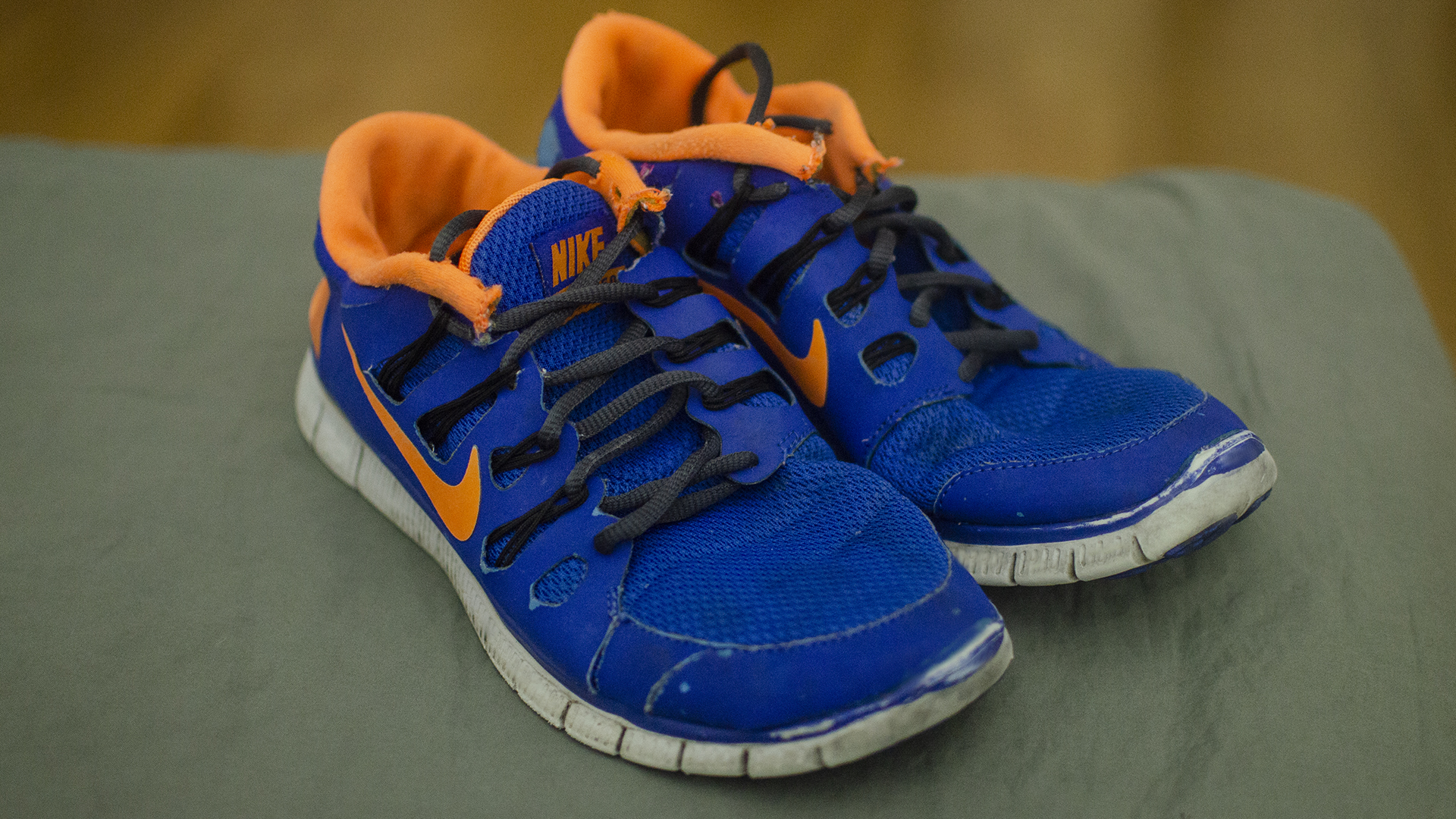
Trainers work hard. They survive grocery runs, gym floors, rainy sidewalks, accidental puddles, dusty trails, and that mysterious sticky patch in the parking lot no one wants to discuss. Eventually, even your most loyal pair starts to look less “sporty lifestyle” and more “archaeological discovery.” The good news? In many cases, you can wash trainers in the washing machine safelyas long as you do it the right way.
The key phrase is in many cases. Not every shoe belongs in a washer. Durable canvas, mesh, polyester, and fabric trainers often handle a gentle machine wash well. Leather, suede, wool, satin, embellished shoes, shoes with glued-on decorations, and high-performance running shoes with delicate foam or technical construction usually need hand cleaning instead. A washing machine is a tool, not a magic sneaker spa. Used correctly, it can freshen up everyday trainers. Used recklessly, it can turn your favorite shoes into sad, floppy foot pancakes.
This guide explains how to wash trainers in the washing machine in 12 practical steps, from checking the care label to drying them without ruining their shape. You will also learn what products to use, what mistakes to avoid, and how to handle odor, mud, white soles, and stubborn stains.
Can You Really Wash Trainers in the Washing Machine?
Yes, you can wash some trainers in the washing machine, but only if the material and construction are suitable. Machine washing works best for everyday trainers made from canvas, nylon, mesh, polyester, and other sturdy synthetic fabrics. These materials can usually tolerate cold water, mild detergent, and a gentle cycle.
However, trainers made from leather, suede, nubuck, wool, silk, satin, or shoes with special finishes should not go into the washer. Water can stain suede, stiffen leather, weaken adhesives, fade colors, and damage decorative details. Many running-shoe brands also recommend hand cleaning because aggressive tumbling may affect cushioning, structure, and performance.
Before you do anything else, check the care label or the brand’s cleaning instructions. If the label says “hand wash only,” believe it. Shoes do not usually include dramatic warnings for fun.
What You Need Before Washing Trainers
Gathering supplies first makes the process easier and prevents you from wandering around the house holding one muddy shoe like a confused raccoon.
- A soft-bristled brush or old toothbrush
- A damp cloth or microfiber towel
- Mild liquid laundry detergent
- Mesh laundry bag or pillowcase
- A few old towels
- Baking soda for odor control, optional
- White vinegar for salt marks or mild odor, optional
- Newspaper, paper towels, or clean dry cloths for shaping
Use only a small amount of detergent. More soap does not mean cleaner trainers. It often means residue, stiffness, and extra rinsing. Skip bleach unless the manufacturer specifically allows it, and avoid fabric softener because it can leave a coating on shoe fibers.
How to Wash Trainers in the Washing Machine: 12 Steps
Step 1: Check the Care Label and Shoe Material
Start by inspecting the care label, if your trainers have one. Also check the brand’s website if the shoes are expensive, technical, or made from special materials. Look at the upper, sole, stitching, glue lines, and any decorative trims.
Machine washing is generally safest for fabric, canvas, mesh, and synthetic trainers. Avoid washing trainers made of suede, leather, wool, velvet, satin, or shoes with rhinestones, metal hardware, glued patches, light-up parts, or built-in electronics. Yes, light-up shoes are fun. No, your washer does not need a disco.
Step 2: Remove Loose Dirt First
Never put trainers covered in mud, gravel, grass, or dried dirt straight into the washing machine. That grime can spread inside the drum and may make the wash less effective. Take the shoes outside or over a trash can and knock the soles together gently.
Use a dry brush or old toothbrush to remove dirt from the outsole, grooves, seams, and textured areas. If the mud is wet, let it dry first, then brush it off. Wet mud smears like bad cake frosting and makes a bigger mess.
Step 3: Remove Laces and Insoles
Take out the laces and removable insoles before washing. Laces can tangle around the shoes, and insoles may hold odor, sweat, and detergent residue. Removing them also helps water and detergent reach more areas of the trainer.
Laces can usually go in the washing machine inside a mesh bag. Insoles are trickier. Many insoles are better washed by hand because machine agitation can bend, crack, or weaken them. If your insoles are foam or orthotic inserts, clean them separately with a damp cloth and mild soap, then let them air-dry completely.
Step 4: Pretreat Stains
Before the machine does its job, help it out. Pretreat stained areas with a small amount of mild liquid detergent mixed with water. Dip a soft brush or cloth into the solution and gently scrub scuffs, dirt patches, and sweat stains.
For white rubber soles, a baking soda paste can help brighten marks. Mix baking soda with a little water, apply it with a toothbrush, scrub gently, and wipe away the residue. For salt stains, a diluted white vinegar solution can help lift the chalky marks. Always test any cleaner on a hidden area first, especially on colored trainers.
Step 5: Place Trainers in a Mesh Bag or Pillowcase
Put each trainer into a mesh laundry bag. If you do not have one, use a pillowcase and tie the end securely. This step helps protect the shoes from harsh tumbling and reduces the chance of them banging against the washer drum like tiny bowling balls.
You can wash the laces in the same bag, but keep them separate from the shoes if they are heavily stained. Avoid washing loose laces without a bag because they can knot, wrap, or disappear into the strange laundry dimension where single socks live.
Step 6: Add Towels to Balance the Load
Add two or three old towels to the washer with the bagged trainers. Towels cushion the shoes, reduce noise, and help balance the load during the spin cycle. Choose towels you do not mind washing with footwear. This is not the moment for your fancy guest towels.
Do not overload the machine with too many pairs of trainers at once. One or two pairs is usually enough. Too many shoes can throw the washer off balance and reduce cleaning performance.
Step 7: Choose Cold Water
Set the washer to cold water. Hot water can fade colors, shrink some fabrics, and weaken glue that holds parts of the shoe together. Cold water is usually the safest choice for trainers because it cleans without adding unnecessary heat stress.
If your washer has temperature options, choose cold rather than warm. Warm water may be acceptable for some sturdy shoes, but cold is the better default when you are trying to protect shape, color, and adhesives.
Step 8: Use a Gentle or Delicate Cycle
Select a gentle, delicate, or hand-wash cycle. These cycles use slower agitation and a gentler spin, which reduces stress on the trainers and the machine. Avoid heavy-duty cycles, hot cycles, sanitize cycles, and high-speed spin settings.
A high-speed spin may remove water faster, but it can also slam shoes around and stress seams, foam, and glue. Your goal is clean trainers, not a washer drum percussion concert.
Step 9: Add a Small Amount of Mild Detergent
Use a mild liquid laundry detergent, preferably one that works well in cold water. Liquid detergent dissolves more easily than powder and is less likely to leave grit inside the shoes. Add less detergent than you would for a normal clothing load.
Avoid chlorine bleach, harsh stain removers, strong solvents, and fabric softener. These products can discolor fabric, damage finishes, or leave residue that affects breathability. Trainers need cleaning, not chemical warfare.
Step 10: Start the Wash and Listen for Problems
Start the cycle and stay nearby for the first few minutes. If the machine begins thumping heavily, pause it and redistribute the towels and shoes. A little noise is normal. A sound like a washing machine trying to escape the laundry room is not.
If your washer has a low-spin option, use it. If the load becomes unbalanced during the spin cycle, stop the machine, adjust the towels, and restart. Protecting your washer matters just as much as protecting your trainers.
Step 11: Remove Trainers Immediately After Washing
When the cycle finishes, remove the trainers right away. Leaving wet shoes sitting in a closed washer can encourage odors and slow drying. Take them out of the laundry bag and gently reshape them with your hands.
Check the shoes for remaining dirt. If you still see stains, do not automatically run another full cycle. Spot-clean the problem areas instead. Repeated machine washing can shorten the life of trainers, especially if they rely on glued construction.
Step 12: Air-Dry the Trainers Properly
Air drying is the safest method. Stuff the trainers lightly with newspaper, paper towels, or clean dry cloths to help absorb moisture and maintain shape. Replace the stuffing every few hours if it becomes damp.
Place the shoes in a well-ventilated area away from direct sunlight, radiators, hair dryers, space heaters, and tumble dryers. High heat can warp soles, shrink fabric, soften glue, and deform cushioning. Let the trainers dry completely before wearing them. Depending on the shoe and humidity, drying may take 24 to 48 hours.
How to Wash White Trainers in the Washing Machine
White trainers are beautiful for approximately five minutes after you buy them. Then life happens. To wash white trainers, follow the same 12 steps, but spend extra time pretreating the rubber soles and stained areas.
Use a paste of baking soda and water on rubber midsoles and toe caps. For fabric uppers, use mild detergent and a soft brush. Avoid chlorine bleach on most trainers because it can yellow rubber, weaken fibers, and create uneven patches. If the laces are white and heavily stained, soak them separately in warm soapy water before washing them in a mesh bag.
Dry white trainers away from direct sunlight. Bright sun may seem helpful, but it can sometimes yellow glue marks or discolor certain materials. A breezy indoor spot is safer.
How to Remove Odor from Trainers
Odor is one of the biggest reasons people search for how to wash trainers in the washing machine. Sweat, bacteria, moisture, and everyday wear can turn shoes into tiny portable locker rooms.
To fight odor, remove the insoles and wash them by hand with mild soap. Sprinkle a little baking soda inside the trainers after they are fully dry, let it sit overnight, then shake it out. You can also use activated charcoal inserts or shoe deodorizer bags between wears. Most importantly, let trainers dry between uses. Wearing damp shoes repeatedly is like sending odor a handwritten invitation.
Common Mistakes to Avoid
Using Hot Water
Hot water can fade colors, shrink fabric, and weaken adhesives. Stick with cold water for safer results.
Putting Trainers in the Dryer
The dryer is one of the fastest ways to damage trainers. Heat can warp soles and ruin cushioning. Air drying takes longer, but it is much safer.
Washing Leather or Suede Trainers
Leather and suede need hand cleaning with products made for those materials. A washing machine can stain, stiffen, or permanently damage them.
Using Too Much Detergent
Extra detergent can leave residue and make shoes feel stiff. Use a small amount of mild liquid detergent.
Skipping the Laundry Bag
A mesh bag or pillowcase helps protect shoes and reduces banging inside the drum. It is a simple step with a big payoff.
How Often Should You Wash Trainers?
Wash trainers only when they truly need it. For everyday fabric trainers, a machine wash every few months may be enough. Gym shoes or shoes worn during sweaty workouts may need more frequent cleaning, but spot cleaning between full washes is better for longevity.
If your shoes are only dusty or lightly marked, brush them off and wipe them with a damp cloth. Save the washing machine for deeper cleaning. The fewer full wash cycles your trainers go through, the longer they usually last.
When Hand Washing Is the Better Choice
Hand washing is the safer option for expensive trainers, running shoes, leather sneakers, suede shoes, shoes with delicate foam, or pairs you cannot easily replace. Hand cleaning gives you more control over pressure, water exposure, and drying.
To hand wash trainers, remove dirt, take out laces and insoles, mix mild detergent with water, scrub gently with a soft brush, wipe clean with a damp cloth, and air-dry. It takes more effort, but it is often the best choice for shoes with sentimental, financial, or fashion value.
Extra Experience: What Real-Life Trainer Washing Teaches You
After washing enough trainers, you learn a few things that instructions do not always emphasize. First, preparation matters more than the wash cycle itself. The people who get the best results are not the ones who toss muddy shoes into the washer and hope for a miracle. They brush off dirt, remove laces, pretreat stains, and protect the shoes in a bag. The washer finishes the job; it should not be forced to do all the dirty work alone.
Second, drying is where many people accidentally ruin a good pair of trainers. It is tempting to use a dryer when your shoes are still damp and you want to wear them the next morning. Resist the temptation. Heat can change the shape of the shoe, damage glue, and make once-comfortable trainers feel oddly stiff. A better trick is to wash shoes when you do not need them for at least a day. Stuff them with paper, place them near airflow, and let time do the boring but important part.
Third, not all stains disappear completely, and that is okay. A trainer can be clean without looking brand-new. Deep grass stains, old oil spots, and yellowed rubber may improve but not vanish. Trying to force perfection with bleach, harsh scrubbing, or repeated wash cycles can do more harm than good. Sometimes “fresh and wearable” is the win. Your shoes are meant to walk through the world, not sit in a museum with dramatic lighting.
Fourth, odor control is mostly about habits. Washing helps, but it will not solve the problem forever if shoes are worn daily without drying time. Rotating between two pairs of trainers can make a huge difference. So can wearing clean socks, removing insoles after sweaty workouts, and keeping shoes in an airy place instead of a sealed gym bag. A closed gym bag is basically a luxury resort for stink.
Fifth, old towels are secret heroes. They quiet the wash, cushion the shoes, and help balance the load. Without towels, trainers can bang around loudly and make you wonder whether the machine is washing footwear or assembling furniture. Choose towels that can handle dirt, and do not mix shoes with delicate clothing. Your trainers and your silk blouse should not share a laundry adventure.
Finally, the best cleaning routine is simple: wipe trainers regularly, spot-clean stains early, wash laces more often than the shoes, and machine wash only when needed. This approach keeps trainers looking good without shortening their life. Think of machine washing as a reset button, not a weekly ritual. Done carefully, it can bring tired trainers back from the edge and make them smell less like they have been training for a swamp marathon.
Conclusion
Learning how to wash trainers in the washing machine is mostly about knowing what not to do. Do not wash delicate materials. Do not use hot water. Do not skip the laundry bag. Do not throw trainers in the dryer. Do not panic when the washer makes a little noisebut do pause it if the load becomes unbalanced.
For durable fabric, mesh, canvas, and synthetic trainers, a careful machine wash can remove dirt, refresh odors, and make shoes look far more presentable. The safest method is simple: check the care label, brush off dirt, remove laces and insoles, pretreat stains, use a mesh bag, add towels, wash on cold and gentle, then air-dry completely. Follow those steps and your trainers can return to duty looking cleaner, smelling fresher, and feeling ready for the next walk, workout, or heroic dash to catch the mail truck.
Note: This guide is intended for washable fabric, canvas, mesh, and synthetic trainers. Always follow the shoe manufacturer’s care instructions first, especially for premium, leather, suede, wool, or technical performance footwear.