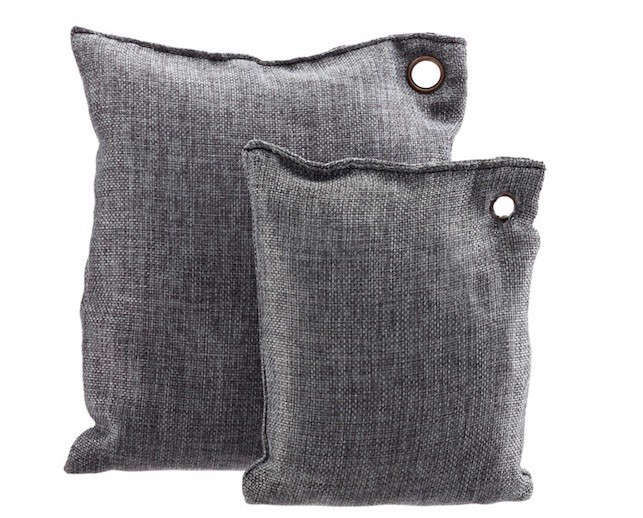
If your closet smells like a haunted gym locker, your car has developed a mysterious “old french fries and regret” aroma, or your shoes seem to be conducting their own chemical warfare experiment, moso bamboo charcoal bags may be the low-drama fix you have been looking for. They do not plug in. They do not spray perfume into the air like an overenthusiastic department store employee. And they do not try to convince your nose that “Mountain Breeze” is a real mountain.
Instead, moso bamboo charcoal bags are simple: breathable fabric pouches filled with activated bamboo charcoal, designed to help absorb odors and excess moisture in small spaces. That simplicity is exactly why they have become popular in closets, bathrooms, shoes, cars, laundry rooms, pet areas, and even refrigerators. They are quiet, reusable, fragrance-free, and refreshingly boring in the best possible way.
But are they actually useful, or are they just another Pinterest-adjacent household trend that looks good hanging on a hook? The honest answer is somewhere in the middle of the laundry basket. Moso bamboo charcoal bags can be genuinely effective for light odor control and moisture management, especially in enclosed spaces. They are not miracle workers, and they are definitely not a replacement for ventilation, deep cleaning, a dehumidifier, or a real air purifier when bigger indoor air problems are involved.
This guide breaks down what moso bamboo charcoal bags are, how they work, where they shine, where they absolutely do not, and how to use them like someone who reads instructions instead of tossing everything into a drawer and hoping for the best.
What Are Moso Bamboo Charcoal Bags?
Moso bamboo charcoal bags are fabric pouches filled with charcoal made from moso bamboo, a giant bamboo species known scientifically as Phyllostachys edulis. The bamboo is heated at high temperatures until it becomes a porous carbon material. Those pores are the big story here. They create a large surface area that can help trap odor-causing compounds and some airborne impurities.
That is why these bags are usually marketed as natural odor absorbers, closet deodorizers, car fresheners, shoe deodorizers, and moisture absorbers. Some brands also call them air purifying bags, which sounds nice and tidy, but that label can be a little too ambitious. In real-world home use, the best way to think of them is as passive odor and humidity helpers for small spaces.
Most products come in different sizes based on where you plan to use them. Smaller bags are popular for sneakers, drawers, gym bags, and refrigerators. Medium sizes are common for bathrooms, closets, and cars. Larger bags are intended for bedrooms, kitchens, laundry spaces, or other compact rooms that need a little deodorizing support without perfume, plugs, or plastic cartridges.
How Moso Bamboo Charcoal Bags Work
They adsorb odors instead of covering them up
The key word is adsorb, not absorb. Yes, English has chosen chaos again. Absorption is when something soaks into a material like water into a sponge. Adsorption is when molecules cling to the surface of a material. Activated carbon is famous for this because its porous structure gives odor molecules and some gases a lot of places to stick.
That is why moso bamboo charcoal bags are different from scented sprays, gels, and hanging perfume cards. Instead of layering “Fresh Meadow Sunrise” over old sneaker funk, they are meant to reduce the stink itself. No perfume cloud. No floral cover-up. No suspicious vanilla that somehow makes the room smell like a cupcake made in a gas station.
They also help with excess moisture
Another reason these bags are useful is that they can help with damp, slightly humid spaces. A little excess moisture often goes hand in hand with a musty smell, especially in closets, bathrooms, laundry areas, and storage bins. Charcoal bags will not dry out a wet basement, but they can help take the edge off mild moisture problems in smaller enclosed areas.
Why “moso” bamboo gets attention
The “moso” part matters mostly as a material label. Moso bamboo is a large, fast-growing bamboo species often used in charcoal products. In consumer products, its appeal comes from being plant-based, lightweight, and easy to turn into highly porous charcoal. In other words, it is less about magic bamboo wizardry and more about the fact that activated carbon is a practical odor-control material.
Where Moso Bamboo Charcoal Bags Work Best
The sweet spot for moso bamboo charcoal bags is small, enclosed, slightly smelly places that need quiet help over time. They are not dramatic. They are steady. Think of them as the introverts of odor control.
- Closets and wardrobes: Helpful for stale fabric smells, stored coats, seasonal clothing, and lightly damp corners.
- Shoes and gym bags: A favorite use because these spaces are small, enclosed, and very motivated to smell terrible.
- Cars: Great for light food odors, mustiness, or that mysterious “something happened in here three Tuesdays ago” scent.
- Bathrooms: Useful in small bathrooms that need odor control without added fragrance.
- Pet areas: Can help around litter-adjacent zones, crates, or pet storage spots, though they are not a substitute for regular cleaning.
- Laundry rooms and mudrooms: Good for damp shoes, sports gear, and places where moisture and odor like to become roommates.
- Drawers, suitcases, and storage bins: A smart move when you want stored items to smell like fabric, not forgotten history.
- Refrigerators: Some charcoal bags are sold specifically for fridge use and may help with food odors in a low-fuss way.
In these kinds of spaces, bamboo charcoal bags often make sense because they are passive, silent, reusable, and scent-free. You place them, leave them alone, and let them do their thing without needing batteries, refills, or a playlist.
What Moso Bamboo Charcoal Bags Can and Cannot Do
What they do well
When expectations are realistic, moso bamboo charcoal bags can be a smart buy. They work especially well for mild to moderate odors and modest moisture in small areas. They are also appealing for people who dislike synthetic fragrances, have scent sensitivities, or simply do not want their bathroom to smell like “Cucumber Waterfall Symphony.”
They are reusable for months, sometimes up to two years depending on the brand and how well you maintain them. That makes them attractive as an eco-friendlier alternative to disposable deodorizers. They are also versatile. One day they live in your shoes. Next month they move to the closet. Later they might get drafted into car duty. These bags work hard without demanding applause.
What they do not do
This is the part where we protect your budget and your dignity.
Moso bamboo charcoal bags are not a replacement for:
- Cleaning: If the odor source is mold, mildew, pet accidents, spoiled food, or dirty fabric, the real fix starts with removing the cause.
- Ventilation: Stale indoor air improves most when pollutants are reduced at the source and fresh air is introduced.
- HEPA air purifiers: Charcoal bags are not designed to move air through a mechanical filtration system that captures dust, pollen, or large volumes of smoke particles.
- Dehumidifiers: In truly damp spaces, a passive charcoal bag is bringing a butter knife to a chainsaw problem.
If you are dealing with a serious moisture issue, active mold growth, heavy smoke contamination, or a room-size air quality problem, bamboo charcoal bags are better viewed as a supporting actor, not the lead. Very charming side character. Not the superhero.
How to Use Moso Bamboo Charcoal Bags the Right Way
1. Match the bag size to the space
Small bags belong in shoes, drawers, bins, and gym bags. Medium bags work better in closets, cars, and bathrooms. Larger bags are more suitable for compact rooms or areas with broader odor coverage needs. Using a tiny pouch in a large humid room is like bringing one paper towel to a swimming pool. Technically you tried. Practically, not enough.
2. Place them where air can circulate
Do not bury the bag under a stack of towels and expect miracles. Hang it, stand it up, or place it where air naturally moves around it. In shoes, slide one into each shoe. In a closet, hang one near the center. In a car, place it under a seat or in a cup-holder area where it stays dry.
3. Give them time
Bamboo charcoal bags are passive. That means they work gradually, not instantly. Sprays hit you fast because they replace odor with fragrance. Charcoal bags are more patient. In a shoe, gym bag, or closet, that slow-and-steady approach usually makes sense. In a kitchen after someone burns salmon and garlic bread at the same time, you may still want to open a window and negotiate with the universe.
4. Refresh them in sunlight
Most manufacturers recommend placing the bags in direct sunlight about once a month, usually for around an hour. This is commonly described as recharging or rejuvenating the charcoal. It is a simple maintenance step, but it matters. A neglected charcoal bag is basically a tired little beanbag with a résumé.
5. Replace them when performance fades
Many brands advertise a lifespan of up to two years with regular sun refreshes. That does not mean every bag will magically hit its birthday still performing like a champ. Usage conditions matter. If you use one in a very smelly car, a humid closet, or a pair of post-hike boots, it may age faster. When odors stop improving, it is probably time to retire the bag.
How to Choose the Best Moso Bamboo Charcoal Bags
Shopping for bamboo charcoal bags is not exactly a thrilling Saturday night, but it is worth paying attention to a few details:
- Weight of charcoal: More grams usually means more odor-adsorbing material and larger intended coverage.
- Breathable outer fabric: Linen or similar materials are common because they allow air contact while keeping the charcoal contained.
- Hanging loop or hook: Handy for closets, cars, bathrooms, and mudrooms.
- Fragrance-free claims: Important if your goal is true odor reduction rather than scented camouflage.
- Clear care instructions: Good brands explain how often to place the bag in sunlight and how long the product is expected to last.
- Purpose-specific sizes: A shoe deodorizer should not pretend it is ready to tackle a whole bedroom.
You also want to be skeptical of grand promises. If a bag claims it will solve every air problem known to civilization, proceed with caution. The most trustworthy products usually make narrower, more believable promises: odors, moisture, small spaces, reusable lifespan, simple maintenance.
Are Moso Bamboo Charcoal Bags Worth It?
For many households, yes. They are especially worth it if you want a natural odor absorber, dislike synthetic fragrance, and need help in compact areas like closets, cars, and shoes. They are also useful if you prefer reusable home products over single-use deodorizers.
What makes them appealing is not flashy technology. It is the combination of convenience and restraint. No scent. No plug. No noise. No leaking gel. No mystery refill pods. Just a small bag quietly reducing the odds that your closet smells like last winter’s wet coat.
That said, the best results come when you use them as part of a bigger odor-control strategy. Clean the source. Let the space breathe. Reduce moisture. Then use the bamboo charcoal bag to help maintain freshness. That is where the product makes the most sense: not as magic, but as smart maintenance.
Experiences Related to Moso Bamboo Charcoal Bags
One of the most interesting things about moso bamboo charcoal bags is how ordinary the success stories sound. Nobody usually says, “This bag changed my destiny.” Instead, people describe small wins that make daily life a little less gross. A closet smells neutral again. Running shoes stop announcing themselves from across the room. The car no longer smells like a drive-thru tragedy and wet umbrellas.
A common experience is the closet test. Someone hangs a charcoal bag in a cramped hallway closet filled with jackets, spare linens, and one umbrella that never fully dries. The smell is not overwhelming, just stale and faintly musty. After a few days, the space starts smelling less “sealed attic” and more like… nothing. And in the world of odor control, “nothing” is elite performance.
Shoe use is another favorite because it is so practical. People tuck small charcoal bags into sneakers, work boots, or sports shoes and leave them overnight. The appeal here is simple: no fragrance, no powder, no sticky residue, no minty lie pretending your sneakers are now a spa. The bags just sit there and slowly reduce odor. For households with teens, athletes, hikers, or people who believe socks are optional life accessories, that can feel like a tiny domestic miracle.
Car owners also tend to appreciate the low-maintenance nature of these bags. A hanging air freshener usually announces itself loudly, either with a perfume cloud or a scent called something like “Arctic Thunder Pine.” Bamboo charcoal bags go in the cup holder, under a seat, or from a hook, and they simply help keep the cabin from smelling stale. They are particularly popular in cars that carry gym gear, takeout, pets, or children, which is to say: almost all cars.
Then there is the bathroom and laundry room crowd. These users often report that bamboo charcoal bags are not dramatic, but they are steady. That is actually a compliment. In rooms where humidity and mild odors keep trying to launch a hostile takeover, a reusable charcoal bag can help the space stay more neutral between cleanings. Again, not magic. Just less funk.
Another experience people mention is expectation adjustment. At first, some buyers expect an instant transformation. Then they realize the bag works best like a quiet maintenance tool, not a panic button. Once that clicks, satisfaction often goes up. The bags are most appreciated by people who want subtle improvement and ongoing odor control, not a perfumed explosion or a one-hour miracle.
There is also something oddly satisfying about the monthly ritual of setting the bags in sunlight. It feels a little like charging a household sidekick. You put them outside, let them warm up, and return them to service. That small routine gives the product a reusable, low-waste appeal that many shoppers genuinely enjoy.
So the real experience of using moso bamboo charcoal bags is not glamorous. It is better than glamorous. It is practical. It is the pleasure of opening a closet, a car door, or a shoe cabinet and not being attacked by a smell with a backstory.
Final Thoughts
Moso bamboo charcoal bags are not miracle gadgets, but they are useful little workhorses when used correctly. They shine in small, enclosed spaces where mild odors and extra moisture tend to build up. They are fragrance-free, reusable, easy to maintain, and refreshingly simple in a market that often treats deodorizing like a special effects competition.
If you want a natural air freshener alternative that does not blast perfume into your home, these bags are worth considering. Just keep your expectations sensible. They are best for maintenance, not rescue missions. Pair them with cleaning, ventilation, and good moisture control, and they can quietly make everyday spaces feel fresher, calmer, and less suspicious.
And honestly, any product that helps your shoes smell less like a medieval battlefield deserves at least a polite round of applause.