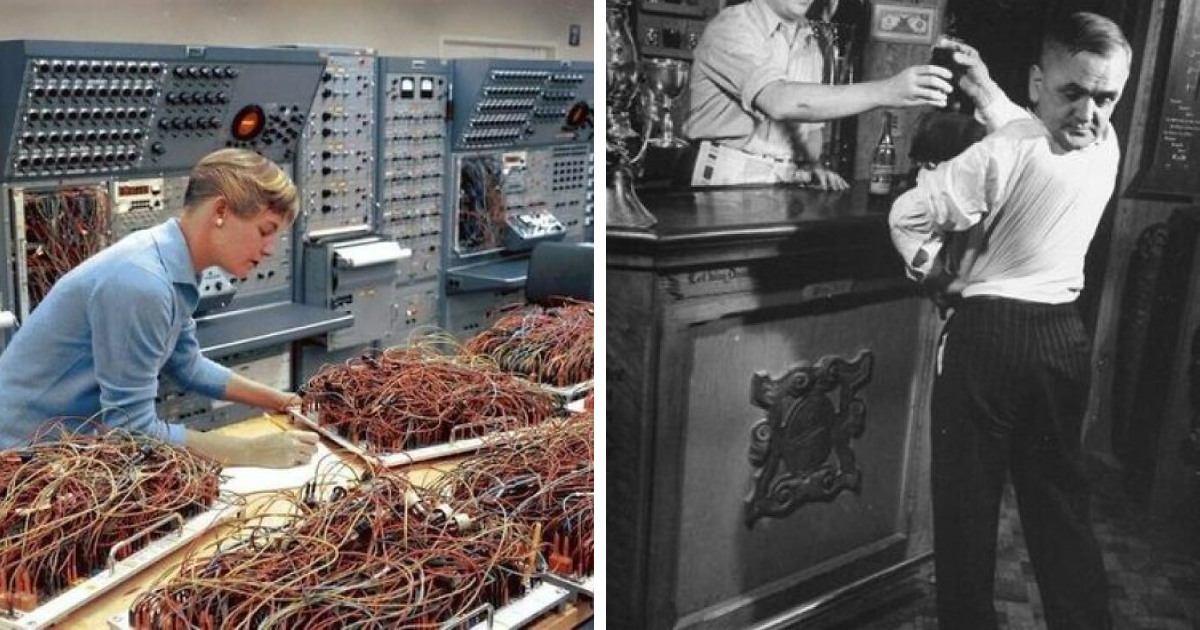
History can be polite in textbooks. It lines up dates, wears a tie, and says things like “industrialization transformed society.” Historical images, however, are wonderfully nosy. They show the muddy boots, awkward hats, exhausted faces, strange machines, overcrowded streets, handmade signs, and tiny human details that make the past feel less like a museum label and more like a room someone just stepped out of.
These 50 must-see historical images do more than prove that people once posed very seriously beside bicycles the size of wagon wheels. They reveal curious realities: war was photographed before the public was ready to see it, inventions looked ridiculous before they changed the world, daily life was often harder than the grand speeches suggested, and ordinary people were frequently the ones carrying history on their backs.
Below is a guided tour through powerful, surprising, and sometimes strange historical photographs that help us understand the past with sharper eyesand perhaps a slightly raised eyebrow.
Why Historical Images Still Matter
Historical photos are not just decoration for history articles. They are evidence. A photograph can capture the posture of a child laborer, the scale of a city street before cars conquered it, the expression of a soldier who has run out of heroic poses, or the quiet confidence of people demanding civil rights. Of course, images can be staged, cropped, misunderstood, or used as propaganda. That is why the best way to view them is with curiosity and context, not blind trust.
The camera has always been both witness and troublemaker. It freezes a moment, then asks future generations to explain what on earth was going on.
50 Historical Images That Reveal The Curious Realities Of The Past
1. The Earliest American Daguerreotypes
Early photography in the 1830s and 1840s required patience, chemistry, and a willingness to sit very still while looking mildly haunted. These first images reveal a world discovering that reality could be captured on a metal platean idea that must have felt almost magical.
2. Robert Cornelius’ Self-Portrait
Often described as one of the earliest photographic self-portraits, Robert Cornelius’ image proves the selfie is not a modern invention. The only thing missing is a bathroom mirror and a caption about “new beginnings.”
3. Civil War Battlefield Dead at Antietam
When photographs of Antietam’s dead reached the public, war suddenly looked less like patriotic artwork and more like bodies in fields. The image changed how Americans understood conflict, bringing the “terrible reality” of war into public view.
4. Abraham Lincoln’s Portraits
Lincoln’s photographs show the toll of leadership in real time. His face seems to age with the Civil War itself, reminding us that presidents are not marble statues until history finishes sanding off the human exhaustion.
5. Sojourner Truth’s Portrait
Images of Sojourner Truth are powerful because they show a formerly enslaved woman controlling her public image. Her photographs helped circulate her presence, message, and dignity in an era that tried to deny Black women both authority and visibility.
6. Frederick Douglass Before the Camera
Frederick Douglass understood photography as a tool of justice. His portraits present him as intellectual, composed, and unmistakably equalan intentional challenge to racist stereotypes of the 19th century.
7. The Transcontinental Railroad Celebration
Images of the 1869 railroad ceremony at Promontory Summit show men gathered around a technological milestone. They also leave room to ask who built the tracks, whose labor was celebrated, and whose stories were pushed to the edge of the frame.
8. Native American Delegations in Washington
Formal portraits of Native American leaders visiting Washington, D.C., reveal diplomacy, pressure, cultural survival, and federal power all at once. The clothing, posture, and setting say as much as the official records.
9. Immigrants at Ellis Island
Ellis Island photographs show families carrying bundles, documents, children, hopes, and probably at least one pot someone refused to leave behind. These images turn immigration statistics into human faces.
10. Jacob Riis’ Tenement Photographs
Riis used flash photography to expose crowded tenement life in New York City. The pictures are uncomfortable because they reveal poverty not as an abstract issue, but as cramped beds, dark rooms, and people trying to survive inside bad policy.
11. Child Labor in Textile Mills
Lewis Hine’s photographs of young factory workers helped expose child labor conditions. The children look small beside the machines, which is exactly the point: industry often grew by shrinking childhood.
12. Newsboys Sleeping in the Street
Images of newsboys show children hustling in adult economies long before they could vote, drive, or complain about office coffee. Their faces reveal the hard edges of urban life in early modern America.
13. The Wright Brothers’ First Flight
The famous 1903 photograph at Kitty Hawk looks almost comically simple: a fragile machine, sand, wind, and a man running beside history. That 12-second flight helped open the aerial age, even if the aircraft looked like a determined bedsheet.
14. Early Automobiles on Dirt Roads
Photographs of early cars show proud drivers sitting in machines that appear equally likely to revolutionize travel or explode in front of a horse. They reveal the awkward transition from animal power to engine power.
15. New York Streets Before Traffic Lights
Old city images show pedestrians, carts, streetcars, bicycles, and automobiles negotiating chaos with impressive confidence. Apparently, early traffic management was mostly eye contact and courage.
16. The Triangle Shirtwaist Factory Aftermath
Photographs connected to the 1911 Triangle fire reveal the human cost of unsafe workplaces. The disaster helped fuel labor reforms, proving that images of tragedy can push society toward accountability.
17. Suffragists Marching for the Vote
Women’s suffrage images show banners, white dresses, disciplined marches, and faces that seem to say, “We have already explained this politely.” The photographs document political strategy as much as protest.
18. World War I Soldiers in Trenches
Trench photographs reveal mud, fatigue, improvised shelters, and the grim intimacy of industrial warfare. They puncture the old romance of battle with a very damp shovel.
19. Soldiers Wearing Gas Masks
Few historical images are stranger than soldiers in gas masks. They look futuristic, alien, and tragic, reminding us that modern warfare often made humans adapt to conditions no human should have faced.
20. The 1918 Flu Pandemic
Images of masked nurses, public health signs, and crowded hospital wards show that pandemic life is not new. History, with annoying consistency, keeps reminding us to wash our hands.
21. Prohibition Raids
Photographs of agents destroying barrels of alcohol reveal the strange drama of Prohibition. The images feel half moral crusade, half tragic waste of what someone probably considered a perfectly good Friday night.
22. Flappers in the 1920s
Flapper photographs show fashion, freedom, performance, and generational rebellion. They remind us that every era has young people accused of ruining civilization with music, hair, and dancing.
23. The Construction of the Empire State Building
Images of workers high above Manhattan remain breathtaking. The men sit on steel beams as if gravity is merely a suggestion, giving modern viewers sweaty palms from the safety of a chair.
24. “Lunch Atop a Skyscraper”
This famous 1932 image of workers eating lunch on a beam captures both Depression-era labor and promotional spectacle. It is also a useful reminder that some lunch breaks should come with parachutes.
25. Breadlines During the Great Depression
Depression-era breadline images show the economy not as numbers on a chart but as men waiting quietly for food. They reveal dignity under pressure and the fragility of prosperity.
26. Dorothea Lange’s “Migrant Mother”
Lange’s 1936 photograph of Florence Owens Thompson became one of the defining images of the Great Depression. The mother’s worried gaze and children leaning into her shoulders express hardship more powerfully than any spreadsheet ever could.
27. Dust Bowl Farm Families
Dust Bowl photographs show families beside packed cars, dry fields, and temporary camps. The images reveal climate disaster, economic collapse, migration, and resilience long before “resilience” became a conference buzzword.
28. The Hindenburg Disaster
Photographs of the Hindenburg burning at Lakehurst in 1937 show the end of the airship dream in one horrifying instant. The largest airship of its time became a symbol of technological confidence meeting combustible reality.
29. Amelia Earhart Beside Her Plane
Images of Amelia Earhart project confidence, modernity, and adventure. She became an icon not only because she flew, but because she looked directly at a world that kept underestimating women and seemed unimpressed.
30. World War II Factory Workers
Photos of women in wartime factories reveal how quickly society can revise its ideas about “women’s work” when tanks, aircraft, and ships need building. Rosie the Riveter was not just a poster; she was a workforce.
31. Japanese American Incarceration
Photographs from camps such as Manzanar show families living behind fences after forced removal during World War II. The images are quiet, orderly, and devastating precisely because they show injustice made bureaucratic.
32. The Raising of the Flag on Iwo Jima
Joe Rosenthal’s 1945 photograph became one of the most famous war images in American history. It captured a real moment of teamwork, though the battle continued after the image suggested victory was already complete.
33. Robert Capa’s D-Day Images
Capa’s Omaha Beach photographs are blurry, tense, and unforgettable. Their imperfection is part of their power: they look like what it feels like to move through fear.
34. V-J Day in Times Square
The Times Square kiss photograph has long symbolized the end of World War II, though modern viewers also discuss consent and context. Historical images can change meaning as society learns to ask better questions.
35. Hiroshima After the Atomic Bomb
Photographs of Hiroshima’s ruins show destruction on a scale that language struggles to hold. They remain among the strongest visual arguments for remembering the human cost of nuclear war.
36. The Baby Boom Suburban Street
Postwar suburban images show tidy houses, driveways, lawns, and the rise of a new American ideal. They also invite us to examine who had access to that dream and who was excluded by policy and prejudice.
37. School Desegregation in Little Rock
Images of Elizabeth Eckford and the Little Rock Nine show teenagers carrying the weight of constitutional promises. Their courage exposes the gap between American ideals and American behavior.
38. Rosa Parks Being Fingerprinted
Photographs of Rosa Parks after her arrest show dignity in the machinery of injustice. They remind us that civil rights history was made by people who endured consequences, not by slogans floating safely above events.
39. Lunch Counter Sit-Ins
Sit-in images show young activists sitting calmly while facing harassment. Their stillness was strategy: a visual argument that made cruelty look exactly as small as it was.
40. The March on Washington
Photographs of the 1963 March on Washington show a crowd so large it becomes landscape. Yet the power of the images lies in the individual facespeople who traveled, waited, sang, sweated, and demanded change.
41. Malcolm X at the Window
Images of Malcolm X with a rifle near a window reveal the tension of surveillance, self-defense, and political danger. They complicate simplified stories and show how image, fear, and power intersect.
42. Vietnam War Helicopters
Helicopter images from Vietnam show a new kind of war: mobile, televised, and visually immediate. The machines became symbols of both military reach and the chaos of a conflict many Americans struggled to understand.
43. The Napalm Girl Photograph
Nick Ut’s 1972 image of children fleeing a napalm attack helped change public perception of the Vietnam War. It remains one of the strongest examples of photojournalism forcing viewers to face civilian suffering.
44. Earthrise From Apollo 8
The 1968 “Earthrise” image showed Earth as fragile, beautiful, and alone against darkness. It helped feed environmental awareness by giving humanity the ultimate group photominus the awkward blinking.
45. Buzz Aldrin on the Moon
Apollo 11 photographs of Buzz Aldrin on the lunar surface turned science fiction into proof. The visor reflection, spacesuit, and gray landscape still feel unreal, which is impressive for something that actually happened.
46. Woodstock Crowds
Woodstock photographs show music, mud, youth culture, and a temporary city of people who apparently believed rain, crowds, and questionable sanitation were acceptable ticket benefits.
47. Watergate-Era Press Images
Photographs from the Watergate period show reporters, hearings, papers, microphones, and officials under scrutiny. They reveal the visual drama of accountability in a democracy.
48. The Fall of the Berlin Wall
Images of people climbing, hammering, and dancing on the Berlin Wall in 1989 capture the collapse of a physical and ideological barrier. Rarely has concrete looked so emotionally satisfying to destroy.
49. Tiananmen Square’s “Tank Man”
The image of one man standing before tanks in Beijing remains one of the most haunting photographs of individual courage. Its power comes from the imbalance: one body, many machines, and a silence that still speaks.
50. Firefighters at Ground Zero
Photographs from September 11, 2001, show devastation, smoke, dust, rescue workers, and grief. They are modern historical images that many people remember not as distant past but as a wound still close enough to ache.
What These Historical Photos Teach Us
The curious realities of the past are often found in details: a lunch pail on a skyscraper beam, a child’s bare feet in a factory, a soldier’s unfocused stare, a protester’s handwritten sign, a family’s overstuffed suitcase. Historical images remind us that the past was not black and white because life was simpler. It was black and white because the film was.
They also teach us that every famous image has a frameand a frame always leaves something out. The Iwo Jima flag-raising does not show the full battle. The Apollo moon photos do not show the thousands of engineers behind the mission. The Ellis Island portraits do not show every rejected immigrant. The “Migrant Mother” does not tell the whole story of Florence Owens Thompson’s life. A photograph is a doorway, not the entire house.
That is why the best historical images make us ask more questions, not fewer. Who took the picture? Why was it taken? Who benefited from it? Who was missing? What happened five minutes before and five years after?
Experience Section: How to Look at Historical Images Like a Time Traveler With Better Shoes
Exploring historical images is one of the most rewarding ways to understand the past, but it helps to approach them with a method. The first experience worth developing is slow looking. Most people glance at an old photo, identify the main subject, and move on. That is like reading only the headline of a love letter. Instead, pause. Look at the background, clothing, tools, signs, shadows, buildings, and expressions. A street photograph may seem ordinary until you notice there are no traffic lights, the sidewalks are crowded with children, or everyone is wearing hats as if hair had not yet been fully legalized.
The second habit is comparing the image with its context. A photograph of a smiling factory worker may seem cheerful until you learn about wages, hours, safety rules, or the absence of labor protections. A proud family portrait may become more meaningful when connected to migration, segregation, wartime displacement, or economic struggle. Historical images become richer when paired with letters, newspaper reports, maps, oral histories, and archival captions.
Another useful experience is learning to recognize staging. Early photographs often required long exposure times, which is why people looked stiff and serious. They were not necessarily miserable; they were trying not to blur into a ghostly pudding. News photographs, government images, and propaganda pictures may also be arranged to persuade. A camera can document truth, but it can also dress truth in a very convincing costume.
When viewing famous historical photos, it is also helpful to search for alternate images from the same event. The best-known picture is rarely the only one. Other angles can reveal crowds, police, bystanders, weather, damage, or emotion hidden outside the iconic frame. For example, one image of a protest may show courage; another may show the scale of opposition. Together, they build a fuller story.
Finally, treat historical images with empathy. The people in them were not “vintage characters.” They were living through uncertainty without knowing how history would label them. The exhausted mother did not know she would become a symbol of the Great Depression. The civil rights student walking through a hostile crowd did not know future generations would study her courage. The worker on the skyscraper beam probably wanted lunch, not immortality.
Historical images are powerful because they collapse distance. They remind us that the past was crowded with people improvising their way through ordinary days and extraordinary crises. We look at them to understand what changed, what did not, and what responsibilities history has quietly handed to us.
Conclusion
The greatest historical images do not simply show what happened. They reveal how people lived, endured, invented, resisted, celebrated, and sometimes made spectacularly questionable decisions involving ladders, airships, or early machinery. These 50 must-see historical images prove that the past was never boring. It was dramatic, strange, painful, inspiring, funny, and deeply human.
Whether we are looking at Civil War battlefields, Ellis Island arrivals, Depression-era families, civil rights protests, moonwalks, or collapsing walls, the lesson is the same: history becomes clearer when we can see its faces. A good historical photograph does not end a story. It begins one.