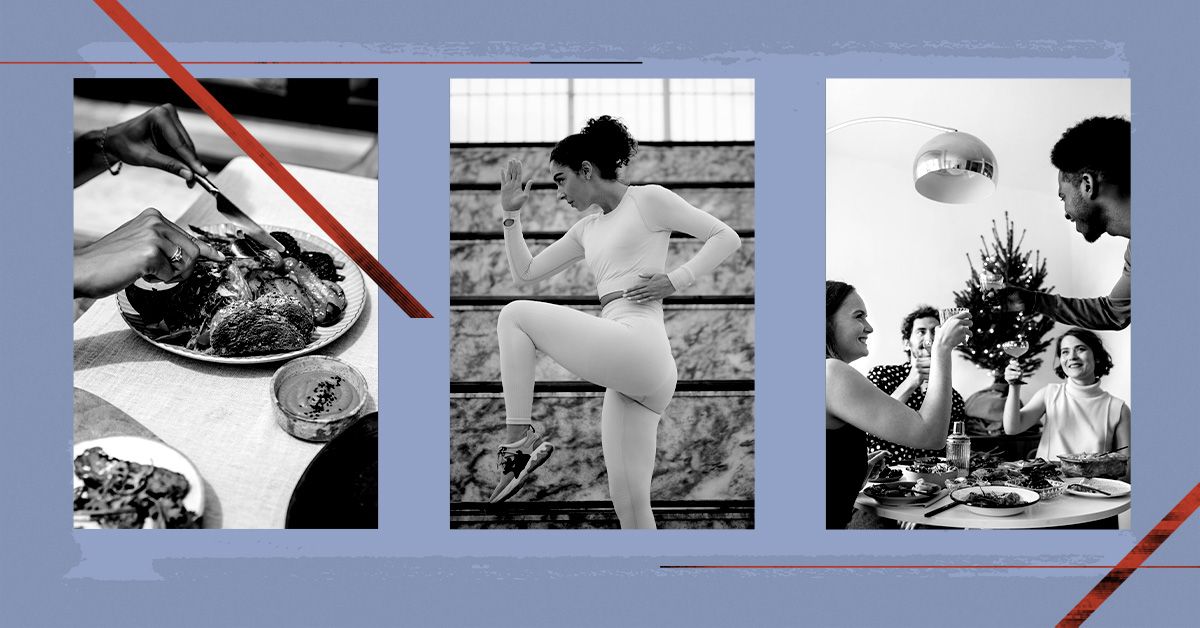
Sapo: Living longer is not only about adding years to your life; it is about adding energy, independence, laughter, mobility, and meaning to those years. Research on healthy aging continues to point toward a surprisingly practical trio: eating well, moving regularly, and staying socially connected. No magic potion requiredunless you count lentil soup, walking shoes, and a friend who insists on calling you “just to check in.”
What Longevity Really Means
Longevity is often misunderstood as simply reaching a very old age. But the bigger goal is healthy longevity, also called healthspan: the number of years a person lives with good physical function, mental clarity, emotional balance, and enough independence to enjoy daily life. In other words, the dream is not just to collect birthday candles until the cake becomes a fire hazard. The dream is to feel well enough to enjoy the party.
Modern science suggests that genetics matter, but lifestyle plays a major role in how people age. A healthy diet, regular physical activity, quality sleep, preventive care, stress management, and strong relationships can all influence the risk of chronic diseases such as heart disease, type 2 diabetes, stroke, dementia, and certain cancers. These habits do not guarantee immortalityunfortunately, nobody has found the “forever” button yetbut they can help improve the odds of living longer and better.
The most encouraging part is that healthy aging does not require perfection. You do not need to move to a mountaintop, grow all your own vegetables, or meditate beside a waterfall every morning. Small, consistent choices often matter more than dramatic short-term changes. A 20-minute walk, a colorful dinner plate, a weekly phone call with family, or joining a local class can become building blocks for a longer, healthier life.
The Longevity Trio: Food, Movement, and Connection
When researchers and public health experts talk about longevity, three themes appear again and again: healthy eating, regular exercise, and an active social life. Each one supports the body in a different way, but together they create a powerful foundation for aging well.
1. A Healthy Diet Helps Protect the Body From the Inside Out
A longevity-friendly diet is not about chasing the latest food trend. It is about nourishing the body with nutrient-dense foods that support heart health, blood sugar balance, digestion, brain function, and steady energy. The most consistent dietary patterns linked with healthy aging emphasize vegetables, fruits, beans, lentils, whole grains, nuts, seeds, seafood, lean proteins, and healthy fats such as olive oil, avocado, and fatty fish.
That does not mean every meal must look like it was styled for a wellness magazine. A simple bowl of oatmeal with berries, a turkey and avocado sandwich on whole-grain bread, salmon with roasted vegetables, vegetable soup with beans, or a stir-fry with tofu and brown rice can all fit beautifully into a healthy diet. The goal is progress, not a perfect Instagram plate.
One reason diet matters so much is inflammation. Chronic, low-grade inflammation is linked with several age-related diseases. Diets rich in fiber, antioxidants, omega-3 fats, and minimally processed foods may help support healthier inflammatory responses. On the other hand, frequent intake of highly processed foods, sugary drinks, excess sodium, refined grains, and processed meats may increase the risk of weight gain, high blood pressure, insulin resistance, and cardiovascular problems.
A practical way to build a longevity-focused plate is to fill half of it with vegetables and fruits, one quarter with protein, and one quarter with whole grains or starchy vegetables. Add a healthy fat, drink water most often, and keep sugary drinks as an occasional treat rather than a daily habit. Your future self may not send a thank-you card, but your arteries might quietly applaud.
2. Exercise Keeps the Body Strong, Mobile, and Resilient
Exercise is one of the most reliable habits for healthy aging because it supports nearly every system in the body. Regular physical activity helps the heart pump more efficiently, improves blood pressure, supports healthy cholesterol levels, strengthens bones and muscles, improves insulin sensitivity, supports mood, and helps maintain balance and coordination.
For most adults, a strong target is at least 150 minutes of moderate-intensity aerobic activity per week, such as brisk walking, cycling, swimming, dancing, or gardening that gets the heart rate up. Adults also benefit from muscle-strengthening activities at least two days per week. For older adults, balance training is especially important because falls can seriously affect independence.
The best exercise is not necessarily the one that burns the most calories. It is the one you can actually keep doing. Walking with a friend, joining a beginner yoga class, lifting light weights, climbing stairs, playing pickleball, swimming laps, or doing chair exercises can all count. Movement does not have to be heroic. It only has to be regular.
Strength training deserves special attention. After midlife, people naturally lose muscle unless they actively work to maintain it. Muscle is not just about looking strong; it helps with balance, metabolism, glucose control, posture, and everyday tasks like carrying groceries or getting up from a chair. A simple strength routine might include squats, wall pushups, resistance-band rows, step-ups, and light dumbbell exercises. Start gently, learn proper form, and increase gradually.
3. Social Connection May Be a Longevity Superpower
Food and exercise often get the spotlight, but social connection may be just as important for healthy longevity. Humans are social creatures. Even the introverts among usyes, the ones who need three business days to recover from a partystill benefit from meaningful connection.
Strong relationships can reduce loneliness, support mental health, encourage healthier habits, and provide practical help during stressful times. People with active social lives may be more likely to stay physically active, keep medical appointments, eat regular meals, and maintain a sense of purpose. Social connection also helps buffer stress, which matters because chronic stress can affect sleep, blood pressure, immune function, and mood.
An active social life does not require a packed calendar. It can mean having coffee with a neighbor, joining a walking group, volunteering, attending a faith or community gathering, taking a class, calling a sibling every Sunday, or meeting friends for lunch. The quality of connection matters more than the number of contacts in your phone.
Loneliness and social isolation can become more common with age due to retirement, mobility challenges, loss of loved ones, hearing problems, transportation barriers, or living alone. That is why building social habits before they are urgently needed is wise. A strong support network is like an emotional emergency fund: you hope you never need it, but life is much better when it is there.
How Diet Supports Longevity
A healthy diet supports longevity by lowering the risk of major chronic diseases and helping the body function well over time. The most beneficial eating patterns tend to be flexible, balanced, and rich in whole foods. The Mediterranean-style diet, DASH diet, MIND diet, and other plant-forward patterns are often associated with healthier aging because they focus on foods that support the heart, brain, gut, and metabolism.
Focus on Fiber
Fiber is one of the unsung heroes of healthy aging. It supports digestion, helps regulate blood sugar, promotes fullness, and feeds beneficial gut bacteria. High-fiber foods include beans, lentils, oats, berries, apples, vegetables, chia seeds, flaxseeds, and whole grains. A bean chili, lentil salad, or bowl of oatmeal may not sound glamorous, but your gut bacteria may treat it like a five-star buffet.
Choose Protein Wisely
Protein helps preserve muscle, supports immune function, and assists with repair. Older adults may need to pay special attention to protein intake because muscle loss becomes more common with age. Good options include fish, poultry, eggs, Greek yogurt, tofu, tempeh, beans, lentils, nuts, and seeds. Red and processed meats are best kept moderate, especially for people concerned about heart health.
Keep Added Sugar and Ultra-Processed Foods in Check
Ultra-processed foods are often designed to be convenient, tasty, and very easy to overeat. They may contain excess added sugar, sodium, refined starches, and unhealthy fats. That does not mean a cookie ruins your life. It means the everyday pattern matters. Try saving sweets, chips, processed meats, and sugary drinks for occasional enjoyment while making whole foods the default.
How Exercise Supports Longevity
Physical activity supports healthy aging in both obvious and invisible ways. The obvious benefits include better stamina, strength, flexibility, and balance. The invisible benefits include improved blood vessel function, better glucose control, lower inflammation, healthier brain function, and improved mood.
Aerobic Activity for the Heart and Brain
Aerobic exercise includes activities that raise the heart rate and breathing. Brisk walking, cycling, swimming, hiking, and dancing are excellent examples. Regular aerobic movement supports cardiovascular health and may help reduce the risk of cognitive decline. If 150 minutes per week sounds intimidating, divide it into smaller portions. Ten minutes after breakfast, ten minutes after lunch, and ten minutes after dinner can add up quickly.
Strength Training for Independence
Strength training helps preserve muscle and bone. It also makes daily life easier. Carrying laundry, opening jars, lifting luggage, getting out of a car, or climbing stairs all require strength. You do not need a fancy gym membership. Resistance bands, body-weight exercises, soup cans, or light dumbbells can work well when used consistently and safely.
Balance and Flexibility for Safer Movement
Balance training becomes more important with age. Tai chi, yoga, heel-to-toe walking, standing on one foot near a stable surface, or guided balance exercises can improve stability. Flexibility work helps maintain range of motion, reduce stiffness, and make movement feel easier. A few gentle stretches after a walk can be surprisingly effective.
Why an Active Social Life Belongs in a Longevity Plan
Social health is not a bonus feature of wellness; it is part of the main operating system. People who feel connected often have better emotional resilience, more motivation, and a stronger sense of meaning. These factors can influence daily choices in powerful ways.
For example, a person who joins a walking group may exercise more consistently because the group provides accountability and fun. Someone who cooks with family may eat more balanced meals. A retired adult who volunteers may gain purpose, routine, and new friendships. These are not tiny details. They are lifestyle anchors.
Connection Does Not Have to Be Complicated
Start with simple actions. Text a friend. Schedule a weekly call. Invite a neighbor for tea. Join a library club. Take a community class. Volunteer once a month. Say yes to the birthday lunch even if staying home sounds easier. Social habits build slowly, but they can transform the emotional texture of life.
Purpose Is Part of the Puzzle
Purpose gives people a reason to get up, participate, and contribute. It may come from family, work, hobbies, volunteering, faith, creativity, mentoring, caregiving, or learning. A sense of purpose can make healthy behaviors feel less like chores and more like tools for staying engaged in the life you care about.
Other Longevity Habits That Support the Big Three
Diet, exercise, and social connection are powerful, but they work best when supported by other healthy habits.
Prioritize Sleep
Sleep helps the body repair, supports memory, regulates hormones, and strengthens immune function. Adults generally need consistent, good-quality sleep. Helpful habits include keeping a regular sleep schedule, limiting late caffeine, reducing screen exposure before bed, and creating a calm bedroom environment.
Avoid Smoking and Limit Alcohol
Not smoking is one of the most important decisions for long-term health. Smoking affects the heart, lungs, blood vessels, skin, and cancer risk. Alcohol should be limited, and some people may be better off avoiding it entirely depending on their health history, medications, or personal risk factors.
Manage Stress Before It Manages You
Stress is part of life, but chronic stress can wear down health over time. Walking, breathing exercises, journaling, therapy, prayer, meditation, music, gardening, and time with supportive people can all help. Stress management does not require pretending life is perfect. It means giving your nervous system regular chances to exhale.
Keep Up With Preventive Care
Screenings, vaccines, dental care, vision checks, and regular medical visits can catch problems earlier and help people stay healthier longer. Prevention may not feel exciting, but neither does discovering an avoidable issue late. Your calendar may not love doctor appointments, but your future health may.
A Simple Longevity Plan You Can Start This Week
The best longevity plan is one you can live with. Start small, make it practical, and build gradually. Here is a simple weekly approach:
- Eat one extra serving of vegetables daily. Add spinach to eggs, carrots to lunch, or roasted broccoli to dinner.
- Walk for 20 minutes most days. If needed, split it into two 10-minute walks.
- Strength train twice weekly. Focus on legs, back, chest, core, and arms.
- Call or meet one person you care about. Connection is a health habit, not just a nice idea.
- Plan one balanced meal ahead of time. Future-you will be grateful when hunger arrives with dramatic energy.
- Go to bed 15 minutes earlier. Small sleep improvements can create real momentum.
These steps are not flashy, but they are powerful because they are repeatable. Longevity is rarely built by one grand decision. It is built by hundreds of ordinary choices that quietly compound over years.
Common Longevity Mistakes to Avoid
Trying to Change Everything Overnight
Many people get excited, overhaul their entire routine, and burn out within two weeks. A better strategy is to change one or two habits at a time. Consistency beats intensity.
Ignoring Strength Training
Walking is excellent, but muscle matters. Strength training helps protect independence, balance, and metabolic health. Even short sessions can help when done regularly.
Eating “Healthy” but Not Enough
Some people, especially older adults, may unintentionally eat too little protein, calories, or key nutrients. Healthy eating should nourish the body, not leave it under-fueled. If appetite, weight, or nutrition becomes a concern, a healthcare professional or registered dietitian can help.
Letting Social Life Fade
Relationships require maintenance. Waiting until loneliness becomes severe makes connection harder. Treat social contact like exercise: schedule it, practice it, and value it.
Real-Life Experiences: What Healthy Longevity Looks Like in Daily Life
Healthy longevity is easiest to understand when it leaves the research paper and walks into real life wearing comfortable shoes. Imagine a 62-year-old woman named Linda who used to believe “exercise” meant suffering under fluorescent gym lights while a treadmill judged her speed. After a mild health scare, she started walking around her neighborhood for 12 minutes after dinner. At first, she considered it a victory if she made it past the second mailbox. Three months later, she was walking 30 minutes, chatting with neighbors, and sleeping better. Her diet changed toonot because she became a different person, but because walking made her feel more in charge. She began adding vegetables to soups, swapping soda for sparkling water, and cooking salmon on Sundays. Her biggest surprise? The habit she loved most was waving to the same neighbor every evening until they eventually became friends.
Now picture Robert, 70, recently retired and slightly suspicious of “wellness advice,” which he thought mostly involved expensive powders and people smiling too aggressively. His daughter encouraged him to join a beginner strength class at the community center. He went once, mostly to prove he would hate it. Instead, he discovered that everyone else was also figuring things out. Nobody cared if he used the lightest dumbbells. After several weeks, he noticed he could carry groceries more easily and stand up from low chairs without making the dramatic sound effects he had previously considered mandatory. More importantly, he had somewhere to be every Tuesday and Thursday. The class became exercise, social time, and routine all in one.
Or consider Maria, 55, who worked long hours and often ate whatever was fastest. She did not need a perfect diet; she needed a repeatable system. She started with three “default meals”: Greek yogurt with berries and walnuts for breakfast, a bean-and-chicken salad for lunch, and a simple dinner formula of protein, vegetables, and whole grains. She still enjoyed pizza on Friday nights, but her weekday meals became steadier. Her energy improved because she was no longer running on coffee, crackers, and hope. When friends asked what diet she was following, she joked, “The one where I finally remember I am not a vending machine.”
These experiences show that longevity habits are not separate boxes. They overlap. A walking group provides movement and friendship. Cooking dinner with family improves nutrition and connection. Volunteering adds purpose and activity. A dance class supports balance, heart health, mood, and laughterespecially when everyone turns the wrong direction at least once. The most sustainable habits usually fit into a person’s real life instead of demanding a total personality transplant.
The lesson is simple: start where you are. If you are inactive, begin with short walks. If your meals are chaotic, improve one meal per day. If your social life feels thin, schedule one connection each week. If sleep is poor, adjust your bedtime by 10 or 15 minutes. Healthy longevity is not a single heroic leap. It is a collection of small, kind promises you keep to yourself. Over time, those promises become strength, energy, confidence, and connection. That is what aging well can look likenot perfect, not effortless, but deeply worthwhile.
Conclusion: The Secret to Longevity Is Surprisingly Human
The keys to longevity are not locked inside a luxury supplement bottle or hidden in a mysterious mountain herb. For most people, the strongest foundation is refreshingly human: eat nourishing foods, move your body often, maintain meaningful relationships, sleep well, manage stress, and keep up with preventive care.
A healthy diet helps fuel the body and reduce chronic disease risk. Exercise keeps the heart, muscles, bones, brain, and metabolism working better. An active social life supports emotional health, purpose, and resilience. Together, these habits can help extend not only lifespan but healthspanthe years when life feels active, connected, and worth showing up for.
You do not need to become a wellness monk by Monday. Start with one meal, one walk, one phone call, one earlier bedtime. Repeat. Adjust. Keep going. Longevity is not about chasing perfection. It is about building a life your future self will be thrilled to inhabit.
Note: This article is for educational purposes only and should not replace professional medical advice. Anyone with a medical condition, injury, medication concern, or major lifestyle change should speak with a qualified healthcare professional.