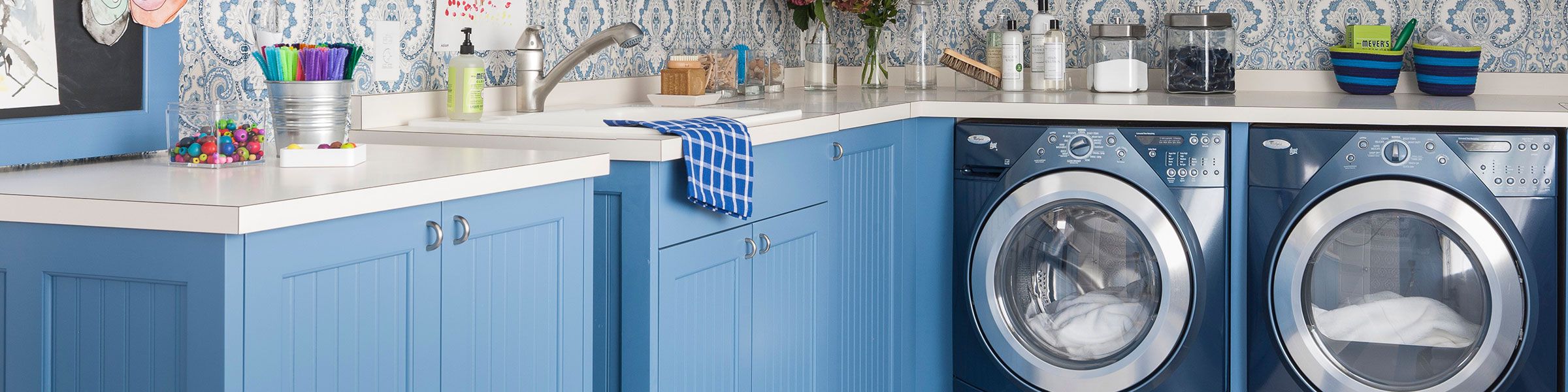
A laundry room may not be the first place guests admire when they walk into your home, but it is one of the hardest-working spaces in the house. It catches muddy socks, mystery stains, pet towels, cleaning supplies, lost buttons, and that one fitted sheet nobody wants to fold. Because of that, laundry room decorating and design ideas should do more than make the space “pretty.” They should help the room function smoothly, stay organized, and make wash day feel less like a household punishment.
The best laundry room design blends practical storage, durable materials, good lighting, easy workflow, and a little personality. Whether you have a full laundry room, a narrow hallway setup, a laundry closet, or a mudroom-laundry combination, the goal is the same: create a space where washing, drying, folding, sorting, and storing all make sense. And yes, if the room can look charming while doing all that heavy lifting, even better. Laundry may be boring, but your laundry room does not have to dress like it gave up in 2008.
Start With a Smart Laundry Room Layout
Before choosing paint colors, wallpaper, baskets, or cabinet hardware, look at the room’s layout. A beautiful laundry room that forces you to do a sideways crab walk around the dryer door is not a design victory. Start by thinking through your laundry routine. Where do dirty clothes enter the room? Where do you sort them? Where do clean clothes go after drying? Where will you fold, hang, iron, steam, or treat stains?
For side-by-side front-loading machines, a countertop above the washer and dryer is one of the most useful upgrades. It creates a flat surface for folding clothes, sorting towels, matching socks, and pretending you will fold everything immediately instead of letting it become Mount Laundry. For stacked machines, use the freed-up floor space for a tall cabinet, hamper station, utility sink, or vertical shelving.
Think About Doors, Clearances, and Movement
A common laundry room mistake is forgetting how appliance doors, cabinet doors, closet doors, and room doors interact. Make sure the washer and dryer can open fully without blocking shelves, hampers, or walking paths. If space is tight, sliding doors, pocket doors, accordion cabinet doors, or open shelving may work better than traditional swing doors.
The room should also have a clear work triangle: washer, dryer, and folding zone. If you regularly air-dry clothing, add a hanging rod or fold-down drying rack near the machines. If your laundry room doubles as a mudroom, keep hooks, shoe storage, and everyday drop-zone items closer to the entrance so wet jackets and muddy sneakers do not mingle dramatically with your clean sheets.
Choose Storage That Matches Real Life
Laundry room storage ideas should be based on what you actually keep in the space, not what looks cute in a photo. Most laundry rooms need storage for detergent, stain remover, dryer sheets or wool dryer balls, cleaning sprays, extra paper products, pet supplies, mops, brooms, rags, towels, sewing kits, and random household items that wandered in without permission.
Closed cabinets are excellent for hiding visual clutter. Open shelves are great for frequently used items, especially when paired with baskets, bins, or jars. A mix of both usually works best: cabinets for bulk supplies and cleaning products, open shelves for everyday laundry essentials, and hooks for items that need quick access.
Use Vertical Space Like a Design Pro
If your laundry room is small, vertical storage is your best friend. Install cabinets or shelves above the washer and dryer, add a wall-mounted drying rack, use over-the-door organizers, and consider tall cabinets that reach toward the ceiling. The uppermost shelves can hold items you use less often, while lower shelves should keep daily supplies within easy reach.
For a polished look, use matching baskets or labeled bins. This simple trick instantly makes open shelving feel intentional instead of “I ran out of cabinet space and panicked.” Woven baskets bring warmth, clear bins make it easy to see supplies, and metal baskets work well in farmhouse, industrial, or modern laundry rooms.
Add a Folding Countertop
If there is one upgrade that can change how a laundry room works, it is a folding countertop. A counter over front-loading machines gives you a dedicated surface for folding, sorting, stacking, and treating stains. Choose a material that can handle moisture and daily use, such as sealed butcher block, quartz, laminate, or solid surface.
In a small laundry closet, even a removable or hinged counter can make a difference. A fold-down wall table can provide a temporary folding station and disappear when not in use. If you have a larger room, consider a built-in counter with lower cabinets or cubbies underneath for laundry baskets.
Create a Basket System
Laundry becomes easier when every category has a place. Add separate hampers for whites, darks, towels, delicates, and “this needs serious emotional support before washing.” Rolling hampers work well in larger laundry rooms, while pull-out basket drawers are ideal for built-in cabinets. If floor space is limited, use narrow vertical hamper units or labeled bags on hooks.
Decorate With Color, Pattern, and Personality
Laundry rooms are perfect places to take small design risks. Because the space is usually compact, a bold paint color, playful wallpaper, patterned floor tile, or statement light fixture can make a big impact without overwhelming the rest of the home. If you have been secretly wanting sage green cabinets, blue-and-white wallpaper, cheerful yellow walls, or black-and-white tile, the laundry room is a safe place to let that design idea out for some fresh air.
For a calm laundry room, try soft neutrals, warm whites, pale blues, muted greens, or light greige. For a bolder look, consider navy cabinets, emerald accents, terracotta walls, graphic wallpaper, or matte black hardware. The key is to balance personality with function. A busy wallpaper can look wonderful behind simple cabinets. Bright cabinetry can shine against clean white walls. Patterned floors can add energy while keeping the walls quiet.
Use Wallpaper Wisely
Wallpaper can transform a laundry room from utility zone to little jewel box. Botanical prints, subtle stripes, geometric patterns, and vintage-inspired designs all work beautifully. However, choose wallpaper that can handle moisture and humidity. Vinyl, washable, or moisture-resistant wallpaper is more practical than delicate natural materials in areas where damp clothes may hang.
If you are nervous about wallpapering the whole room, try one accent wall, the wall behind open shelves, the inside of a laundry closet, or even the ceiling. A wallpapered ceiling is unexpected, stylish, and gives you something nice to look at while wondering why one household owns 47 unmatched socks.
Improve Lighting for Better Function and Style
Laundry rooms need good lighting because stains, lint, and color sorting require visibility. One dim ceiling bulb is not enough unless your design theme is “basement interrogation room.” Layer your lighting with overhead fixtures, under-cabinet lighting, and task lighting near counters or sinks.
A flush-mount or semi-flush ceiling fixture works well in small rooms. Pendant lights can add character in larger laundry rooms with higher ceilings. Under-cabinet LED strips brighten folding surfaces and make the space feel more custom. If your laundry room has a window, keep treatments light and washable so natural light can do its cheerful little job.
Pick Durable Flooring and Wall Materials
Laundry room floors need to handle moisture, vibration, dropped detergent bottles, muddy shoes, and the occasional laundry basket crash landing. Practical flooring options include porcelain tile, ceramic tile, luxury vinyl plank, waterproof laminate, and sealed concrete. These materials are durable, easy to clean, and available in styles that range from modern to farmhouse to classic.
Patterned tile can add instant personality, especially in a small laundry room. A black-and-white checkerboard floor feels timeless. A soft blue or gray patterned tile adds charm without becoming too loud. Wood-look vinyl plank can warm up the space while staying more water-resistant than real wood.
Protect Walls From Splashes and Scuffs
If your laundry room has a sink, add a backsplash. Tile, beadboard, shiplap, washable paint, or waterproof wall panels can protect surfaces and make the room look finished. Beadboard works especially well in cottage, coastal, and farmhouse laundry rooms, while sleek tile or slab backsplashes suit modern spaces.
Add a Utility Sink If Space Allows
A laundry sink is one of those features you may not think you need until you have one. It is useful for hand-washing delicates, soaking stained clothes, rinsing muddy shoes, cleaning paintbrushes, filling mop buckets, and dealing with pet messes. If your laundry room also serves as a mudroom, garden room, or pet-care area, a sink becomes even more valuable.
For a small room, choose a compact sink cabinet or wall-mounted utility sink. For a larger laundry room, a farmhouse sink or deep undermount sink can become both a design feature and a workhorse. Pair it with a high-arc faucet or pull-down sprayer for better function.
Make Small Laundry Rooms Work Harder
Small laundry room ideas are all about efficiency. Use every inch carefully. Stack the washer and dryer if it improves flow. Add shelves above machines. Mount hooks on unused walls. Choose slim rolling carts that fit between appliances. Install a fold-down drying rack. Use magnetic storage on the side of appliances for small items. Place a narrow shelf above the machines for detergent and stain remover.
In a laundry closet, hide supplies in matching bins and use the back of the door for an organizer. If the machines sit in a hallway, add doors or a curtain that blends with the surrounding decor. A small space looks better when everything has a designated home and the color palette stays consistent.
Try a Laundry Closet Makeover
A laundry closet can feel stylish with just a few upgrades: peel-and-stick wallpaper, a small shelf, a countertop over the machines, a battery-operated light, matching containers, and attractive hooks. Keep the palette simple so the closet feels clean rather than crowded. White shelves, natural baskets, black hardware, and a soft wall color can make even a tiny laundry nook feel designed.
Create a Mudroom-Laundry Combo
A mudroom-laundry room combination is practical for busy households. Dirty sports uniforms, beach towels, pet blankets, and muddy clothes can go directly into the wash instead of touring the rest of the house like tiny fabric villains. To make the combo work, create separate zones.
Use hooks and cubbies near the entrance for coats, bags, shoes, and umbrellas. Keep laundry supplies near the washer and dryer. Add a bench with storage underneath if space allows. Durable flooring is especially important in this type of room, and washable rugs can add comfort without causing cleaning drama.
Hide Clutter Without Making the Room Boring
Laundry rooms collect clutter because they are useful. The answer is not to pretend clutter will never happen. The answer is to design for it. Use cabinets for bulk supplies, labeled baskets for categories, trays for small items, jars for clothespins, and hooks for reusable bags or drying tools.
If you prefer a clean modern look, choose flat-front cabinets, simple hardware, and hidden hampers. If you like a cozy style, use woven baskets, wood shelves, vintage art, and warm lighting. If your style leans farmhouse, mix shaker cabinets, beadboard, black hooks, and a utility sink. For a modern organic laundry room, combine white walls, natural wood, stone-look counters, and soft green or taupe accents.
Use Decor That Belongs in a Working Room
Laundry room decor should be attractive but not fussy. Framed art, a washable runner, pretty containers, a small plant, stylish cabinet pulls, and a cheerful wall color can make the room feel finished. Avoid decorations that get in the way of the work. A laundry room does not need seventeen ceramic birds on the folding counter. The socks already have enough confusion.
Choose art that can handle humidity and frames that are easy to wipe clean. Use rugs that are washable or indoor-outdoor friendly. Add plants only if the room has enough light, or choose realistic faux greenery for a fresh look without creating another chore.
Laundry Room Design Ideas by Style
Modern Laundry Room
Choose clean lines, slab cabinets, quartz counters, integrated storage, matte black or brushed nickel hardware, and a neutral palette. Add warmth with wood shelves or a woven hamper.
Farmhouse Laundry Room
Use shaker cabinets, beadboard, a farmhouse sink, open wood shelving, black hooks, labeled baskets, and a vintage-inspired light fixture. Keep it charming, not cluttered.
Coastal Laundry Room
Try soft blues, sandy neutrals, white cabinets, natural baskets, striped textiles, and light wood tones. A coastal laundry room should feel breezy, not like a souvenir shop exploded.
Luxury Laundry Room
Add custom cabinetry, stone counters, elegant lighting, a deep sink, built-in hampers, polished hardware, and wallpaper with depth. Luxury here means the room works beautifully and looks intentional.
Budget-Friendly Laundry Room Decorating Ideas
You do not need a full renovation to improve a laundry room. Paint the walls, swap cabinet hardware, add peel-and-stick wallpaper, install floating shelves, use matching baskets, upgrade the light fixture, or add a washable rug. These smaller updates can make the room feel fresh without requiring a dramatic budget or a contractor named Gary who disappears for three weeks.
Another affordable idea is to decant everyday supplies into attractive containers. Keep safety in mind and label everything clearly, especially if children or pets are in the home. Store cleaning products securely and avoid placing heavy containers on high shelves where they could fall.
Common Laundry Room Design Mistakes to Avoid
The first mistake is ignoring workflow. If you have nowhere to fold, nowhere to hang, and nowhere to store detergent, even the prettiest laundry room will frustrate you. The second mistake is choosing materials that cannot handle moisture. The third is underestimating storage. Laundry rooms often serve more than one purpose, so plan for the real amount of stuff the room must hold.
Another mistake is poor lighting. You need to see stains before washing and wrinkles before pretending they are “part of the fabric’s personality.” Finally, do not forget ventilation and appliance access. Leave room for maintenance, hoses, vents, and cleaning behind or around machines.
Real-Life Experience: What Actually Makes a Laundry Room Better
The best laundry room decorating and design ideas often come from living with the room for a while. In real homes, the laundry room is rarely just a laundry room. It becomes the place where the dog leash lands, the extra paper towels hide, the mop dries, the beach towels pile up, and someone stores a mystery charger because “it might be important.” That is why a realistic design begins with observation.
One useful experience-based approach is to spend a week noticing the pain points. If clean clothes keep landing on top of the dryer, you probably need a folding counter or basket station. If detergent bottles crowd the floor, you need lower cabinet storage or a shelf within arm’s reach. If damp clothes end up draped over chairs around the house, a drying rod or wall-mounted rack will help more than another decorative sign that says “Wash, Dry, Fold, Repeat.”
A small laundry room can feel bigger when the design reduces visual noise. Matching baskets, one wall color, closed cabinets, and a clear counter can make a cramped space feel calmer. In practice, this matters because people are more likely to maintain a room that looks manageable. When every item has a home, cleaning up takes seconds instead of becoming a Saturday morning personality test.
Another lesson from real laundry spaces is that convenience beats perfection. Open shelves may not look as sleek as full cabinetry, but if your family uses detergent, stain remover, and dryer balls every day, keeping them accessible makes sense. A beautiful room that hides everything too well can become annoying. The sweet spot is storing daily items where they are easy to grab and hiding backup supplies elsewhere.
Lighting also changes the mood more than people expect. A brighter fixture, under-shelf lighting, or even a lighter wall color can make the room feel cleaner and more pleasant. Laundry is repetitive, so small comforts matter. A soft rug underfoot, a cheerful wallpaper, a plant on a shelf, or a framed print can make the space feel less like a chore cave.
Finally, the most successful laundry rooms are designed around habits, not fantasy habits. If you fold clothes immediately, build a generous counter. If you sort clothes before washing, use divided hampers. If you air-dry many garments, prioritize hanging space. If your laundry room is also the household utility zone, add tall storage for brooms, vacuums, and cleaning supplies. Design for the life you actually live, and the room will serve you better every single week.
Conclusion
Laundry room decorating and design ideas work best when style supports function. Start with a practical layout, add smart storage, choose durable materials, improve lighting, and bring in color or pattern that makes the room feel connected to the rest of your home. Whether you are decorating a tiny laundry closet or planning a complete laundry room makeover, every choice should make wash day easier, cleaner, and maybe even a little more enjoyable.
You may never love laundry itself. That might be asking too much from socks and towels. But you can absolutely love the room where laundry happens. With the right design, your laundry space can become organized, attractive, efficient, and surprisingly cheerfula hardworking little room that finally gets the respect it deserves.