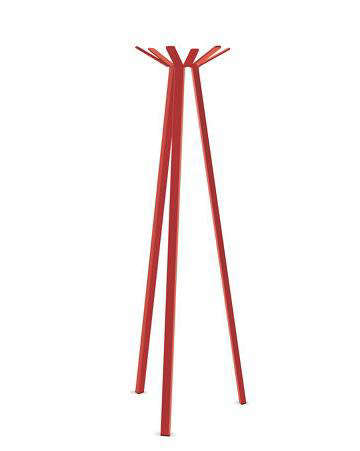
A large six-arm coat rack may not sound like the hero of a home, but let’s be honest: the entryway is where good intentions go to trip over backpacks, scarves, dog leashes, tote bags, rain jackets, and that one mystery hoodie nobody claims. A well-designed coat rack steps in like a polite but firm bouncer, giving every item a place to land before it becomes floor décor.
The beauty of a large six-arm coat rack is its balance of capacity, simplicity, and style. Six arms provide enough hanging space for daily coats, hats, handbags, umbrellas, and work bags without turning the rack into a wobbly metal tree of doom. Whether it stands in a foyer, mudroom, bedroom, office, hallway, or apartment corner, this type of coat rack offers instant organization without demanding built-in cabinetry or a weekend renovation involving power tools and regret.
In this guide, we’ll explore what makes a large six-arm coat rack useful, how to choose the right one, where to place it, which materials work best, and how to style it so your entryway looks intentional instead of “we came home tired and surrendered.”
What Is a Large Six-Arm Coat Rack?
A large six-arm coat rack is typically a freestanding or wall-mounted storage piece with six hooks, pegs, branches, or arms designed to hold outerwear and accessories. The “large” part usually refers to its height, overall storage capacity, sturdy base, or generous hook spacing. Many freestanding models stand around adult shoulder height or taller, making them suitable for long coats, winter jackets, scarves, and bags.
The six-arm design is practical because it gives users enough hanging points without overcrowding the structure. Three hooks can feel too minimal for a busy household, while a rack with fifteen hooks can invite clutter to start a small civilization. Six arms sit in the sweet spot: useful, roomy, and still visually clean.
Why a Six-Arm Coat Rack Works So Well
It Creates a Simple Drop Zone
Every organized entryway needs a drop zone. That means a clear place for the items you use every day: coats, keys, hats, bags, leashes, umbrellas, and sometimes the reusable grocery bag you definitely meant to bring into the store. A large six-arm coat rack creates a vertical drop zone that keeps items visible and easy to grab.
Unlike a closet, which often hides clutter behind a door, a coat rack encourages quick habits. Walk in, hang the jacket, drop the bag, move on with life. It’s not glamorous, but neither is searching for your scarf while already late.
It Uses Vertical Space Efficiently
Homes rarely suffer from a shortage of floor clutter; they suffer from underused vertical space. A coat rack makes the wall, corner, or hallway work harder without adding bulky furniture. This is especially useful in apartments, narrow entryways, studio spaces, dorm rooms, home offices, and homes without a traditional coat closet.
A freestanding six-arm coat tree can fit beside a door, near a bench, beside a wardrobe, or in an unused corner. A wall-mounted version can make an even smaller footprint, though it requires proper installation and wall support.
It Adds Style Without Trying Too Hard
A coat rack is functional, but that does not mean it has to look like it was borrowed from a backstage theater hallway. Today’s large six-arm coat racks come in solid wood, black metal, brushed brass, powder-coated steel, mixed wood-and-metal designs, marble-base styles, minimalist silhouettes, rustic farmhouse forms, and playful modern shapes.
In other words, the coat rack can match the personality of the room. A walnut rack feels warm and classic. A matte black metal rack looks crisp and modern. A white or natural wood piece fits Scandinavian and coastal interiors. A sculptural rack can even act like functional art, which is the best kind of art because it also holds your tote bag.
Best Places to Use a Large Six-Arm Coat Rack
Entryway or Foyer
The entryway is the obvious home for a coat rack. Place it close enough to the front door that hanging a coat feels easier than tossing it over a chair. If your foyer is small, choose a tall, slim design with a weighted or wide base. If the space is larger, pair the rack with a bench, mirror, rug, tray, or basket to create a complete landing zone.
Mudroom
A mudroom practically begs for hooks. A large six-arm coat rack can handle jackets, raincoats, gardening hats, pet leashes, reusable bags, and umbrellas. For families, consider assigning each person one hook or arm. This will not magically make children hang up their backpacks every time, but it does remove their best excuse.
Bedroom
In a bedroom, a six-arm coat rack can hold robes, cardigans, handbags, hats, tomorrow’s outfit, or frequently worn layers. It is especially helpful for renters or anyone with limited closet space. The trick is restraint: use it for everyday pieces, not as a vertical laundry mountain.
Home Office
A coat rack in a home office keeps blazers, headphones, laptop bags, and scarves off the desk chair. It can also make the room feel more polished for video calls, assuming the rack is not carrying seven jackets and a gym bag from 2022.
Guest Room
A six-arm coat rack gives guests a place to hang coats, bags, hats, and towels without digging through your closet. It is a small hospitality move that says, “Welcome, I have thought about your comfort,” rather than “Please balance your luggage on this decorative chair.”
How to Choose the Best Large Six-Arm Coat Rack
Look for Stability First
Stability is the most important feature of any freestanding coat rack. A large rack should have a wide base, weighted bottom, tripod-style legs, heavy wood foundation, metal support, or marble-style base. The taller the rack, the more important the base becomes. A beautiful coat rack that tips over every time someone hangs a winter coat is not furniture; it is a household prank.
If you plan to hang heavy coats, handbags, backpacks, or multiple items at once, check the product’s listed weight capacity. Also consider how the arms are arranged. Staggered hooks help distribute weight more evenly and prevent bulky coats from tangling together.
Choose the Right Material
Wood coat racks offer warmth, durability, and a classic look. Solid wood pieces can feel substantial and blend well with traditional, farmhouse, mid-century, rustic, or transitional interiors. Metal coat racks often look sleek and modern. Powder-coated metal can resist scratches better than thin painted finishes, while iron or steel designs usually provide strong support.
Mixed-material coat racks, such as metal frames with wood tips or wood bases with metal hooks, offer a nice balance. They can soften the look of metal while keeping the structure sturdy. Marble-base or stone-base racks add weight and elegance, though they can be heavier to move.
Check Hook Shape and Spacing
The arms or hooks should be smooth, rounded, and spaced far enough apart to prevent crowding. Rounded hook ends are gentler on fabrics, especially wool coats, knit scarves, leather handles, and delicate jackets. Sharp hooks may look edgy, but your cashmere scarf may have thoughts.
Six arms should provide practical separation. If every hook is stacked at the same height and too close together, bulky coats can overlap. A tiered design, with hooks at slightly different levels, makes the rack more useful for hats, bags, scarves, and jackets.
Measure Height and Footprint
Before buying, measure the spot where the rack will live. For freestanding models, check both height and base diameter. A rack can look slim online but become a traffic obstacle in a narrow hallway. For wall-mounted versions, measure the width, hook projection, and installation height.
In general, a large coat rack should be tall enough that coats do not drag on the floor and accessible enough that daily users can reach the hooks comfortably. In family homes, a combination of high and low hooks can help kids participate in the radical household concept known as “putting things away.”
Freestanding vs. Wall-Mounted Six-Arm Coat Racks
Freestanding Coat Rack
A freestanding large six-arm coat rack is flexible. You can move it from the entryway to the bedroom, shift it during cleaning, or take it with you when moving homes. It is ideal for renters, temporary spaces, or anyone who prefers not to drill into walls.
The main concern is stability. A freestanding rack must have a strong base and balanced design. It should not wobble when loaded unevenly. For heavier use, choose a model with a weighted base, wide legs, solid wood construction, or sturdy metal frame.
Wall-Mounted Coat Rack
A wall-mounted six-arm coat rack saves floor space and can look very streamlined. It is excellent for narrow halls, small apartments, laundry rooms, bathrooms, kitchens, and mudrooms. Some wall-mounted racks also include shelves, which are handy for keys, small baskets, sunglasses, mail, or décor.
The tradeoff is installation. Wall-mounted racks need secure anchoring, especially if they will hold heavy coats or bags. When possible, mount into studs or use appropriate hardware for the wall type. A hook rack is only as strong as what holds it to the wall.
Design Styles That Pair Well With a Large Six-Arm Coat Rack
Modern Minimalist
For a clean modern look, choose black metal, white metal, natural wood, or a slim sculptural form. Keep the surrounding area simple: one mirror, one tray, one narrow bench, and a neutral rug. The goal is calm, not a coat rack auditioning for a storage reality show.
Farmhouse and Rustic
A wood six-arm coat rack works beautifully in farmhouse, cottage, and rustic spaces. Look for warm finishes, visible grain, turned posts, or iron details. Pair it with woven baskets, a jute rug, vintage-style umbrella stand, or bench with cubbies.
Industrial
Industrial interiors love metal, dark finishes, exposed hardware, and practical silhouettes. A black iron or steel rack with simple arms fits right in. Add a leather bench, metal shoe tray, and warm lighting to keep the space from feeling too cold.
Mid-Century Inspired
Mid-century style favors tapered legs, walnut tones, rounded forms, and clever function. A six-arm coat rack with wood pegs or brass accents can complement this look without overwhelming it. Keep the styling playful but edited.
What Can You Hang on a Six-Arm Coat Rack?
The obvious answer is coats, but a large six-arm coat rack can handle more than outerwear. Use it for jackets, hats, scarves, umbrellas, handbags, tote bags, reusable grocery bags, dog leashes, robes, backpacks, camera bags, caps, lightweight blankets, headphones, and guest items.
For best results, avoid hanging too many heavy bags on one side. Distribute weight around the rack. Put heavier items lower when possible and lighter accessories higher. If the rack starts leaning like it has heard bad news, remove some weight and rebalance it.
How to Style a Large Six-Arm Coat Rack Without Creating Clutter
A coat rack should look useful, not overloaded. Start by deciding what truly belongs there. Daily-use jackets? Yes. A formal coat worn once a year? Probably not. Five tote bags because they are “technically useful”? Choose your favorite two and release the others to a closet.
Use a nearby basket for hats, gloves, or scarves if they do not hang neatly. Add a small tray or dish for keys. Place a runner rug under or near the rack to visually define the entry zone. If the rack is freestanding, leave enough space around it so coats can hang naturally and people can pass without brushing against sleeves.
For wall-mounted racks, hang them at a height that matches the household. In homes with kids, consider a lower companion hook or basket. In adult-only spaces, keep hooks high enough for long coats but still comfortable to reach.
Maintenance Tips for Long-Term Use
A large six-arm coat rack does not need much maintenance, but a little care keeps it looking sharp. Dust wood racks regularly and wipe them with a soft cloth. Avoid soaking wood or using harsh cleaners that may damage the finish. For metal racks, use a dry or slightly damp cloth and check occasionally for scratches, loose screws, or worn joints.
Every few weeks, edit what is hanging on the rack. This is the secret step. Coat racks become cluttered not because they fail, but because we ask them to store the emotional history of every season. Keep current items visible and move off-season gear elsewhere.
Common Mistakes to Avoid
Buying for Looks Only
A gorgeous rack with weak hooks or a tiny base will disappoint quickly. Choose style, yes, but also check construction, weight capacity, balance, and hook spacing.
Ignoring the Room’s Traffic Flow
A rack placed in a narrow path will become annoying fast. Make sure doors can open, people can pass, and hanging coats do not block switches, vents, or walkways.
Overloading Every Hook
Six arms do not mean six piles. Hang one or two reasonable items per arm, depending on size and weight. When the rack starts wearing more layers than a ski instructor, it is time to declutter.
Forgetting About Kids and Guests
If children or frequent guests will use the rack, choose accessible hook heights or add a secondary storage solution. The easier the system is, the more likely people are to use it.
Large Six-Arm Coat Rack Buying Checklist
Before choosing a large six-arm coat rack, ask a few practical questions. Where will it go? What will it hold? Does it need to be freestanding or wall-mounted? Is the base stable enough for daily use? Are the hooks smooth and well spaced? Does the finish match the room? Can it handle winter coats, bags, and accessories without tipping or sagging?
Also think about the mood you want to create. A coat rack near the front door is one of the first things people see. It can make your home feel polished, welcoming, and organized. Or, if chosen poorly, it can look like a coat octopus guarding the hallway. Aim for the first option.
Real-Life Experiences With a Large Six-Arm Coat Rack
Living with a large six-arm coat rack is a surprisingly revealing home experiment. On day one, it feels like a simple purchase. By day seven, it starts exposing everyone’s habits. The person who always drops a jacket on the sofa suddenly has no defense. The dog leash finally stops migrating from kitchen counter to dining chair. The work bag has a home. The umbrella no longer hides in the car until the exact moment it rains. Small victory? Absolutely. But homes are built on small victories.
One of the best experiences with a six-arm coat rack is the speed it brings to daily routines. In the morning, you can see what you need. Coat on the left, tote on the right, scarf hanging where you left it, hat perched on top like it has an appointment. There is no digging through a closet packed with out-of-season jackets. There is no opening three doors to find one reusable shopping bag. The rack turns the exit process into a clean grab-and-go rhythm.
Another practical benefit shows up when guests visit. Instead of doing the awkward “just put your coat anywhere” dance, you can point to the rack. Six arms usually provide enough room for a small gathering, especially if household items are edited beforehand. Guests appreciate not having to throw their coats across a bed, and you avoid the end-of-night coat shuffle where everyone accidentally leaves with the wrong black jacket.
Families may find the six-arm format especially helpful because it naturally creates zones. One hook for each person works well in a household of three or four, leaving extra space for bags or visitors. In a mudroom, kids can hang backpacks at reachable levels while adults use higher arms for coats and hats. The system is visible, which matters. When storage is hidden, people forget it exists. When hooks are right by the door, even the most creatively messy household member may participate.
There are lessons, too. A large coat rack is not a magic wand. If you overload it, it becomes visual noise. If you hang heavy bags unevenly, some freestanding racks may wobble. If you place it too close to a door, sleeves get caught in the traffic pattern. The best experience comes from treating the rack as daily storage, not seasonal storage. Keep winter coats there during winter, rain gear during rainy months, and everyday bags year-round. Move rarely used items elsewhere.
The most satisfying part is how quickly the entryway changes. A corner that once collected clutter becomes intentional. A hallway looks taller because storage moves upward. A small apartment gains a closet-like function without construction. Even a bedroom chair may finally retire from its unpaid job as a clothing rack. In the grand drama of home organization, the large six-arm coat rack plays a humble but reliable role: it catches the chaos before it spreads.
Conclusion
A large six-arm coat rack is one of those practical home pieces that proves organization does not have to be complicated. With six hooks or arms, it offers enough capacity for coats, hats, bags, scarves, leashes, and everyday accessories while keeping the footprint modest. Choose a stable base, durable materials, smooth hooks, and a style that fits your room, and the rack can become a hardworking part of your entryway, mudroom, bedroom, guest room, or office.
The best coat rack is not the one that holds the most stuff. It is the one that helps you keep the right stuff in the right place. When used thoughtfully, a large six-arm coat rack can make your home feel calmer, cleaner, and more welcoming from the moment you walk through the door. Not bad for a piece of furniture whose main job is saying, “Hang it here, please.”