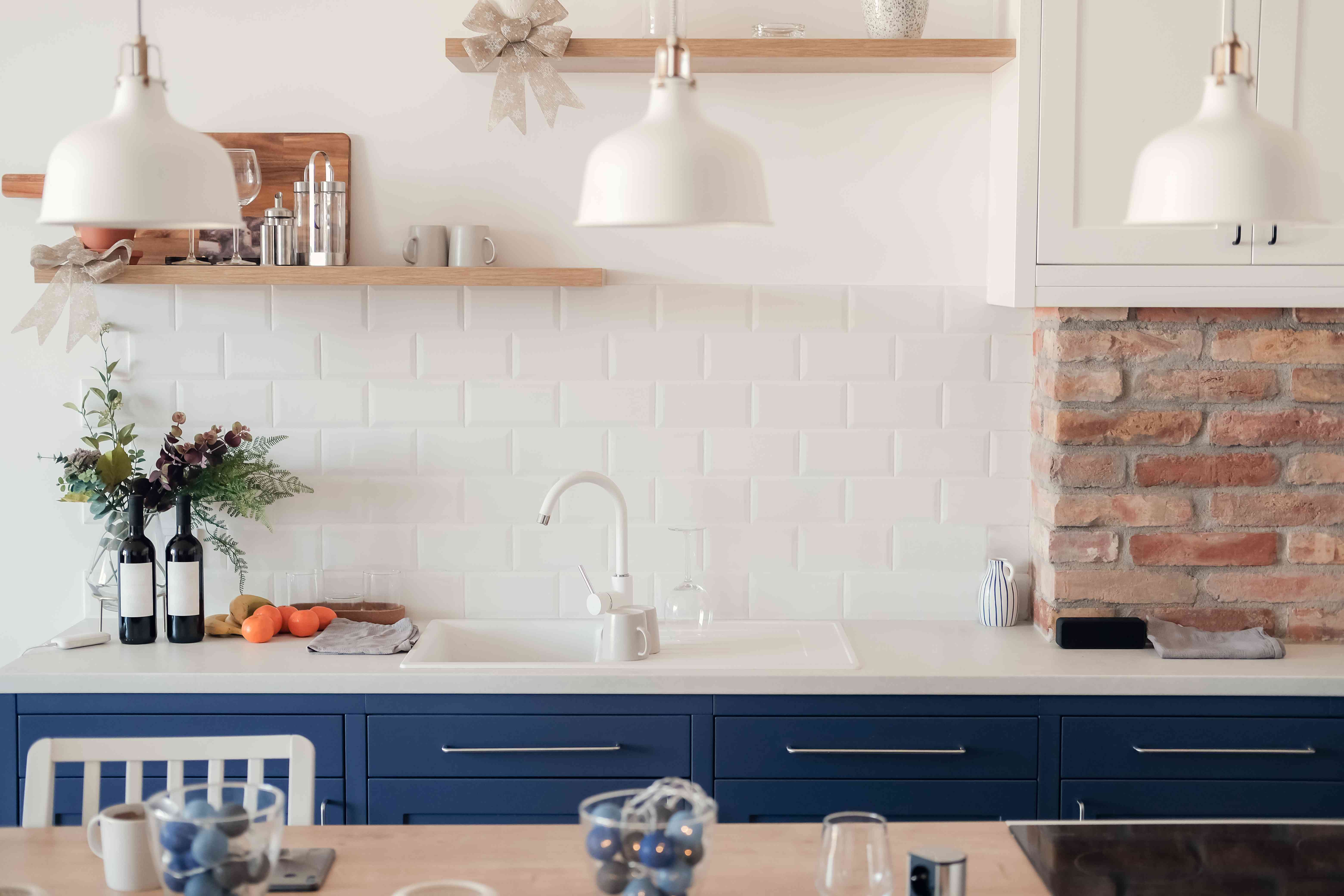
A kitchen remodel sounds glamorous until the budget starts making noises like a smoke alarm with a low battery. New cabinets, countertops, appliances, lighting, flooring, plumbing, electrical worksuddenly the “simple refresh” has turned into a financial thriller. The good news? A beautiful, functional kitchen remodel on a budget is absolutely possible when you stop chasing every shiny trend and focus on the basics that actually matter.
In the United States, kitchen remodel costs can vary widely depending on size, location, materials, labor, and whether you keep the existing layout. A modest update may be manageable, while a full gut renovation can climb quickly. That is why the smartest budget kitchen renovation is not about buying the cheapest everything. It is about spending where it counts, saving where it does not, and avoiding those sneaky “while we’re at it” decisions that quietly eat your wallet for breakfast.
This guide breaks down five practical basics for remodeling your kitchen without turning your bank account into an archaeological site. We will look at planning, cabinets, countertops, lighting, appliances, DIY work, and real-life experience from budget remodels that prove you do not need a celebrity-chef kitchen to cook excellent scrambled eggs.
Why Budget Kitchen Remodeling Works Best With a Plan
The biggest mistake homeowners make is starting with a product instead of a plan. They fall in love with a farmhouse sink, a waterfall island, or a refrigerator that looks like it could launch a satellite. Then they try to build the entire remodel around it. That is a little like buying fancy shoes first and then realizing you forgot pants.
A smart budget kitchen remodel starts with priorities. Ask yourself what is truly wrong with the kitchen. Is it ugly but functional? Is it short on storage? Is the lighting poor? Are the appliances unreliable? Is the layout awkward? Each answer points to a different spending strategy.
Set a Realistic Remodeling Budget
Before you shop, decide your total budget and divide it into categories. A simple example might look like this:
- Cabinet refresh or replacement: 25% to 35%
- Labor and professional services: 20% to 35%
- Countertops: 10% to 20%
- Appliances: 10% to 20%
- Lighting, hardware, backsplash, paint, and finishing details: 10% to 15%
- Contingency fund: 10% to 15%
That contingency fund is not optional. Kitchens hide surprises. Old plumbing may need repair. Subfloors may be uneven. Electrical panels may need attention. Someone in the past may have made “creative” choices involving duct tape, mystery screws, and optimism. Budget for the unknown, because the unknown is absolutely budgeting for you.
Keep the Existing Layout Whenever Possible
If there is one golden rule for a kitchen remodel on a budget, it is this: keep plumbing, gas lines, and major electrical locations where they are if the layout works. Moving a sink across the room sounds simple until walls, floors, permits, plumbing, and labor join the conversation. Suddenly the sink has developed expensive opinions.
Keeping the same footprint allows you to spend money on visible upgrades such as cabinet paint, new hardware, lighting, backsplash, and countertops. In many homes, these surface-level improvements create the feeling of a full remodel without the price tag of one.
Basic 1: Refresh Cabinets Before Replacing Them
Cabinets are often one of the biggest expenses in a kitchen renovation. New custom cabinets can consume a large part of the budget before you have even chosen a faucet. If your cabinet boxes are structurally sound, refreshing them can be one of the most powerful budget kitchen remodel ideas.
Paint Existing Cabinets for a Big Visual Change
Painting cabinets is not the easiest DIY job, but it can completely transform the room. White, warm gray, navy, sage green, taupe, and natural wood-inspired tones remain popular because they are flexible and easy to pair with countertops and flooring. The secret is preparation. Clean the cabinets, remove grease, sand properly, use a bonding primer, and choose a durable cabinet-grade paint.
Skipping prep is how cabinets end up looking like they were painted during a mild earthquake. Take the time to label doors, remove hardware, and let each coat cure. A smooth finish makes even older cabinets look intentional rather than “we gave up halfway through Saturday.”
Try Cabinet Refacing When the Boxes Are Good
If the cabinet layout works but the doors look tired, refacing may be a middle-ground option. Cabinet refacing usually keeps the existing boxes while replacing doors, drawer fronts, hardware, and visible surfaces. It costs more than paint but less than full replacement, making it a practical choice for homeowners who want a cleaner, more updated style without demolishing the entire kitchen.
Upgrade Hardware for Instant Impact
Cabinet knobs and pulls are small, but they punch above their weight. Matte black, brushed nickel, brass, bronze, and stainless finishes can change the mood of the room quickly. To save time and avoid drilling new holes, choose hardware with the same center-to-center measurement as your existing pulls.
This is one of the easiest kitchen upgrades under a modest budget. It is also deeply satisfying. Few things say “I have my life together” like drawers that open smoothly and no longer require a secret wrist technique.
Basic 2: Choose Affordable Countertops That Still Look Great
Countertops carry a lot of visual weight. They are also workhorses. They deal with coffee spills, hot pans, crumbs, homework, grocery bags, and the occasional emotional support pizza. Budget countertops need to look good, clean easily, and survive real life.
Laminate Has Grown Up
Modern laminate countertops are not the sad, peeling surfaces many people remember from decades past. Today’s laminate can imitate stone, wood, concrete, and marble-inspired patterns at a much lower price than natural stone. It is lightweight, relatively easy to install, and available in many designs.
Laminate is a strong option for rental properties, starter homes, laundry-adjacent kitchens, and families who want style without panic every time someone sets down a juice box.
Butcher Block Adds Warmth
Butcher block can be budget-friendly depending on wood species and installation. It adds warmth to white, black, or painted kitchens and works especially well on an island or small counter section. It does require maintenance, including sealing and careful cleaning, but the look is inviting and timeless.
A smart strategy is to mix materials. Use a more affordable surface around the perimeter and reserve a higher-end material for a smaller focal area, such as an island or coffee bar. This gives the room a designer feel without making the budget gasp dramatically.
Quartz Can Be Worth It in the Right Situation
Quartz is usually more expensive than laminate, but it is durable, low maintenance, and widely available. If you are renovating a kitchen you plan to use for many years, quartz may be worth considering. To save money, compare remnants, standard colors, and simpler edge profiles. Exotic patterns and elaborate edges can increase costs quickly.
The trick is to avoid choosing a countertop only because it is trendy. A simple, neutral surface often ages better and pairs more easily with future paint colors, cabinet hardware, and backsplash changes.
Basic 3: Spend Wisely on Lighting, Paint, and Backsplash
Lighting is the unsung hero of a budget kitchen remodel. Poor lighting can make expensive cabinets look gloomy. Good lighting can make affordable finishes look polished. It is basically the kitchen’s Instagram filter, except useful.
Layer the Lighting
A functional kitchen usually needs three types of lighting: ambient, task, and accent. Ambient lighting provides overall brightness. Task lighting helps you chop vegetables without creating a suspense movie. Accent lighting adds style and depth.
Budget-friendly upgrades include LED flush-mount fixtures, under-cabinet lights, pendant lights over an island, and brighter bulbs with the right color temperature. Warm white lighting often feels cozy, while cooler light can feel crisp and modern. Avoid mixing too many light temperatures in one small space, unless your design goal is “airport cafeteria at sunset.”
Paint Is the Cheapest Mood Changer
Paint can make a kitchen feel cleaner, larger, warmer, or more modern. Soft whites, warm neutrals, muted greens, gentle blues, and earthy beige tones work well in many American homes. If your cabinets are dark, lighter walls can brighten the room. If your kitchen is mostly white, a richer wall color can add personality.
Use washable paint in a kitchen. Steam, splatters, and fingerprints are part of the ecosystem. A durable satin or semi-gloss finish is often easier to clean than flat paint.
Use Backsplash as a Focal Point
A backsplash can be affordable if you keep the area small and the pattern simple. Classic subway tile, ceramic squares, peel-and-stick tile for temporary updates, and beadboard panels can all work depending on your home and budget.
If money is tight, focus the backsplash behind the range or sink rather than covering every wall. A small area of tile installed well looks better than a large area installed in a panic at 1 a.m. with uneven grout lines and regret.
Basic 4: Be Strategic With Appliances
Appliances can quickly derail a budget kitchen renovation. The refrigerator with a giant touch screen may look fun, but ask yourself whether you need your fridge to stream videos or simply keep lettuce from becoming soup.
Replace Only What Needs Replacing
If your appliances work well and match reasonably, consider keeping them for now. A kitchen remodel does not require replacing everything at once. You can phase appliance upgrades over time, especially if the existing units are safe, clean, and efficient enough for daily use.
When it is time to replace appliances, look for reliable midrange models. Pro-style appliances are beautiful, but they are not always necessary for everyday cooking. Many families are better served by durable, easy-to-clean appliances with strong warranties and good energy performance.
Consider Energy-Efficient Models
Energy-efficient refrigerators, dishwashers, and cooking products can reduce long-term operating costs. When shopping, compare energy labels, capacity, features, and real household needs. A dishwasher that saves water and energy is helpful only if it also fits your dishes, your kitchen, and your patience level.
Shop Sales, Packages, and Open-Box Deals
Major holiday weekends, seasonal promotions, package deals, outlet sections, and open-box appliances can offer meaningful savings. Measure carefully before buying. Nothing ruins a bargain faster than discovering your new refrigerator is one inch too tall and now the cabinet above it has entered witness protection.
Basic 5: Know What to DIY and What to Hire Out
DIY work can save money, but it can also create expensive problems when done beyond your skill level. The goal is not to prove you can personally perform every trade. The goal is to finish with a safe, attractive kitchen and enough energy left to enjoy it.
Good DIY Projects for Budget Kitchen Remodels
Many homeowners can handle painting walls, swapping cabinet hardware, installing simple shelving, changing decorative light fixtures if they understand basic electrical safety, assembling flat-pack furniture, adding peel-and-stick backsplash, and organizing cabinets. These projects are manageable, visible, and satisfying.
DIY demolition may also be possible, but only when done carefully. Before removing cabinets, flooring, or walls, know what is behind them. Electrical wires, plumbing lines, gas lines, and load-bearing structures are not things you want to meet by surprise.
Hire Pros for Safety-Critical Work
Electrical, gas, major plumbing, structural changes, ventilation, and work involving possible lead paint or asbestos should usually be handled by qualified professionals. Homes built before 1978 may contain lead-based paint, and disturbing painted surfaces can create hazardous dust. In those cases, lead-safe practices and certified contractors may be required or strongly recommended.
Permits are another key point. Rules vary by city and county, but many kitchen remodels involving electrical, plumbing, structural, or layout changes require permits. Skipping permits can create problems when selling the home, filing insurance claims, or correcting unsafe work later.
Budget Kitchen Remodel Example: A Practical $5,000 to $10,000 Refresh
Not every kitchen needs a full gut renovation. Here is an example of a realistic budget refresh for a kitchen where the layout works and the cabinets are solid:
- Paint existing cabinets: $300 to $1,500 DIY, more if professionally painted
- New cabinet hardware: $100 to $400
- Updated faucet and sink: $300 to $1,200
- Laminate or butcher block countertop: $1,000 to $3,500
- Backsplash tile or peel-and-stick backsplash: $200 to $1,500
- Lighting upgrades: $200 to $1,000
- Wall paint and supplies: $100 to $300
- One appliance replacement if needed: $700 to $2,000
This kind of remodel does not change the footprint, but it can change the entire feeling of the kitchen. The cabinets look fresh, the counters are cleaner, the lighting is brighter, and the sink area feels new. That is the magic of a focused remodel: it solves visible problems without inviting the whole house into surgery.
Common Budget Kitchen Remodel Mistakes to Avoid
Buying Materials Before Final Measurements
Measure twice, then measure again while suspiciously squinting. Kitchens are full of odd corners, uneven walls, and appliances that need clearance. Ordering countertops, cabinets, or flooring from rough guesses is a fast path to costly delays.
Ignoring Ventilation
A kitchen needs proper ventilation, especially if you cook often. A stylish range hood that vents correctly can help remove smoke, odors, moisture, and grease. If your kitchen always smells like last night’s dinner, your ventilation may be quietly begging for help.
Choosing Trendy Finishes Everywhere
Trends are fun in small doses. They are less fun when the entire kitchen screams a specific year. Use trendier choices for easy-to-change elements such as hardware, rugs, stools, art, or paint. Keep expensive permanent finishes more timeless.
Forgetting Storage
A pretty kitchen with poor storage becomes annoying quickly. Before remodeling, list what you actually own: pots, pans, spices, small appliances, food storage containers, cleaning supplies, baking tools, and that one mystery lid nobody can identify. Then plan storage around real life.
Experience Section: Real-Life Lessons From Budget Kitchen Remodels
After looking at many budget kitchen remodels, one lesson comes up again and again: homeowners are usually happiest when they improve how the kitchen feels to use, not just how it looks in photos. A kitchen can be beautiful and still drive you crazy if the trash can has no home, the prep area is too dark, or the cabinet doors hit the refrigerator every morning like they are starting a fight.
One common experience is the “paint changed everything” remodel. In these kitchens, the cabinets are often oak, maple, or builder-grade brown. They are not broken, just tired. Instead of replacing them, homeowners clean, sand, prime, and paint them in a soft neutral or modern color. Then they add new pulls, a simple backsplash, and better lighting. The transformation can be dramatic. Guests often assume the cabinets are new, which is both flattering and slightly funny because the same cabinet boxes have been holding cereal since the early 2000s.
Another budget remodel experience involves countertops. Many people start out convinced they need the most expensive stone surface. Then they compare real prices and realize the kitchen budget has limits, because unfortunately money continues to be money. Some choose laminate with a stone-look pattern. Others use butcher block on a small island and a more affordable surface elsewhere. The most successful homeowners think about maintenance honestly. If they know they will not seal, polish, or baby a material, they choose something forgiving. That self-awareness saves money and future frustration.
Lighting is another area where small improvements feel surprisingly luxurious. Homeowners who add under-cabinet lighting often describe the kitchen as suddenly feeling cleaner and more usable. Chopping vegetables becomes easier. Counters look better. Even late-night snacks feel more sophisticated, although eating shredded cheese from the bag remains a personal journey.
DIY work is where experience teaches humility. Painting walls is approachable. Replacing knobs is simple. Installing a peel-and-stick backsplash can be manageable with patience. But plumbing, wiring, gas lines, and structural changes are different creatures. Many budget remodelers learn that paying a licensed professional for critical work is not a budget failure. It is insurance against leaks, sparks, code issues, and the terrifying phrase “we need to open the wall.”
Phasing the remodel also works well in real life. Instead of doing everything at once, some homeowners complete the kitchen in stages: paint first, then lighting, then counters, then appliances later. This approach spreads out costs and allows better decisions. It also prevents the classic remodel spiral where one update makes everything else look old. A phased plan says, “Relax, backsplash, your turn is coming.”
The most important experience-based advice is to protect function. Keep enough counter space near the stove and sink. Add outlets where allowed and needed. Choose a faucet that works with your sink depth. Make sure cabinet doors and appliance doors can open fully. Plan a landing zone for groceries. These practical details do not always appear in glamorous kitchen photos, but they are what make the kitchen pleasant every day.
Finally, budget remodelers often discover that perfection is expensive, but charm is affordable. A kitchen does not need imported stone, custom cabinets, and luxury appliances to feel fresh. It needs good light, clean surfaces, sensible storage, durable finishes, and a few personal touches. A bowl of fruit, a small coffee station, open shelves with dishes you actually use, or a cheerful runner can make the space feel finished. The goal is not to create a showroom. The goal is to create a kitchen where breakfast, dinner, homework, conversations, and emergency cookies can happen comfortably.
Conclusion: A Budget Kitchen Remodel Is About Smart Choices
A kitchen remodel on a budget is not about cutting every corner. It is about knowing which corners matter. Keep the layout if it works. Refresh cabinets before replacing them. Choose countertops that match your lifestyle, not just your Pinterest board. Upgrade lighting and paint for high-impact results. Replace appliances strategically. DIY the safe, manageable tasks and hire professionals for work that affects safety, code, plumbing, gas, or electricity.
The best budget kitchen renovation feels intentional. It solves real problems, improves daily life, and avoids unnecessary spending. With a clear plan, realistic expectations, and a little patience, you can create a kitchen that looks better, works harder, and does not require you to survive on instant noodles for the next three years.