There are household smells you can forgive: fresh paint, burnt toast, a suspiciously ambitious garlic dinner. But that damp, earthy, basement-like odor that seems to whisper, “Something is living here rent-free”? That one deserves attention. If you are asking, “Is that mold I am smelling in my house?” the answer may be yesand even if it is not mold, it is almost certainly a moisture problem trying to send you a strongly worded letter.
A musty smell in a house often comes from damp materials, poor ventilation, hidden leaks, condensation, or microbial growth. Mold does not always introduce itself with a dramatic black patch on the wall. Sometimes it hides behind drywall, under carpet padding, inside cabinets, around window frames, in HVAC components, or behind that suspiciously swollen baseboard you have been politely ignoring since last spring.
The good news: a mold smell is not a reason to panic, sell the house, and move into a tent. The better news: it is a useful clue. Your nose may be detecting the early warning sign of excess moisture, and moisture control is the true secret to preventing mold from turning your home into its personal spa retreat.
What Does Mold Smell Like?
Mold odor is commonly described as musty, earthy, stale, damp, sour, or “like wet socks that went to college and majored in bad decisions.” It may smell similar to an old basement, a pile of damp towels, decaying leaves, wet cardboard, or a closed-up room after a long humid summer.
That odor can come from microbial volatile organic compounds, often called MVOCs, which are gases released as mold and other microbes grow on damp organic materials. You do not need to know the chemistry to understand the message: where there is a persistent musty smell, there is usually moisture. And where there is moisture, mold may not be far behind.
Common mold smell clues
You may be smelling mold if the odor:
- Gets stronger after rain, showering, laundry, or high humidity
- Is worse in basements, bathrooms, laundry rooms, closets, attics, or crawl spaces
- Seems to come from walls, floors, vents, cabinets, or carpet
- Returns shortly after cleaning or using air fresheners
- Appears with water stains, peeling paint, warped wood, bubbling wallpaper, or condensation
Air fresheners may cover the smell temporarily, but they do not solve the problem. Spraying lavender over hidden damp drywall is like putting a bow tie on a raccoon. Charming? Maybe. Helpful? Absolutely not.
Why Mold Smells Show Up in the First Place
Mold needs moisture, a food source, and the right temperature. Unfortunately, homes are full of mold snacks: drywall paper, wood, dust, fabric, insulation, carpet backing, cardboard boxes, and forgotten storage bins. Add water, and the buffet is open.
The most important question is not “What kind of mold is this?” It is “Where is the moisture coming from?” Mold cleanup without moisture control is a temporary victory, like wiping fingerprints off a window while a toddler stands nearby with peanut butter hands.
1. Hidden leaks
Plumbing leaks behind walls, under sinks, near toilets, around tubs, or beneath appliances can create slow, steady moisture. A tiny drip may not flood the room, but it can keep materials damp enough for mold growth. Look for stains, soft drywall, loose flooring, cabinet swelling, mineral deposits, or a water bill that suddenly behaves like it won the lottery.
2. Roof and attic moisture
A roof leak may reveal itself as a musty smell long before water drips from the ceiling. Attics can also develop mold when bathroom fans vent into the attic instead of outdoors, when insulation blocks airflow, or when warm indoor air meets cold roof sheathing and creates condensation.
3. Basement and crawl space humidity
Basements and crawl spaces are mold’s favorite vacation destinations. They are often cool, dark, poorly ventilated, and close to ground moisture. Musty basement smell may come from foundation seepage, high relative humidity, wet framing, stored cardboard, old carpet, or a sump area that needs attention.
4. Bathroom ventilation problems
Bathrooms create steam, and steam loves to settle on walls, ceilings, grout, window trim, and exhaust fans. If the fan is weak, clogged, or rarely used, moisture lingers. Mold may appear around caulk lines, ceiling corners, shower curtains, grout, and vanity cabinets.
5. HVAC and duct issues
If the musty smell appears when the air conditioning or heat turns on, check the HVAC system. Moisture can collect around coils, drain pans, filters, ducts, humidifiers, or poorly insulated air lines. A dirty filter will not create a horror movie by itself, but it can reduce airflow and contribute to moisture problems.
6. Wet carpets, upholstery, and stored items
Carpet padding can hold moisture like a sponge with emotional attachment issues. If a carpet has been wet from flooding, plumbing leaks, pet accidents, or repeated dampness, the surface may look fine while the padding underneath smells like a swamp. Cardboard boxes, books, fabric bins, and upholstered furniture can also trap moisture and odor.
Is Mold Smell Dangerous?
A moldy smell does not automatically mean your home is unsafe, but it should not be ignored. Mold exposure affects people differently. Some people have no symptoms at all. Others may develop nasal stuffiness, coughing, wheezing, itchy eyes, throat irritation, skin irritation, or allergy-like symptoms. People with asthma, mold allergies, chronic lung disease, or weakened immune systems may be more sensitive and should be especially careful.
It is also important not to treat every mold concern like a social media apocalypse. “Black mold” gets a lot of dramatic attention, but color alone does not tell you how dangerous a mold is. Many molds can look dark, greenish, gray, white, or fuzzy. The practical rule is simple: visible mold or persistent mold odor means you should remove the mold and fix the moisture source.
How to Find the Source of a Musty Mold Smell
Start with detective work. You do not need a trench coat, but it may improve morale.
Step 1: Follow your nose by room
Walk through the house and note where the smell is strongest. Close interior doors for a few hours, then reopen them one by one. This can help isolate the odor. Check closets, cabinets, under sinks, behind furniture, near windows, around vents, and along exterior walls.
Step 2: Look for moisture clues
Search for water stains, peeling paint, bubbling wallpaper, crumbling drywall, warped trim, swollen flooring, rust, mineral deposits, condensation, or damp carpet. Mold often follows water like a fan follows a celebrity through an airport.
Step 3: Measure indoor humidity
A simple hygrometer can help you spot high humidity. Many indoor air quality and public health resources recommend keeping indoor relative humidity around 30% to 50% when possible. If your home regularly rises above that range, mold and dust mites may become more likely.
Step 4: Check recent water events
Think back. Did the roof leak? Did the washing machine overflow? Did the basement get damp after heavy rain? Was there a plumbing repair? Did a window air conditioner drip inside? Water-damaged materials should be dried quickly, ideally within 24 to 48 hours, or removed if they cannot be dried properly.
Step 5: Inspect hidden-prone zones
Pay special attention to:
- Under sinks and around supply lines
- Behind toilets and around tub surrounds
- Basement corners and foundation walls
- Window sills and frames
- Behind large furniture on exterior walls
- Attic roof decking and insulation areas
- Laundry rooms and water heater closets
- HVAC drain pans, filters, and nearby ducts
Do You Need a Mold Test?
In many ordinary household situations, mold testing is not the first or most useful step. If you can see mold or smell a strong musty odor, you already have enough information to act: clean up the mold, remove contaminated materials when needed, and correct the moisture problem.
Testing may be useful when there is a real estate dispute, insurance question, unexplained health concern, or suspected hidden contamination that requires professional documentation. But a lab report naming the mold species will not fix the leak behind your vanity. The leak remains the villain. The lab report is just a very expensive supporting character.
How to Clean Mold Safely
Small mold areas on hard surfaces can often be cleaned by homeowners using water and detergent, or appropriate cleaning products. However, safety matters. Wear gloves, eye protection, and a well-fitting mask or respirator when disturbing mold. Ventilate the area, and never mix bleach with ammonia or other cleaners. That combination can create dangerous gases, and your bathroom does not need a chemistry experiment with consequences.
For small areas
If mold is limited to a small, non-porous surface such as tile, glass, metal, or sealed countertops, scrub the area, dry it completely, and monitor it. Replace moldy caulk if cleaning does not work. Clean nearby dust and grime because mold can grow on dirt films even when the underlying surface is not a food source.
For porous materials
Porous materials such as drywall, ceiling tile, insulation, carpet padding, cardboard, and some fabrics may need to be removed and discarded if they are moldy or remain wet. You cannot always clean mold out of porous materials because the growth may extend below the surface.
When to call a professional
Consider professional mold remediation if the affected area is large, the mold is inside walls or HVAC systems, the water source involved sewage or floodwater, occupants have serious respiratory conditions, or the mold keeps returning. Professionals can set up containment, control dust, remove damaged materials, and reduce the chance of spreading spores into clean areas.
How to Prevent Mold Smells from Coming Back
Prevention is not glamorous, but neither is explaining to guests why your hallway smells like a damp mushroom documentary. The key is moisture control.
Fix water problems quickly
Repair roof leaks, plumbing leaks, foundation seepage, overflowing gutters, and appliance leaks as soon as possible. If water enters the home, dry materials quickly. Use fans, dehumidifiers, and ventilation, but avoid blowing air across visible mold because that may spread particles.
Control humidity
Use dehumidifiers in basements and damp rooms. Run bathroom exhaust fans during showers and for at least 20 minutes afterward. Use kitchen range hoods when cooking. Make sure dryers vent outdoors. Keep furniture slightly away from cold exterior walls so air can circulate.
Improve ventilation
Homes need fresh air exchange. Open windows when weather allows, maintain HVAC systems, replace filters regularly, and make sure exhaust fans actually vent outside. A fan that vents moist bathroom air into the attic is not ventilation; it is relocation with consequences.
Store smarter
Avoid storing cardboard boxes directly on basement floors. Use plastic bins with lids, shelving, and space between stored items and walls. Do not pack closets so tightly that air cannot move. Mold enjoys cramped, dark, undisturbed spaces. Basically, it loves the back of your storage closet more than you do.
Clean routinely
Dust, soap scum, and organic debris provide food for mold. Regular cleaning in bathrooms, kitchens, laundry areas, and window tracks helps reduce growth. Keep shower curtains dry, replace old caulk, and wash bath mats before they develop their own personality.
Room-by-Room Mold Smell Checklist
Bathroom
Check grout, caulk, ceiling corners, vanity cabinets, toilet bases, exhaust fans, and window trim. If the mirror fogs for a long time after showers, ventilation may be weak.
Kitchen
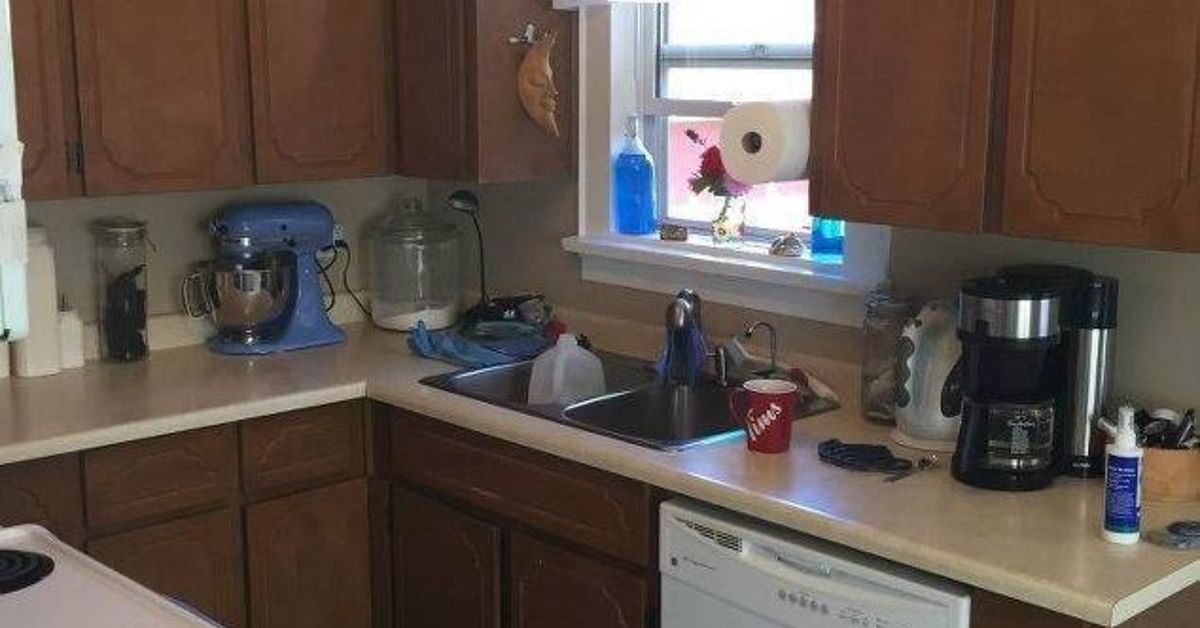
Inspect under the sink, around the dishwasher, behind the refrigerator, near ice maker lines, and under trash or recycling bins. A slow dishwasher leak can create a musty cabinet smell before you see water.
Basement
Look for damp walls, efflorescence, musty storage boxes, old carpet, sump pump issues, and high humidity. A dehumidifier with a drain hose can make a major difference.
Bedroom
Check windows, closets, exterior walls behind beds or dressers, humidifiers, and air vents. Condensation on windows can lead to mold on trim and sills.
Laundry room
Inspect washer hoses, drain lines, dryer vents, floor pans, and the wall behind the machine. Front-load washers can also develop mildew odor if the gasket stays wet.
Common Mistakes People Make with Mold Smell
Painting over it
Paint is not a cure. If you paint over moldy or damp material, the problem may return underneath. Fix the water issue, remove or clean the mold, dry the area, then repair and repaint.
Using only fragrance
Candles, plug-ins, and sprays may make a room smell like “fresh linen over swamp,” but they do not remove moisture or mold. Odor control starts with source control.
Ignoring “small” leaks
Small leaks can create big problems because they keep materials damp over time. A tiny drip under a sink can ruin cabinet bottoms, flooring, and drywall.
Running a humidifier without measuring humidity
Humidifiers can help in dry seasons, but overuse can raise indoor humidity too high. Use a hygrometer and clean the humidifier regularly so it does not become part of the problem.
Experience Section: Real-Life Lessons from a House That Smelled Musty
Most mold smell stories begin the same way: someone notices a faint odor and tries to negotiate with it. “Maybe it is the trash.” “Maybe it is the dog.” “Maybe it is the old rug.” The smell, meanwhile, sits in the corner wearing sunglasses, fully aware it is about to win round one.
Imagine a typical homeowner walking into the hallway after work and catching a damp, earthy smell. At first, it only appears after rain. Then it lingers. The hallway looks normal, so the homeowner opens windows, vacuums, washes the curtains, and buys a candle with a name like Mountain Rainforest Serenity. The house smells better for two hours. Then the musty odor returns, now with confidence.
The first useful lesson is that mold smell often behaves like a clue, not a diagnosis. In this example, the smell was strongest near a coat closet on an exterior wall. Inside the closet, shoes and boxes were pushed tightly against the wall. There was no obvious mold, but the baseboard felt slightly soft. A moisture meter later showed elevated moisture. The source was not a dramatic pipe burst; it was a tiny gap near an exterior door threshold that allowed rainwater to seep into the wall cavity during storms.
The second lesson is that hidden moisture loves clutter. Closets, storage rooms, and basement corners often have poor airflow. When belongings sit tightly against exterior walls, moisture can remain trapped. In many homes, the mold problem is not caused by one huge disaster but by many small habits: storing cardboard on concrete, skipping the bathroom fan, ignoring window condensation, or letting a damp bath mat stay on the floor until it becomes a science fair project.
The third lesson is that cleaning alone is not enough. In the hallway example, the homeowner wiped the visible trim and sprayed cleaner, but the odor returned because the wet material behind the baseboard remained damp. Once the leak was sealed, the affected trim was removed, the damp area was dried, and damaged material was replaced, the smell finally disappeared. The hero was not a stronger fragrance. The hero was moisture control.
Another common experience happens in basements. A family notices that their finished basement smells musty every summer. They clean the carpet, open windows, and place bowls of baking soda around the room like tiny odor-fighting shrines. The smell improves slightly but returns on humid days. Eventually, they measure the humidity and find it regularly above comfortable levels. A properly sized dehumidifier, improved drainage outside, cleaned storage areas, and removal of damp cardboard solve most of the problem. The lesson: basements need humidity management, not just occasional optimism.
Bathrooms offer their own mold smell adventures. A shower may look clean at eye level while the ceiling corner slowly grows mildew because the exhaust fan is dusty, weak, or never used. In one practical scenario, the homeowner cleans the ceiling repeatedly, but the stain keeps coming back. The real fix is to clean or replace the fan, run it during and after showers, repair cracked caulk, and keep surfaces dry. Mold prevention is often boring maintenance wearing a superhero cape.
The biggest experience-based takeaway is simple: trust patterns. If a smell appears after rain, think roof, windows, foundation, or exterior drainage. If it appears after showers, think ventilation. If it appears when the HVAC runs, think filters, coils, ducts, or drain pans. If it appears in one closet or corner, think trapped air, exterior wall condensation, or a nearby leak.
Also, do not feel embarrassed if you missed the source for weeks. Hidden moisture is sneaky. Homes are complicated, and mold does not exactly leave a forwarding address. The smart move is to respond early, investigate calmly, and fix the cause instead of battling the smell with perfume, denial, and increasingly dramatic candles.
When handled properly, a mold smell can become a useful turning point. It pushes you to improve ventilation, repair leaks, manage humidity, clean smarter, and protect your indoor air. Your house should smell like dinner, clean laundry, coffee, or absolutely nothingnot like a wet basement writing poetry in the dark.
Conclusion
If you smell mold in your house, do not ignore it. A persistent musty odor usually means moisture is present, and moisture is the real engine behind indoor mold growth. Start by locating where the smell is strongest, checking for leaks and damp materials, measuring humidity, and inspecting problem areas such as bathrooms, basements, crawl spaces, attics, closets, and HVAC equipment.
Small mold problems on hard surfaces can often be cleaned safely, but large areas, hidden contamination, sewage or floodwater damage, and recurring mold should be handled with professional help. Most importantly, fix the moisture source. Without that step, mold is not gone; it is merely waiting backstage for its comeback tour.
A fresh-smelling home is not about masking odors. It is about keeping the house dry, ventilated, clean, and maintained. Your nose noticed the warning sign. Now your home is asking for a little detective work, a little repair, and maybe fewer cardboard boxes in the basement.