My junk drawer had reached the stage where opening it required optimism, leverage, and a willingness to be attacked by loose batteries. Somewhere beneath expired coupons, mystery keys, dead pens, and a charging cable for a device last seen during the Obama administration, there was probably a useful pair of scissors.
That was why the viral 10-10 decluttering method caught my attention. The rule sounded almost suspiciously manageable: choose one small area, set a timer for 10 minutes, and remove at least 10 items. I tested it in four clutter hot spots to see whether this quick decluttering technique could improve daily lifeor merely produce a flattering “after” photo.
What Is the 10-10 Decluttering Method?
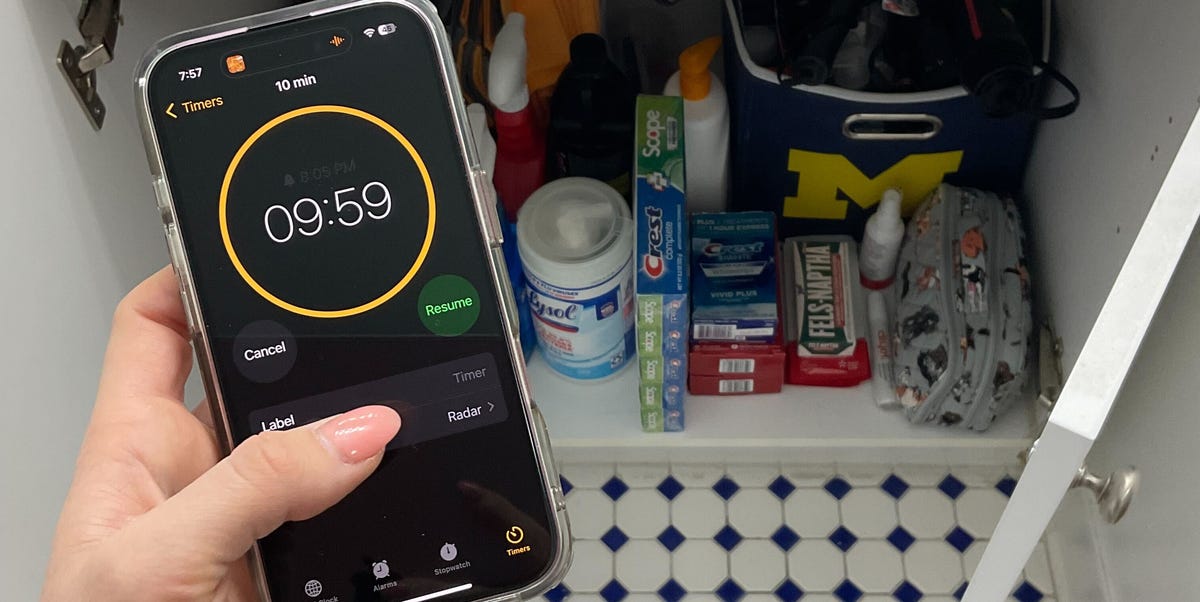
The 10-10 method is a numbers-based decluttering challenge. Pick a contained space, start a 10-minute timer, and identify 10 things that can leave it. “Leave” may mean trash, recycling, donation, return, relocation, or safe disposal.
Method definition verified:
The boundaries are what make it approachable. Instead of promising to “organize the kitchen,” a project large enough to inspire sudden interest in cleaning the gutters, you focus on one drawer, shelf, cabinet, or closet section. The timer limits the commitment, while the item target supplies a visible finish line.
Decluttering Versus Tidying
Tidying returns useful belongings to their homes; decluttering reduces the number of belongings competing for space. A mug on my desk was tidied when I carried it to the kitchen. A dried-out pen was decluttered because it left the household. I counted my core 10 only when an item was discarded, recycled, donated, returned, or placed in a permanent home elsewhere.
Why the Method Feels So Doable
Large organizing projects demand time, supplies, energy, and dozens of decisions. The 10-10 decluttering method shrinks the starting line. Ten minutes can fit before work or while dinner cooks, and “remove 10 things” is much clearer than “make this cabinet better.”
Small-start and timed-session guidance:
It also reduces the risk of the classic decluttering disaster: emptying an entire closet onto the bed, losing steam, and sleeping beside a mountain of scarves. A small work zone remains usable even if the timer rings before perfection arrives.
How I Set Up the Test
I prepared containers for trash, recycling, donation, and “belongs elsewhere,” plus a separate box for items requiring special handling, such as medication, batteries, and electronics. I made three rules: work in one defined zone, stop when the timer rang, and complete the exit step immediately.
That final rule mattered most. A donation bag abandoned in the hallway is not freedom; it is clutter wearing a charity-themed costume.
Round One: The Kitchen Junk Drawer
I began with a low-emotion area. My first 10 items were obvious: three dead pens, two expired coupons, a broken bag clip, an empty tape dispenser, an old takeout menu, a duplicate bottle opener, and one unidentified plastic cap. The cap may once have mattered, but it had been living independently for years. I wished it well.
With four minutes left, I recycled receipts, returned batteries to their case, and grouped rubber bands in a container I already owned. I did not order drawer dividers. Decluttering first prevented me from building luxury housing for objects I did not need.
Result: 18 items removed or relocated. The scissors became visible without an archaeological excavation.
Round Two: The Bathroom Cabinet
The bathroom was harder because nearly full products create guilt. I removed two empty containers, three expired samples, a cracked comb, two hotel soaps saved for an imaginary emergency, and two duplicate grooming tools.
I also found expired medicine, but I did not toss it casually. In the United States, a take-back location or mail-back program is preferred for most unused medicines, and only certain drugs belong on the FDA flush list. Responsible decluttering occasionally requires a follow-up task.
Medication-disposal guidance:
Result: 14 items removed, with medication separated for safe disposal. The cabinet now held products I actually used instead of a museum of abandoned intentions.
Round Three: The Closet
Clothes are not merely fabric; they are evidence. This shirt proves I attended an event. Those jeans represent a version of me who apparently enjoyed discomfort. That expensive jacket had spent three years providing premium service to a hanger.
I focused on easy decisions: damaged pieces I would not repair, uncomfortable clothing, duplicates, and items I repeatedly skipped. I avoided sentimental garments because a speed round is the wrong setting for emotional archaeology.
Result: 10 pieces placed directly into a donation bag in nine minutes. The closet looked only slightly different, but getting dressed involved fewer tiny arguments with myself.
Round Four: The Desk and Paper Pile
Paper required caution. Junk mail, outdated flyers, duplicate printouts, and blank envelopes went quickly. Documents containing personal or financial details entered a shred pile, while tax records and warranties stayed until I could verify their retention periods.
Paper-security and record-retention guidance:
When I was uncertain, I used a labeled “review by Friday” folder instead of pretending indecision was organization. The timer encouraged action, but it did not overrule privacy, legal, or financial considerations.
Result: 23 papers recycled, six placed for shredding, and four filed. The desktop reappeared and, to my surprise, was the same color I remembered.
My Results After Four Sessions
| Area | Time | Items Processed | Biggest Improvement |
|---|---|---|---|
| Kitchen junk drawer | 10 minutes | 18 | Daily tools became easy to find |
| Bathroom cabinet | 10 minutes | 14 | Empty and expired products stopped crowding shelves |
| Closet section | 9 minutes | 10 | Frequently worn clothes gained breathing room |
| Desk papers | 10 minutes | 33 | The work surface became usable again |
In less than 40 minutes, I processed 75 objects and papers. Not everything left the house, but everything stopped floating without a purpose. The visible improvement arrived without the fatigue of an all-day organizing marathon.
What Worked Best
The Timer Replaced Motivation
I did not need to feel inspired. I chose a zone and pressed “start.” The task immediately felt more like a game than a judgment on my housekeeping.
The Number Reduced Decision Fatigue
The 10-item target pushed me toward easy wins: broken, expired, empty, duplicated, and obviously unwanted objects. Removing those items created room and confidence before harder choices appeared.
It Discouraged Over-Organizing
With only 10 minutes, I could not spend half an hour comparing matching baskets online. I used what I owned and reduced volume first, making the process cheaper and more practical.
It Was Easy to Repeat
One round will not transform a packed garage, but regular sessions can steadily reduce clutter. The method also works for maintenance: clear 10 items from a high-traffic zone before disorder regains control.
Where the 10-10 Method Falls Short
This is not a complete home organization system. It removes excess, but it does not automatically create storage rules or change household habits. If mail, bags, and keys continue landing randomly, the clear surface will eventually surrender.
The count can also be misleading. Recycling 10 receipts is easier than deciding what to do with one bulky appliance. Sentimental belongings, legal documents, family heirlooms, costly equipment, and shared possessions deserve slower consideration. The method should accelerate easy, low-risk decisionsnot bully anyone into regret.
How to Try the 10-10 Decluttering Method
Choose One Small, Visible Zone
Try a nightstand, pantry shelf, makeup bag, refrigerator door, car console, or dresser drawer. A contained area gives you a realistic chance of seeing improvement before the timer ends.
Prepare Exit Routes
Set out bags for trash, recycling, donation, relocation, and special disposal. Check local rules for electronics, batteries, paint, chemicals, and medicine. Usable goods can often be donated rather than discarded.
Donation and waste-reduction guidance:
Use Fast Questions
- Is it broken, empty, expired, or unsafe?
- Do I own something that performs the same job better?
- Would I buy this again today?
- Does it have a realistic place in my current home?
Declutter Before Buying Storage
Reduce the category, examine what remains, measure the space, and only then decide whether a container would improve access. Otherwise, you may simply create neatly packaged clutter.
Declutter-before-organizing guidance:
Finish the Final Five Percent
Take out trash, put recycling in the proper bin, schedule the donation drop-off, return borrowed items, and shred sensitive papers. The session ends when outgoing objects have a real path outnot when they migrate to the entryway.
Who Will Benefit Most?
The method suits busy people, beginners, procrastinators, renters with limited storage, and anyone overwhelmed by large cleaning projects. It can also become a short family challenge, with each person choosing a zone and removing 10 items.
People facing severe clutter, mobility limitations, grief, compulsive acquiring, or hoarding-related difficulties may need a slower, more supportive approach. Safety and emotional well-being matter more than an item quota.
My Verdict
The viral 10-10 decluttering method did not turn my home into a minimalist sanctuary where every towel stands at attention. It did something more useful: it helped me begin.
The timer lowered resistance, the item goal created focus, and the small zones prevented chaos from spreading. The technique works best as a repeatable habit, supported by permanent homes for frequently used items and rules that limit new clutter. It will not solve every organizing problem, but it may convince you to open the drawerand sometimes that is the hardest part.
What Happened After the Timer Stopped: My Extended Experience
The most interesting part of the experiment happened during the following week. The spaces did not merely look better; they behaved better. On Monday morning, I opened the junk drawer and found the tape immediately. This was a modest victory, but it saved me from searching three rooms and accusing innocent family members of moving it.
The bathroom cabinet stayed orderly because every remaining product had breathing room. When shelves are packed edge to edge, returning one bottle becomes a miniature puzzle. With fewer items, putting things away required almost no effort. Maintenance became easier because storage was no longer operating at maximum capacity.
The closet result was less dramatic but more personal. I noticed that I wore the same comfortable pieces while repeatedly ignoring clothes kept out of guilt. Removing 10 items improved the ratio of useful clothing to emotional background noise. Getting dressed felt faster because fewer bad options interrupted the good ones.
My desk required follow-through. The “review by Friday” folder was dangerously capable of becoming a permanent paper retirement community. I scheduled another 10-minute session, checked which documents mattered, shredded sensitive pages, and filed the rest. The method succeeded because I treated uncertainty as a separate task with a deadline.
I also learned that 10 items is not always the perfect measure. One expired spice jar took seconds to remove, while a rarely used appliance required a conversation with another person. In later rounds, I kept the timer but treated the count as a target for easy objects rather than a commandment carved into a storage bin.
The challenge quickly exposed patterns. I owned duplicates because I could not see what I already had. I saved samples because discarding them felt wasteful, yet never used them because preferred products were easier to reach. I kept equipment for hypothetical versions of myself: the ambitious baker, the frequent camper, and the person who repairs tiny electronics instead of placing them in a drawer marked “later.”
There were failures. One evening, I cleared a side table by moving several objects into a basket. The surface looked wonderful, but the basket became a witness protection program for clutter. During the next round, I emptied it and assigned each item a destination. “Belongs elsewhere” must eventually become “put away.”
I also stopped chasing perfect numbers. Some days I removed six meaningful items. Another day, I recycled 30 pieces of junk mail in three minutes. Progress changed with the category, my energy, and the emotional difficulty of the decisions. The timer supplied structure; flexibility kept the process humane.
Would I continue? Yes. My realistic routine is one session three or four times a week, aimed at small areas that create daily friction. I would not use it for family photos, major paperwork, or a whole garage without a broader plan. For ordinary clutter, however, it is refreshingly effective: 10 minutes is brief enough to start, 10 items is concrete enough to finish, and the result is often visible enough to make tomorrow easier.