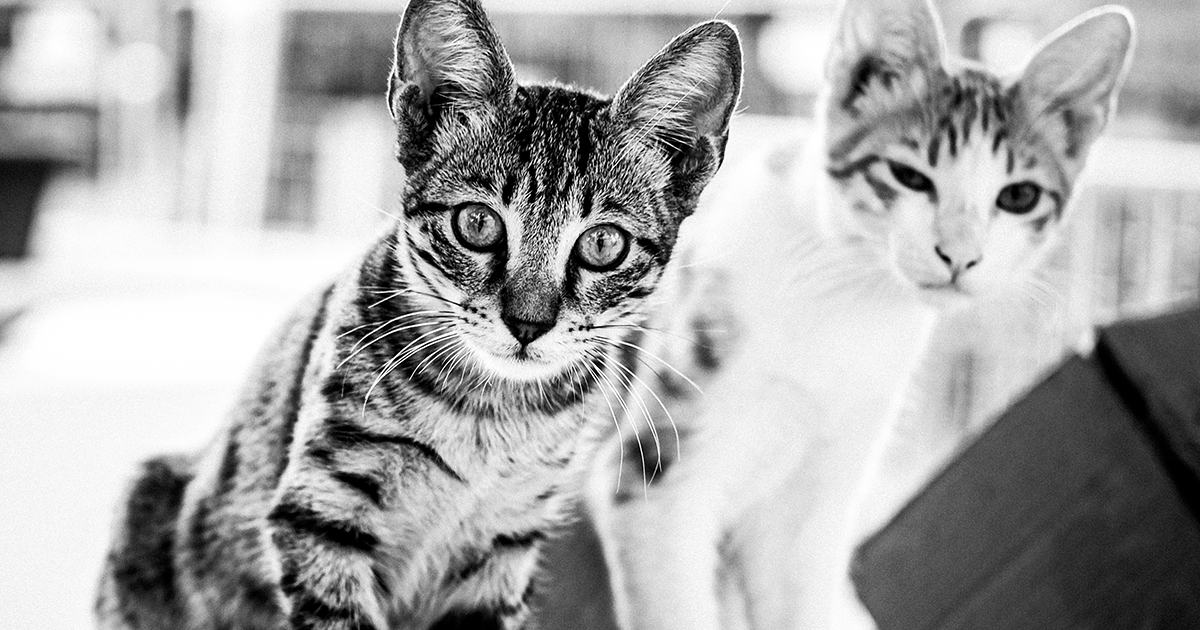
Some photographs ask for applause. Others ask for action. A portrait of a stray cat sitting under a rusty gate, blinking into the afternoon light, belongs to the second kind. It may be small, quiet, and fuzzy around the edges, but it carries a very direct message: this little creature lives near us, survives because of luck and kindness, and could use a bowl of food more than another sad-face emoji.
The photo series behind the title “I Take Pictures Of Stray Cats In Hopes To Touch Your Souls And Inspire You To Feed Your Local Cats” works because it does not treat stray cats as background decoration. It gives them presence. A cat on a sidewalk becomes a neighbor. A kitten near a parking lot becomes a responsibility. A wary tomcat with battle-scarred ears becomes, somehow, both a tiny lion and a tired uncle who has seen too much.
Stray cat photography can be beautiful, but its best purpose is not just beauty. It can help people notice the community cats already living around apartment blocks, markets, alleys, gardens, campuses, and restaurant back doors. When done ethically, it can also inspire practical help: feeding responsibly, providing fresh water, contacting local rescue groups, supporting trap-neuter-return programs, and learning how to coexist with outdoor cats without turning every neighborhood into a whiskered soap opera.
Why Stray Cat Photography Touches People So Deeply
Cats are experts at emotional ambiguity. A stray cat can look regal, suspicious, hilarious, heartbroken, and mildly disappointed in your life choices all at once. That makes them powerful subjects for photography. Unlike posed pet portraits, stray cat photos often capture unscripted moments: a cat warming itself on a sunlit wall, another peeking from behind a trash bin, two kittens wrestling as if the entire alley is their championship arena.
These images work because they put a face on a problem many people walk past every day. The phrase “stray cats” sounds general, almost abstract. But one photograph of a thin calico watching people leave a bakery changes the conversation. Suddenly, the issue is not “some cats outside.” It is this cat, in this place, at this hour, trying to make it to tomorrow.
Good stray cat photography does not need to exaggerate misery. In fact, the most touching photos often show dignity instead of despair. A black cat sitting like a statue on a concrete step. A tabby guarding a doorway with the seriousness of airport security. A sleepy kitten tucked under a scooter. These images remind us that outdoor cats are not props in a sad story. They are living animals with routines, territories, friendships, fears, and very firm opinions about where lunch should be served.
Who Are “Community Cats”?
Many animal welfare groups use the term “community cats” for outdoor, free-roaming cats who may be unowned, semi-social, feral, friendly, sterilized, unsterilized, healthy, or in need of care. Some were born outdoors. Some were abandoned. Some may have caregivers who feed them regularly. Others survive by scavenging, hunting, or charming humans with the classic “I have never eaten in my life” expression, even after breakfast.
Not every outdoor cat should be treated the same way. A friendly lost cat may need help getting back home. A young kitten may need rescue and socialization. A healthy feral adult may be most comfortable staying in its outdoor territory after being spayed or neutered and vaccinated. This is why the first step is not grabbing the cat like a dramatic movie hero. The first step is observing.
Look for signs. Does the cat approach people? Does it have an ear tip, the small mark often used to show a cat has been sterilized through a trap-neuter-return program? Is it thin, injured, pregnant, or acting sick? Does it appear at the same time every day? These details can help you decide whether to feed, monitor, contact a rescue group, or arrange humane trapping for veterinary care.
The Big Message Behind the Photos: Feed, But Feed Responsibly
The title urges people to feed local cats, and that instinct is compassionate. Food can make a real difference for outdoor cats, especially when meals are consistent and paired with broader care. But responsible feeding is more than opening a can and leaving it under a bush forever like a tiny buffet for raccoons, ants, and neighborhood drama.
The best approach is structured feeding. Choose a safe, discreet spot away from heavy traffic and conflict with neighbors. Feed at the same time each day, preferably during daylight hours. Offer only as much food as the cats can finish in a short window, then remove leftovers. This keeps the area cleaner, discourages pests, and helps cats develop a routine. Routine matters because it makes monitoring easier. If a regular cat suddenly stops appearing, limps, looks thinner, or brings kittens, you notice quickly.
Fresh water is just as important as food. In hot weather, cats can become dehydrated. In cold weather, water may freeze, so wider bowls or insulated setups can help. A simple feeding station can protect food from rain and make cats feel safer, but it should be clean, tidy, and placed with respect for the people who share the space.
Food Is Kindness; TNR Is the Long-Term Plan
Feeding a hungry cat is good. Preventing future litters of hungry kittens is better. That is where trap-neuter-return, often shortened to TNR, becomes essential. In TNR programs, community cats are humanely trapped, spayed or neutered, vaccinated when services are available, ear-tipped for identification, and returned to their outdoor home if they are healthy and thriving there.
TNR is not magic, and it is not instant. But it addresses the root of the population issue: reproduction. Without sterilization, one well-fed colony can quickly become a larger colony. Feeding alone may help individual cats survive, but feeding plus TNR helps reduce mating behaviors, kitten births, fighting, yowling, and the exhausting cycle of cats trying to raise babies in unsafe places.
This is also where photographers can become advocates. A photo of a beautiful stray can collect likes. A caption explaining that the cat needs TNR can collect volunteers, donations, transport help, or a call to a local clinic. A camera can document colony size, identify cats by coat patterns, track who is ear-tipped, and show rescue groups which cats need urgent help. In other words, photography can turn “Aww” into “What can we do next?”
Ethical Stray Cat Photography: The Cat Comes First
There is a simple rule for photographing animals: no picture is worth making the subject suffer. With stray cats, ethical photography means keeping a respectful distance, moving slowly, avoiding loud noises, and never chasing, cornering, baiting, or handling a cat just to get a better angle. If the cat walks away, congratulationsyou have been rejected by a professional boundary-setter. Accept the verdict.
A long lens, patience, and quiet observation are better than forcing closeness. The goal is to show the cat’s real life, not create a fake scene. Photograph the cat where it naturally rests, eats, plays, or watches the world. Be careful about sharing exact locations online, especially if the cats are vulnerable or if the area has people who may harm or remove them. Protecting the animal matters more than proving you found the perfect alley.
Ethical storytelling also matters. Avoid captions that shame communities or make cats look like hopeless victims. A good caption can be compassionate and useful: “This ear-tipped tabby is part of a managed colony,” or “This kitten was later taken to a rescue for socialization,” or “Local caregivers feed here every morning and keep the area clean.” That kind of context educates readers while honoring the people already helping.
What 14 New Pictures Can Teach Us
Fourteen stray cat photos can tell fourteen tiny stories, but together they say something larger about coexistence. Imagine one photo of a black cat under a car, eyes glowing like two polished coins. It teaches caution: outdoor cats often hide near vehicles, so drivers should check around wheels and tap the hood in cold weather. Another photo shows a kitten near a restaurant door. It teaches urgency: kittens may be young enough for rescue, foster care, and adoption if local groups can help.
A third photo might show an ear-tipped orange cat lounging in the sun. That image teaches hope. Someone cared enough to trap, sterilize, vaccinate, and return him. He is not “just a stray.” He is part of a managed community cat effort. A fourth photo might show a thin cat eating from a clean bowl near a discreet feeding station. That teaches responsibility: feeding can be organized, sanitary, and neighbor-friendly.
The most powerful picture may not be the saddest one. It may be the one where a cat looks directly into the camera with a face that says, “Yes, I live here too.” That is the soul-touching part. Stray cat photography asks us to widen the definition of neighborhood. It includes the elderly woman upstairs, the shop owner downstairs, the child on a bicycle, the dog who barks at everything, and the gray cat who appears at 6 p.m. like a furry appointment reminder.
How to Help Your Local Cats Without Creating Problems
Start With Observation
Before feeding or intervening, watch from a distance. Count the cats. Note whether any are ear-tipped. Look for kittens, injuries, signs of illness, and patterns. A small notebook or phone note can be surprisingly useful. Cat rescue work runs on details: coat color, behavior, feeding time, location, and whether the cat arrives alone or with others.
Feed on a Schedule
Consistent feeding helps cats and caregivers. It reduces scavenging, makes trapping for TNR easier, and allows you to notice health changes. Daylight feeding is usually better because it reduces unwanted visits from nocturnal wildlife. Remove leftovers promptly and wash bowls regularly. A clean feeding area is not just healthier; it also keeps peace with neighbors who may not share your enthusiasm for a sidewalk cat café.
Connect With Local Rescue Groups
Most communities have animal shelters, rescue groups, low-cost spay and neuter clinics, or volunteers who know how to manage community cats. Contact them before attempting to trap cats yourself. Humane trapping requires planning, appointments, recovery space, and proper equipment. Good intentions are wonderful, but a plan prevents chaos.
Respect Neighbors
Community cat care works best when it is invisible enough not to cause conflict and organized enough to earn trust. Keep feeding areas clean. Do not place food on someone else’s property without permission. Listen to concerns about smell, noise, or wildlife. Many conflicts can be solved with better placement, scheduled feeding, covered stations, and TNR.
Know When to Seek Help
If a cat appears badly injured, very sick, unable to walk, or extremely young without a mother nearby, contact a local rescue, shelter, veterinarian, or animal control office for guidance. Avoid handling frightened cats with bare hands. Cat bites and scratches can become infected, and unfamiliar cats may not be vaccinated. Compassion should always travel with common sense.
Why Feeding Local Cats Can Change the Way You See Your Neighborhood
Once you begin noticing stray cats, your map of the neighborhood changes. The corner store is no longer just the corner store; it is where the tuxedo cat waits under the bench. The alley is not just an alley; it is where two tabbies nap on a warm wall. The parking lot is not just a parking lot; it is where a nervous gray cat has learned the sound of a caregiver’s footsteps.
That awareness can make people gentler. It can also make them more responsible. Feeding local cats is not about collecting animals or turning streets into shelters. It is about recognizing that these animals are already there and that humane care can reduce suffering. The best caregivers are not random food throwers. They are patient observers, quiet organizers, and practical neighbors.
Photography supports this by making invisible lives visible. A photo can convince someone to donate a bag of food. It can help identify a missing cat. It can show city officials that community cats are known, monitored, and cared for. It can encourage a restaurant owner to allow a discreet feeding spot instead of scattering cats by force. One picture rarely changes the world, but it can change one person’s next action. For a hungry cat, that may be enough to matter.
The Humor and Heart of Street Cats
Anyone who watches community cats for long learns that they are not tragic all day. They are also ridiculous. A cat may refuse expensive wet food and then stare lovingly at a dry leaf. A kitten may attempt a heroic leap, miss by three inches, and pretend that was the plan. A dignified old tom may sit in a cardboard box with the solemn authority of a king approving tax policy.
This humor is important. It prevents compassion fatigue. If every stray cat story is told only through sadness, people may look away because the emotional weight feels too heavy. But when photos show personalitysass, curiosity, laziness, mischiefthey invite connection. We do not help cats only because they suffer. We help them because they are alive, interesting, funny, and worthy of care.
Experience-Based Reflections: What Stray Cats Teach Us When We Pay Attention
Spending time around stray cats, even as an observer, teaches patience faster than almost anything. You cannot rush a street cat into trusting you. You cannot explain your good intentions in English, Vietnamese, or the international language of “pspsps.” Trust is built through routine. You appear at the same time. You place food down. You step back. You do not stare too hard. You let the cat decide the distance. Day after day, the invisible wall may become a little thinner.
One common experience is learning that every cat has a schedule. The orange one may arrive first, walking boldly as if he owns the pavement and several nearby businesses. The smaller gray cat may wait until everyone else eats before approaching. A black-and-white cat may appear only after sunset, silent as a shadow and twice as suspicious. These patterns help caregivers understand who is new, who is missing, and who may need help.
Another experience is realizing how much neighbors matter. A clean feeding station can turn irritation into acceptance. A polite conversation can prevent a complaint. Sometimes one person starts by saying, “Please don’t feed them here,” but softens when they see that leftovers are removed, bowls are washed, and cats are being sterilized. Community cat care is partly animal care and partly human diplomacy. You are feeding cats, yes, but you are also managing opinions, expectations, and the occasional person who thinks one cat is “too many” while somehow owning six garden gnomes.
Photographing stray cats also changes the photographer. At first, you may look for dramatic images: the sharpest eyes, the moodiest shadows, the most cinematic alley. Over time, you start looking for useful details. Is that cat ear-tipped? Is there a kitten hiding behind the pipe? Is the feeding area clean? Is the cat’s coat rougher than last week? The camera becomes more than an artistic tool. It becomes a record of welfare.
The most meaningful experience is seeing small improvements. A cat who once bolted at the sound of footsteps now waits calmly five feet away. A skinny kitten becomes a healthy young adult after rescue support. A noisy mating season becomes quieter after TNR. A messy feeding corner becomes a neat station that neighbors stop complaining about. None of these changes feels huge to the world. But to the cats, they are everything.
That is why the message behind these pictures matters. Feed your local cats, but do it wisely. Photograph them, but do it respectfully. Share their stories, but protect them. Support TNR, rescue, adoption, vaccination, and clean colony care whenever possible. A stray cat photo can touch the soul, but the real kindness begins after the phone goes back into your pocket and you ask, “What can I do next?”
Conclusion
“I Take Pictures Of Stray Cats In Hopes To Touch Your Souls And Inspire You To Feed Your Local Cats” is more than a charming title. It is a reminder that compassion often starts with noticing. Stray cats live beside us in plain sight, yet many remain unseen until a photograph slows us down. The best response is not pity alone. It is thoughtful action: responsible feeding, fresh water, clean stations, TNR support, rescue when needed, and respectful coexistence.
Fourteen new pictures may not solve the problem of outdoor cats, but they can open fourteen doors in the human heart. And sometimes that is how real help begins: one image, one bowl, one volunteer, one sterilized cat, one safer neighborhood at a time.
Note: This article is written for web publication in original wording. It does not include source links in the body, and it avoids unnecessary citation placeholders or content reference tags.