Running out of laundry detergent is one of those tiny household emergencies that feels oddly dramatic. You stand in front of the hamper, holding a bottle of shampoo, wondering whether your socks are about to get a spa day or a disaster. Good news: you can wash clothes with shampoo in a pinch, especially when hand-washing lightly worn items. Better news: if you do it correctly, your shirt does not have to smell like panic and tropical coconut for the next three days.
Still, shampoo is not laundry detergent wearing a fancy hat. Shampoo is designed for hair and scalp oils, while laundry detergent is formulated to lift soil from fabric, suspend dirt in water, rinse clean, and work safely in washing machines. That means shampoo should be treated as an emergency substitute for hand-washingnot your new laundry lifestyle brand. Use it carefully, rinse thoroughly, and keep it away from your high-efficiency washer unless you enjoy bubble parties hosted by your appliance.
This guide explains how to wash clothes with shampoo in 12 practical steps, what fabrics are safest, how much shampoo to use, and when to put the bottle down and find real detergent. Let’s rescue that T-shirt without turning your bathroom sink into a foam volcano.
Can You Really Wash Clothes with Shampoo?
Yes, you can wash some clothes with shampoo by hand when you have no laundry detergent available. The best candidates are lightly soiled garments such as T-shirts, underwear, socks, travel clothes, camisoles, workout tops that are not heavily sweaty, and delicate items that only need a gentle refresh. Shampoo can help loosen body oils, light odors, and surface dirt because it contains surfactantsthe cleaning agents that help water mix with oil and grime.
However, shampoo has limits. It usually does not contain the same fabric-focused enzymes, water conditioners, soil suspending agents, or low-sudsing technology found in laundry detergent. It may struggle with mud, food grease, sweat buildup, body odor trapped in synthetic fabrics, and stains that need targeted treatment. It can also leave residue if you use too much or rinse lazily. In laundry, laziness is how crunchy socks happen.
When Shampoo Works Best for Laundry
Shampoo works best for small hand-wash loads, travel laundry, emergency sink washing, and delicate garments that need gentle cleaning. A mild, clear shampoo or baby shampoo is usually the safest choice. Avoid shampoos with heavy oils, dyes, glitter, strong fragrances, conditioning butters, silicone-heavy formulas, or dandruff-treatment ingredients unless the garment is not important to you. Your favorite black shirt does not need a medicated scalp treatment.
When You Should Not Use Shampoo
Do not use shampoo for large loads, towels, bedding, very dirty clothes, cloth diapers, heavily stained items, greasy workwear, or anything that needs sanitizing. Do not pour shampoo into a washing machine, especially a high-efficiency machine, because shampoo can create too many suds. Excess suds can prevent proper rinsing, leave residue, slow the cycle, trigger error codes, or cause leaks. A washing machine wants low-sudsing detergent, not a bubble bath with commitment issues.
How to Wash Clothes with Shampoo: 12 Steps
Step 1: Read the Care Label First
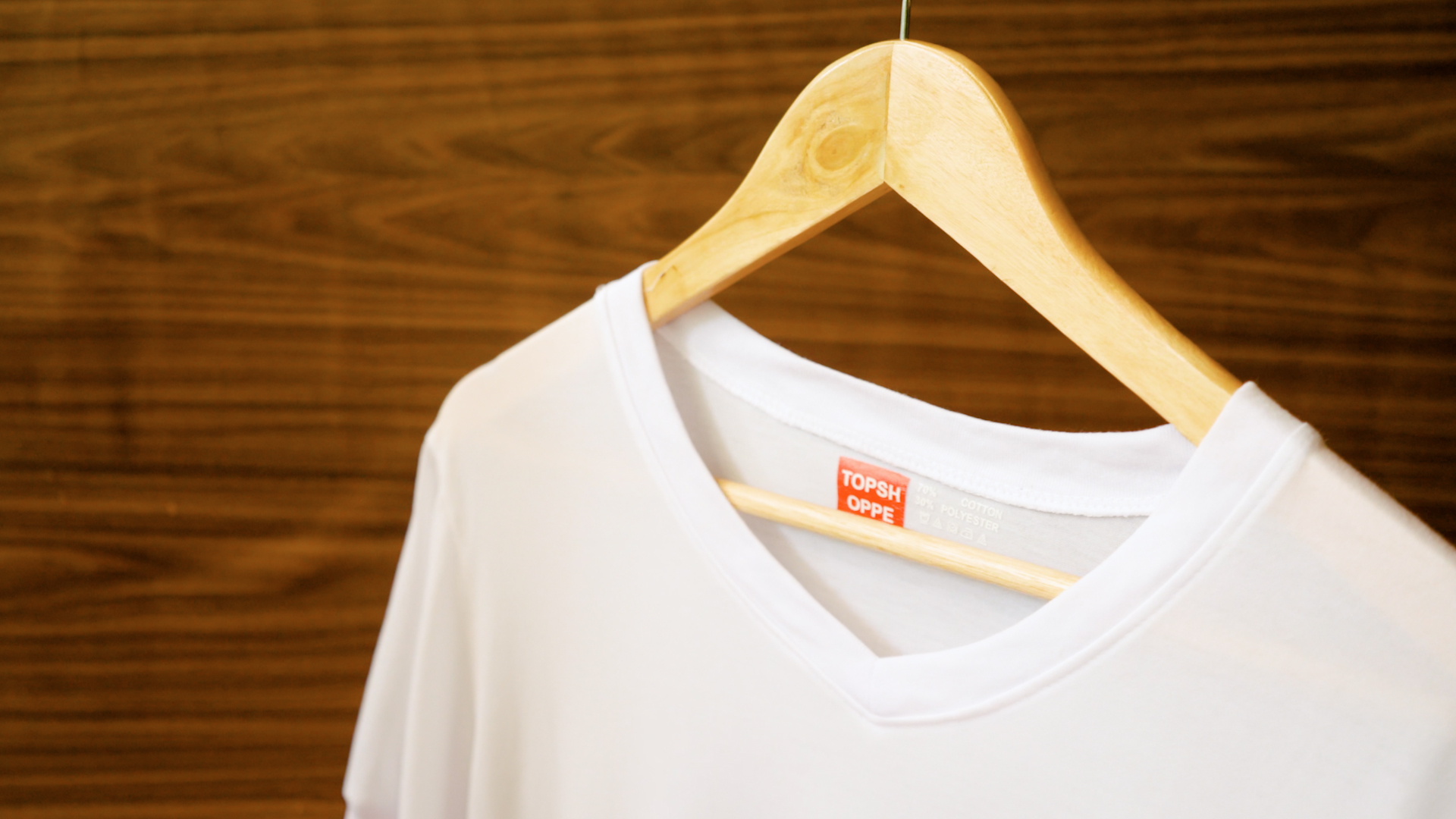
Before water, shampoo, or optimism touches the garment, check the care label. Look for instructions such as “hand wash,” “machine wash cold,” “dry clean only,” or “do not wash.” Care labels exist because fabrics behave differently. Cotton can usually handle more action than silk. Wool can shrink or felt if rubbed too aggressively. Rayon may weaken when wet. Bright colors may bleed if you use warm water. The label is not being bossy; it is trying to save your sweater from becoming doll clothing.
Step 2: Choose the Right Shampoo
Pick a gentle shampoo with a simple formula. Baby shampoo, fragrance-free shampoo, or a mild clear shampoo is ideal. Skip 2-in-1 shampoo and conditioner, purple toning shampoo, clarifying shampoo with strong formulas, dandruff shampoo, color-depositing shampoo, and anything described as “ultra moisturizing” with oils or butters. Those products may leave coatings on fabric or affect color. If the shampoo looks like it belongs in a luxury dessert commercial, maybe do not pour it on your white blouse.
Step 3: Test for Colorfastness
For dark, bright, or delicate fabrics, test first. Dab a hidden area with cool water and a tiny bit of diluted shampoo, then press it with a white cloth or paper towel. If color transfers, wash the item separately in cold water, keep the process short, and avoid soaking. If the color runs dramatically, stop and use a proper fabric-safe method instead. Testing takes one minute and can prevent your entire sink from turning into grape soda.
Step 4: Sort Clothes by Color and Fabric
Even when hand-washing, sort clothes. Wash whites, lights, darks, and bright colors separately. Keep delicate fabrics away from rough fabrics like denim. Do not wash lint producers, such as fuzzy socks or towels, with smooth dark garments. Sorting may feel unnecessary for a tiny sink load, but one red sock can become a tiny villain with a surprisingly large résumé.
Step 5: Fill a Basin with Cool or Lukewarm Water
Use a clean sink, bucket, or basin. Fill it with cool or lukewarm water. Cold water is safest for most colors, delicate fabrics, and items that might shrink. Lukewarm water can help with light body oils, but avoid hot water unless the care label clearly allows it. Hot water can set some stains, fade color, shrink fibers, and make delicate fabrics lose their shape. When in doubt, go cooler. Your clothes are not pasta; they do not need boiling.
Step 6: Add a Tiny Amount of Shampoo
Use less shampoo than you think. For one or two small garments, start with about half a teaspoon. For a small basin with several lightweight items, use one teaspoon. Mix the shampoo into the water before adding clothes so it dissolves evenly. The water should feel slightly slippery, not like a bubble bath at a hotel in a movie. Too much shampoo means more rinsing, more residue, and more regret.
Step 7: Submerge and Gently Agitate
Place the clothes in the soapy water and press them down until fully wet. Swish gently with your hands for one to three minutes. Focus on moving water through the fabric rather than scrubbing the fabric against itself. For underarms, collars, cuffs, and sock soles, gently massage the area with your fingertips. Avoid twisting, stretching, or aggressive rubbing, especially with knits, lace, silk, rayon, and wool. Laundry is not a wrestling match, even if your socks started it.
Step 8: Soak Briefly If Needed
If clothes are lightly smelly or have general dirt, let them soak for 5 to 10 minutes. Avoid long soaking for dark colors, delicate fabrics, elastic, wool, silk, and anything with embellishments. Shampoo is mild, but water itself can affect fabric shape, dye, and texture. For most emergency laundry, a short soak is enough. If the garment still smells bad after that, it probably needs real laundry detergent and a more serious wash later.
Step 9: Treat Small Problem Areas Carefully
For light stains, apply a tiny dot of diluted shampoo directly to the spot and tap gently with your fingers. Work from the outside of the stain toward the center to avoid spreading it. Rinse and repeat if necessary. Shampoo may help with light body oils or makeup smudges, but it is not a miracle worker. Grease, blood, wine, grass, ink, and deep sweat stains often need specific stain treatment. If your shirt looks like it fought a cheeseburger and lost, shampoo may only be the opening act.
Step 10: Drain and Rinse Thoroughly
Drain the soapy water and refill the basin with clean cool water. Swish the clothes again, press water through the fabric, then drain. Repeat until the water looks clear and the fabric no longer feels slippery. Most shampoo-washed clothes need at least two rinses, sometimes three. Rinsing matters because leftover shampoo can make fabric feel stiff, attract dirt, irritate skin, or create odd smells later. Clean clothes should not feel like they are wearing hair gel.
Step 11: Press Out Water Without Wringing
Lift the garment and gently press out excess water. Do not twist or wring delicate clothes because that can stretch fibers, damage seams, and ruin shape. For sturdy cotton items, a light squeeze is fine. For delicate pieces, lay the garment flat on a clean towel, roll the towel up, and press gently to absorb moisture. This towel-roll method is especially useful for sweaters, lingerie, and lightweight knits.
Step 12: Air Dry the Right Way
Air drying is usually best after shampoo washing. Hang sturdy items like T-shirts and socks on a drying rack or clothesline. Lay sweaters and delicate knits flat on a towel so they do not stretch. Keep bright or dark clothes away from direct sunlight if fading is a concern. Make sure items dry completely before folding or storing them. Damp laundry stuffed into a drawer can develop mildew odor, which is basically laundry’s way of saying, “You had one job.”
How Much Shampoo Should You Use?
The safest rule is simple: use the smallest amount that creates lightly soapy water. For one shirt, half a teaspoon is often enough. For three or four lightweight items, use about one teaspoon. For a travel sink load, start small and add only if the water feels completely plain. More shampoo does not mean cleaner clothes. It usually means more foam, more rinsing, and fabric that feels weird after drying.
Best Clothes to Wash with Shampoo
Shampoo is most useful for lightweight, lightly worn clothing. Good options include cotton T-shirts, underwear, thin socks, camisoles, sleep shirts, soft travel clothing, and some hand-wash delicates. It can also work for a quick refresh of a blouse or scarf, provided the care label allows water washing. Always be more cautious with silk, wool, cashmere, rayon, viscose, leather trim, sequins, embroidery, and structured garments.
Worst Clothes to Wash with Shampoo
Avoid using shampoo on towels, jeans, hoodies, bedding, heavily soiled uniforms, oily work clothes, gym clothes with strong odor, and anything that needs deep cleaning. These items usually need real laundry detergent, enough water movement, and proper rinsing. Shampoo also is not the right choice for cleaning clothes after illness, handling raw food messes, or exposure to heavy grime. In those cases, detergent is not optional; it is the main character.
Can You Use Shampoo in a Washing Machine?
It is not recommended. Washing machines, especially high-efficiency models, are designed for low-sudsing laundry detergent. Shampoo can foam too much, and too many suds can interfere with washing, rinsing, draining, and spinning. Even if nothing dramatic happens, the clothes may come out soapy or stiff. If you already used shampoo in the machine and see lots of suds, stop adding products, run extra rinse cycles, and let the machine clear the residue.
Shampoo vs. Laundry Detergent: What Is the Difference?
Shampoo and laundry detergent both clean with surfactants, but they are built for different jobs. Shampoo is made for hair, skin oils, and scalp comfort. Laundry detergent is made for fabric, soil suspension, stain removal, water hardness, rinsing, and machine performance. Many laundry detergents also contain enzymes that target proteins, starches, and fats. Shampoo usually does not offer that same laundry-specific cleaning power.
That does not make shampoo useless. It just means shampoo is a backup plan, not a permanent replacement. Think of it like using a butter knife as a screwdriver: possible in an emergency, but please do not build a deck that way.
Common Mistakes to Avoid
Using Too Much Shampoo
This is the most common mistake. Too much shampoo leaves residue and makes rinsing annoying. Start with a tiny amount and add more only if absolutely necessary.
Skipping the Rinse
A quick splash under the faucet is not enough. Rinse until the fabric feels clean and the water runs clear.
Using Hot Water on Delicates
Hot water can shrink, fade, or distort fabrics. Cool water is safer for most emergency hand-washing.
Scrubbing Like You Are Sanding Furniture
Gentle agitation is enough for lightly worn clothing. Rough scrubbing can pill fabric, stretch knits, and damage fibers.
Using Conditioner-Based Shampoo
Conditioning ingredients may leave coatings on fabric. Use a mild, simple shampoo instead.
How to Make Clothes Smell Fresh After Washing with Shampoo
The best fresh smell comes from proper rinsing and full drying, not from pouring in more fragrance. If clothes smell too strongly of shampoo after drying, you probably used too much or did not rinse enough. Re-rinse the item in cool water and dry it in moving air. For travel laundry, hang items where air can circulate. A fan helps. A closed bathroom with no airflow turns drying into a slow-motion science experiment.
Travel Tip: Washing Clothes with Shampoo in a Hotel Sink
Shampoo can be surprisingly helpful when traveling. Wash one or two items at a time, use a pea-sized amount, rinse thoroughly, then roll each garment in a towel before hanging it. Choose fast-drying fabrics when packing, and avoid washing thick cotton at night unless you enjoy putting on damp clothes in the morning. For longer trips, bring a small packet of travel laundry detergent. It takes less space than regret.
Experience Notes: What Washing Clothes with Shampoo Is Actually Like
The first thing you notice when washing clothes with shampoo is that it feels easier than expecteduntil rinse time arrives and teaches humility. A tiny amount of shampoo spreads quickly through water, especially in a sink or small basin. For one T-shirt and a pair of socks, half a teaspoon can be plenty. The water becomes lightly slippery, the fabric softens, and the whole process feels almost too simple. This is the moment when many people make the classic mistake: they add more shampoo because more bubbles look more “clean.” That is where the tiny laundry adventure becomes a foam documentary.
In real-life use, shampoo works best when the clothing is only lightly worn. A shirt that picked up a little body odor during travel can come out fresh enough to wear again. Underwear and thin socks can be cleaned decently if they are washed soon after wearing and rinsed well. A lightweight blouse can be refreshed without much trouble. But the results change quickly when clothes are heavily sweaty, greasy, or stained. Synthetic gym shirts, for example, can hold odor in the fibers. Shampoo may make them smell better while wet, but once dry, that old gym-bag ghost may return and haunt everyone within polite conversation distance.
Rinsing is the part that separates success from “why does my shirt feel waxy?” Shampoo can cling to fabric if overused. Two rinses are often the minimum; three rinses are better for thicker cotton. Pressing water through the fabric works better than just waving the garment around under running water. If the fabric still feels slippery, it is not done. If the rinse water keeps showing bubbles, it is also not done. The goal is boring, clear water. In laundry, boring is beautiful.
Drying also matters more than people expect. Rolling the garment in a clean towel before hanging can remove a surprising amount of water. This is especially useful in hotels, dorms, apartments, or rainy weather. Hanging a dripping shirt directly over the shower rod may work, but it can take forever and leave stretched shoulders. A towel roll plus a drying rack or hanger near airflow is much better. For knits, laying flat is safer because wet fibers stretch easily.
The biggest practical lesson is this: shampoo is a smart emergency tool, not a full laundry system. It is great when you are traveling, out of detergent, or trying to rescue one clean shirt before work or school. It is not great for weekly laundry, towels, bedding, or deep stains. Used carefully, it can save the day. Used recklessly, it creates residue, fragrance overload, and enough bubbles to make your sink look like it is auditioning for a car wash commercial.
Final Thoughts
Washing clothes with shampoo is absolutely possible when you treat it as a short-term solution. Use a gentle shampoo, wash by hand, choose cool water, avoid over-sudsing, rinse more than you think you need to, and air dry properly. The method is best for small, lightly worn garments and travel emergencies. For regular laundry, heavy soil, stains, towels, bedding, and machine washing, laundry detergent is still the right tool.
Note: Shampoo should be used only as an emergency hand-washing substitute for lightly soiled clothes. For best fabric care, follow the garment care label and use proper laundry detergent whenever available.