Note: This article is written for web publishing and synthesizes reputable U.S.-based guidance from veterinary behavior experts, breed organizations, humane training resources, and established dog-training programs.
Training a Rottweiler is a little like owning a luxury pickup truck with a velvet interior: powerful, loyal, impressive, and absolutely not something you want rolling downhill with no steering. Rottweilers are intelligent working dogs with deep family loyalty, natural confidence, and enough strength to make your morning leash walk feel like an unscheduled gym membership.
The good news? A well-trained Rottweiler can be one of the most dependable, affectionate, and enjoyable companions you will ever meet. The not-so-secret secret is structure. Rotties thrive when they know what is expected, when training is consistent, and when their owner leads with calm confidence instead of shouting, wrestling, or trying to “out-stubborn” a dog that was basically born with a PhD in commitment.
This guide explains how to train a Rottweiler using positive reinforcement, early socialization, obedience foundations, leash manners, impulse control, crate training, and real-world practice. Whether you have a squishy Rottweiler puppy with paws the size of pancakes or an adult rescue who already has opinions about squirrels, this step-by-step approach will help you build a safer, happier, better-mannered dog.
Understanding the Rottweiler Mindset
Before you teach commands, understand the breed. Rottweilers were developed as working dogs, historically used for tasks like driving cattle, guarding property, and pulling carts. That heritage matters. A Rottweiler is not usually a dog that wants to float through life as decorative couch furniture, though many are world-class couch potatoes after exercise. They need jobs, rules, mental stimulation, and a strong relationship with their person.
Rottweilers are often described as calm, confident, watchful, and devoted to family. They can also be reserved with strangers, which is not the same as being aggressive. A properly socialized Rottweiler learns that the world is full of ordinary people, normal noises, friendly visitors, weird hats, delivery trucks, umbrellas, and toddlers carrying crackers at dangerous nose height. Socialization teaches your dog how to process those things without panic or overreaction.
Start Training Early, But Keep It Age-Appropriate
The best time to start training a Rottweiler is the day your dog comes home. That does not mean drilling a tiny puppy like a military cadet. It means teaching simple habits immediately: where to potty, where to sleep, how to respond to their name, how to settle, and how to earn rewards by making good choices.
For Rottweiler puppies, short sessions work best. Think three to five minutes at a time, several times a day. Puppies have attention spans roughly equal to popcorn in a thunderstorm, so quit while your dog is still engaged. For adult Rottweilers, sessions can be slightly longer, but the rule remains the same: stop before frustration shows up wearing boots.
Basic Training Timeline
From 8 to 12 weeks, focus on name recognition, potty training, crate comfort, gentle handling, and positive exposure to household sounds. From 12 to 16 weeks, build basic cues like “sit,” “down,” “come,” “leave it,” and “place.” Around 4 to 6 months, increase leash skills, impulse control, polite greetings, and supervised exposure to new environments. After 6 months, continue proofing behaviors around distractions, because teenage Rottweilers can suddenly forget everything except where the treats are stored.
Use Positive Reinforcement, Not Force
Modern humane dog training emphasizes reward-based methods. Positive reinforcement means rewarding behaviors you want repeated with food, praise, play, access to sniffing, or anything your dog finds valuable. For Rottweilers, this approach is especially important because they are strong, sensitive, and smart enough to remember unfair treatment.
Harsh punishment, intimidation, alpha rolls, yelling, and pain-based tools can damage trust and may increase fear, stress, or defensive behavior. A Rottweiler does not need a bully. A Rottweiler needs a clear teacher. Think coach, not dictator. Your job is to make the right behavior easy, rewarding, and obvious.
How to Reward Correctly
Reward immediately after the behavior. If you ask for “sit” and your Rottie sits, mark it with “yes” or a clicker, then give the reward. Timing matters. Waiting five seconds may accidentally reward the dog for standing up, drooling on your shoe, or staring into the distance like a philosopher.
Use high-value treats for difficult tasks, such as recall around distractions or loose-leash walking near other dogs. Use lower-value rewards for easy behaviors at home. Over time, mix food with praise, toys, and life rewards, such as opening the door after your dog sits politely.
Socialization: The Foundation of a Stable Rottweiler
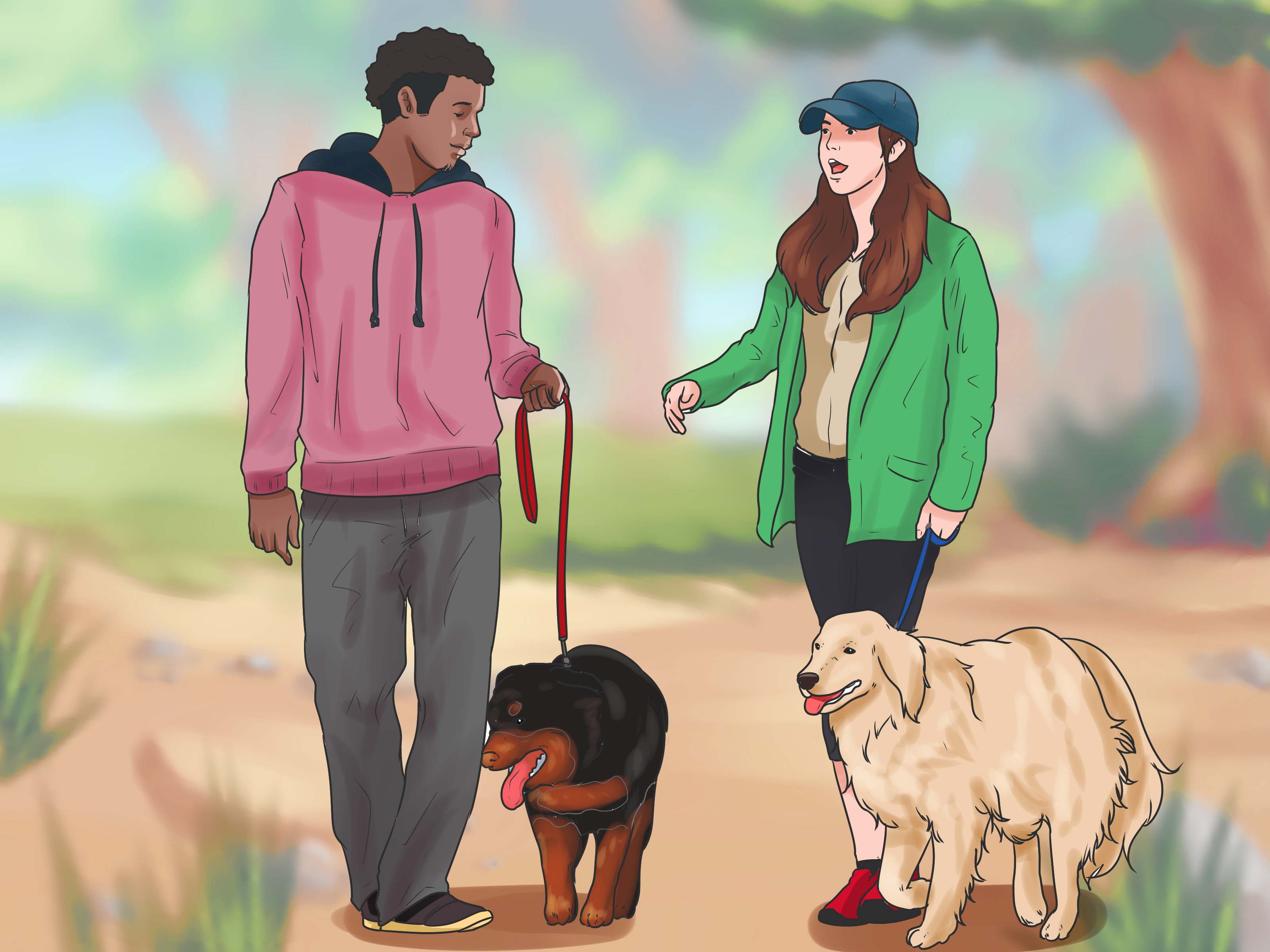
Socialization is not simply letting your Rottweiler meet random dogs at the park. In fact, chaotic dog-park experiences can do more harm than good, especially for a young or uncertain puppy. True socialization means carefully introducing your dog to people, places, sounds, surfaces, animals, vehicles, and daily life in a safe, positive, controlled way.
A Rottweiler puppy should learn that the world is interesting but not threatening. Let your dog see people in hats, people with canes, joggers, bicycles, strollers, garbage trucks, elevators, vet offices, grooming tools, umbrellas, and slippery floors. Pair new experiences with treats and calm praise. If your puppy looks overwhelmed, increase distance or end the session. Confidence grows when the dog feels safe, not when they are forced to “deal with it.”
Socialization Checklist
Introduce your Rottweiler to friendly adults, respectful children, calm vaccinated dogs, traffic sounds, doorbells, grooming brushes, nail clippers, car rides, crates, different walking surfaces, and brief periods of alone time. Keep every introduction short and positive. A five-minute successful outing beats a 45-minute meltdown starring your puppy, your neighbor’s leaf blower, and your dignity.
Teach the Essential Commands
Rottweiler obedience training should begin with practical cues that make daily life safer and easier. Fancy tricks are fun, but “come,” “stay,” and “leave it” are the commands that protect your dog from danger, embarrassment, and questionable sidewalk snacks.
Teach “Sit”
Hold a treat near your dog’s nose and slowly move it upward and slightly back. As your Rottweiler’s head follows the treat, their rear usually lowers. The moment they sit, say “yes” and reward. After several repetitions, add the verbal cue “sit.” Practice before meals, before opening doors, and before putting on the leash.
Teach “Down”
Ask for a sit, then lower a treat from your dog’s nose toward the floor. Move it slightly forward until your dog’s elbows touch down. Mark and reward. For large dogs like Rottweilers, “down” is useful for calming excited energy and helping them settle in public spaces.
Teach “Come”
Recall should always feel like winning the lottery. Start indoors. Say your dog’s name, then “come” in a cheerful voice. When they move toward you, praise enthusiastically and reward generously. Never call your Rottweiler to punish them, trim nails, or end fun every single time. If “come” predicts bad news, your dog may suddenly develop selective hearing worthy of a teenager.
Teach “Leave It”
Place a treat in your closed fist. Let your dog sniff, lick, and investigate. The moment they back away or stop trying to get it, mark and reward with a different treat from your other hand. Gradually practice with food on the floor, toys, and real-life distractions. “Leave it” is essential for preventing stolen socks, dropped pills, chicken bones, and suspicious outdoor mysteries.
Teach “Place”
“Place” means go to a mat, bed, or platform and stay there until released. Lure your dog onto the mat, mark, and reward. Add duration slowly. This cue is excellent when guests arrive, during family meals, or whenever your Rottweiler believes they have been hired as head of kitchen security.
Leash Training a Rottweiler Without Becoming a Kite
Loose-leash walking is non-negotiable for Rottweilers. A small dog that pulls is annoying. A Rottweiler that pulls can relocate your shoulder to another zip code. Start leash training in a low-distraction area, such as your living room, yard, or quiet driveway.
Reward your dog for walking near your side while the leash is loose. If they pull, stop moving. The walk continues only when the leash relaxes. You can also turn and walk in the opposite direction when your dog charges ahead. This teaches that pulling does not get them where they want to go; polite walking does.
Make Walks Mentally Enriching
Rottweilers need more than physical exercise. Let your dog sniff during walks. Sniffing is mental enrichment, not a waste of time. A structured walk can include heel practice, release-to-sniff breaks, sits at curbs, calm observation of distractions, and short recall games on a long line in safe areas.
Impulse Control: Teaching Your Rottie to Think Before Acting
Impulse control is the art of teaching your Rottweiler that patience pays. This is important because many unwanted behaviors are not “bad dog” behaviors; they are “big feelings in a big body” behaviors. Jumping, door rushing, grabbing toys, barking at windows, and pulling toward dogs often improve when the dog learns self-control.
Practice “Wait” at Doors
Ask your dog to sit before opening a door. Open it slightly. If they move forward, close it gently. When they remain seated, mark and reward, then release them with a word like “okay.” This simple exercise teaches your Rottweiler that calm behavior opens doorsliterally.
Use Mealtime Manners
Ask for a sit before placing the food bowl down. If your dog dives toward the bowl, lift it back up. Lower it again when they sit. You are not teasing the dog; you are teaching emotional control. Also, yes, your Rottweiler may look betrayed. Stay strong.
Crate Training and House Manners
Crate training can help with potty training, travel, safety, and calm independence when introduced positively. The crate should never be used as punishment. Make it comfortable with appropriate bedding, safe chew items, and meals inside the crate. Begin with the door open, reward your dog for entering, and gradually build duration.
For puppies, crate time should match their age and bladder capacity. Take them outside after waking, eating, playing, and training. Reward potty success immediately outdoors. Indoor accidents should be cleaned calmly with an enzymatic cleaner. Scolding after the fact only teaches your dog that humans become weirdly emotional near puddles.
Prevent Jumping, Mouthing, and Rough Play
Rottweiler puppies can be mouthy, bouncy, and hilariously unaware of their future adult size. Teach polite greetings early. Reward four paws on the floor. If your puppy jumps, turn away or step back. When they sit or stand calmly, reward with attention. Consistency from every family member is crucial. If one person rewards jumping because “it’s cute,” your dog will believe democracy has spoken.
For mouthing, redirect to chew toys. End play briefly if teeth touch skin. Teach tug with rules: take it, drop it, and pause. Tug is not bad for Rottweilers when structured; it can actually build impulse control and strengthen your bond.
Training an Adult Rottweiler
Adult Rottweilers can absolutely learn new skills. Start by assessing what the dog already knows, what triggers stress, and what rewards they value. Do not assume stubbornness when the dog may be confused, anxious, under-exercised, or never taught the behavior in the first place.
Use management while training. If your adult Rottie rushes the front door, use baby gates, leashes, or a “place” cue before guests enter. If they pull on leash, practice in quiet areas before busy streets. If they bark at dogs, create distance and reward calm observation. Training succeeds faster when you prevent rehearsal of the unwanted behavior.
When to Hire a Professional Trainer
A qualified trainer can be a game-changer, especially for first-time Rottweiler owners. Look for professionals who use positive reinforcement, explain their methods clearly, welcome questions, and have experience with large working breeds. Puppy classes are excellent for socialization and early manners when run safely and humanely.
Seek professional help immediately if your Rottweiler shows intense fear, growling that escalates, lunging, guarding, bite history, or severe separation anxiety. For aggression concerns, consult a certified trainer, veterinary behaviorist, or behavior consultant. Do not try to “dominate” the problem. Behavior issues are not repaired by ego; they are improved through safety, skill, and a plan.
Exercise and Mental Stimulation
A tired Rottweiler is not automatically a trained Rottweiler, but exercise helps the brain receive information instead of broadcasting chaos. Most healthy adult Rottweilers benefit from daily walks, play, training, chewing, and problem-solving activities. Puppies need age-appropriate exercise to protect developing joints, so avoid forced long-distance running or repetitive high-impact jumping.
Great Mental Activities for Rottweilers
Use puzzle feeders, scent games, hide-and-seek, obedience drills, trick training, rally-style exercises, and structured tug. Even five minutes of focused training can tire a dog more effectively than 20 minutes of random backyard zoomies. Though, to be fair, zoomies do provide excellent comedy.
Common Rottweiler Training Mistakes
One common mistake is waiting until the dog is “older” to start training. By then, your Rottweiler has already been learningjust not necessarily the lessons you wanted. Another mistake is inconsistency. If jumping is forbidden on Monday but encouraged on Saturday, your dog will keep trying because sometimes the slot machine pays out.
Owners also sometimes under-socialize Rottweilers because they assume protectiveness is desirable. A stable Rottweiler does not need to treat every visitor like a suspicious raccoon. Good socialization helps your dog distinguish normal life from actual concerns.
Finally, many owners train only at home. Your Rottweiler may sit perfectly in the kitchen but forget the cue at the park because the park has squirrels, grass, children, smells, and one leaf blowing suspiciously. Practice in many environments, gradually increasing distractions.
Real-World Experiences: What Training a Rottweiler Actually Feels Like
Training a Rottweiler in real life is rarely a straight line. It is more like a scenic road with coffee stops, construction zones, and one surprise detour caused by a squirrel. Many Rottweiler owners describe the early months as a blend of admiration and humility. One day your puppy learns “sit” in three repetitions and you feel like a genius. The next day they try to carry the laundry basket through a doorway sideways and you remember nature enjoys balance.
A common experience is discovering how quickly a Rottweiler learns patterns. If you pick up the leash before every walk, your dog may start celebrating before you even touch the doorknob. That intelligence is wonderful, but it means you must be intentional. If barking at the window gets attention, the dog learns barking is a communication strategy. If sitting quietly gets the leash clipped on, sitting becomes the better strategy. Rottweilers are always learning; the question is whether we are teaching on purpose.
Another real-world lesson is that calmness must be trained, not wished into existence. Many owners focus on commands but forget relaxation. A Rottweiler who can lie on a mat while dinner is cooked, guests chat, or a delivery arrives is not boring; that dog is advanced. Teaching calm behavior often starts with rewarding tiny moments: one second of eye contact, one relaxed breath, one choice to stay on the mat instead of supervising the oven like a furry health inspector.
Leash training is often the humbling chapter. A young Rottweiler may walk beautifully in the driveway and then transform into a determined freight engine when another dog appears. Successful owners usually learn to increase distance, reward attention, and practice before the dog is already overexcited. The goal is not to overpower the dog. The goal is to teach the dog that checking in with the handler is more rewarding than launching toward every interesting thing on planet Earth.
Socialization also feels different from what many people expect. It is not about letting everyone pet your puppy. In fact, some Rottweilers prefer observing before interacting. A smart owner respects that. Sitting outside a café at a comfortable distance, rewarding calm watching, and leaving before the puppy gets overwhelmed can be more valuable than twenty strangers reaching for the dog’s head. Confidence grows through safe exposure, not social pressure.
Many owners also learn that Rottweilers respond beautifully to fairness. They tend to enjoy knowing the rules. When expectations are clear, rewards are meaningful, and the handler is steady, training becomes a partnership. The dog begins to look back on walks, offer sits at doors, relax on cue, and respond with the proud expression of someone who knows they nailed the assignment.
The most rewarding experience is watching a powerful dog become gentle by choice. A trained Rottweiler can move through the world with calm confidence: greeting politely, walking without dragging, ignoring distractions, and settling near the family. That transformation does not happen by accident. It is built through hundreds of small, ordinary momentstreats in pockets, patient repetition, consistent rules, and the occasional deep breath when your dog decides the garden hose is a mortal enemy.
Conclusion
Learning how to train a Rottweiler is really learning how to build trust with a strong, intelligent, loyal working dog. Start early, use positive reinforcement, socialize thoughtfully, teach practical obedience, practice leash manners, and make calm behavior part of daily life. Rottweilers do best with owners who are consistent, patient, and willing to guide rather than intimidate.
A well-trained Rottweiler is not just obedient; they are confident, safe, and deeply connected to their family. Put in the time, keep sessions fun, and remember that every good choice your dog makes is a brick in the foundation. Eventually, you will have a companion who can handle the world with power, manners, and just enough goofy charm to keep your floors covered in joyand possibly drool.