Taraweeh is one of the most beloved parts of Ramadan: the peaceful night prayer after Isha, the long rows at the mosque, the soft recitation of the Quran, the sleepy-but-determined worshippers, and yes, the occasional child doing advanced carpet gymnastics in the back row. Whether you are praying Taraweeh at home for the first time or walking into a mosque wondering when to stand, sit, bow, and not accidentally follow the wrong row, this guide will help you feel prepared.
In simple terms, Taraweeh is a voluntary night prayer performed during Ramadan after the obligatory Isha prayer and before Witr. It is prayed in sets of two rak‘ahs, and Muslims commonly pray 8, 20, or another even number depending on their community, school of thought, health, schedule, and local mosque practice. The heart of Taraweeh is not a scoreboard. It is sincerity, Quran, patience, and showing up for Allah when your bed is whispering, “We had something special.”
What Is Taraweeh Prayer?
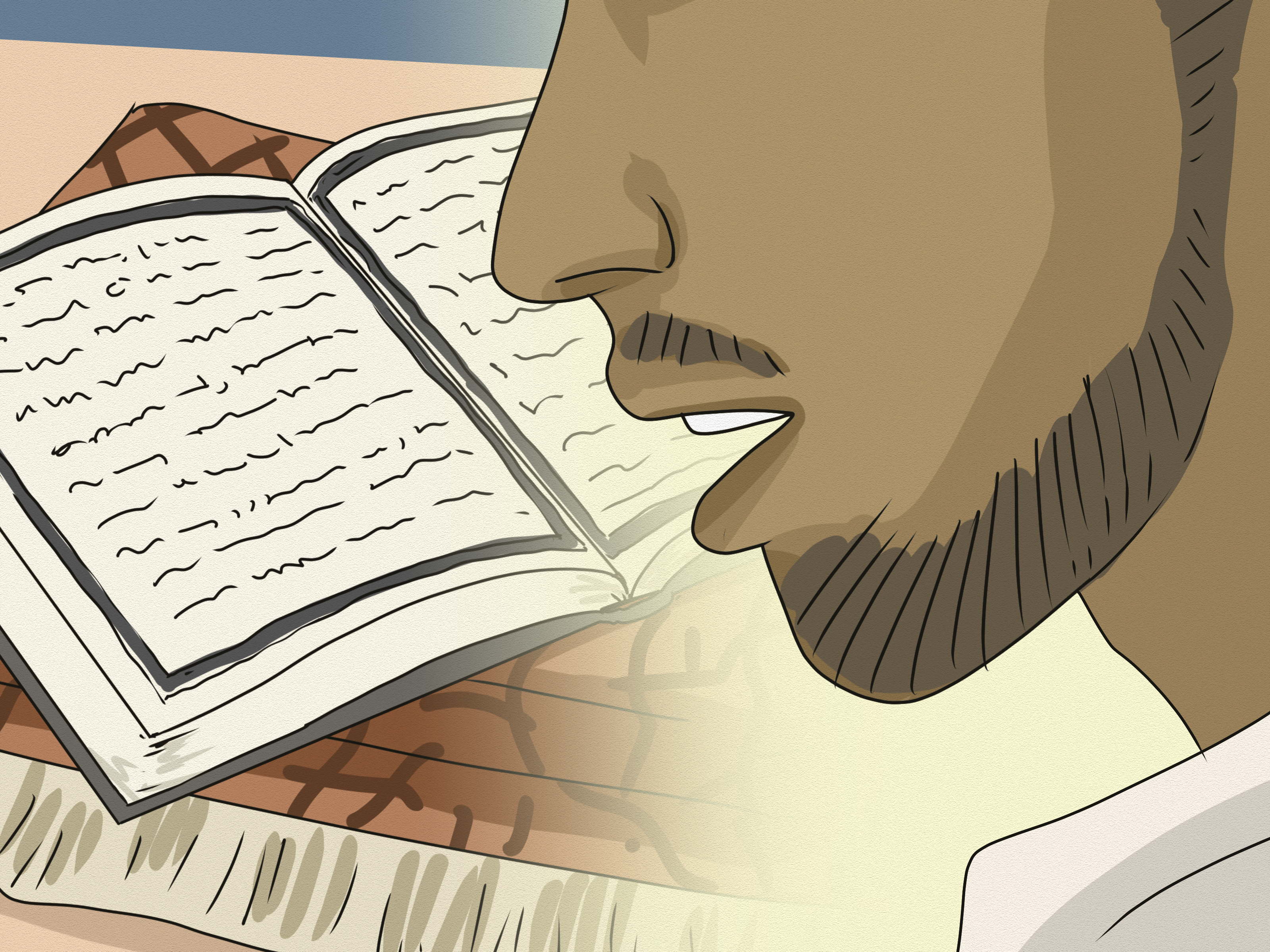
Taraweeh, also spelled Tarawih, refers to special Ramadan night prayers. The word is connected with rest or relaxation, because worshippers traditionally pause after sets of rak‘ahs. In many mosques, the imam recites portions of the Quran each night so the congregation may hear the entire Quran over the month of Ramadan. At home, Taraweeh may be shorter, simpler, and quieter, but it can still be deeply meaningful.
Taraweeh is not one of the five obligatory daily prayers. It is a highly recommended Sunnah or voluntary prayer in Ramadan. That means a person should not treat it casually, but also should not feel doomed if illness, work, caregiving, travel, or exhaustion makes a full mosque schedule impossible. Islam is not asking you to become a spiritual robot with no battery warning. Do what you can consistently and sincerely.
When Do You Pray Taraweeh?
Taraweeh is prayed after Isha during the nights of Ramadan. The usual order is:
- Pray the obligatory Isha prayer.
- Pray the Sunnah prayers connected to Isha, according to your practice.
- Pray Taraweeh in sets of two rak‘ahs.
- End with Witr, unless you plan to pray more night prayer later and follow a view that delays Witr until the end.
In the mosque, simply follow the imam. At home, you can pray soon after Isha or later in the night. If you know you are likely to fall asleep and wake up at Fajr with one sock on and deep regret in your soul, pray earlier. Consistency is better than an ambitious plan that collapses after night three.
How Many Rak‘ahs Are in Taraweeh?
This is the question that can turn a peaceful Ramadan discussion into a group chat with 87 unread messages. The short answer: Taraweeh is prayed in two-rak‘ah units, and many Muslim communities pray either 8 or 20 rak‘ahs. Both practices are found among Muslims, and local mosques often follow the tradition of their community or school of law.
If your mosque prays 20 and you can complete it, wonderful. If your mosque prays 8 and you pray with sincerity, also wonderful. If you pray 4 at home because you are a new Muslim, a tired parent, a student, a night-shift worker, or a human being with knees that file complaints, begin there and build gradually. The point is not to win Ramadan by quantity alone. The point is to stand before Allah with faith, humility, and love for the Quran.
How to Pray Taraweeh Step by Step
1. Prepare for Prayer
Make wudu, wear clean and modest clothing, and choose a clean place to pray. If you are at home, remove distractions when possible. That means silent phone, clear prayer space, and perhaps moving the snack bowl far enough away that it stops making eye contact.
2. Make Your Intention
The intention, or niyyah, is made in the heart. You do not have to say it out loud. Simply know that you are praying two rak‘ahs of Taraweeh for the sake of Allah. If you are following an imam, intend to follow the imam in prayer.
3. Begin with Takbir
Stand facing the qiblah. Raise your hands and say “Allahu Akbar” to begin the prayer. Fold your hands according to the practice you normally follow.
4. Recite Al-Fatihah and Quran
In each rak‘ah, recite Surah Al-Fatihah and then another portion of the Quran. If you know short surahs, use them. You do not need to be a hafiz to pray Taraweeh at home. Reciting sincerely what you know is better than avoiding the prayer because you feel embarrassed. Allah knows the effort behind every syllable.
5. Complete the Movements of Prayer
After recitation, bow in ruku, stand again, prostrate in sujud, sit, and prostrate again. Then stand for the second rak‘ah and repeat the same basic structure. After the second rak‘ah, sit for tashahhud and end with salam by turning your head to the right and left.
6. Repeat in Sets of Two
Continue praying two rak‘ahs at a time until you complete the number you intend to pray. Many people rest briefly after every four rak‘ahs. A short pause can help you stretch, breathe, make dhikr, drink water, or remind your sleepy teenager that the prayer rug is not technically a mattress.
7. Pray Witr
Many mosques conclude Taraweeh with Witr prayer. Witr is an odd-numbered night prayer, commonly prayed as one or three rak‘ahs. Practices differ in details, so follow your local imam or the method you have learned from a trusted teacher.
How to Pray Taraweeh at Home
Praying Taraweeh at home is completely valid. It can be done alone or in congregation with family. Home Taraweeh is especially helpful for people who cannot attend the mosque, including parents with young children, caregivers, people with health limitations, converts who are still learning, women who prefer praying at home, or anyone who lives far from a mosque.
Create a Simple Prayer Space
You do not need a Pinterest-level Ramadan corner with lanterns, calligraphy, and lighting that looks like a luxury hotel lobby. A clean, quiet space is enough. If decorations help your family feel excited, enjoy them. If your setup is one prayer mat between the couch and the laundry basket, that still counts.
Choose a Realistic Amount
At home, you can start with 2, 4, 6, 8, or more rak‘ahs. If you are new to Taraweeh, begin with a number you can maintain. Ramadan is a month, not a one-night spiritual sprint. A steady 4 rak‘ahs with focus may be better for you than planning 20 every night and quitting by the fourth evening because your motivation packed a suitcase.
Can You Read from the Quran?
Some scholars allow reading from a physical mushaf or Quran app during voluntary prayers, especially for those who have not memorized much Quran. Others prefer reciting from memory. Because details vary by school of thought, follow reliable guidance from your local imam or teacher. If you recite from memory, short surahs are perfectly acceptable.
Praying with Family
If praying in congregation at home, one person leads as imam. The imam stands in front. Adult male followers usually stand behind him, and women stand behind the men. If only two people are praying, the follower stands beside or slightly behind the imam depending on the situation and the guidance followed. In a women-only congregation, many scholars allow a woman to lead other women, often standing in the same row or slightly ahead depending on the school of thought.
How to Pray Taraweeh in the Mosque
Praying Taraweeh in the mosque brings a special Ramadan atmosphere. The rows, the Quran recitation, the community, the post-prayer smiles, and the shared exhaustion all become part of the month’s beauty. For many Muslims, mosque Taraweeh is where Ramadan starts to feel real.
Arrive Early
Try to arrive before Isha begins. This gives you time to park, make wudu, find a place, and settle your heart. Rushing in mid-prayer while carrying shoes, keys, and mild panic is not ideal, though many of us have performed that exact Olympic event.
Follow the Imam
The golden rule in congregational prayer is simple: follow the imam. Do not race ahead, do not lag dramatically behind, and do not start your own private prayer rhythm. When the imam bows, you bow. When he prostrates, you prostrate. When he gives salam, you give salam.
Respect the Rows
Stand shoulder to shoulder as your mosque directs. Fill gaps. Keep your belongings out of walkways. If you arrive late, join quietly. If you need to leave early, leave respectfully between prayer sets, not while climbing over half the row like you are escaping a movie theater.
Bring Children with Wisdom
Children belong in the Muslim community, but parents should help them understand mosque manners. Bring quiet activities if needed, choose a suitable place, and step out if a child becomes very disruptive. The goal is not to make children feel unwelcome; it is to teach them that the mosque is a place of worship, not a trampoline park with carpet.
Phones, Fragrance, and Food
Silence your phone before prayer. Avoid strong scents that may bother others. If your mosque serves iftar or snacks, clean up after yourself. Leaving crumbs behind after Taraweeh is not a secret form of charity for the vacuum cleaner.
Common Mistakes to Avoid
Thinking Taraweeh Must Be All or Nothing
Do not skip Taraweeh entirely because you cannot pray the full amount. Pray what you can. A small act done consistently with sincerity can become a major source of spiritual growth.
Arguing About Rak‘ah Counts
Ramadan is not the season for turning the mosque lobby into a debate stage. If your community follows a valid scholarly position, respect it. Ask questions politely. Learn with humility. Protect unity.
Ignoring the Meaning of the Quran
Beautiful recitation is wonderful, but Taraweeh should also connect you to the message of the Quran. Read a short translation before or after prayer. Reflect on one verse. Let the Quran speak to your actual life, not just your ears.
Overdoing It Too Early
Many people start Ramadan with heroic energy and then crash. Pace yourself. Sleep enough. Eat sensibly. Hydrate between iftar and suhoor. Taraweeh is easier when your dinner is not a dramatic mountain of fried food demanding revenge.
Tips for Better Focus in Taraweeh
Focus in prayer is called khushu, and everyone struggles with it. One moment you are listening to Quran; the next, your brain is asking whether you replied to that email from Tuesday. Be patient with yourself. Gently return your attention to Allah.
- Learn the meaning of common prayer phrases.
- Choose a comfortable pace at home instead of rushing.
- Read a short tafsir or translation of the verses being recited.
- Make dua before Taraweeh for focus and sincerity.
- Take short rests if needed.
- Avoid heavy meals right before prayer.
Spiritual Benefits of Taraweeh
Taraweeh trains the body and soul together. Your feet stand, your tongue recites, your ears listen, your heart remembers, and your schedule makes room for Allah. It builds patience because long prayer is not always easy. It builds community because Muslims gather nightly. It builds love for the Quran because Ramadan places revelation at the center of the night.
It also teaches a quiet lesson: you are capable of more worship than you thought. Many people assume they cannot stand for prayer after a long day of fasting, work, school, parenting, errands, and dishes. Then Ramadan arrives, and somehow they stand. Maybe not perfectly. Maybe while yawning. Maybe while negotiating with their knees. But they stand. That effort matters.
Experiences and Practical Reflections on Praying Taraweeh
The first experience many people have with Taraweeh is surprise. You walk into the mosque expecting “a little extra prayer,” and then realize the community is settling in for a full spiritual evening. The imam begins reciting, the rows become still, and the normal noise of life drops away. Outside, the world is busy. Inside, everyone is standing for the same reason. That feeling is powerful, especially for new Muslims or people returning to prayer after a long time.
At home, the experience is different but no less valuable. Home Taraweeh can feel intimate and honest. There may be no microphone, no large congregation, and no polished recitation. There may be a baby monitor nearby, a parent resting in the next room, or a small child asking why everyone keeps standing and sitting. Yet those ordinary details can make the worship feel even more real. Taraweeh at home says: “Allah is not only worshipped in grand spaces. He is remembered here too, between the couch, the kitchen, and the life I actually live.”
One beautiful family habit is to make Taraweeh a nightly Ramadan appointment. After iftar, everyone helps clean up. Someone fills water bottles. Someone chooses the prayer space. Someone younger may be assigned the very serious job of lining up prayer mats, which will almost certainly be crooked but spiritually ambitious. Then the family prays a manageable number of rak‘ahs together. Afterward, they make dua, read a short reflection, or share one thing they are grateful for. Over time, children remember not just the rules of prayer, but the warmth around it.
For mosque Taraweeh, the experience often teaches discipline. You learn to arrive earlier, park with patience, make space for others, and follow the imam even when the recitation is longer than expected. You learn that worship is not always about personal comfort. Sometimes it is about standing shoulder to shoulder with people you barely know and becoming part of something larger than yourself. The elderly man with a chair, the college student with exams, the mother who came after putting dinner away, the teenager fighting sleepall of them are answering the same Ramadan invitation.
There will also be imperfect nights. You may miss Taraweeh because work ran late. You may pray only two rak‘ahs because your energy disappeared. You may lose focus. You may feel emotional during recitation one night and distracted the next. That does not mean you failed. Ramadan worship is not a performance. It is a relationship. The best experience of Taraweeh is not always the longest or most dramatic one. Sometimes it is the quiet night when you almost skipped it, then prayed anyway.
A helpful personal approach is to set three levels for yourself. Your minimum level might be two rak‘ahs, no matter what. Your normal level might be eight rak‘ahs. Your best-energy level might be attending the mosque and completing the prayer with the imam. This removes the all-or-nothing trap. Even on a hard night, you still have a door into worship. Even on a strong night, you have room to grow.
In the end, Taraweeh is an invitation to stand a little longer with the Quran and to let Ramadan reshape your nights. Whether you pray at home in a quiet room or in a mosque filled with believers, the goal is the same: sincerity, remembrance, forgiveness, and closeness to Allah. Come as you are, start with what you can, and keep returning. The prayer mat is not asking for perfection. It is simply waiting for you to show up.
Conclusion
Learning how to pray Taraweeh at home or in the mosque is easier than it may first appear. Pray Isha, make your intention, perform Taraweeh in two-rak‘ah sets, recite what you know, follow the imam in congregation, and end with Witr according to your local practice. At the mosque, respect the imam, the rows, and the community. At home, create a peaceful space and choose a realistic routine. Most importantly, remember that Taraweeh is not about showing off stamina. It is about standing before Allah in Ramadan with faith, hope, humility, and love for the Quran.
Note: This article is for general educational purposes and reflects widely followed Sunni Muslim practice. For detailed rulings based on a specific school of thought, follow a trusted local scholar or imam.