A blender may be the celebrity of smoothie season, but it is not the only appliance capable of turning fruit into a cold, creamy breakfast. If your blender is broken, buried in a cabinet, or mysteriously living at your roommate’s new apartment, your food processor can step in.
Making a smoothie with a food processor requires a slightly different technique. Its wide bowl and flatter blade arrangement do not create the same powerful vortex as a blender, so dumping everything in at once may produce a fruity obstacle course instead of a drink. With the right ingredient order, smaller pieces, and a little patience, however, you can make a genuinely smooth and satisfying smoothie.
Can You Really Make a Smoothie in a Food Processor?
Yes, you can make a smoothie in a food processor. Several appliance manufacturers and recipe publishers specifically recommend food processors for blended drinks and smoothie bowls. The American Heart Association, for example, includes smoothie recipes that can be processed in either a blender or food processor, while Cuisinart publishes an açaí smoothie bowl prepared with a food processor’s chopping blade.
The result may not be quite as silky as a smoothie made in a high-powered blender. A blender’s tall container and upward-angled blades create a vortex that repeatedly pulls ingredients toward the blades. A food processor has a wider work bowl designed primarily for chopping, slicing, mixing, and puréeing thicker foods.
That difference is not a deal-breaker. It simply means you should process solid ingredients before adding most of the liquid. You may also need to stop once or twice to scrape the bowl. Think of it as making a smoothie with a tiny amount of supervision rather than pressing one button and wandering off to answer three emails.
What You Need
Equipment
- A food processor with a standard chopping or multipurpose blade
- A rubber or silicone spatula
- Measuring cups and spoons
- A serving glass or reusable bottle
- A spoon for rescuing any peanut butter that refuses to leave the measuring cup
A medium or full-size food processor is generally easier to use for smoothies than a tiny chopper because it offers more space for ingredients to circulate. However, a compact model can work for a single serving as long as its manual permits processing liquids.
Basic Smoothie Ingredients
A dependable food processor smoothie contains four basic components:
- Fruit or vegetables: Banana, berries, mango, peaches, pineapple, spinach, avocado, or cooked beets.
- Liquid: Milk, unsweetened nondairy milk, coconut water, kefir, or water.
- Creamy or filling ingredient: Yogurt, nut butter, avocado, oats, chia seeds, or silken tofu.
- Flavor booster: Cinnamon, vanilla, cocoa powder, ginger, mint, lemon juice, or a small amount of honey.
Frozen fruit is particularly useful because it thickens and chills the smoothie without diluting it with a large amount of ice. Mayo Clinic and American Heart Association recipes also note that frozen fruit produces a creamy consistency and can eliminate the need for ice.
Easy Food Processor Smoothie Recipe
This flexible recipe makes one generous serving or two smaller servings.
Ingredients
- 1 ripe banana, sliced
- 1 cup frozen strawberries, blueberries, mango, or mixed fruit
- 1/2 cup plain Greek yogurt
- 1/2 to 3/4 cup milk or unsweetened nondairy milk
- 1 tablespoon peanut butter, almond butter, or rolled oats
- 1 teaspoon honey or maple syrup, optional
- 1/4 teaspoon vanilla extract, optional
Step 1: Prepare the Food Processor
Fit the chopping or multipurpose blade securely into the work bowl. Confirm that the bowl and lid are properly locked into place. Check your appliance manual before processing significant amounts of liquid because maximum liquid capacities vary by model.
Step 2: Process the Soft Ingredients
Add the sliced banana, yogurt, nut butter, and any fresh fruit. Process for 20 to 30 seconds, or until the mixture resembles a thick purée.
Starting with soft ingredients gives the blade something easy to grab. It also creates a creamy base that helps frozen fruit move around the bowl instead of bouncing above the blade like colorful little marbles.
Step 3: Add the Frozen Fruit Gradually
Add half of the frozen fruit and pulse several times. Add the remaining fruit and process again. If the pieces are large, let them sit at room temperature for five minutes or cut them into smaller chunks before processing.
A food processor can handle frozen fruit, but forcing a large, rock-hard strawberry directly against the blade is not an act of culinary courage. Smaller pieces are easier on the appliance and produce a more even texture.
Step 4: Pour in the Liquid Slowly
With the machine running, add about 1/2 cup of liquid through the feed tube. Continue processing for 30 to 60 seconds. Add additional liquid one tablespoon at a time until the smoothie reaches your preferred consistency.
Adding the liquid after the fruit has been broken down is the key difference between using a food processor and using a conventional blender. KitchenAid’s food processor smoothie guidance similarly recommends processing ingredients in stages rather than loading the bowl indiscriminately.
Step 5: Scrape and Process Again
Turn off and unplug the machine. Remove the lid and scrape the sides and bottom of the bowl, keeping your hands safely away from the blade. Replace the lid and process for another 20 to 30 seconds.
Step 6: Check the Texture
Taste the smoothie and make one final adjustment:
- Add more milk if it is too thick.
- Add frozen banana or fruit if it is too thin.
- Add lemon or lime juice if it tastes flat.
- Add yogurt, oats, or chia seeds for more body.
- Add a date, honey, or maple syrup only if the fruit is not sweet enough.
Step 7: Pour Carefully
Remove the blade before pouring whenever your food processor’s design allows it. The wide bowl may not have a pouring spout, so transfer the smoothie slowly or use a ladle. This is not the moment to attempt an aggressive one-handed café flourish unless you enjoy cleaning berry freckles from the wall.
The Best Ingredient Ratio
For one thick but drinkable smoothie, begin with this simple ratio:
- 1 1/2 cups fresh or frozen produce
- 1/2 cup yogurt or another creamy ingredient
- 1/2 cup liquid
- 1 to 2 tablespoons of an optional protein or fiber booster
This ratio is a starting point rather than a smoothie law carved into a banana peel. Frozen fruit, oats, chia seeds, and nut butter absorb or restrict liquid differently. Begin with less liquid because it is easy to add more and surprisingly difficult to remove it once your smoothie has become fruit-flavored milk.
How to Make a Smoother Smoothie
Cut Ingredients Into Small Pieces
Slice bananas before freezing them and cut mango, peaches, pineapple, and other firm fruit into roughly one-inch pieces. Small pieces reach the blade more consistently and reduce processing time.
Use Ripe Fruit
Ripe bananas, pears, peaches, and mangoes blend more readily than underripe fruit. They also provide natural sweetness, reducing the temptation to introduce half the contents of the honey jar.
Remove Tough Stems
Strip thick stems from kale, chard, and similar greens. Baby spinach is usually easier to process because its leaves are tender and mild.
Process Greens With Liquid First
For a green smoothie, add the greens and a small amount of liquid before the fruit. Process until the leaves are finely chopped, then add the remaining ingredients. This minimizes the chance of discovering an intact spinach leaf halfway through breakfast.
Do Not Overload the Bowl
Ingredients need room to circulate. For multiple servings, make two batches rather than packing the work bowl to the lid. Overfilling can create uneven processing and may allow liquid to escape around the center shaft or lid.
Use Pulses Before Continuous Processing
Several short pulses break large frozen pieces into smaller fragments. Once the ingredients are moving freely, switch to continuous processing for a smoother finish.
Food Processor Smoothie Variations
Strawberry Banana Smoothie
- 1 frozen banana
- 1 cup frozen strawberries
- 1/2 cup Greek yogurt
- 1/2 cup milk
- 1/2 teaspoon vanilla
Tropical Mango Smoothie
- 1 cup frozen mango
- 1/2 cup frozen pineapple
- 1/2 ripe banana
- 1/2 cup coconut milk beverage
- 1 tablespoon lime juice
Chocolate Peanut Butter Smoothie
- 1 frozen banana
- 1 tablespoon unsweetened cocoa powder
- 1 tablespoon peanut butter
- 1/2 cup Greek yogurt
- 1/2 to 3/4 cup milk
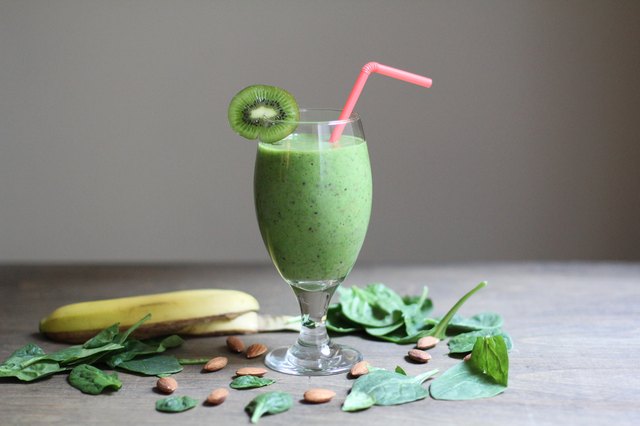
Simple Green Smoothie
- 1 packed cup baby spinach
- 1 frozen banana
- 1/2 cup frozen mango
- 1/2 cup plain yogurt
- 1/2 cup milk or water
- 1 teaspoon lemon juice
Berry Oat Breakfast Smoothie
- 1 cup frozen mixed berries
- 1 banana
- 1/4 cup rolled oats
- 1/2 cup yogurt
- 3/4 cup milk
- Pinch of cinnamon
Oats, yogurt, and nut butter can make a smoothie more substantial. The American Heart Association’s banana bread smoothie, for instance, combines fruit with yogurt, milk, oats, and optional additional oats for more fiber.
Common Problems and Quick Fixes
The Smoothie Is Too Chunky
Stop the machine, scrape the bowl, and add one or two tablespoons of liquid. Process for another 30 seconds. Next time, cut the frozen ingredients into smaller pieces and add them gradually.
The Smoothie Is Too Thin
Add frozen banana, frozen berries, yogurt, avocado, oats, or chia seeds. Process again and allow chia seeds or oats a minute or two to absorb some of the liquid.
The Blade Spins Without Mixing
The bowl may be too full, the mixture may be too dry, or ingredients may be lodged above the blade. Stop and unplug the processor, redistribute the ingredients, and add a small splash of liquid.
The Smoothie Is Foamy
Foam often appears after prolonged high-speed processing, especially when using milk or protein powder. Let the drink rest for a minute and stir it gently before serving.
The Smoothie Tastes Bitter
Too many mature greens, excessive citrus peel, or certain protein powders can introduce bitterness. Balance it with banana, mango, cinnamon, vanilla, yogurt, or a small amount of sweetener.
The Processor Leaks
Turn it off immediately. The bowl may contain too much liquid, the lid may not be seated correctly, or the model may not be intended for liquid-heavy recipes. Consult the manual before trying again.
How to Build a More Balanced Smoothie
A smoothie can be a snack, beverage, or complete breakfast depending on what goes into it. Fruit alone provides flavor and carbohydrates, but adding protein, fat, or fiber generally makes the drink more satisfying.
Useful additions include plain Greek yogurt, unsweetened soy milk, nut butter, oats, chia seeds, ground flaxseed, silken tofu, or avocado. Keep sweetened yogurt, syrups, sweetened juice, and oversized portions in check. Mayo Clinic nutrition guidance notes that smoothies can accumulate unexpected calories, particularly when they are consumed as a drink alongside a full meal rather than serving as the meal or snack itself.
Whole fruit is usually a more useful foundation than a large quantity of juice because it contributes texture and fiber. For sweetness, begin with naturally sweet ingredients such as ripe banana, mango, pineapple, dates, or berries before adding sugar or syrup.
Food-Safety Tips
- Wash fresh produce under running water before cutting it.
- Use pasteurized milk, yogurt, kefir, and juice.
- Keep frozen fruit frozen until you are ready to use it.
- Refrigerate cut fruit promptly in a covered container.
- Wash the food processor bowl, lid, blade, and gasket after use.
- Check current recall notices when a frozen-fruit product is affected.
Freezing preserves food but does not reliably destroy all bacteria or viruses. The FDA has investigated foodborne illness concerns involving fresh and frozen berries, while USDA guidance explains that freezing generally stops microbial growth rather than eliminating every microorganism.
People who are pregnant, older, very young, or immunocompromised should take particular care with unpasteurized ingredients and recalled produce. FoodSafety.gov identifies these groups as being at greater risk of serious foodborne illness.
How to Clean the Food Processor After Making a Smoothie
- Unplug the appliance.
- Remove the lid and carefully lift out the blade by its center hub.
- Rinse the bowl and blade before residue dries.
- Wash removable parts according to the manufacturer’s directions.
- Wipe the motor base with a damp cloth, never by submerging it.
- Dry all parts before reassembling or storing the machine.
For an easier cleanup, add warm water and one small drop of dish soap to the empty work bowl, secure the lid, and pulse briefly if your manufacturer permits this cleaning method. Empty the suds and wash normally. Avoid using too much soap unless you would like your kitchen to host a foam party at 7:15 in the morning.
Practical Experience: What Usually Happens When You Make Smoothies in a Food Processor
The first attempt often teaches the most important lesson: ingredient order matters. When frozen berries, banana, yogurt, milk, oats, and ice are all added simultaneously, the liquid may settle below the solids while frozen pieces bounce around the upper half of the bowl. The blade spins enthusiastically, the ingredients remain unimpressed, and the cook begins wondering whether chewing the smoothie would be faster.
Processing the soft ingredients first changes the entire experience. Banana and yogurt quickly form a thick base around the blade. Once that base is moving, frozen fruit can be added in stages and broken down more evenly. A small amount of liquid then loosens the purée without flooding the bowl. This staged approach takes an extra minute, but it prevents most of the scraping, splashing, and frustrated button pressing associated with unsuccessful batches.
Another common discovery is that frozen bananas are unusually valuable. They add sweetness, thickness, and creaminess while helping disguise ingredients such as spinach, oats, or plain yogurt. The best preparation habit is to peel ripe bananas, slice them into coins, freeze the pieces on a tray, and transfer them to a freezer container. Freezing a whole unpeeled banana creates a hard, brown boomerang that is neither convenient nor emotionally supportive.
Food processor smoothies also tend to improve when expectations are realistic. A basic processor may leave a few berry seeds or tiny flecks of spinach, especially if the bowl is large and the batch is small. Processing longer, scraping the bowl, and using tender greens can help, but the texture may still be slightly more rustic than a drink from a high-powered blender. For many recipes, particularly banana smoothies, yogurt smoothies, and thick smoothie bowls, the difference is minor.
Pouring is another surprisingly educational moment. A blender jar usually has a spout, while a food processor often has a wide rim, a central shaft, and a blade waiting to slide toward the serving glass. Removing the blade first and pouring slowly prevents a dramatic countertop event. A flexible spatula is helpful for guiding the smoothie and recovering the thick portion that clings to the bowl.
Batch size can determine whether the process feels effortless or annoying. Too little food may spread beneath the reach of a large blade, while too much prevents ingredients from circulating. One or two servings are usually manageable in a standard processor. For a family-size breakfast, two smaller batches often turn out smoother than one overloaded batch.
Cleaning immediately is worth the effort. Fresh smoothie residue rinses away in seconds, but dried banana, chia seeds, and nut butter form a surprisingly committed relationship with plastic. A quick rinse after pouring makes the later wash much easier.
Most importantly, using a food processor encourages flexible cooking. Once the basic technique becomes familiar, exact recipes become less necessary. A soft fruit, a frozen fruit, something creamy, and enough liquid to keep everything moving can become breakfast. Leftover berries, half a banana, a spoonful of yogurt, and a small handful of oats are no longer miscellaneous refrigerator citizens; they are tomorrow’s smoothie.
Final Thoughts
You do not need a dedicated blender to make a good smoothie. A food processor can produce a creamy drink when you use the chopping blade, work in stages, keep frozen pieces reasonably small, and add liquid gradually. The method is especially effective for banana smoothies, yogurt-based recipes, fruit-and-oat breakfasts, and thick smoothie bowls.
The golden rule is simple: process first and pour later. Begin with soft ingredients, break down frozen fruit gradually, then add only enough liquid to achieve the texture you want. Scrape the bowl once, taste before sweetening, and remove the blade before serving. Your food processor may not have applied for the smoothie job, but with proper management, it performs surprisingly well.