High blood pressure has a frustrating talent: it can quietly damage your arteries, heart, brain, kidneys, and eyes while making almost no noise. You may feel perfectly normal while your cardiovascular system is working overtimerather like an employee answering emails at midnight but insisting everything is “fine.”
The good news is that blood pressure is highly responsive to the right changes. Eating less sodium, following a heart-healthy diet, exercising consistently, improving sleep, managing weight, limiting alcohol, and taking prescribed medication can all help. The best results usually come from combining several manageable habits rather than attempting one heroic health makeover on Monday and abandoning it by Thursday.
This guide explains how to lower blood pressure safely, how to measure it correctly, which lifestyle strategies matter most, and when high readings require medical attention.
First, Understand Your Blood Pressure Numbers
A blood pressure reading contains two numbers measured in millimeters of mercury, or mm Hg. The top number is systolic pressure, which reflects the force in your arteries when your heart contracts. The bottom number is diastolic pressure, which represents the pressure between heartbeats.
- Normal: Less than 120/80 mm Hg
- Elevated: Systolic pressure of 120–129 and diastolic pressure below 80
- Stage 1 hypertension: Systolic pressure of 130–139 or diastolic pressure of 80–89
- Stage 2 hypertension: Systolic pressure of at least 140 or diastolic pressure of at least 90
The 2025 American College of Cardiology and American Heart Association guideline generally recommends a treatment goal below 130/80 mm Hg for adults diagnosed with hypertension. However, the safest target and treatment plan depend on age, cardiovascular risk, pregnancy, kidney function, other medical conditions, and whether lower readings cause dizziness or other side effects.
Know When a High Reading Is an Emergency
A reading above 180 systolic and/or 120 diastolic is dangerously high. Wait at least one minute and measure again. If the second reading remains that high, contact a health professional immediately. Call 911 when severe hypertension occurs with chest pain, shortness of breath, weakness, numbness, difficulty speaking, vision changes, confusion, or severe back pain. Do not try to fix a possible hypertensive emergency with extra medication, herbal remedies, or an enthusiastic session on the treadmill.
Measure Blood Pressure Correctly Before Trying to Lower It
One unusual reading does not always mean your usual blood pressure is dangerously high. Anxiety, caffeine, exercise, pain, a full bladder, an incorrect cuff size, or poor positioning can temporarily increase the result.
For a more accurate home measurement:
- Avoid exercise, smoking, caffeine, and alcohol for at least 30 minutes beforehand.
- Empty your bladder.
- Sit quietly for at least five minutes.
- Keep your back supported, feet flat, and legs uncrossed.
- Place the cuff on bare skin, not over a sleeve.
- Support your arm so the cuff is at heart level.
- Remain silent and still during the measurement.
- Take two readings at least one minute apart and record both.
Use a validated automatic upper-arm monitor with the correct cuff size. Wrist and finger devices can be less reliable when they are positioned incorrectly. Home monitoring can show whether treatment is working, but it does not replace medical appointments or give you permission to stop medication on your own.
How to Lower Blood Pressure Naturally
1. Follow the DASH Eating Plan
DASH stands for Dietary Approaches to Stop Hypertension. It is not a fad diet involving mysterious powders, rigid detoxes, or a solemn farewell ceremony for carbohydrates. It is a flexible eating pattern centered on vegetables, fruits, whole grains, beans, nuts, fish, poultry, and low-fat dairy products.
DASH foods naturally provide potassium, calcium, magnesium, fiber, and protein while limiting saturated fat, highly processed foods, and excess sodium. Studies supported by the National Heart, Lung, and Blood Institute have found that DASH can lower blood pressure within weeks, with additional improvement when sodium intake is reduced.
A practical DASH-style day might include oatmeal with berries for breakfast, a bean-and-vegetable bowl for lunch, unsalted nuts as a snack, and grilled salmon with brown rice and roasted vegetables for dinner. You do not need to eat perfectly. Repeatedly choosing minimally processed foods matters more than achieving nutritional sainthood.
2. Reduce Sodium Without Making Food Miserable
Sodium makes the body retain fluid, which can increase the pressure inside blood vessels. The federal Daily Value is less than 2,300 milligrams per day. The DASH eating plan notes that reducing intake toward 1,500 milligrams may lower blood pressure further, although a clinician can help determine an appropriate target for your health needs.
Most dietary sodium does not come from dramatic shaking of the salt shaker. More than 70% comes from packaged and prepared foods. Bread, deli meat, pizza, soups, sauces, frozen meals, restaurant dishes, cheese, and snack foods can contain surprising amounts.
Use the Nutrition Facts label to compare similar products. As a general guide, 5% of the Daily Value or less per serving is considered low, while 20% or more is high. Remember to check serving sizes; a package labeled “two servings” has a habit of becoming one serving during a good movie.
Flavor meals with garlic, onion, lemon, vinegar, pepper, smoked paprika, cumin, rosemary, basil, or other herbs and spices. Rinse canned vegetables and beans, choose no-salt-added products, and request sauces or dressings on the side when dining out.
3. Eat More Potassium-Rich Foods When Appropriate
Potassium helps balance sodium and supports normal blood vessel function. Useful sources include beans, lentils, potatoes, leafy greens, bananas, oranges, tomatoes, yogurt, avocados, and fish.
However, more potassium is not safe for everyone. Kidney disease and certain medications can cause potassium to accumulate in the blood. Some salt substitutes contain potassium chloride and may be inappropriate for people with kidney problems or those taking particular heart and blood pressure medicines. Ask a clinician before using potassium supplements or potassium-based salt replacements.
4. Exercise Consistently
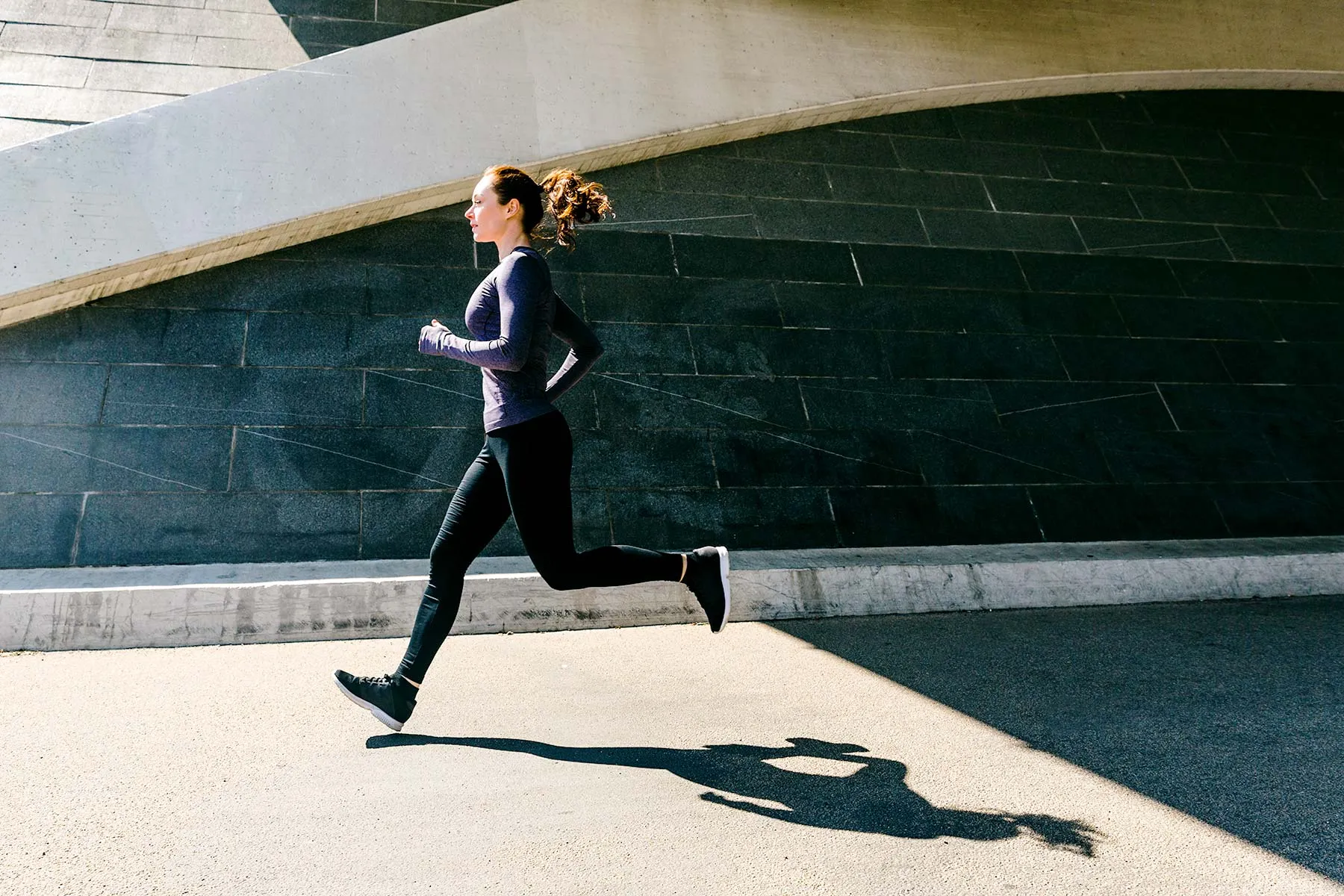
Regular physical activity strengthens the heart, improves blood vessel function, assists with weight management, and helps reduce stress. The American Heart Association recommends at least 150 minutes of moderate-intensity aerobic activity each week. That can be divided into 30-minute sessions on five days or shorter sessions throughout the week.
Brisk walking, cycling, swimming, dancing, gardening, and climbing stairs all count. Add muscle-strengthening activities on at least two days when medically appropriate. Begin gradually if you have been inactive. Ten minutes of walking after meals is a respectable starting point; your arteries do not award bonus points for suffering.
People with very high uncontrolled blood pressure, chest discomfort, severe shortness of breath, or significant heart disease should obtain medical guidance before beginning vigorous exercise.
5. Reach a Sustainable Weight
Excess body weight can increase the workload on the heart and contribute to sleep apnea, insulin resistance, and other conditions associated with hypertension. Even modest weight loss can improve blood pressure in people who are overweight.
Focus on habits you can continue: smaller portions, more vegetables, fewer sugary drinks, regular activity, and meals built around protein and fiber. Extreme diets may produce impressive short-term photos, but ordinary habits usually produce better long-term health.
6. Limit or Avoid Alcohol
Alcohol can raise blood pressure, add calories, disrupt sleep, and interfere with some medications. Ideally, avoid alcohol. Adults who choose to drink should generally limit intake to no more than two drinks per day for men and one per day for women, unless a clinician recommends stricter limits. A “drink” is a standard servingnot a wineglass large enough to house a goldfish.
7. Stop Smoking and Avoid Nicotine
Nicotine temporarily raises blood pressure and heart rate, while tobacco damages blood vessels and greatly increases cardiovascular risk. Quitting does not merely improve one number on a monitor; it reduces the likelihood of heart attack, stroke, lung disease, and premature death.
Evidence-based support may include counseling, quitlines, nicotine-replacement products, or prescription medications. Because nicotine itself can affect blood pressure, discuss the safest quitting plan with a health professional.
8. Improve Sleep and Address Sleep Apnea
Poor or irregular sleep can interfere with the body’s normal overnight blood pressure decline. Loud snoring, choking or gasping during sleep, morning headaches, daytime sleepiness, and resistant hypertension may point to obstructive sleep apnea.
Keep a consistent sleep schedule, make the bedroom dark and quiet, reduce late-night alcohol, and limit bright screens before bed. Ask about a sleep evaluation when apnea symptoms are present. Treating an underlying sleep disorder may make blood pressure easier to control.
9. Manage Stress Practically
Stress can cause temporary blood pressure spikes and encourage habits that worsen hypertension, including overeating, drinking, smoking, and losing sleep. Stress reduction does not require pretending life is a scented candle commercial.
Try slow breathing, meditation, stretching, prayer, yoga, time outdoors, counseling, or regular contact with supportive people. More importantly, reduce recurring stressors where possible. Set boundaries, schedule breaks, organize medication and appointments, and ask for help before exhaustion becomes your main personality trait.
10. Review Medications and Supplements
Several prescription drugs, over-the-counter products, and recreational substances can raise blood pressure. Examples include decongestants, nonsteroidal anti-inflammatory drugs such as ibuprofen and naproxen, systemic corticosteroids, stimulant drugs, some antidepressants, hormonal birth control, and certain herbal supplements.
Do not stop a prescribed medicine abruptly. Bring a complete list of medications, vitamins, energy products, and supplements to your doctor or pharmacist. Ask specifically whether any item could affect blood pressure or interact with your treatment.
When Blood Pressure Medication Is Necessary
Lifestyle changes are powerful, but they do not replace medication when medication is needed. Genetics, age-related artery changes, kidney disease, diabetes, hormonal disorders, sleep apnea, and other factors may keep blood pressure elevated despite excellent habits.
Common medication categories include diuretics, angiotensin-converting enzyme inhibitors, angiotensin receptor blockers, calcium channel blockers, and beta blockers. Some people require more than one medication because the drugs work through different biological pathways.
Take medication at the prescribed dose and time. Do not skip doses because you feel well; hypertension often causes no symptoms. Do not double a dose after forgetting one unless your prescriber or pharmacist instructs you to do so. Report dizziness, fainting, swelling, cough, sexual side effects, or other problems rather than quietly abandoning treatment.
Your clinician may also investigate secondary hypertension when blood pressure rises suddenly, begins at an unusual age, or remains high while you are taking several medications. Potential contributors include kidney disease, narrowed kidney arteries, thyroid or adrenal disorders, and obstructive sleep apnea.
A Simple Seven-Day Blood Pressure Action Plan
Day 1: Establish a Baseline
Measure your blood pressure correctly in the morning and evening. Record both readings, the time, medications taken, sleep quality, and unusual stress.
Day 2: Audit Sodium
Read labels on bread, sauces, soups, deli meats, snacks, and frozen foods. Replace one high-sodium item with a lower-sodium alternative.
Day 3: Add Movement
Take a 10- to 20-minute brisk walk. Choose a pace that raises your breathing rate while still allowing conversation.
Day 4: Build a DASH Meal
Prepare one meal containing vegetables, a whole grain, and a lean protein such as beans, fish, or chicken.
Day 5: Check Your Medicine Cabinet
List all prescriptions, pain relievers, cold remedies, vitamins, and supplements. Flag decongestants, NSAIDs, stimulants, and unfamiliar herbal products for pharmacist review.
Day 6: Protect Sleep
Set a consistent bedtime, avoid a heavy late meal, and put screens away before sleep. Note any snoring, gasping, or daytime sleepiness.
Day 7: Review the Pattern
Look at the week’s readings rather than obsessing over the highest number. Share persistent elevations with your health care team and ask what target is appropriate for you.
Practical Experiences: What Lowering Blood Pressure Is Really Like
Real-world blood pressure improvement rarely looks like a dramatic before-and-after commercial. It is usually a collection of small decisions that become less annoying with repetition. One of the most useful lessons is to change the environment before relying on willpower. When lower-sodium foods are already in the kitchen, walking shoes are near the door, and medication is organized in a pillbox, healthy behavior requires fewer negotiations with yourself.
Many people begin by removing table salt but see little change because packaged foods remain the main sodium source. The turning point often comes when they start comparing labels. Two brands of bread, soup, cottage cheese, or pasta sauce can taste similar while containing very different amounts of sodium. Label reading feels tedious during the first shopping trip. After several trips, it becomes automatic, like checking a price or expiration date.
Restaurant meals are another common obstacle. A practical approach is not to stop eating out forever. Instead, choose grilled dishes, request sauces on the side, avoid adding extra salt, and eat only part of a very large serving. Drinking water and adding vegetables can also make the meal more satisfying. Perfection is unnecessary; reducing the frequency and size of high-sodium meals can still be meaningful.
Exercise experiences follow a similar pattern. People frequently start with an ambitious routine, become sore, and then disappear from the gym as if placed into witness protection. A more successful approach is to start with walking. A short walk after breakfast or dinner is easier to repeat than an elaborate workout requiring special clothing, equipment, and the emotional courage to enter a crowded fitness center.
Home monitoring can be both helpful and stressful. Some people check repeatedly after seeing one high number, becoming more anxious with every measurement. A calmer routine works better: sit quietly, take two readings, record them, and stop. Blood pressure naturally varies throughout the day. Trends over several days are usually more informative than a reading taken immediately after an argument, a large coffee, or a sprint up the stairs.
Medication adherence is another area where simple systems beat good intentions. A weekly pill organizer, phone reminder, or pairing medicine with an existing routinesuch as brushing your teethcan reduce missed doses. People who experience side effects sometimes stop treatment without telling anyone. A better experience usually comes from contacting the prescriber. Changing the dose, timing, or medication class may solve the problem without leaving hypertension untreated.
Family support can make healthy changes easier, but it helps to avoid turning the kitchen into a courtroom. Rather than announcing that everyone is now “on a blood pressure diet,” serve flavorful meals made with herbs, citrus, garlic, roasted vegetables, and unsalted seasonings. People are more likely to support a change when dinner still tastes like dinner.
Finally, progress may be uneven. Blood pressure can rise temporarily during illness, poor sleep, pain, emotional stress, or medication changes. A higher day does not erase weeks of effort. Continue the routine, record the readings, and discuss persistent changes with a clinician. The goal is not to win every individual measurement. It is to create a lower and safer pattern over time.
Conclusion
The most effective way to lower blood pressure is to combine accurate monitoring with sustainable action. Follow a DASH-style diet, reduce sodium from packaged and restaurant foods, move regularly, improve sleep, maintain a healthy weight, limit alcohol, avoid tobacco, and manage stress. Review medications and supplements that may raise blood pressure, and take prescribed treatment consistently.
Do not judge progress by one isolated reading. Track your numbers under consistent conditions and work with your health care team to establish a safe target. Lifestyle changes can be remarkably effective, but high blood pressure may still require medicationand needing medication is not a personal failure. It is treatment for a condition that deserves to be taken seriously.