Cabbage is the kind of vegetable that looks like it should be complicatedlayered, heavy, and suspiciously perfect at the grocery store. But in a home garden, cabbage is actually pretty cooperative… as long as you remember one important truth: cabbage has a fan club. Unfortunately, that fan club is mostly insects.
The good news? With the right timing, decent soil, and a few smart tricks (hello, row covers), you can grow crisp, sweet, homegrown heads that make store cabbage taste like it took a nap in the produce aisle. This guide walks you through everythingvarieties, planting schedules, feeding, pest control, harvesting, and the real-life “oops” moments that teach you the fastest.
Meet Your Cabbage: Pick the Right Type for Your Garden
Before you plant anything, decide what kind of cabbage life you want:
Common cabbage types
- Green cabbage: Classic, reliable, great for slaw, soups, and stir-fries. Usually the easiest for beginners.
- Red (purple) cabbage: Slightly tougher leaves, gorgeous color, and excellent for salads and pickling.
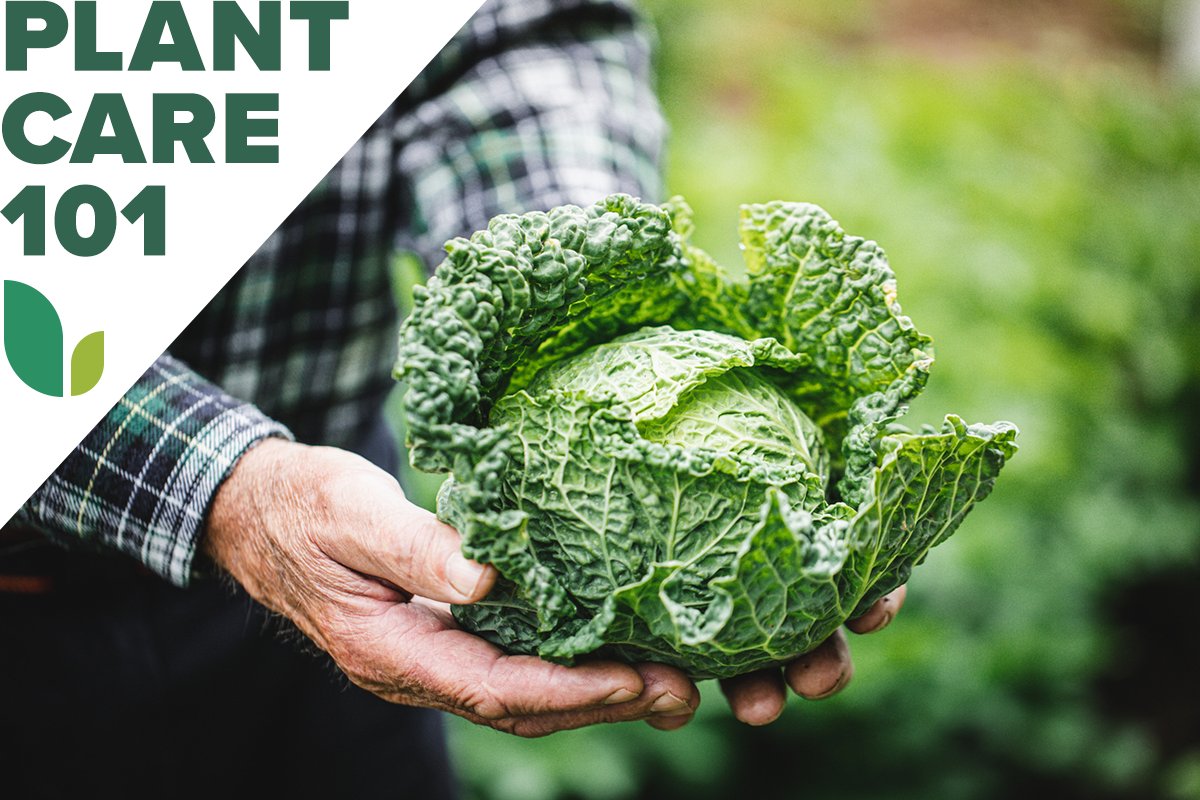
- Savoy cabbage: Crinkly leaves, tender texture, and a little more “fancy restaurant” energy.
- Napa (Chinese cabbage): More elongated and looser; technically a different type, but often grown similarly. Great for kimchi and quick cooking.
What to look for on seed packets
- Days to maturity: Helps you plan around heat and frost.
- Heat tolerance / bolt resistance: Helpful if your spring turns into summer overnight.
- Disease resistance: Especially useful if your area struggles with common brassica diseases.
- Head size: Big heads are satisfyingbut they also need more space and more time.
Timing Is Everything: Cabbage Loves Cool Weather
Cabbage is a cool-season crop. That means it’s happiest when days are mild and nights are coolnot when your garden soil feels like a warmed tortilla.
Best planting windows in most U.S. regions
- Spring crop: Start seeds indoors, then transplant outside a few weeks before your last expected frost. The goal is to grow big before real heat arrives.
- Fall crop: Plant in mid-to-late summer so heads form as temperatures cool down. Fall cabbage often tastes sweeter because cool weather improves flavor.
A practical “count backward” method
Use your local frost dates (many gardeners rely on USDA zone guidance plus local weather patterns):
- For spring: Start seeds indoors 6–8 weeks before your last frost date. Transplant 2–3 weeks before last frost.
- For fall: Count backward from your first fall frost. Most cabbages need roughly 70–100 days (variety-dependent), plus a buffer for slower late-season growth. Plant earlier than you thinksummer heat is the enemy, but you can protect young plants while they establish.
Example schedules (just to make it real)
- Cooler regions (like Zone 5): Spring transplants often go out in April; fall planting might happen in late June to July.
- Moderate regions (like Zone 7): Spring transplants may go out in March; fall planting often lands in July to early August.
- Warm regions (like Zone 9): Fall and winter cabbage can be the easiest. Plant as temperatures drop, and harvest through cooler months.
Seed or Transplants: Two Good Ways to Start
Starting cabbage from seed indoors
Starting seeds indoors gives you a head start, which matters because cabbage wants to mature before heat stress. Use seed-starting mix, keep it lightly moist (not swampy), and provide strong light.
- When to start: 6–8 weeks before transplanting.
- Seed depth: About 1/4 inch.
- Temperature tip: Seeds germinate in a fairly wide temperature range, but steady moderate warmth and moisture speed things up.
Hardening off (aka: don’t throw your seedlings into the outdoors like it’s a surprise boot camp)
About 7–10 days before transplanting, gradually expose seedlings to outdoor conditions: a little sun, a little breeze, a little more time each day. This reduces transplant shock, which can slow growth and increase bolting risk.
Buying transplants
Transplants are convenient and often perfect for beginners. Choose stocky plants with healthy green leaves. Avoid leggy, stressed plants (they’re like toddlers who skipped a napunpredictable).
Choose the Right Spot and Prep the Soil
Cabbage is a heavy feeder that rewards good soil. If your cabbage could write a dating profile, it would say: “Seeking fertile, moisture-retentive soil with good drainage. Must love compost. pH matters.”
Sunlight
Full sun is best: aim for at least 6 hours of direct sunlight daily. In very warm climates, a bit of afternoon shade can reduce heat stress.
Soil texture and drainage
Cabbage wants soil that holds moisture but doesn’t stay soggy. If water sits in your garden beds after rain, improve drainage with compost and consider raised beds.
Soil pH (important and not just for science fair vibes)
A slightly acidic to neutral pH is generally ideal for cabbageoften in the neighborhood of pH 6–7. If your garden has a history of clubroot (a persistent brassica disease), managing pH and drainage becomes even more critical, and some guidance recommends higher pH targets in affected soils. A soil test is the most reliable way to know what you’re working with.
Soil prep checklist
- Add 2–3 inches of compost and mix it into the top 8–10 inches of soil.
- If you use manure, make sure it’s well-aged/composted (fresh manure can cause problems and is too “hot”).
- Use a soil test to guide fertilizer and lime needsespecially for pH and phosphorus/potassium balance.
Planting and Spacing: Give Those Heads Room to Bulk Up
Cabbage forms heads because it has enough light, nutrients, and space to build layers. Crowded cabbage often stays small, struggles with airflow, and becomes a pest buffet.
Spacing guidelines (adjust for variety size)
- Small to medium heads: 12–18 inches between plants
- Large heads: 18–24 inches between plants
- Row spacing: roughly 24–36 inches between rows (more space = easier weeding and better airflow)
Planting depth
Set transplants so the soil line sits at the same level as it was in the pot (or slightly deeper if stems are long and sturdy). Firm the soil gently around the base so the plant doesn’t wobblewobble slows root establishment.
Succession planting (a simple way to avoid “all the cabbage at once”)
If you plant all your cabbage on the same day, you’ll harvest all your cabbage at the same time… which is how people accidentally become sauerkraut entrepreneurs. Plant a few seedlings every 1–2 weeks for a longer harvest window.
Watering: The Secret to Sweet, Tender Cabbage
Uneven watering is a common cabbage problem starter. It can lead to slow growth, tough leaves, and head splitting near harvest. Cabbage likes consistent moisturethink “steady hydration,” not “drought followed by monsoon.”
How much water?
A common home-garden target is about 1–1.5 inches of water per week, including rainfall. In sandy soil or hot spells, you may need more frequent watering.
Best methods
- Soaker hoses or drip irrigation: Keeps leaves drier, which can reduce disease risk.
- Mulch: Straw, shredded leaves, or untreated grass clippings help retain moisture and moderate soil temperature.
Fertilizing: Feed Your Cabbage (But Don’t Bribe It to Split)
Cabbage is a leafy crop, and leafy crops love nitrogen. But there’s a trick: too much nitrogen late in the game can encourage rapid growth that makes heads more likely to split.
A simple, effective feeding plan
- At planting: Mix compost into the bed. Some gardeners use a starter fertilizer solution at transplanting to support root establishment.
- 2–3 weeks after transplanting: Side-dress with a nitrogen source (apply along the row, a few inches away from the stem, then water in).
- Optional second side-dress: Another light feeding a few weeks later if plants look pale or growth is slow.
- When heads start forming: Ease off heavy feeding to reduce splitting risk and focus on consistent watering.
What “side-dress” means in human language
It’s just applying fertilizer in a narrow band near the plantclose enough for roots to reach, far enough to avoid burning stems. Water afterward so nutrients move into the root zone.
Pest Control: Protect Your Cabbage From Its Biggest Fans
If you’ve ever wondered why butterflies seem extra magical in the cabbage patch, it’s because some of them are laying eggs that turn into tiny leaf-eating machines. Cute… in a nature documentary. Less cute on your dinner plans.
Best first defense: floating row covers
Row covers can physically block moths, butterflies, and flea beetles from reaching your plants. The key is timing: put covers on early, before pests arrive, and seal edges so insects can’t sneak in like they pay rent.
Common cabbage pests and what to do
Cabbage worms and loopers
- Signs: Ragged holes, green droppings, and small green caterpillars hiding along leaf veins.
- Controls: Hand-pick for small gardens. For heavier pressure, consider products with Bacillus thuringiensis (Bt) labeled for caterpillars, used according to directions. Row covers prevent most issues from the start.
Aphids
- Signs: Clusters of tiny insects, sticky residue, curled leaves.
- Controls: Blast with water, encourage beneficial insects, or use insecticidal soap as needed (follow label instructions).
Flea beetles
- Signs: Tiny “shot holes” in young leaves, especially early season.
- Controls: Row covers, healthy fast growth, and sometimes trap crops can help reduce damage.
Root maggots (in some regions)
- Signs: Wilting despite watering, weak plants, damaged roots.
- Controls: Crop rotation, clean cultivation, and physical barriers/collars around stems can reduce egg-laying near plants.
Critters count too
Rabbits and deer can treat cabbage like a salad bar. Fencing and garden netting are often the most reliable solutions, especially if wildlife pressure is high in your area.
Disease Prevention: An Ounce of Prevention Beats a Season of Regret
Cabbage diseases are easier to prevent than cure. The core strategies are airflow, clean planting material, crop rotation, and good soil management.
Rotation rules
Avoid planting cabbage (or other brassicas like broccoli, cauliflower, kale, Brussels sprouts, and collards) in the same spot year after year. A 3–4 year rotation is often recommended to reduce disease buildup and pest cycles.
Clubroot (the big one to take seriously)
Clubroot can persist in soil for years. If you’ve had clubroot before, focus on:
- Improving drainage (clubroot loves wet soil)
- Managing soil pH (raising pH is often part of clubroot management in affected beds)
- Using clean transplants and removing infected plants
- Rotating away from brassicas for multiple years
Other common issues
- Black rot: Often worsened by warm, wet conditions and overhead watering. Use clean seed/transplants and avoid splashing water onto leaves.
- Downy mildew / leaf spots: Improve airflow with proper spacing, water at soil level, and remove heavily infected leaves.
Troubleshooting: Why Your Cabbage Is Acting Like That
Problem: Big leaves, no head
- Possible causes: Too much heat during head formation, too much nitrogen late, or spacing that’s too tight.
- Fix: Plant earlier for spring or shift to a fall crop, maintain even moisture, and choose varieties matched to your season length.
Problem: Head splitting
- Possible causes: Irregular watering (dry spell then heavy rain), overfeeding late, or waiting too long to harvest.
- Fix: Keep watering consistent and harvest promptly when heads feel firm.
Problem: Bolting (flowering too early)
- Possible causes: Stress from cold snaps on young plants, heat spikes, or transplant shock.
- Fix: Harden off properly, use row covers during weird spring weather, and aim for steady growth.
Harvesting Cabbage: When “Firm” Is the Magic Word
Harvest cabbage when the head feels dense and firm when squeezed (gentlythis isn’t a stress test). If you wait too long, splitting becomes more likely, especially after rain.
How to harvest
- Use a sharp knife to cut the head at the base.
- Leave a couple of outer “wrapper leaves” on the head for protection.
- If you leave the stump and a few leaves in the ground, some varieties can produce smaller secondary heads laterlike a bonus round.
Storage basics
For home use, cabbage often keeps well in the refrigerator for weeks when stored in a breathable bag. For longer storage, cabbage prefers very cold temperatures and high humidity (think “crisp, not dried out”). Handle heads gently to avoid bruising, and don’t wash until you’re ready to use it.
What to Do With All That Cabbage (Besides Panic)
Once you’re harvesting, cabbage becomes a kitchen MVP:
- Fresh slaw with apples, carrots, and a tangy dressing
- Stir-fries that cook in minutes
- Roasted cabbage wedges (yes, roastedtrust the process)
- Fermented sauerkraut or kimchi if you want to feel like a wizard with a jar
of Real-Life Cabbage-Growing Experience
Growing cabbage teaches patience in a very specific way: it looks like nothing is happening… until suddenly it looks like everything is happening. For weeks, your plants may just seem like a generous pile of leaves. You water, you weed, you wonder if you accidentally planted “ornamental lettuce.” Then one day, you part the leaves and find the beginning of a headtight, pale, and oddly satisfying, like discovering your phone was charging the whole time.
One of the most common beginner surprises is how much cabbage appreciates consistency. If you water randomlybecause life happens, and so does binge-watchingcabbage may respond by growing unevenly. You can almost see it thinking, “Oh, we’re doing drought this week? Cool. I’ll stop expanding.” Then you get a big rain or you overcorrect with a heroic soaking, and the plant tries to catch up all at once. That’s when splitting becomes a real possibility near harvest. The “fix” isn’t complicated, but it is annoyingly adult: a simple routine. A soaker hose, a timer, and mulch are like the three best friends your cabbage didn’t know it needed.
Another very real cabbage lesson: insects do not care about your feelings. The first time you see little holes in otherwise perfect leaves, it’s easy to think, “It’s finenature is sharing.” Then you look closer and realize nature brought friends and they’re hosting a party. This is where row covers feel like a superpower. Putting them on early can turn the whole season from “constant leaf inspection” to “casually checking once in a while like a relaxed garden person.” And if you do miss the early window, hand-picking caterpillars can be oddly effective in small gardenslike a weird scavenger hunt you didn’t ask for, but now you’re competitive about it.
Feeding is another place where experience changes your approach. Early on, cabbage loves nitrogen because it’s building a big leafy engine. But later, once the head starts forming, too much feeding can backfire. Many gardeners learn this the hard way: the plant grows fast, looks impressive, and thencrackyour gorgeous head splits after a rain. The best balance usually comes from a couple of timely side-dressings early, then focusing on steady moisture as the head tightens. It’s less about “more fertilizer” and more about “right fertilizer at the right time.”
And finally, harvesting cabbage is one of those garden moments that feels bigger than it should. You cut the head, lift it, and it’s heavylike you grew an edible bowling ball. Homegrown cabbage often tastes sweeter and cleaner, especially when it matures in cooler weather. If you grow a fall crop, you may notice the flavor is more tender and less sharp, which makes even simple recipes feel upgraded. The biggest takeaway from real-life cabbage growing is that success usually isn’t one magical trickit’s a bunch of small, smart decisions stacked together: good timing, healthy soil, consistent watering, and early pest prevention. Do those, and cabbage goes from “intimidating” to “one of the most rewarding vegetables in the garden.”