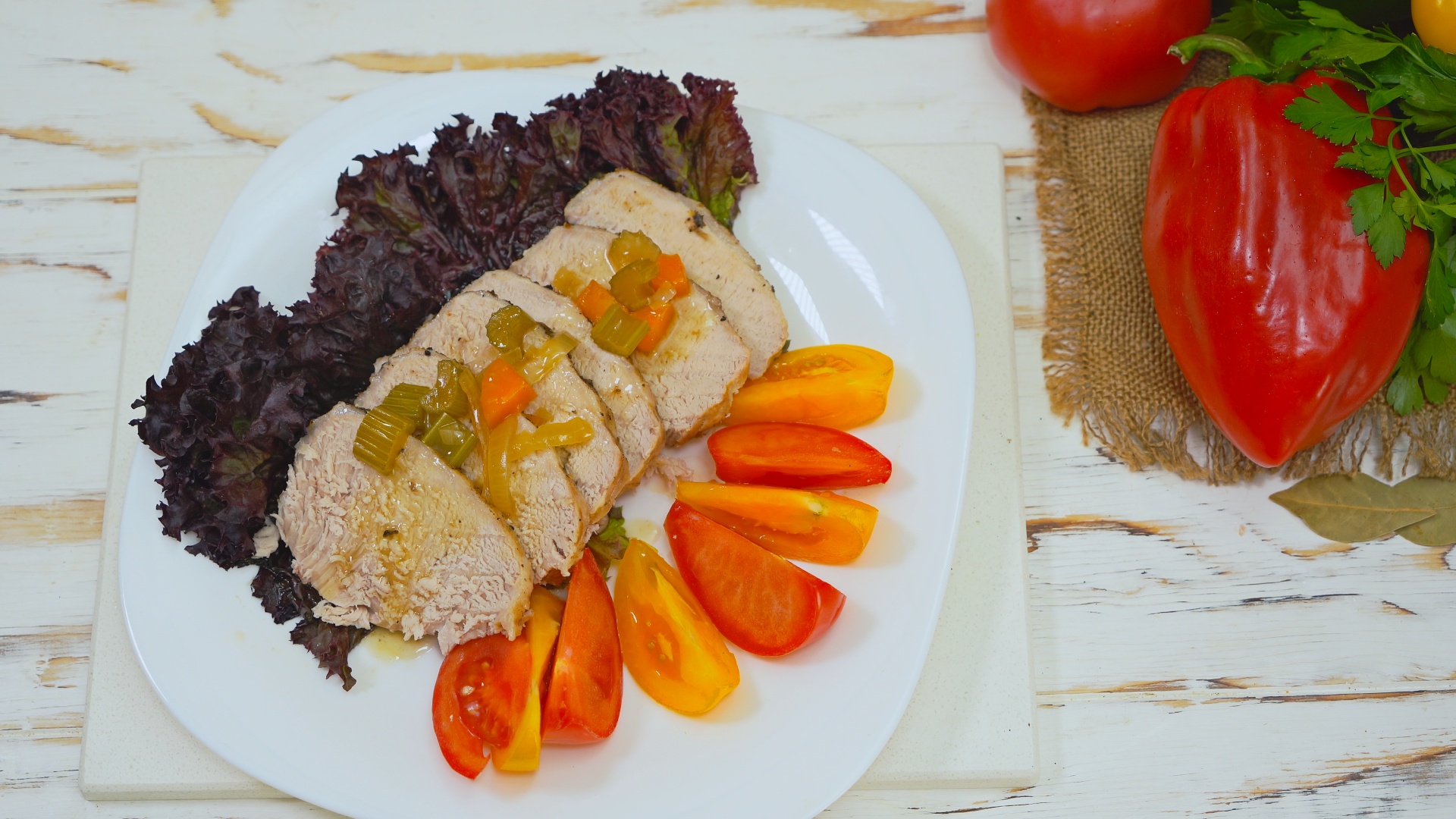
Eye of round roast is the beef cut that looks like it should behave like tenderloin, then laughs softly when you treat it that way. It is lean, affordable, deeply beefy, and wonderfully usefulbut only if you cook it with a plan. Because this roast comes from the round, a well-used part of the animal, it has very little marbling and not much built-in forgiveness. Overcook it, and dinner can drift into “beef-flavored pencil eraser” territory. Cook it correctly, and you get tender slices for Sunday dinner, roast beef sandwiches, meal prep bowls, or a cozy slow-cooked meal with gravy.
This guide covers 3 ways to cook eye of round roast: oven roasting, slow cooking, and sous vide-style precision cooking. Each method has a different personality. The oven method gives you classic roast beef with a browned crust. The slow cooker method turns a lean cut into a comforting pot roast-style dinner. The water-bath method offers steady temperature control for juicy, evenly cooked beef. Along the way, you will learn how to season it, when to use a thermometer, how to slice it, and how not to accidentally turn dinner into a jaw workout.
What Is Eye of Round Roast?
Eye of round roast is a boneless, cylindrical cut from the rear leg of the cow. It is often labeled as round eye roast or used for deli-style roast beef. It has a clean, beefy flavor and a tidy shape that makes it easy to slice, but it is also very lean. That means it does not have the melting fat you might find in a rib roast or chuck roast.
Because of that leanness, the best cooking methods either keep the roast rosy and sliceable or cook it gently with moisture until it becomes tender enough for a pot roast-style meal. The biggest rule is simple: do not guess the doneness by time alone. Use an instant-read thermometer or probe thermometer. For food safety, U.S. guidance recommends cooking beef roasts to an internal temperature of 145°F followed by at least a 3-minute rest. Many home cooks remove roasts a few degrees early because the temperature rises during resting, but the safe final temperature matters.
Before You Cook: How to Prepare Eye of Round Roast
Choose the Right Size
A 2 1/2- to 4-pound eye of round roast is ideal for most home kitchens. Smaller roasts cook quickly and can overcook fast, while larger roasts give you a little more wiggle room. Look for a roast with a deep red color, a firm texture, and even shape. A thin end will cook faster than a thick center, so choose the most evenly shaped roast you can find.
Season Early When Possible
Salt is the quiet hero of roast beef. Seasoning the roast several hours ahead, or even overnight, helps the salt penetrate the meat and improve flavor throughout. A basic seasoning blend can be as simple as kosher salt, black pepper, garlic powder, onion powder, and a little dried rosemary or thyme. If you only have 20 minutes, season it anyway. Beef is forgiving about effort, but it does like attention.
Bring the Surface to Room TemperatureNot the Whole Roast
You may see advice telling you to leave beef out until it reaches room temperature. For a large roast, that can take longer than is practical or safe. Instead, let the roast sit out for about 30 to 45 minutes before cooking to take the chill off the surface. This helps browning, especially for oven roasting and searing.
Use a Thermometer
If there is one tool that makes eye of round roast easier, it is a thermometer. This is not the cut for “I can just tell.” It has no dramatic visual signal when it is done. A thermometer lets you protect the texture, hit your preferred doneness, and avoid serving roast beef that could double as a doorstop.
Method 1: Classic Oven-Roasted Eye of Round Roast
The oven method is the best choice when you want thin, tender slices of roast beef with a flavorful crust. It works beautifully for Sunday dinner, holiday-style meals, and sandwiches the next day. The key is to start with high heat for browning, then reduce the temperature so the center cooks gently.
Best For
Classic sliced roast beef, dinner with mashed potatoes, French dip sandwiches, meal prep, and cold roast beef slices.
Ingredients
- 1 eye of round roast, 2 1/2 to 4 pounds
- 2 teaspoons kosher salt
- 1 teaspoon black pepper
- 1 teaspoon garlic powder
- 1 teaspoon onion powder
- 1 tablespoon olive oil
- 1 teaspoon dried rosemary or thyme
- Optional: Dijon mustard, Worcestershire sauce, or smoked paprika
Step-by-Step Instructions
- Season the roast. Pat the beef dry with paper towels. Rub it with olive oil, salt, pepper, garlic powder, onion powder, and herbs. For extra flavor, brush it lightly with Dijon mustard before adding the dry seasoning.
- Rest before roasting. Let the seasoned roast sit at room temperature for 30 to 45 minutes while the oven preheats.
- Start hot. Preheat the oven to 450°F. Place the roast on a rack in a shallow roasting pan. Roast for 15 minutes to build a browned crust.
- Lower the heat. Reduce the oven temperature to 300°F to 325°F. Continue roasting until the center reaches your target temperature. For a USDA-safe final temperature, aim for 145°F after resting.
- Rest the roast. Remove the roast from the oven and tent it loosely with foil. Let it rest for 15 to 20 minutes. Resting allows juices to redistribute and makes slicing cleaner.
- Slice thinly. Use a sharp carving knife and slice against the grain. Thin slices are not optional with eye of round; they are the difference between “tender roast beef” and “why is my dinner arguing with me?”
Oven Roasting Tips
Use a shallow pan rather than a deep Dutch oven for dry roasting. A rack helps heat circulate and keeps the bottom from steaming. If you want pan juices for gravy, add a small amount of beef broth to the pan after the roast has browned, not at the beginning. Too much liquid early can soften the crust.
For extra browning, sear the roast in a hot skillet before it goes into the oven. This step is optional, but it adds flavor. If you sear first, you can shorten the initial high-heat oven stage. Just remember that browning is flavor, not doneness. The thermometer still gets the final vote.
Method 2: Slow Cooker Eye of Round Roast
The slow cooker method is perfect when you want a cozy, gravy-friendly meal. Since eye of round is lean, it will not become as silky as a chuck roast, but it can still turn into a flavorful, tender dinner when cooked with broth, aromatics, and enough time. This method is especially useful if you prefer pot roast-style beef with carrots, potatoes, onions, and a rich sauce.
Best For
Pot roast-style dinners, family meals, shredded or sliced beef with gravy, and low-effort comfort food.
Ingredients
- 1 eye of round roast, 3 to 4 pounds
- 1 1/2 teaspoons kosher salt
- 1 teaspoon black pepper
- 1 teaspoon paprika
- 1 teaspoon garlic powder
- 1 tablespoon olive oil
- 1 onion, sliced
- 3 carrots, cut into chunks
- 1 pound baby potatoes or quartered potatoes
- 2 cups beef broth
- 1 tablespoon Worcestershire sauce
- 1 tablespoon tomato paste
- 2 sprigs fresh thyme or 1 teaspoon dried thyme
- Optional: 1 tablespoon cornstarch mixed with 2 tablespoons cold water for thickening
Step-by-Step Instructions
- Season and sear. Pat the roast dry, then season it with salt, pepper, paprika, and garlic powder. Heat oil in a skillet over medium-high heat and sear the roast on all sides until browned.
- Build the base. Place onions, carrots, and potatoes in the slow cooker. Set the seared roast on top.
- Add liquid and flavor. Whisk beef broth, Worcestershire sauce, tomato paste, and thyme together. Pour the mixture around the roast, not directly over the browned top if you want to preserve some surface flavor.
- Cook gently. Cover and cook on low for 7 to 9 hours, or until the beef is tender. Avoid cooking frozen beef in the slow cooker; thaw it safely in the refrigerator first.
- Make gravy. Remove the roast and vegetables. Pour the cooking liquid into a saucepan. Simmer and thicken with the cornstarch slurry if desired.
- Slice or shred. Depending on how tender the roast becomes, slice it thinly or pull it into chunks. Serve with vegetables and gravy.
Slow Cooker Tips
Do not drown the roast. Slow cookers trap steam, so liquid does not evaporate the way it does on the stovetop. Too much broth can make the sauce thin and the flavor sleepy. Two cups is usually enough for a 3- to 4-pound roast with vegetables.
Searing before slow cooking is worth the extra pan. It adds browned flavor that the slow cooker cannot create on its own. Without searing, the roast will still cook, but it may taste flatter. Think of searing as adding a bass line to the song; dinner technically plays without it, but something is missing.
Method 3: Sous Vide-Style Eye of Round Roast
Sous vide-style cooking uses a temperature-controlled water bath to cook the roast evenly from edge to edge. This method is excellent for eye of round because it reduces the risk of overcooking. Instead of blasting the outside while waiting for the center to catch up, you bring the entire roast to a controlled temperature, then sear it quickly for color and flavor.
Best For
Evenly cooked roast beef, deli-style slices, make-ahead meals, sandwiches, and cooks who enjoy precision.
Ingredients
- 1 eye of round roast, 2 1/2 to 4 pounds
- 2 teaspoons kosher salt
- 1 teaspoon black pepper
- 1 teaspoon garlic powder
- 1 teaspoon dried thyme or rosemary
- 1 tablespoon olive oil or neutral oil for searing
- Optional: crushed garlic, bay leaf, or a small sprig of rosemary
Step-by-Step Instructions
- Season the beef. Pat the roast dry and season it evenly with salt, pepper, garlic powder, and herbs.
- Seal the roast. Place the roast in a vacuum-seal bag or heavy-duty freezer bag using the water-displacement method. Remove as much air as possible.
- Cook in the water bath. Set the water bath to your desired final temperature. For a conservative food-safety target, use 145°F. Cook for 16 to 24 hours, depending on size and desired tenderness.
- Chill briefly or dry well. Remove the roast from the bag and pat it very dry. A wet surface steams instead of sears, and nobody came here for gray roast beef.
- Sear quickly. Heat a cast-iron skillet until very hot. Add oil and sear the roast for 45 to 60 seconds per side, just until browned.
- Rest and slice. Rest for 5 to 10 minutes, then slice thinly against the grain.
Sous Vide Tips
Keep the bag fully submerged so the roast cooks evenly. If the bag floats, clip it to the side of the container and weigh it down with a spoon or rack. Also, do not skip the drying step before searing. Surface moisture is the enemy of a good crust.
This method is especially useful if you plan to serve the beef cold or thinly sliced for sandwiches. Once cooked and chilled, eye of round becomes easier to slice neatly. If you own a meat slicer, this is the moment it has been waiting for. If not, a sharp knife and patience will do the job.
Temperature Guide for Eye of Round Roast
Cooking temperature is where preference and food safety meet. The safest general recommendation for beef roasts is a final internal temperature of 145°F with a 3-minute rest. Some cooks prefer roast beef at lower temperatures for a pinker center, but for a public recipe intended for broad home use, 145°F is the clearest safe target.
| Doneness | Approximate Internal Temperature | Texture Notes |
|---|---|---|
| Medium | 145°F after resting | Warm pink center, safe standard for beef roasts |
| Medium-well | 150°F to 155°F | Less pink, firmer texture |
| Well done | 160°F and above | Fully brown, drier unless served with gravy |
Because eye of round is lean, it becomes firmer as the temperature climbs. If your family prefers beef well done, use the slow cooker method or serve the oven-roasted version with gravy, jus, or a creamy horseradish sauce to bring back moisture and richness.
How to Slice Eye of Round Roast
Slicing is not a tiny detail; it is half the success of this roast. Eye of round has long muscle fibers. If you cut with the grain, each bite contains long strands that feel tougher. If you slice against the grain, you shorten those fibers and make the beef easier to chew.
Use a sharp knife and cut thin slices, about 1/8 inch thick if possible. For sandwiches, go even thinner. Let the roast rest before slicing so juices stay inside the meat instead of flooding the cutting board. A little juice on the board is normal. A beef waterfall means the roast needed more rest.
Best Seasonings and Sauces
Eye of round roast loves bold but simple seasoning. Garlic, black pepper, rosemary, thyme, onion powder, smoked paprika, Dijon mustard, Worcestershire sauce, and beef broth all work well. Since the cut is lean, sauces help round out the flavor.
Great Sauce Ideas
- Classic gravy: Use pan drippings or slow cooker juices thickened with cornstarch or flour.
- Horseradish cream: Mix sour cream, prepared horseradish, lemon juice, salt, and pepper.
- Au jus: Simmer beef broth with garlic, Worcestershire sauce, and a splash of pan juices.
- Mustard herb sauce: Combine Dijon mustard, olive oil, parsley, garlic, and lemon juice.
What to Serve With Eye of Round Roast
For a classic dinner, serve oven-roasted eye of round with mashed potatoes, roasted carrots, green beans, and gravy. For a lighter meal, pair thin slices with a crisp salad, roasted asparagus, or cauliflower mash. Slow cooker eye of round already brings its own cozy vegetable crew if you add potatoes, onions, and carrots.
Leftovers are a gift. Use sliced roast beef in sandwiches with horseradish mayo, pile it onto toasted rolls for French dip, chop it into hash with potatoes and onions, or tuck it into wraps with lettuce and pickles. Thin cold slices also make excellent high-protein lunch prep.
Common Mistakes to Avoid
Cooking Without a Thermometer
Time charts are helpful, but they cannot see the thickness of your roast, your oven’s personality, or whether your slow cooker runs hot. A thermometer prevents guesswork.
Skipping the Rest
Cutting immediately after cooking lets juices escape. Resting gives the roast time to relax. Yes, meat gets tense too. Apparently dinner has feelings.
Slicing Too Thick
Thick slices make lean roast feel tougher. Thin slices are the secret to tenderness, especially for oven-roasted and sous vide-style eye of round.
Using Too Much Liquid in the Slow Cooker
A slow cooker traps moisture. Add enough broth for flavor and gravy, but not so much that the roast swims like it is training for the Olympics.
Experience Notes: What Cooking Eye of Round Roast Teaches You
Cooking eye of round roast is one of those kitchen experiences that makes you a better cook because it does not let you coast. A ribeye forgives you. A chuck roast patiently melts into tenderness after hours of braising. Eye of round, on the other hand, asks for respect. It wants seasoning, temperature control, rest time, and careful slicing. The reward is a roast that tastes far more expensive than it is.
The first lesson is that simple food is not always easy food. Eye of round has only a few moving parts: beef, salt, heat, and time. But each part matters. When you season early, the flavor improves. When you brown the surface, the aroma deepens. When you use a thermometer, you stop cooking at the right moment instead of hoping for the best. When you slice thinly across the grain, the texture changes dramatically. It is a great reminder that technique can matter as much as ingredients.
The second lesson is that the “best” cooking method depends on the meal you want. If you want elegant slices for a platter, the oven method is hard to beat. It gives you that roast beef look: browned outside, juicy inside, ready for gravy or horseradish sauce. If you want comfort food, the slow cooker method is the friendly one. It fills the kitchen with the smell of onions, broth, and herbs, and it turns dinner into something you can spoon onto a plate after a long day. If you want precision and meal prep, sous vide-style cooking shines. It is calm, controlled, and nearly impossible to rush, which is sometimes exactly what a lean roast needs.
The third lesson is that leftovers may be the best part. Eye of round roast is famous for sandwiches because it slices cleanly and stays flavorful when chilled. A few thin slices on toasted bread with mustard, pickles, and horseradish cream can make lunch feel like you planned your life better than you actually did. You can also warm slices gently in au jus, add them to noodle bowls, or serve them over rice with vegetables and a quick pan sauce.
Another practical experience: do not fight the cut. Eye of round will never behave like fatty brisket or tender filet mignon. That is not a flaw; it is a personality. Treat it as lean roast beef, slice it thin, and pair it with sauce. When you stop expecting it to be something else, it becomes incredibly useful. It is budget-friendly, easy to portion, and versatile enough for family dinners or weekday lunches.
Finally, cooking eye of round roast builds confidence. Once you learn to manage a lean roast, other cuts become less intimidating. You start trusting your thermometer. You understand carryover heat. You notice the grain before slicing. You become the kind of person who says, “Let it rest first,” at dinner, which may sound bossy but is actually culinary wisdom wearing an apron. In short, eye of round roast is not just dinnerit is a small, beefy cooking lesson with gravy on the side.
Conclusion
Eye of round roast can be tender, flavorful, and surprisingly impressive when you choose the right cooking method. For classic sliced roast beef, use the oven method with high heat followed by gentle roasting. For comfort food, cook it low and slow with broth, vegetables, and herbs. For precise results, use a sous vide-style water bath and finish with a quick sear. No matter which method you choose, remember the golden rules: season well, use a thermometer, rest the meat, and slice thinly against the grain.
This lean, affordable cut does not need fancy tricks. It just needs smart cooking. Give it that, and eye of round roast can become a regular part of your dinner rotation instead of that mysterious supermarket cylinder you walk past while pretending to understand beef cuts.
SEO Tags
Note: This article is written for web publication in standard American English and is based on established U.S. food-safety guidance and reputable cooking practices for beef roasts.