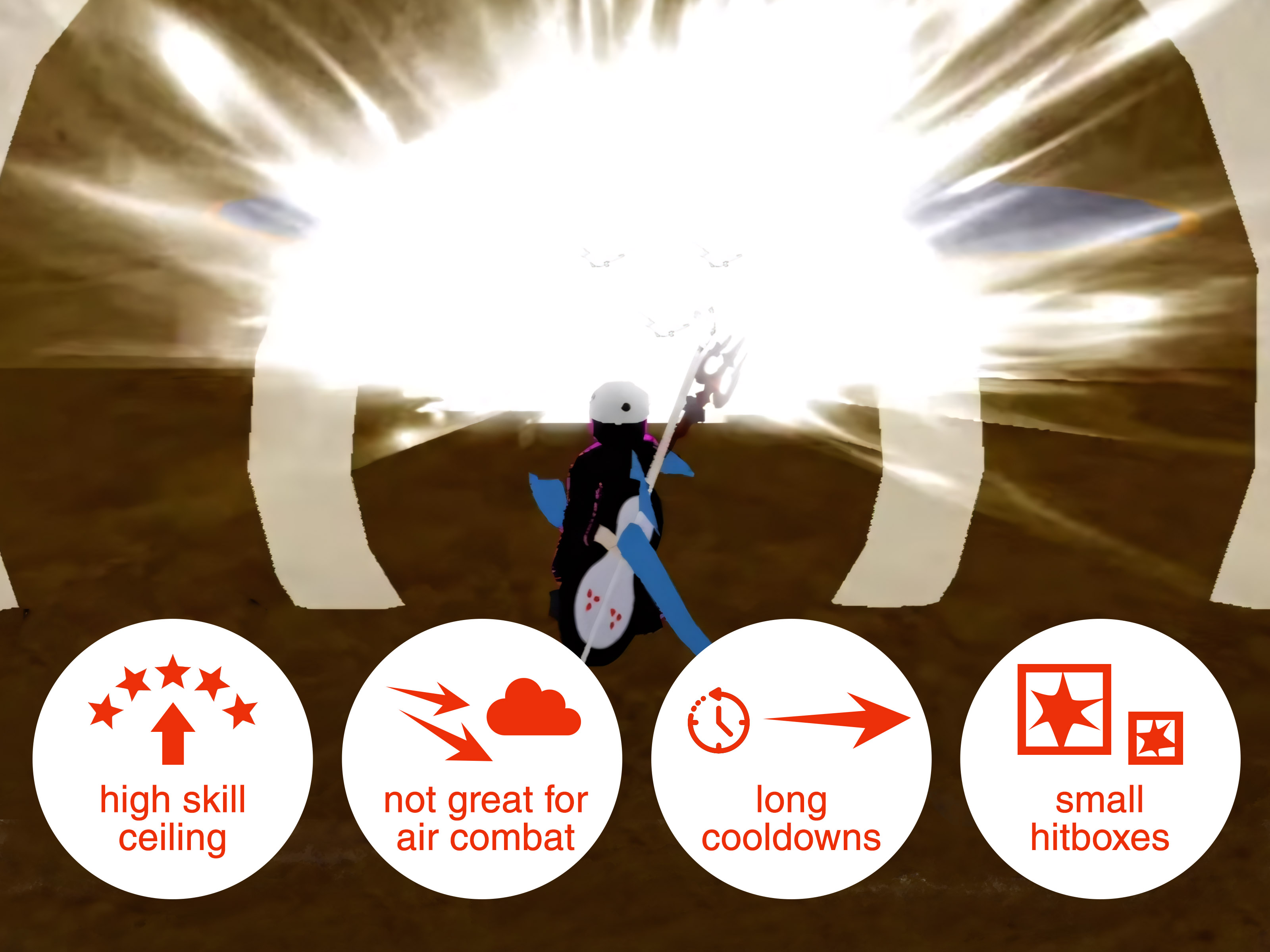
The Pain Fruit in Blox Fruits is not the kind of fruit you casually snack on between quests. It is a dramatic, high-risk, high-reward Natural-type fruit built around pressure, punishment, mobility, ghostly projectiles, and one of the most theatrical comeback mechanics in the game. If most fruits say, “Let’s win cleanly,” Pain says, “Let’s make this duel feel like the final episode of an anime arc.”
In this guide, we will break down how to get the Pain Fruit, what it costs, how its moves work, when to use it, how to upgrade it, and whether it is actually worth eating, trading for, or keeping in your inventory. Whether you are grinding levels, testing PvP combos, bounty hunting, or simply trying to understand why everyone suddenly looks nervous when red ghost effects start flying around, this guide gives you the practical version without turning it into a doctoral thesis in Roblox pain management.
What Is the Pain Fruit in Blox Fruits?
Pain Fruit is a Legendary Natural-type Blox Fruit. It was formerly known as Paw before later updates changed its identity and, more importantly, its playstyle. The modern version of Pain focuses on energy-based attacks, Pain Ghosts, combo control, mobility, and a special survival mechanic called Last Stand.
Unlike simple beginner fruits that let you spam attacks and hope the NPC politely falls over, Pain asks for timing. It rewards players who can aim, manage distance, read enemy movement, and chain skills together. That makes it much more attractive for PvP than for early-game grinding. In other words, Pain can be amazing in the right hands, but if you are still missing stationary Bandits, the fruit may feel like it is personally judging you.
How to Get the Pain Fruit in Blox Fruits
There are several practical ways to get Pain Fruit, but the most direct method is buying it from the Blox Fruit Dealer. Pain costs $2,300,000 Beli or 2,200 Robux. The Beli version depends on dealer stock and can be replaced if you eat another fruit later. The Robux version is permanent, meaning you can equip it again whenever you want after purchasing it.
Method 1: Buy Pain from the Blox Fruit Dealer
The Blox Fruit Dealer sells different fruits on rotation. If Pain appears in stock and you have enough Beli, you can buy it directly. This is the cleanest method for players who do not want to negotiate trades or wait for lucky drops. The catch is obvious: Pain is not always available. Dealer stock rotates, so you may need to check regularly or use reliable stock trackers to avoid staring at the dealer like he personally hid your dream fruit under the counter.
Method 2: Buy Permanent Pain with Robux
If you purchase Pain with Robux, you are buying the permanent version. This is best for players who love switching between fruits or want Pain as a long-term PvP option. Permanent Pain is more expensive in real-world value, but it removes the fear of losing access after testing another fruit. For serious players who collect permanent fruits, this is the luxury route.
Method 3: Trade for Pain Fruit
Trading is another option, especially if you already have valuable fruits or items. Because trade values shift with updates, hype, supply, and demand, always check current value lists before accepting a deal. Pain’s value may rise when players discover strong combos or fall when supply increases. A fair trade today can look silly next week, which is basically the Blox Fruits economy saying, “Surprise, I’m also a stock market.”
Method 4: Find or Receive the Fruit
Like other fruits, Pain may be found through in-game fruit spawns or gifted by another player. This method is less reliable, but it can happen. If you find Pain sitting on the ground, pick it up quickly. Do not hold a strategy meeting. Do not ask the server for opinions. Grab it first, celebrate later.
Pain Fruit Moveset Explained
Pain has a full combat kit with M1 attacks and several key abilities. Its moves reward smart spacing and controlled pressure rather than random button smashing. The fruit’s main skills include Raging Rush, Fury Jab, Rage Release, Agony Nuke, Torturing Pulse, and Torment Warp.
Raging Rush
Raging Rush is Pain’s basic M1 attack. It lets the user rush forward and perform a sequence of attacks that can knock enemies away. In Last Stand, the hitboxes, speed, and damage become much stronger, making the M1 chain far more threatening. This is one reason Pain performs best when you actually invest into Blox Fruit stats instead of treating the fruit like a decorative backpack item.
Fury Jab
Fury Jab is unlocked early and works as one of Pain’s main ranged pressure tools. When tapped, it fires a Pain Ghost-style projectile. When held, it releases a barrage of Pain Ghosts. This move can be useful for chip damage, zoning, and forcing opponents to move. The drawback is that predictable use can become punishable, especially against players with good movement.
Rage Release
Rage Release unlocks at higher mastery and gives Pain a strong follow-up option. The tapped version dashes forward and grabs the enemy into a short sequence. The held version can launch the target upward and drag them with an energy beam. This move is valuable for combos because it helps reposition the opponent and create follow-up opportunities.
Agony Nuke
Agony Nuke is one of Pain’s flashier tools. It can pull enemies, deal strong damage, and create stun windows. When upgraded further, it gains a charged beam version, making it even more dangerous in skilled hands. This is the move that makes opponents suddenly remember they had homework and attempt to leave the fight.
Torturing Pulse
Torturing Pulse is Pain’s heavy control move. It has strong stun potential, a large hitbox, and can distort the enemy’s vision. The held version can become especially dangerous because it increases pressure over an area and can drag enemies into trouble. It is not the fastest move in the world, but when it lands, it can turn a fight from “fair duel” into “please return my keyboard.”
Torment Warp
Torment Warp is Pain’s movement ability. It helps you close distance, reposition, chase opponents, or escape bad situations. Since Pain depends heavily on spacing and timing, Torment Warp is more than just a travel button. Used well, it becomes a combo extender, a dodge tool, and a way to collect Pain Ghosts.
Understanding Pain Meter, Pain Ghosts, and Last Stand
The real personality of Pain Fruit comes from its passive mechanics. The Pain Meter fills as you take damage and absorb Pain Ghosts. When the meter is active, it can improve your pressure through better movement, stronger attacks, and shorter cooldowns. Pain Ghosts can appear when certain moves miss, and absorbing them helps refill the Pain Meter while also resetting Torment Warp’s cooldown.
Last Stand is the fruit’s signature survival mechanic. When triggered, the user enters a temporary berserk-like state with improved speed, stronger movement, damage reduction, faster cooldowns, and stronger Pain-only attacks. However, it is not a free permanent second life. When the state ends, the user dies. This makes Last Stand powerful but dangerous. You must use that short window to finish the fight, escape, or create a decisive advantage.
How to Upgrade Pain Fruit
Pain can be upgraded through the Admin Panel system. Fully upgrading Pain requires high mastery and several resources, including fragments, Ectoplasm, Magma Ore, and Nightmare Catchers. The major upgrades improve Last Stand duration, enhance Torment Warp, improve Fury Jab’s Pain Ghost behavior, and unlock stronger functionality for Agony Nuke.
For serious Pain users, upgrades matter. A basic Pain user can still fight, but a fully upgraded Pain user gets far more control, better utility, and stronger comeback potential. If you plan to use Pain only for casual fun, you can experiment without rushing every upgrade. If you plan to use it for PvP or bounty hunting, upgrading should be part of your long-term plan.
Is Pain Fruit Good for Grinding?
Pain is usable for grinding, but it is not the easiest fruit for early progression. It has decent damage and M1 potential, but some attacks have knockback or require aim, which can slow down simple NPC farming. For beginners in the First Sea, fruits like Light, Buddha, or Magma are usually more comfortable for leveling because they offer easier farming patterns.
That said, Pain becomes more practical once you understand how to group enemies, use walls, cycle M1 attacks, and chain moves without constantly scattering NPCs across the map like bowling pins. If you already have good mastery and movement control, Pain can grind acceptably. If you are brand new, it may feel stylish but inefficient.
Is Pain Fruit Good for PvP?
Yes, Pain can be very strong in PvP, especially for players who know how to combo. Its strengths include strong stun potential, solid ranged pressure, mobility, Last Stand pressure, and tricky Pain Ghost mechanics. It can punish aggressive opponents and create scary comeback situations when the enemy thinks they have already won.
The main weakness is skill demand. Pain is not a brain-off fruit. You need aim, timing, awareness, and enough practice to avoid wasting key moves. If you miss too many important attacks, good opponents will punish you. Pain’s power ceiling is high, but the fruit does not automatically carry bad decisions. It gives you a toolbox, not a chauffeur.
Best Stats for Pain Fruit
If you want to main Pain, invest heavily in Blox Fruit, Defense, and Melee. Blox Fruit increases your main damage, Defense helps you survive long enough to use Pain’s comeback mechanics, and Melee gives you energy for movement and skill usage. Many Pain builds also pair the fruit with strong fighting styles, swords, or guns for combo starters, but remember that Last Stand limits you to Pain moves during its active state.
A balanced PvP setup usually focuses on surviving the opening exchange, landing a stun, chaining Pain abilities, and saving Torment Warp for either chase or escape. Do not blow every cooldown at once unless you are sure the opponent cannot escape. Pain rewards patience, and patience is surprisingly rare in servers where half the lobby moves like caffeinated mosquitoes.
Simple Pain Combo Ideas
For beginners, start with simple chains instead of copying impossible one-shot combos from elite players. A basic pattern might look like this: use a stun or approach tool, follow with Rage Release, connect Agony Nuke, then finish with Fury Jab or Torturing Pulse. Once you understand timing, you can add fighting style moves, sword starters, or gun pressure.
For intermediate players, try combining Pain with tools that help start combos reliably. Spikey Trident, Soul Guitar, Sanguine Art, Godhuman, Sharkman Karate, and other popular PvP options often appear in community Pain combos. The important rule is simple: use a reliable stun first, then land Pain’s stronger moves while the enemy has fewer escape options.
Common Mistakes When Using Pain Fruit
Using Every Move at Maximum Charge
Held moves can be powerful, but charging too long makes you predictable. Sometimes a tapped move is better because it is faster and safer. Do not turn every fight into a dramatic charging scene unless your opponent has politely agreed to stand still.
Forgetting About Pain Ghosts
Pain Ghosts are not just visual effects. They help refill your meter, reset movement options, and create pressure. Learn to collect them during fights instead of ignoring them like random decoration.
Depending Too Much on Last Stand
Last Stand is powerful, but it is temporary. If you rely on it as your only plan, better players will stall, kite, or force you into bad positioning. Treat Last Stand as a final burst, not a magic “I win” button.
Trying Pain Too Early
Pain is much better when you have mastery, stats, and game knowledge. If you are still leveling and need simple farming, it may be smarter to save Pain for later rather than eat it immediately.
Should You Eat, Trade, or Store Pain Fruit?
If you enjoy PvP and want a stylish, technical fruit, eating Pain can be worth it. If you are still grinding levels and need efficiency, storing or trading it may be smarter. If you already have a strong grinding fruit, consider keeping Pain until you are ready for serious dueling. And if you own Permanent Pain, congratulationsyou can test it whenever you want without the emotional damage of replacing your current fruit.
For traders, Pain is interesting because it has real demand but also fluctuating value. Always compare current offers before trading. Do not accept a bad deal just because someone says, “Trust me bro.” In Blox Fruits trading, “trust me bro” is usually the natural predator of your inventory.
Extra Experience Notes: What It Feels Like to Actually Use Pain Fruit
Using Pain Fruit feels different from using a simple farming fruit. The first few minutes can be awkward because you expect every move to land cleanly, and then reality arrives wearing boxing gloves. Fury Jab may miss if you panic. Rage Release can whiff if your opponent moves unpredictably. Torturing Pulse feels amazing when it catches someone, but if you throw it randomly, you may just create a glowing announcement that says, “Please counterattack me now.”
The best way to learn Pain is to practice in layers. Start by testing each move against NPCs, not because NPCs are elite duelists, but because they let you understand range, timing, and recovery. Once you know how far Fury Jab travels and how Torment Warp changes your position, move into friendly PvP. Ask a friend to dodge normally while you practice landing Rage Release after a stun. This teaches you more than jumping into a public server and immediately challenging a max-bounty player who has not blinked since 2021.
One of the most satisfying parts of Pain is the comeback pressure. When Last Stand activates, the entire mood of a fight changes. Your opponent may go from confident to extremely busy. But this is also where many Pain users throw the match. They activate Last Stand and start chasing wildly. A better approach is to stay focused. Use your faster movement to force a mistake, land a clean control move, and finish with your strongest chain. You are on a timer, so every second matters.
For grinding, Pain can feel stylish but slightly inefficient compared with easier fruits. The knockback can interrupt farming rhythm, and some moves require more aim than casual leveling demands. If you are grinding with Pain anyway, use terrain. Walls, corners, and tight spaces help keep NPCs from flying too far away. Cycle M1 attacks carefully, mix in tapped skills, and avoid wasting big cooldowns on enemies with low health.
In PvP, Pain shines when paired with a calm mindset. Do not spam every move the moment you see an enemy. Watch their movement first. Many players dash in predictable lines after using Instinct or Flash Step. Save a stun or control move for that moment. Pain is not about being the loudest player in the server; it is about making the opponent feel like every escape route has paperwork attached.
The final experience tip is simple: record or review your fights if possible. You will quickly notice whether you are missing because of aim, timing, range, or panic. Pain has a learning curve, but once the moves click, it becomes one of the most entertaining fruits to use. It has drama, pressure, mobility, and comeback potential. Basically, it is the fruit equivalent of entering a duel with background music only you can hear.
Final Verdict
The Pain Fruit in Blox Fruits is best for players who enjoy technical PvP, stylish combos, and high-pressure fights. It is not the easiest fruit for beginners, and it is not the smoothest early-game grinder, but it offers excellent potential once mastered. If you want a fruit with personality, strong control tools, a unique Last Stand mechanic, and enough ghostly chaos to make opponents reconsider their life choices, Pain is absolutely worth learning.
Note: Blox Fruits updates can change fruit prices, stock behavior, move balance, upgrade costs, and trading values. Always confirm important details in-game before spending Beli, Robux, fragments, or valuable trade items.