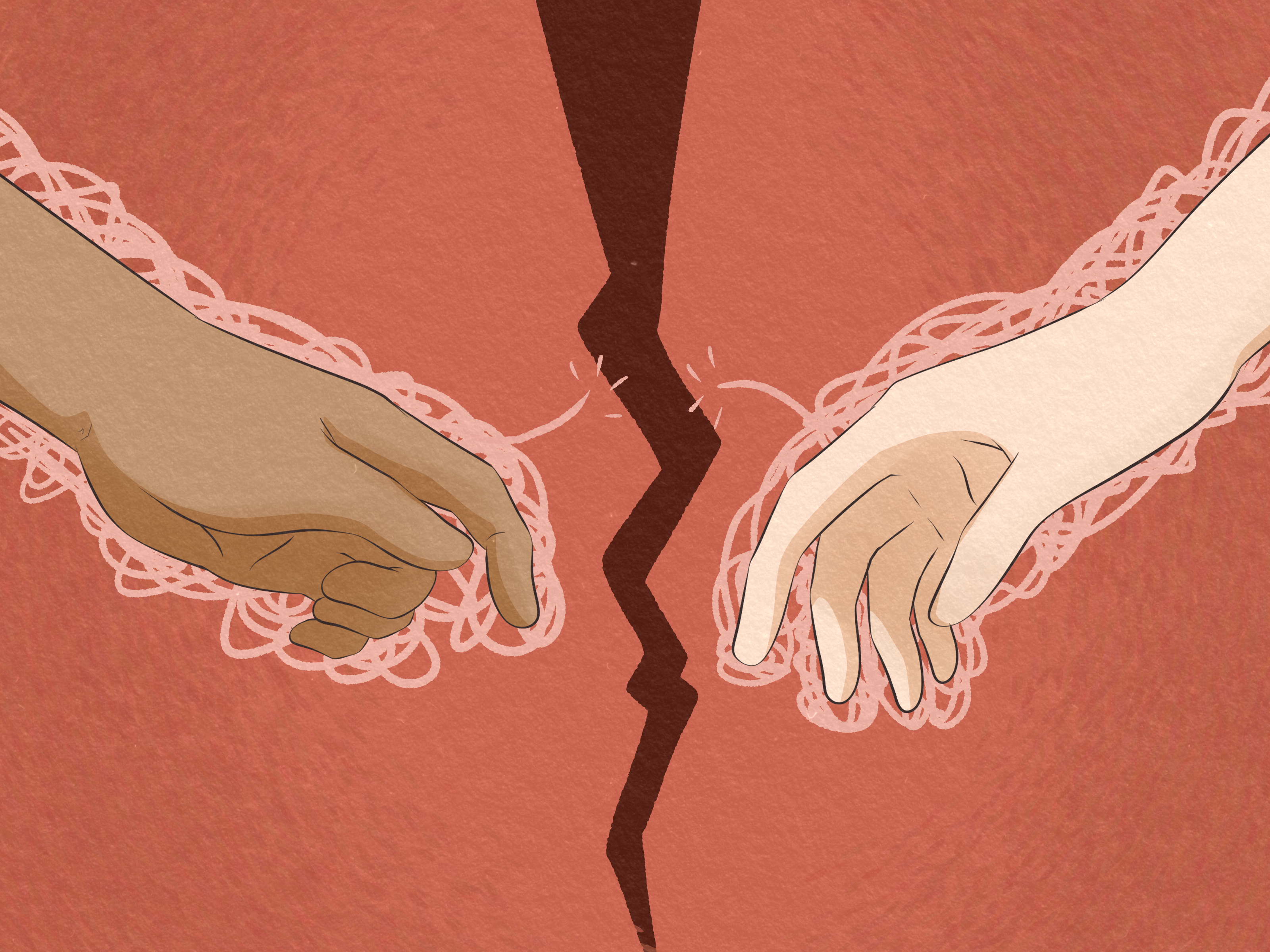
Feeling like your relationship needs a charger, a nap, and maybe a small rescue helicopter? You are not alone. An emotionally draining relationship can make you feel tired even after eight hours of sleep, anxious before simple conversations, and strangely relieved when your phone does not light up. The good news: not every exhausting relationship is doomed. Some are simply stuck in bad habits, unclear boundaries, uneven emotional labor, or communication patterns that need a serious tune-up.
That said, “fixing” a relationship does not mean becoming a full-time therapist, emotional sponge, or human apology machine. A healthy relationship should include respect, safety, honesty, support, and room for both people to breathe. If the relationship includes intimidation, control, threats, isolation, or any form of abuse, the goal is not to fix the relationship by trying harder. The goal is to protect your safety and get support.
Below are 14 practical tips to help you repair an emotionally draining relationship, rebuild emotional balance, and decide whether the connection can become healthy again.
What Is an Emotionally Draining Relationship?
An emotionally draining relationship is a connection that regularly leaves you feeling depleted, anxious, guilty, confused, or responsible for another person’s entire emotional universe. It may be romantic, friendly, family-based, or even work-related. The common theme is this: the relationship takes more emotional energy than it gives back.
Sometimes the problem is not one dramatic event. It is the slow drip of small things: constant criticism, unresolved arguments, one-sided support, passive-aggressive comments, emotional shutdowns, or the feeling that you must tiptoe around someone’s mood like the floor is made of glass and every tile is labeled “argument.”
Before you try to repair the relationship, ask one key question: Is this relationship unhealthy because we lack skills, or is it unsafe because one person wants control? Skill problems can often improve with effort. Control problems require stronger boundaries, outside help, and sometimes distance.
How to Fix An Emotionally Draining Relationship: 14 Tips
1. Name the Drain Instead of Just Feeling It
The first step is to identify what exactly is exhausting you. “This relationship drains me” is real, but it is also broad. Try to get specific. Are you tired because every conversation becomes a debate? Because you are always the one apologizing? Because your needs are treated like annoying pop-up ads? Because your partner or friend only calls when they need emotional rescue?
Write down the top three patterns that leave you emotionally tired. For example: “I feel drained when I share a concern and they immediately become defensive,” or “I feel exhausted when I have to manage their mood before I can talk about my own.” Specific patterns are easier to address than vague resentment.
2. Check Whether the Relationship Is Safe to Repair
Not every relationship should be repaired from the inside. If someone controls who you see, monitors your phone, threatens you, humiliates you, isolates you, scares you, or makes you feel unsafe, that is not ordinary relationship stress. That is a serious warning sign.
In unsafe relationships, direct confrontation can sometimes make things worse. Instead of trying to have the perfect conversation, focus on support and safety. Talk to a trusted person, counselor, advocate, or local support service. A draining relationship can be improved when both people care about change. A controlling relationship usually requires protection, not more patience.
3. Stop Confusing Love With Unlimited Access
Being close to someone does not mean they get 24/7 access to your time, energy, attention, and nervous system. Even your phone has a low-power mode. You are allowed to have one too.
Healthy boundaries are not emotional walls. They are instructions for how to stay connected without burning out. A boundary might sound like: “I want to talk about this, but I need us to do it without yelling,” or “I can support you, but I cannot be available for heavy conversations during work or school.” Boundaries protect the relationship from resentment by making expectations clear.
4. Use “I” Statements Without Turning Them Into Tiny Spears
“I” statements work best when they describe your experience without attacking the other person’s character. Compare these two sentences:
“You are selfish and never care about me.”
“I feel unimportant when I share something serious and the conversation quickly shifts back to your problems.”
The second sentence is still honest, but it gives the other person something specific to understand and change. The goal is not to win the courtroom drama of the century. The goal is to make the relationship safer for honesty.
5. Look for the Four Conversation Habits That Break Trust
Many emotionally draining relationships are powered by repeating conflict patterns. Four especially destructive habits are criticism, contempt, defensiveness, and stonewalling. In regular human language: attacking character, acting superior, refusing responsibility, and shutting down.
If these patterns show up often, do not just argue about the topic of the day. Talk about the pattern underneath. For example: “When I bring up a concern and you leave the room, I feel abandoned. Can we agree to take a 20-minute break and come back instead of ending the conversation completely?”
6. Schedule Calm Conversations Instead of Ambush Talks
Important conversations rarely go well when one person launches them at 11:47 p.m. while the other person is half-asleep, hungry, and emotionally powered by leftover cereal. Timing matters.
Try saying, “I want to talk about something important. Is tonight after dinner okay, or would tomorrow afternoon be better?” This gives both people a chance to show up with more patience and less panic. A planned conversation can feel less like an attack and more like a repair attempt.
7. Balance Emotional Labor
Emotional labor is the invisible work of noticing problems, smoothing tension, planning hard conversations, remembering emotional details, offering reassurance, and keeping the relationship functioning. In a healthy relationship, this work is shared. In a draining one, one person often becomes the unpaid manager of everyone’s feelings.
Ask yourself: Who starts repair conversations? Who apologizes first? Who notices when something feels off? Who keeps track of birthdays, family stress, therapy suggestions, social plans, or emotional check-ins? If one person is carrying nearly all of it, the relationship needs a fairer system.
A simple fix is to make emotional tasks visible. Say, “I need you to take more initiative in checking in after conflict,” or “I cannot be the only one bringing up problems and solutions.”
8. Rebuild Positive Interactions on Purpose
When a relationship has been draining for a while, every interaction can start to feel like a meeting with the Department of Disappointment. Repair requires more than reducing conflict. You also need to rebuild warmth.
Start small. Share one appreciation each day. Do one low-pressure activity together. Send a kind message that does not include a complaint, a request, or a calendar reminder. Positive interactions do not erase serious problems, but they remind both people that the relationship is more than a repair project with snacks.
9. Practice Active Listening, Not “Reloading Your Argument”
Many people do not listen during conflict. They wait for their turn to present Exhibit B. Active listening means trying to understand before trying to respond. You can say, “What I hear you saying is…” or “That makes sense because…” or “I do not fully agree, but I understand why you felt hurt.”
Validation is not the same as surrender. You can validate someone’s feelings without accepting false blame. For example: “I understand that you felt ignored. I also want to explain what was happening for me.” That kind of response lowers defensiveness and keeps the conversation human.
10. Stop Rewarding the Same Draining Pattern
If every emotional blowup ends with you apologizing just to make the tension stop, the relationship learns that blowups work. If every guilt trip gets an immediate yes, guilt becomes the remote control. If every silent treatment makes you chase harder, silence becomes power.
Changing a pattern means changing your response. Calmly repeat your boundary. Take a break. Refuse to debate insults. Do not over-explain your right to rest. You are not being cold; you are teaching the relationship that emotional chaos is not the price of connection.
11. Keep Your Own Support System Alive
An emotionally draining relationship becomes more intense when it is your only source of connection. No one person should be your entire emotional ecosystem. That is too much pressure for them and too risky for you.
Stay connected with friends, family members, mentors, support groups, hobbies, and healthy routines. When your world gets bigger, the draining relationship gets less power over your mood. Outside support also helps you reality-check: “Am I being unreasonable, or am I being slowly trained to ignore my needs?” A trusted perspective can be priceless.
12. Create a Repair Plan With Measurable Changes
“We will do better” sounds nice, but it is not a plan. A real repair plan includes specific behaviors. For example:
- No name-calling during conflict.
- Take breaks when overwhelmed, but return to the conversation within an agreed time.
- Have one weekly check-in about stress, needs, and appreciation.
- Share emotional labor, such as planning, problem-solving, and initiating repair.
- Seek counseling if the same issue repeats without progress.
Measurable change keeps the relationship from surviving on speeches alone. Speeches are lovely. Behavior pays the rent.
13. Consider Couples Counseling or Individual Therapy
Therapy is not a relationship failure badge. It is more like hiring a translator when both people keep speaking fluent Hurt Feelings. A therapist can help identify patterns, improve communication, set boundaries, and explore whether the relationship is healthy enough to continue.
Individual therapy can also help if you struggle with people-pleasing, fear of conflict, anxious attachment, emotional shutdown, or difficulty saying no. Sometimes the relationship improves when one person stops playing their old role in the same old drama.
14. Know When Fixing Means Letting Go
The hardest truth is that a relationship cannot be repaired by one person doing double the work. If you communicate clearly, set boundaries, ask for change, offer reasonable repair attempts, and the other person still dismisses, mocks, manipulates, or refuses responsibility, the relationship may not be fixable in a healthy way.
Letting go does not mean the relationship never mattered. It means your well-being matters too. Sometimes the most loving repair is repairing your relationship with yourself.
Signs Your Relationship Is Improving
Progress usually shows up in small, repeatable changes. You feel less anxious before conversations. Apologies include changed behavior, not just dramatic facial expressions and a quick “fine, sorry.” Both people take responsibility. Boundaries are respected more often. Conflict still happens, but it does not destroy the whole day, weekend, or emotional climate of the home.
A recovering relationship feels more honest, not magically perfect. You may still disagree, but you feel safer telling the truth. You may still need breaks, but breaks are used to calm down, not punish. You may still have old triggers, but both people become more aware of them. That is what real repair often looks like: less fireworks, more follow-through.
Signs It May Be Time to Step Away
It may be time to step away if you are the only one trying, if your boundaries are repeatedly ignored, if you feel afraid to speak honestly, if your self-esteem is shrinking, or if the relationship depends on you staying small, quiet, and constantly available.
Pay attention to your body. Do you feel tense when their name appears on your phone? Do you rehearse simple sentences because you are afraid of the reaction? Do you feel guilty for having normal needs? Your body may notice emotional danger before your brain finishes writing excuses for it.
Healthy relationships can be challenging, but they should not require you to abandon yourself.
Experience-Based Reflections: What Emotionally Draining Relationships Often Teach Us
One of the most common experiences in an emotionally draining relationship is the strange gap between how things look from the outside and how they feel on the inside. Other people may see a normal couple, a close friendship, or a “sweet” family bond. Meanwhile, you feel like you are carrying a backpack full of invisible bricks. You smile at dinner, answer texts politely, and say “everything is fine,” while your nervous system is quietly waving a tiny white flag.
Many people do not realize they are emotionally drained until they start changing in small ways. They stop sharing good news because it might be ignored or criticized. They avoid bringing up problems because the conversation will become exhausting. They become overly careful with tone, timing, wording, facial expression, punctuation, and whether a period at the end of a text looks “too serious.” At some point, communication feels less like connection and more like defusing a cartoon bomb with a butter knife.
A major lesson from these relationships is that resentment is often a boundary trying to introduce itself. When you feel resentful, it does not always mean you are mean, selfish, or dramatic. It may mean you have been saying yes when you needed to say no. It may mean you have been offering emotional support that you do not have the capacity to give. It may mean you have been hoping someone would magically notice your exhaustion without you having to explain it.
Another lesson is that clarity can feel uncomfortable at first. If you are used to keeping peace by swallowing your needs, the first honest boundary may feel rude. It may sound too direct in your mouth, even when it is perfectly reasonable. For example, saying, “I cannot talk about this while you are raising your voice,” may feel harsh if you are used to saying, “It is okay, I understand,” while absolutely not feeling okay or understanding anything except your urgent desire to disappear into a blanket.
People also learn that love and compatibility are not the same thing. You can care deeply about someone and still recognize that the relationship dynamic is unhealthy. You can miss someone and still know that constant emotional exhaustion is not sustainable. You can appreciate the good memories without signing up for endless reruns of the same painful episode.
Repair, when it works, usually feels awkward before it feels natural. The first calm check-in may be clumsy. The first boundary may be met with confusion. The first attempt at active listening may sound like two people reading from a communication worksheet at a very nervous book club. That is okay. New relationship habits often feel unnatural because the old habits had more practice.
The important thing is whether both people are willing to learn. A relationship can recover when both people can say, “I see the pattern, I care about the impact, and I am willing to change my part.” That sentence, backed by behavior, is powerful. Without behavior, it is just a motivational poster wearing cologne.
The most healing experience is often realizing that your needs are not a burden. Wanting respect is not needy. Wanting consistency is not dramatic. Wanting emotional safety is not asking too much. A healthy relationship does not require you to earn kindness by being endlessly useful, endlessly patient, or endlessly silent.
Whether the relationship improves or ends, the process can teach you to listen to yourself sooner. You learn to notice the early signs: the tight chest, the overthinking, the shrinking, the repeated excuses, the tiny voice saying, “This does not feel good.” You learn that peace is not the same as silence. You learn that being loved should not feel like being slowly drained through a very polite straw.
Most importantly, you learn that fixing an emotionally draining relationship starts with refusing to abandon yourself. Sometimes that creates room for a better relationship with the other person. Sometimes it creates the courage to leave. Either way, your energy, dignity, and emotional health are worth protecting.
Conclusion
Fixing an emotionally draining relationship requires honesty, boundaries, shared responsibility, and consistent behavior change. Start by naming the patterns that drain you. Check whether the relationship is safe. Communicate clearly, listen actively, balance emotional labor, rebuild positive connection, and create measurable agreements. If both people are willing to grow, the relationship may become healthier and more supportive. If only one person is trying, or if the relationship includes control, fear, or repeated disrespect, stepping away may be the healthiest choice.
A relationship should not leave you feeling like your emotional battery is always at 2%. With care, courage, and clear boundaries, some relationships can be recharged. Others need to be unplugged. Wisdom is learning the difference.