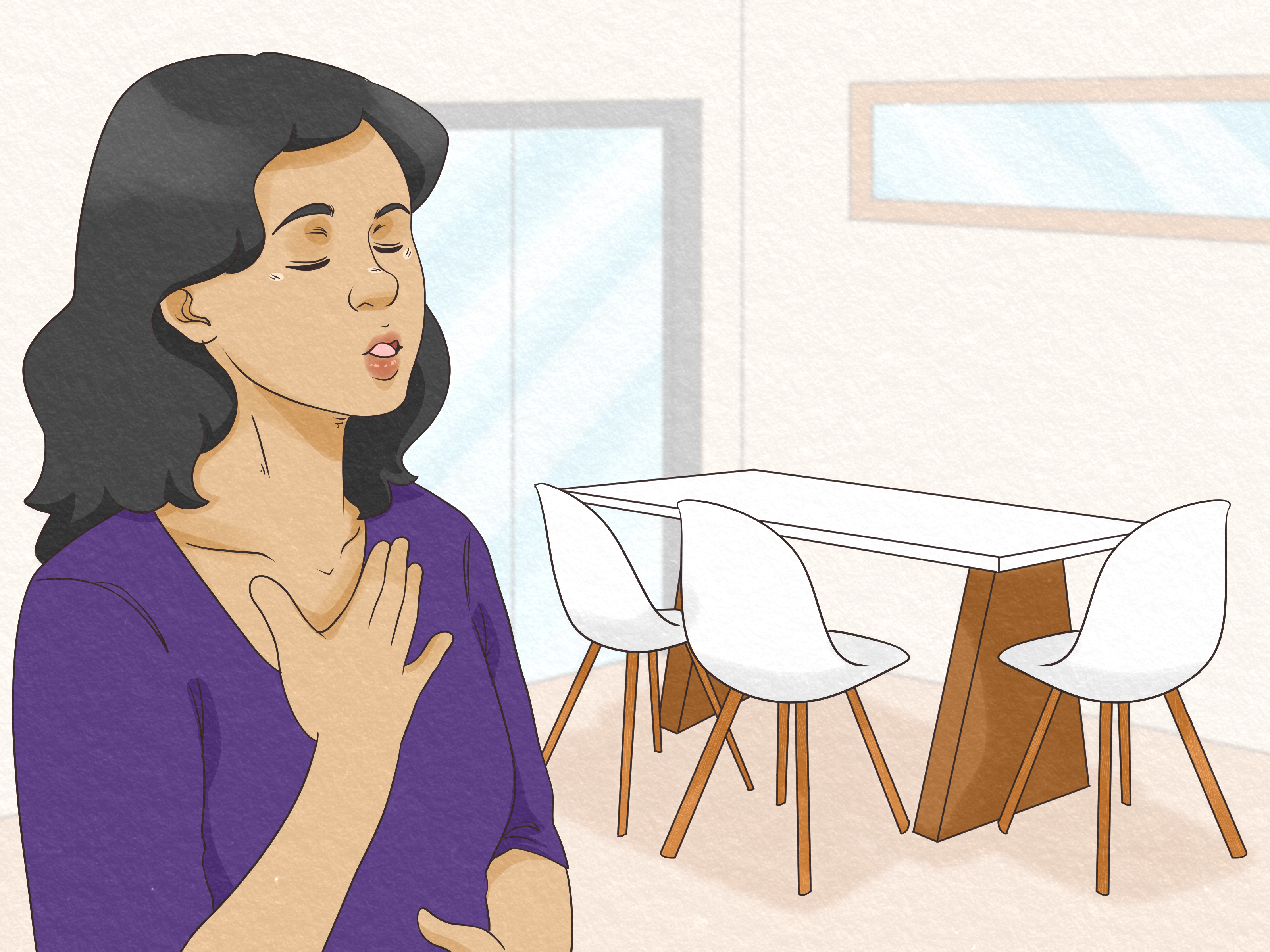
Self-destructive behavior has a sneaky way of wearing a fake mustache and calling itself “coping.” It might look like procrastinating until your life becomes a group project with panic, pushing away people who care, drinking too much, binge eating, overspending, doomscrolling until 2 a.m., picking fights, skipping medication, or hurting yourself physically or emotionally. At first, the behavior may seem to offer relief. Then the bill arriveswith interest, late fees, and a tiny violin.
The good news is that change is possible. The even better news is that you do not have to transform into a perfectly hydrated, sunrise-yoga person overnight. Behavior change usually happens in stages. The “Stages of Change” model, also called the Transtheoretical Model, explains why people often move from denial to curiosity, then planning, action, and long-term maintenance. It also explains why relapse does not mean failure. It means you are human, not a defective toaster.
This guide explains how to change self-destructive behavior using the stages of change, practical coping tools, and real-world examples. If your behavior involves self-harm, suicidal thoughts, substance misuse, an eating disorder, or anything that puts you in immediate danger, please contact emergency services or call or text 988 in the United States for the Suicide & Crisis Lifeline. Support is not a luxury; it is part of the plan.
What Is Self-Destructive Behavior?
Self-destructive behavior is any repeated action, habit, or pattern that harms your physical health, emotional well-being, relationships, finances, work, or future goals. Sometimes it is intentional. Sometimes it is automatic. Often, it begins as an attempt to reduce emotional pain quickly.
Common examples include:
- Avoiding responsibilities until problems become bigger
- Sabotaging relationships through withdrawal, jealousy, or conflict
- Using alcohol, drugs, food, shopping, or screens to numb feelings
- Engaging in self-harm or risky behavior
- Ignoring medical care, sleep, nutrition, or medication needs
- Talking to yourself with constant shame, insults, or hopelessness
Self-destructive patterns are not proof that someone is weak. They are often signs that a person is overwhelmed, under-supported, traumatized, depressed, anxious, addicted, burned out, or stuck using old survival strategies that no longer serve them. The goal is not to judge the behavior into submission. The goal is to understand what it does for you, then replace it with something safer and more effective.
Why the Stages of Change Matter
Many people try to change by jumping straight into action: “Starting Monday, I will never do this again.” Monday then arrives wearing combat boots, and the old habit comes back before lunch. This happens because action is only one stage of change. Real change includes awareness, motivation, planning, practice, support, and relapse prevention.
The stages of change are usually described as:
- Precontemplation: You do not yet see the behavior as a serious problem.
- Contemplation: You see the problem but feel unsure about changing.
- Preparation: You decide to change and begin making a plan.
- Action: You actively use new behaviors and coping skills.
- Maintenance: You work to keep progress going and prevent relapse.
- Relapse or recycling: You return to the old behavior and learn from it.
These stages are not a neat staircase. They are more like a shopping mall escalator during a power outage: sometimes forward, sometimes stuck, occasionally confusing, but still navigable.
Stage 1: Precontemplation “I Don’t Have a Problem”
In precontemplation, a person may not recognize the behavior as harmful. They might say, “This is just how I cope,” “Everyone does it,” or “It is not that bad.” Sometimes they know something is wrong but feel too ashamed, tired, or defensive to face it.
Signs You May Be in Precontemplation
- You feel annoyed when others mention the behavior.
- You minimize the consequences.
- You blame the problem entirely on other people or circumstances.
- You avoid reading, talking, or thinking about change.
What Helps at This Stage
The goal is not to force dramatic action. The goal is honest awareness. Try asking yourself:
- What does this behavior help me escape?
- What does it cost me afterward?
- Who is affected besides me?
- What would my life look like in one year if nothing changed?
At this stage, journaling can be surprisingly useful. You do not need a leather-bound notebook and a candle named “Inner Peace.” A notes app works fine. Track the behavior, what happened before it, how you felt during it, and what happened afterward. Patterns become harder to ignore when they are sitting on the page like tiny emotional receipts.
Stage 2: Contemplation “Maybe This Is a Problem”
Contemplation is the tug-of-war stage. Part of you wants change. Another part wants the familiar comfort of the old habit. This does not make you lazy. It means the behavior has been serving a purpose, even if the long-term results are painful.
Common Thoughts in Contemplation
- “I know this is hurting me, but I do not know how to stop.”
- “What if I fail?”
- “What will I do with my emotions if I stop using this coping method?”
- “I want change, but not the uncomfortable part. Can we skip that?”
How to Move Forward
Create a simple pros-and-cons list. Be honest, not heroic. For example, if you use alcohol to numb stress, the “pros” may include fast relaxation and social ease. The “cons” may include hangovers, money problems, shame, arguments, poor sleep, and anxiety the next day. Seeing both sides helps your brain stop treating the behavior like a mysterious magical solution.
Next, identify your values. Do you want more peace? Better relationships? More energy? Self-respect? Financial stability? A body that does not feel like it is running on gas station coffee and regret? Change becomes more powerful when it is connected to what matters, not just what you are trying to avoid.
Stage 3: Preparation “I’m Ready to Try”
Preparation is where hope puts on sneakers. You are not just thinking about change anymore; you are getting ready to act. This stage is about building a realistic plan before motivation disappears into the couch cushions.
Build a Practical Change Plan
Start with one behavior. “I will fix my entire personality by Friday” is not a plan; it is a stress smoothie. Choose a specific, measurable target.
- Instead of: “I will stop self-sabotaging.”
- Try: “When I feel rejected, I will wait 20 minutes before sending an angry text.”
- Instead of: “I will stop binge eating.”
- Try: “When I feel the urge to binge, I will eat a balanced snack, drink water, and call my support person before deciding what to do next.”
- Instead of: “I will stop procrastinating.”
- Try: “I will work for 10 minutes before opening social media.”
Create a Safety Plan
If your self-destructive behavior includes self-harm, suicidal thoughts, substance relapse, or dangerous impulses, create a safety plan when you are calm. A safety plan may include warning signs, coping skills, reasons to stay safe, people to contact, professional resources, and ways to make your environment safer.
For example, a safety plan might say: “When I notice the urge rising, I will move away from tools or substances, sit in a public room, text my sister, use cold water on my hands, and call 988 if I feel at risk.” The plan should be simple enough to use when your brain is not exactly operating like a luxury command center.
Stage 4: Action “I’m Doing the Work”
Action is the stage people usually imagine when they think about change. You are practicing new behaviors, using coping skills, asking for support, attending therapy, avoiding triggers, and making different choices in real time. It is brave. It is also inconvenient. Growth rarely arrives with a spa robe.
Use Replacement Behaviors
It is not enough to say, “I will stop.” Your brain needs a replacement. Self-destructive behavior often serves a function: numbing, releasing tension, getting attention, avoiding rejection, feeling control, or escaping shame. A replacement behavior should meet the same need in a safer way.
- For emotional intensity: Try paced breathing, cold water, a brisk walk, grounding exercises, or calling someone safe.
- For anger: Write the uncensored message in a private note, tear paper, exercise, or wait before responding.
- For loneliness: Send one honest text, join a support group, or sit in a public place.
- For shame: Practice a neutral statement like, “I made a mistake, and I can repair it.”
- For avoidance: Use a timer for 5–10 minutes and start with the smallest task.
Try CBT-Informed Thought Checking
Cognitive behavioral strategies can help you notice the thoughts that fuel destructive choices. For example, the thought “I ruined everything” may lead to drinking, self-isolation, or giving up. A more balanced thought might be, “I handled one part badly, but I can apologize and make the next choice better.”
This is not toxic positivity. You are not sprinkling glitter on a flat tire. You are training your mind to look at the whole situation instead of letting shame narrate the documentary.
Use DBT-Informed Distress Tolerance
Dialectical behavior therapy skills are often used to help people survive intense emotions without making things worse. In a crisis, the first goal is not to solve your entire life. The first goal is to get through the next few minutes safely.
Helpful distress tolerance tools include breathing slowly, changing body temperature with cold water, naming five things you see, distracting yourself briefly, using supportive self-talk, or reaching out before the urge peaks. These skills may feel awkward at first. That is normal. New coping skills are like new shoes: useful, but not instantly comfortable.
Stage 5: Maintenance “How Do I Keep This Going?”
Maintenance begins when your new behavior has lasted long enough to become more familiar. You are not cured of being human. You are simply better equipped. The focus shifts from starting change to protecting it.
Build Relapse Prevention Into Daily Life
Maintenance works best when you know your warning signs. These might include poor sleep, isolation, skipping meals, secretive behavior, resentment, boredom, overconfidence, or spending time with people who encourage the old habit.
Create a relapse prevention plan:
- List your top triggers.
- Identify early warning signs.
- Choose three coping skills you will use first.
- Name two people you can contact.
- Decide what professional help you will seek if things escalate.
Also, celebrate progress. Your brain learns through reward. This does not mean buying a parade float every time you make a healthy choice. It means pausing to notice: “That was hard, and I handled it differently.” Self-respect grows through repeated evidence.
Relapse: The Stage Nobody Wants but Almost Everyone Meets
Relapse is not proof that change failed. It is information. Maybe the plan was too vague. Maybe the trigger was stronger than expected. Maybe you needed more support, therapy, medication review, sleep, structure, or distance from a harmful environment.
After a setback, ask:
- What happened right before the behavior?
- What feeling was I trying to manage?
- What did I need but not ask for?
- What can I change in my plan?
- Who should know I am struggling?
Shame says, “You are back at zero.” Recovery says, “You are back with data.” Big difference.
When to Get Professional Help
Self-help tools can be powerful, but some situations need professional support. Consider reaching out to a therapist, counselor, doctor, psychiatrist, addiction specialist, or crisis service if the behavior feels compulsive, dangerous, secretive, escalating, or connected to trauma, depression, anxiety, substance use, eating issues, or self-harm.
Professional treatment may include cognitive behavioral therapy, dialectical behavior therapy, motivational interviewing, medication for underlying conditions, group support, addiction treatment, family therapy, or a personalized safety plan. Getting help does not mean you failed. It means you are done trying to rebuild the house with a spoon.
Specific Examples of Changing Self-Destructive Behavior
Example 1: The Relationship Saboteur
Maya tends to assume people will leave her. When her partner seems distant, she sends long angry messages, then feels ashamed. In precontemplation, she blames only her partner. In contemplation, she notices the pattern. In preparation, she writes a rule: “No conflict texts for 30 minutes.” In action, she uses breathing, writes her first reaction privately, and asks, “Can we talk tonight?” In maintenance, she keeps practicing even after one messy argument.
Example 2: The Procrastination Spiral
Jordan avoids tasks because starting makes him anxious. The avoidance brings temporary relief, then panic. In preparation, he chooses a tiny action: open the document and work for five minutes. In action, he uses a timer and blocks distracting websites. In maintenance, he plans difficult tasks earlier in the day and rewards completion with guilt-free rest. Not glamorous. Very effective.
Example 3: The Emotional Numbing Habit
Chris drinks heavily after stressful workdays. In contemplation, he realizes alcohol is helping for two hours and hurting for two days. In preparation, he removes alcohol from the house, schedules therapy, and tells a friend. In action, he replaces the routine with dinner, walking, and a support meeting. In maintenance, he avoids “just one drink” situations until his coping skills are stronger.
of Real-Life Experience: What Changing Self-Destructive Behavior Actually Feels Like
Changing self-destructive behavior often feels less like a movie transformation and more like learning to drive stick shift on a hill. You stall. You panic. Someone honks. Then, somehow, you move forward three feet and feel like a champion. That small movement matters.
Many people expect change to feel inspiring. Sometimes it does. More often, it feels awkward, boring, and suspiciously quiet. If you are used to chaos, peace can feel strange at first. If you are used to solving emotional pain with instant relief, healthier coping may feel slow. A walk does not numb pain as fast as a destructive habit. A phone call may feel more vulnerable than isolation. A therapy appointment may feel less satisfying than pretending everything is fine. But healthy coping has one major advantage: it does not create a bigger mess for tomorrow.
One common experience is grief. Even harmful behaviors can feel like old companions. They were there during heartbreak, stress, loneliness, and fear. Letting them go may bring sadness, not because the behavior was good, but because it was familiar. This is why self-compassion matters. You are not “being dramatic” when change feels hard. You are asking your nervous system to trust a new road.
Another real experience is the identity wobble. If you have always been “the messy one,” “the angry one,” “the one who disappears,” or “the person who ruins good things,” healthier behavior may feel like wearing someone else’s jacket. At first, you may not believe it belongs to you. Keep wearing it. Identity catches up with repeated action.
Support can also feel uncomfortable. People who rely on self-destructive coping often become experts at hiding. Being honest with a friend, therapist, sponsor, doctor, or family member may feel terrifying. Start small. You do not have to deliver a dramatic speech with rain in the background. You can say, “I am trying to change a pattern, and I may need support this week.” That sentence can open a door.
Setbacks will probably happen. The important part is what you do next. A lapse becomes more dangerous when shame turns it into a full collapse. Instead of saying, “I ruined everything,” say, “I need to respond quickly and adjust the plan.” Drink water. Move away from danger. Tell someone. Write down what triggered the setback. Book the appointment. Repair what can be repaired. Rest. Begin again.
Over time, the wins become easier to see. You pause before reacting. You ask for help sooner. You notice urges without obeying them. You leave situations that used to swallow you whole. You become less impressed by chaos and more loyal to your own peace. That is not a small thing. That is a life being rebuilt, one honest choice at a time.
Conclusion: Change Is a Process, Not a Personality Transplant
Learning how to change self-destructive behavior is not about becoming perfect, fearless, or permanently motivated. It is about understanding your stage of change and taking the next right step. In precontemplation, you build awareness. In contemplation, you examine the costs and benefits. In preparation, you make a plan. In action, you practice new skills. In maintenance, you protect your progress. If relapse happens, you learn from it and return to the path with better tools.
Self-destructive behavior may have been a survival strategy once, but it does not have to run the rest of your life. With support, safety planning, healthier coping skills, and patience, change is possible. Start where you are. Use what you have. Ask for help when needed. And remember: slow progress is still progress, even when it arrives wearing sweatpants.