Editor’s note: This guide is based on current U.S. creator-marketing best practices, platform guidance, and advertising disclosure standards. It is written for aspiring creators who want practical, beginner-friendly steps without the “buy my secret course and become rich by Tuesday” nonsense.
Becoming a UGC creator sounds glamorous until you realize the job is mostly filming yourself opening moisturizer in good lighting, rewriting hooks 14 times, and trying not to say “obsessed” in every video. Still, there is a very real reason user-generated content has become one of the fastest-growing opportunities in the creator economy: brands need authentic-looking content, customers trust relatable reviews, and you do not need a million followers to get started.
UGC stands for user-generated content. Traditionally, it meant organic content made by real customers: reviews, unboxings, photos, testimonials, TikTok videos, Instagram Reels, and product demos. Today, the term also includes paid content created by freelance UGC creators for brands to use on their own social media pages, websites, email campaigns, and paid ads. In other words, you may create the video, but the brand usually posts it.
That distinction matters. A UGC creator is not always the same as an influencer. Influencers sell access to their audience. UGC creators sell content production. You can have 200 followers and still land paid UGC work if your videos help a brand explain, demonstrate, or sell a product. Your camera roll may be chaotic, but your business can be beautifully organized.
This guide breaks down how to become a UGC creator in just 6 steps, from choosing your niche to pitching brands, pricing your work, and building real experience. No fluff. No mysterious gatekeeping. Just practical steps, specific examples, and a friendly reminder that your first video does not have to look like a Super Bowl commercial.
What Does a UGC Creator Actually Do?
A UGC creator produces content that feels natural, useful, and believable. Brands hire UGC creators because polished ads can feel too perfect, while customer-style content often feels more human. A simple “here’s how I use this coffee grinder every morning” video may outperform a glossy studio ad because it looks like something a friend would send you.
Common UGC formats include product reviews, unboxing videos, tutorials, before-and-after demos, problem-solution videos, testimonial-style clips, lifestyle videos, app walkthroughs, voiceover ads, and “day in the life” product placements. For example, a skincare brand might hire you to create a 30-second morning routine video. A meal-kit company may want a quick cooking demo. A budgeting app may need a screen-recorded walkthrough with a friendly voiceover.
The goal is not to become internet famous overnight. The goal is to create content that helps brands build trust, increase engagement, and make products easier to understand. Think less “celebrity endorsement” and more “relatable human explains why this thing is useful without sounding like a robot wearing a blazer.”
Step 1: Understand the UGC Creator Business Model
Before you film anything, understand how UGC creators make money. Most paid UGC deals are project-based. A brand pays you to create one or more deliverables, such as three vertical videos, five product photos, or a bundle of ad concepts. The brand may also pay extra for usage rights, meaning permission to use your content in paid advertising for a certain period.
For beginners, a typical project might include one short-form video with a hook, product demo, voiceover, and call to action. As you gain experience, you can offer packages such as three TikTok-style videos, a product photo set, raw footage add-ons, monthly retainers, or ad testing bundles with multiple hooks and variations.
The key is to treat UGC like a service business. You are not simply “making videos.” You are helping a brand solve a marketing problem. Maybe the brand needs more authentic product demos. Maybe its ads look too staged. Maybe customers keep asking the same questions, and your video can answer them faster than a 900-word product description. Once you understand that, your pitches and portfolio become much stronger.
UGC Creator vs. Influencer: Know the Difference
An influencer usually posts sponsored content to their own audience. A UGC creator often creates content for the brand to post on the brand’s channels. Some creators do both, but beginners should understand the difference because it affects pricing, contracts, disclosure, and expectations.
If a brand asks you to post content on your own profile, that is an influencer-style collaboration and may require clear advertising disclosure. If a brand only wants you to create assets for its account or ads, you still need to be honest in your claims and careful about usage rights, but the posting responsibility may sit with the brand. Either way, ethical content wins. Misleading claims are not a growth strategy; they are a future headache wearing cute packaging.
Step 2: Choose a Profitable UGC Niche
You do not have to choose a niche forever, but choosing one at the beginning helps brands understand where you fit. A niche makes your portfolio clearer and your pitches more targeted. Instead of saying, “I can make content for anything,” you can say, “I create natural, conversion-focused videos for clean beauty, wellness, and lifestyle brands.” That sounds much more hireable.
Popular UGC niches include beauty, skincare, fitness, wellness, food and beverage, home organization, pet products, parenting, personal finance apps, travel accessories, fashion, tech gadgets, software tools, and sustainable products. Choose a niche based on three things: what you already use, what you can film realistically, and what brands actively advertise.
For example, if you live in a small apartment with great natural light, home organization or renter-friendly decor could be a strong niche. If you love testing apps and explaining features clearly, software UGC may fit you better than beauty content. If your dog is camera-friendly and not a tiny tornado with paws, pet UGC could be a goldmine of adorable product demos.
How to Pick Your First Niche
Start by listing 20 products you already own and genuinely use. Look for patterns. Are many of them skincare products? Kitchen tools? Fitness items? Baby products? Tech accessories? Your first niche is probably hiding in your bathroom cabinet, pantry, desk drawer, or suspiciously full Amazon order history.
Next, research brands in that niche on TikTok, Instagram, Facebook, YouTube Shorts, and their websites. Are they running short-form videos? Do they repost customer content? Do they use real people in ads? If yes, that is a good sign. Brands already investing in creator-style content are more likely to understand the value of UGC.
Step 3: Learn the Skills Brands Actually Pay For
You do not need a film degree to become a UGC creator. You do need to understand what makes content watchable, believable, and useful. A smartphone, natural light, clean audio, and a clear concept can take you surprisingly far. Fancy equipment is nice, but strategy beats a $2,000 camera pointed at a boring idea.
The most important UGC skills include scripting, filming, lighting, editing, storytelling, basic sales psychology, platform awareness, and brand communication. You should know how to write a hook that grabs attention in the first three seconds, show the product clearly, explain the benefit, and end with a natural call to action.
A strong UGC video often follows a simple structure: hook, problem, product, proof, and call to action. For example: “I stopped buying three different desk organizers after trying this one.” That hook creates curiosity. Then you show the messy desk, introduce the product, demonstrate how it works, and close with a simple line like, “If your desk is also one coffee cup away from disaster, this is worth checking out.”
Practice Content Types
Start by practicing five types of videos: an unboxing, a testimonial, a tutorial, a problem-solution video, and a lifestyle demo. Use products you already own. You do not need brand permission to create private portfolio samples, as long as you do not falsely imply a paid partnership or publish misleading claims. Keep your claims honest and grounded in your real experience.
For editing, beginner-friendly tools like CapCut, Canva, Adobe Express, and native TikTok or Instagram editing features are enough. Focus on clean cuts, readable captions, good pacing, and audio that does not sound like it was recorded inside a potato. Captions matter because many people watch videos without sound. Good lighting matters because viewers should be able to see the product without squinting like detectives.
Step 4: Build a UGC Portfolio Before You Have Clients
Your portfolio is your storefront. It shows brands what you can create, how you think, and whether your style matches their audience. The good news is that you do not need paid clients to build your first UGC portfolio. You can create sample videos using products you already own and organize them into a simple website, PDF, or landing page.
A beginner UGC portfolio should include your name, location or market if relevant, niche, short bio, sample videos, content packages, contact information, and a brief explanation of your process. If you have analytics from organic posts, include them, but do not panic if you do not. Remember, UGC is often about content quality, not follower count.
Create at least five to eight sample pieces. Include a mix of formats so brands can imagine using you in different campaigns. For example, if your niche is wellness, create one supplement routine video, one fitness accessory demo, one healthy snack review, one app walkthrough, and one lifestyle voiceover. Keep each sample short, clear, and easy to watch.
What Brands Want to See in Your Portfolio
Brands want proof that you can make content that feels natural while still supporting a marketing goal. They want to see your face on camera, your voiceover style, your editing ability, your product framing, and your understanding of hooks. They also want to know you can follow a brief, meet deadlines, and communicate like a professional adult who owns a calendar.
Do not overdesign your portfolio. A clean layout beats a chaotic page with 14 fonts and buttons that look like they are auditioning for a carnival. Make your samples easy to click. Add short labels such as “Skincare Testimonial,” “Kitchen Product Demo,” or “App Walkthrough.” If a brand manager has only two minutes, your portfolio should still make sense.
Step 5: Pitch Brands and Apply for UGC Jobs
Once your portfolio is ready, start pitching. This is the step where many beginners freeze because rejection feels personal. It is not. Brand outreach is a numbers-and-fit game. Some brands will ignore you. Some will say they are not hiring. Some will reply three months later as if time is merely a decorative concept. Keep going.
You can find UGC opportunities through creator marketplaces, influencer platforms, freelance websites, job boards, brand websites, LinkedIn, TikTok, Instagram, and direct email outreach. Look for brands already using short-form content. If their social feed includes product demos, customer reviews, Reels, TikTok-style ads, or founder videos, they may be open to UGC.
Your pitch should be short, specific, and focused on the brand’s needs. Avoid sending a giant autobiography. The brand does not need to know that you discovered video editing during a thunderstorm in 2021. It needs to know what you can make and why it helps.
Simple UGC Pitch Example
Here is a beginner-friendly pitch structure:
Hi [Brand Name] team, I’m [Your Name], a UGC creator specializing in [niche]. I noticed your [specific product or campaign] and had a few content ideas that could work well for TikTok, Reels, or paid social. I create natural product demos, testimonials, and problem-solution videos designed to feel authentic while highlighting clear benefits. Here is my portfolio: [portfolio link]. I’d love to create 2–3 video concepts for your next campaign. Would you be open to discussing UGC needs this month?
Notice that the pitch is specific, confident, and not desperate. It does not say, “Please give me a chance, I will work for exposure and emotional crumbs.” You are offering a useful service. Act like it.
Step 6: Price, Deliver, and Grow Like a Professional
Pricing UGC can feel confusing because rates vary based on experience, niche, deliverables, usage rights, editing complexity, turnaround time, and whether the content will be used in paid ads. Beginners often start with modest rates to build experience, then increase pricing as their portfolio, results, and confidence grow.
Instead of selling “one video,” define exactly what is included. For example: one 30-second vertical video, one round of revisions, basic captions, edited format for TikTok/Reels, and 30 days of organic usage. If the brand wants paid ad usage, raw footage, extra hooks, whitelisting, exclusivity, or multiple revisions, charge separately.
Always clarify deliverables before filming. Ask about the product, target audience, key benefits, required talking points, claims you should avoid, preferred style, deadline, posting usage, and revision process. A clear brief prevents the classic disaster where you film a beautiful video and the brand says, “Actually, we wanted it to appeal to busy dads who love camping.” Very helpful, Kevin. Would have loved that information yesterday.
Protect Yourself With Basic Agreements
Even for small projects, use a simple contract or written agreement. It should cover deliverables, payment terms, deadlines, revision limits, usage rights, exclusivity, cancellation terms, and ownership. If a brand wants to use your face in paid ads for six months, that is more valuable than one organic post on Instagram. Price accordingly.
Also follow disclosure rules when content involves endorsements, gifted products, affiliate links, or sponsored posts. In the United States, creator-brand relationships should be disclosed clearly when there is a material connection. Use plain language such as “ad,” “sponsored,” “paid partnership,” or “gifted by” where appropriate. Transparency protects your audience, the brand, and your reputation.
Common Mistakes New UGC Creators Should Avoid
The first mistake is waiting until everything is perfect. Your portfolio will improve by doing the work, not by endlessly adjusting your Canva header. Create samples, publish your portfolio, pitch brands, learn, and refine.
The second mistake is copying every trend without understanding strategy. Trends can help, but brands pay for content that supports a goal. A trending audio may grab attention, but a clear product demonstration may drive conversions. Learn to balance entertainment with usefulness.
The third mistake is ignoring usage rights. If a brand pays for one organic video, that does not automatically mean it can run your face in ads forever. Be clear about where and how the content can be used. This is not being difficult. This is being a business.
The fourth mistake is making dishonest claims. Do not say a product cured your acne, changed your health, doubled your income, or saved your marriage unless you have truthful, substantiated reasons and the brand has approved compliant language. Authenticity is the heart of UGC. Fake enthusiasm has the shelf life of a banana in July.
Tools You Need to Start as a UGC Creator
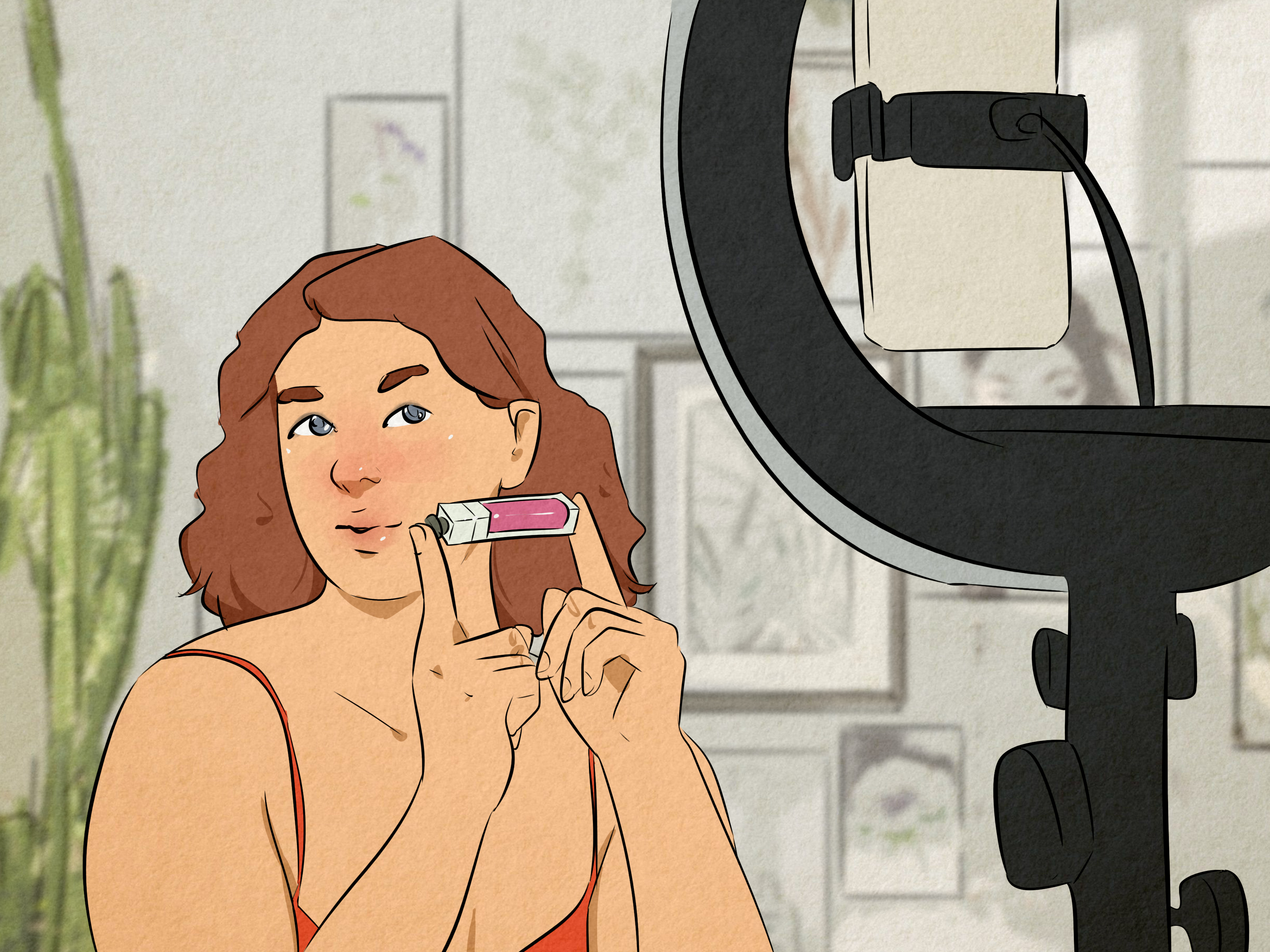
You can start with a smartphone, a tripod, natural lighting, and a basic editing app. As you grow, consider adding a small ring light, wireless microphone, backdrop, product props, and cloud storage for organizing footage. You do not need to buy everything at once. Start lean and upgrade when your paid work justifies it.
For business organization, use a spreadsheet or project management tool to track pitches, brand contacts, deadlines, rates, invoices, and follow-ups. Many creators lose opportunities not because their content is bad, but because their inbox looks like a raccoon organized it during a power outage.
How Long Does It Take to Become a Paid UGC Creator?
Some creators land paid deals within a few weeks, while others take several months. The timeline depends on your niche, portfolio quality, outreach volume, communication skills, and consistency. A realistic beginner plan is to spend the first month learning, filming samples, and building your portfolio. In the second month, start pitching daily and applying for opportunities. By the third month, refine your offer based on feedback and focus on better-fit brands.
Consistency matters more than luck. Sending five thoughtful pitches per week for three months is more effective than sending 100 generic messages in one caffeine-fueled evening and then disappearing. Build a system you can maintain.
of Real-World Experience: What Starting as a UGC Creator Actually Feels Like
The most surprising part of becoming a UGC creator is that the job feels awkward before it feels professional. Your first few videos may make you question every facial expression you have ever made. You will film a product demo, watch it back, and suddenly become aware of your hands as if they are unpaid extras in a documentary. This is normal. Everyone starts somewhere, and most creators improve quickly once they stop judging every frame like a film professor with a grudge.
One useful experience is to treat your first month as a practice sprint. Pick five products around your house and create five different videos for each one. Make one review, one tutorial, one problem-solution clip, one aesthetic lifestyle video, and one voiceover ad. By the end, you will understand what comes naturally to you. Maybe you are great at warm, face-to-camera testimonials. Maybe your strength is clean product shots and voiceovers. Maybe you discover that unboxing videos are your personal villain origin story. Good. That information helps you position yourself.
Another lesson: brands care about clarity more than perfection. A beginner might spend hours making transitions look fancy, but a brand manager is often asking simpler questions. Can viewers understand the product? Is the benefit obvious? Does the creator look believable? Is the lighting decent? Does the video feel native to TikTok, Reels, or Shorts? A slightly imperfect video with a strong hook and clear message can be more valuable than a polished video that says nothing.
Outreach also teaches humility. You may send 30 pitches and hear nothing. That does not mean you are terrible. It may mean the brand has no budget, your pitch was too broad, the contact is wrong, or the timing is off. Improve one variable at a time. Try a better subject line. Personalize the first sentence. Add two specific video ideas. Follow up after a week. Track everything so you can see patterns instead of relying on feelings, which are famously dramatic.
Working with your first brand is exciting, but it is also where professionalism matters most. Confirm the brief in writing. Ask about deadlines. Clarify whether the brand wants raw footage. Confirm usage rights. Send concepts before filming if needed. Deliver files in an organized folder. Name your files clearly. A brand should not receive “final_final_REALfinal2.mp4” like it is a cursed artifact.
Finally, remember that UGC is a skill stack. You are learning marketing, video production, sales, communication, negotiation, and client service. That can feel like a lot, but it also means there are many ways to improve. Better hooks can increase your value. Better lighting can improve your portfolio. Better pitches can increase replies. Better contracts can protect your income. Every small upgrade compounds.
The best experience advice is simple: start before you feel fully ready, but do not start carelessly. Practice with real products, study brand ads, build a clean portfolio, pitch consistently, and behave like a professional from the first conversation. You do not need viral fame to become a UGC creator. You need useful content, clear communication, and enough persistence to survive the silent inbox days.
Conclusion: Your UGC Creator Career Starts With One Useful Video
Learning how to become a UGC creator in just 6 steps is less about chasing internet fame and more about building a practical creative business. Start by understanding the business model, choosing a niche, learning the right content skills, building a simple portfolio, pitching brands, and delivering work professionally. Those six steps can take you from curious beginner to paid creator faster than you might think.
UGC works because people trust content that feels real. Brands need creators who can explain products in a human way, show benefits clearly, and make viewers think, “Oh, I can see myself using that.” If you can do that consistently, you have a valuable skill.
Start with what you already own. Film in good light. Write better hooks. Create sample videos. Send the pitch. Improve as you go. Your first UGC video may not be perfect, but it can be the beginning of a business that grows one project, one brand, and one slightly less awkward on-camera moment at a time.