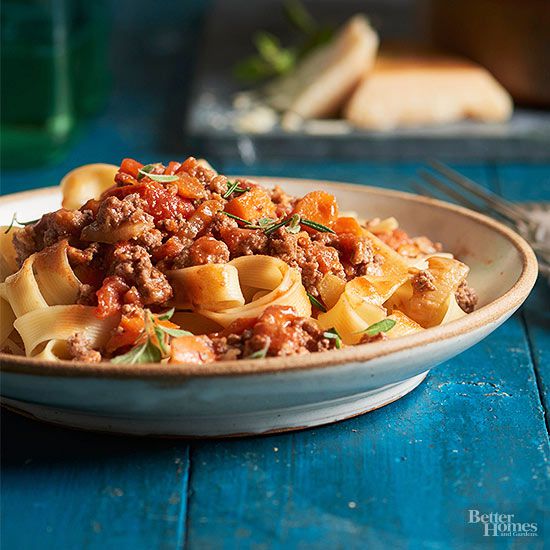
A great Bolognese recipe is not just “meat sauce with a nicer passport.” It is a slow-simmered, deeply savory ragù built from simple ingredients: meat, aromatic vegetables, wine, milk, tomato, and patience. Yes, patience is technically not found in the grocery aisle, but it is the ingredient most likely to turn a basic pan of ground beef into a sauce that tastes like it has been whispering secrets to an Italian grandmother all afternoon.
Traditional ragù alla Bolognese comes from Bologna, Italy, where it is typically richer, meatier, and less tomato-heavy than many American-style pasta sauces. The goal is not a bright red marinara with meat hiding in it. The goal is a thick, velvety meat sauce with layers of flavor: sweet onion, carrot, and celery; browned meat; gentle acidity from wine and tomatoes; and a round, silky finish from milk. This homemade Bolognese sauce is perfect for tagliatelle, pappardelle, rigatoni, lasagna, or the emergency spoonful you taste “just to check seasoning” eight times.
What Makes a Real Bolognese Recipe Special?
The magic of Bolognese sauce comes from balance. It is rich but not greasy, meaty but not dry, tomato-kissed but not tomato-drowned. Unlike a quick spaghetti sauce, Bolognese develops its flavor slowly. The vegetables soften until sweet, the meat browns until savory, the wine reduces until mellow, and the milk helps soften the texture of the meat while adding a subtle creaminess.
A good Bolognese recipe also respects the difference between sauce and ragù. A ragù is meat-forward. Tomatoes support the flavor, but they do not run the meeting. Think of tomato paste and crushed tomatoes as the backup singers. Important? Absolutely. The star? Still the meat.
Ingredients for the Best Bolognese Sauce
Main Ingredients
- 2 tablespoons olive oil
- 2 tablespoons unsalted butter
- 4 ounces pancetta, finely chopped
- 1 medium yellow onion, finely diced
- 1 medium carrot, finely diced
- 1 celery stalk, finely diced
- 3 cloves garlic, minced
- 1 pound ground beef, preferably 80/20 or 85/15
- 1/2 pound ground pork
- 2 tablespoons tomato paste
- 1 cup dry white wine or dry red wine
- 1 cup whole milk
- 1 can crushed tomatoes, 28 ounces
- 1 cup beef broth or chicken broth
- 1 bay leaf
- 1/4 teaspoon freshly grated nutmeg
- 1 teaspoon kosher salt, plus more to taste
- 1/2 teaspoon black pepper
- 1 pound tagliatelle, pappardelle, rigatoni, or fettuccine
- Freshly grated Parmesan cheese, for serving
Why These Ingredients Work
Pancetta adds salty, porky depth without making the sauce taste like bacon took over the house. Onion, carrot, and celery create the classic soffritto, a sweet and aromatic base. Ground beef and pork bring richness and tenderness. Beef gives structure; pork gives softness and flavor. Tomato paste adds concentrated umami, while crushed tomatoes add body without turning the sauce into marinara.
Wine brings acidity and depth. White wine keeps the flavor delicate and traditional; red wine makes the sauce slightly darker and bolder. Whole milk may sound surprising, but it is one of the quiet heroes of a proper Bolognese sauce. It helps mellow acidity and gives the meat a tender, rounded texture. Nutmeg adds warmth, but use it lightly. This is pasta sauce, not holiday eggnog.
How to Make Bolognese Sauce Step by Step
Step 1: Build the Soffritto
Place a large Dutch oven or heavy-bottomed pot over medium heat. Add the olive oil, butter, and chopped pancetta. Cook for 4 to 6 minutes, stirring often, until the pancetta begins to render its fat and turn lightly golden.
Add the onion, carrot, and celery. Cook for 8 to 10 minutes, stirring occasionally, until the vegetables soften and smell sweet. Do not rush this part. The soffritto is the foundation of the sauce. If it burns, the whole pot gets a bitter attitude.
Step 2: Brown the Meat Properly
Add the ground beef and ground pork to the pot. Break the meat apart with a wooden spoon and cook until it loses its raw color and begins to brown. This may take 10 to 12 minutes. Let some of the meat stick lightly to the bottom of the pot before stirring; those browned bits are flavor gold.
Season with salt and black pepper. Browning the meat well is one of the most important steps in any homemade Bolognese recipe. If the meat only steams, the sauce will taste flat. If it browns, it develops a deep, roasted flavor that makes people ask annoying questions like, “What’s your secret?”
Step 3: Add Tomato Paste
Stir in the tomato paste and cook for 2 to 3 minutes. The paste should darken slightly and coat the meat. Cooking tomato paste removes its raw edge and deepens its flavor. This small step makes a big difference, so do not just toss it in and sprint to the next ingredient.
Step 4: Deglaze with Wine
Pour in the wine and scrape the bottom of the pot to release the browned bits. Let the wine simmer until mostly reduced, about 5 to 7 minutes. The sharp alcohol smell should fade, leaving behind a richer, more rounded flavor.
Step 5: Add Milk and Simmer Gently
Pour in the whole milk and stir well. Let it simmer until mostly absorbed into the meat, about 8 to 10 minutes. This step gives Bolognese sauce its signature softness. The milk does not make the sauce taste milky; it makes the meat taste more luxurious.
Step 6: Add Tomatoes, Broth, and Seasonings
Add the crushed tomatoes, broth, bay leaf, and nutmeg. Stir everything together and bring the sauce to a gentle simmer. Reduce the heat to low. The surface should barely bubble, like it is thinking about simmering but does not want to be dramatic.
Step 7: Slow Simmer Until Rich and Thick
Simmer the Bolognese sauce uncovered or partially covered for 2 1/2 to 3 hours, stirring every 20 to 30 minutes. If the sauce becomes too thick before the meat is tender, add a splash of broth or water. If it looks too loose near the end, simmer uncovered until it thickens.
The final sauce should be rich, thick, and glossy. It should cling to pasta instead of sliding off like a bad idea. Taste and adjust the seasoning with more salt and pepper if needed. Remove the bay leaf before serving.
Best Pasta for Bolognese Sauce
Tagliatelle is the classic choice for Bolognese because its wide, flat shape holds the thick meat sauce beautifully. Pappardelle is another excellent option, especially if you want a restaurant-style presentation. Rigatoni also works well because the sauce hides inside the tubes, creating tiny pockets of happiness.
Spaghetti is popular in many American kitchens, and yes, it can be delicious with Bolognese. However, thin noodles do not hold the chunky sauce as effectively as wider pasta. If spaghetti is what you have, use it proudly. Dinner should be delicious, not a courtroom trial.
How to Serve Bolognese Like You Mean It
Cook the pasta until just al dente. Before draining, reserve 1 cup of pasta water. Add the drained pasta to a large skillet with enough Bolognese sauce to coat it generously. Toss over medium heat for 1 to 2 minutes, adding a splash of pasta water if needed to help the sauce cling.
Serve with freshly grated Parmesan cheese. Avoid pre-shredded cheese if possible because it often contains anti-caking agents that prevent smooth melting. A little fresh basil or parsley is fine, but Bolognese does not need much decoration. It is already wearing a very good outfit.
Tips for a Better Homemade Bolognese Recipe
Use a Heavy Pot
A Dutch oven or heavy-bottomed pot distributes heat evenly and helps prevent scorching during the long simmer. Thin pots can create hot spots, and hot spots are where sauces go to develop trust issues.
Chop the Vegetables Small
The onion, carrot, and celery should almost melt into the sauce. A fine dice gives you sweetness and body without large vegetable chunks competing with the meat.
Do Not Skip the Milk
Milk is one of the defining ingredients in many classic Bolognese recipes. It tenderizes the meat, softens acidity, and adds a subtle richness that cream cannot quite copy.
Simmer Low and Slow
Bolognese is not a rush job. A short simmer can still taste good, but a long simmer creates a deeper, silkier sauce. Plan for at least 2 1/2 hours if you want the flavor to fully develop.
Season Gradually
Pancetta, broth, and Parmesan all add salt. Start modestly, then adjust at the end. You can always add salt; removing it requires culinary wizardry and possibly a time machine.
Common Bolognese Mistakes to Avoid
Using too much tomato is the most common mistake. Bolognese should be a meat sauce, not a tomato sauce with a gym membership. Use tomatoes for balance, not domination.
Cooking the sauce too hot can make the meat tough and the sauce greasy. Keep the heat low and steady. The sauce should gently burble, not erupt like a pasta volcano.
Skipping the browning step leaves flavor behind. Properly browned meat gives the sauce its savory backbone. Take the time to let the meat develop color.
Serving sauce on top of naked pasta is another missed opportunity. Toss the pasta with the sauce before serving. This helps every strand or tube become fully coated and flavorful.
How to Store and Freeze Bolognese Sauce
Bolognese sauce is one of those glorious recipes that often tastes better the next day. Let the sauce cool, then store it in an airtight container in the refrigerator for up to 4 days. Reheat gently on the stovetop with a splash of broth, water, or milk to loosen it.
To freeze, place cooled sauce in freezer-safe containers or bags. Freeze for up to 3 months. For easier weeknight dinners, freeze it in smaller portions. Future you will be extremely grateful, especially on a Tuesday night when cooking energy is running at 7 percent.
Bolognese Recipe Variations
Classic Beef Bolognese
Use all ground beef if you prefer a simpler version. Choose beef with some fat, such as 80/20 or 85/15, for the best flavor and texture.
Extra-Rich Bolognese
Use a mix of beef, pork, and veal for a softer, more complex sauce. Add a splash of cream at the end if you want a richer finish.
Weeknight Bolognese
Short on time? Simmer the sauce for 45 to 60 minutes. It will not have the same slow-cooked depth, but it will still be far better than opening a jar and pretending it was the plan all along.
Spicy Bolognese
Add a pinch of crushed red pepper flakes with the tomato paste. This is not traditional, but it adds a gentle heat that works well for anyone who likes a little drama in the bowl.
What to Serve with Bolognese
Bolognese is hearty, so keep the sides simple. A crisp green salad with lemon vinaigrette balances the richness. Garlic bread is always welcome, although Italians may raise an eyebrow. Roasted broccoli, sautéed spinach, or grilled zucchini also make excellent partners.
For drinks, choose a medium-bodied red wine such as Chianti, Sangiovese, or Barbera. If you prefer white wine, a dry Pinot Grigio or Verdicchio can work nicely. For a nonalcoholic option, sparkling water with lemon keeps the meal bright and refreshing.
My Real-Life Experience Making Bolognese Sauce
The first time I made Bolognese, I treated it like regular meat sauce. I browned some ground beef, added a heroic amount of tomato sauce, threw in dried herbs like I was feeding a village, and called it dinner. Was it edible? Absolutely. Was it Bolognese? Not even close. It was more like spaghetti sauce wearing a fake mustache and trying to sneak into Bologna.
The breakthrough came when I slowed down. I learned that Bolognese rewards patience more than complexity. The ingredient list is not fancy, but the order matters. Cooking the pancetta first gives the sauce a savory base. Softening the onion, carrot, and celery gently creates sweetness. Browning the meat properly builds depth. Reducing the wine removes harshness. Adding milk changes the texture in a way that is hard to explain until you taste it.
One of the best practical lessons is to make Bolognese on a day when you are already home. It does not need constant attention, but it does need occasional stirring and tasting. I like to start it in the early afternoon on a weekend. The house slowly fills with the smell of browned meat, wine, and vegetables, which is basically the culinary version of a weighted blanket.
I have also learned not to panic when the sauce looks unimpressive in the first hour. Early-stage Bolognese can look a little loose, pale, or awkward. That is normal. Somewhere around the second hour, the sauce begins to transform. The color deepens, the fat and liquid come together, and the meat becomes tender. By the third hour, it turns glossy and rich, like it finally understood the assignment.
Another experience worth sharing: pasta shape matters more than people think. I once served Bolognese with angel hair because it was the only pasta in the pantry. The flavor was good, but the sauce and pasta behaved like strangers at a networking event. Wide noodles such as tagliatelle and pappardelle make the meal feel complete because the sauce has something sturdy to hold onto. Rigatoni is my favorite dried pasta option because the sauce gets inside the tubes, and every bite feels like a tiny reward.
Leftovers may be the best part of the whole process. The next day, Bolognese tastes deeper and more relaxed. I have used leftover sauce in lasagna, spooned it over polenta, baked it with rigatoni, and even tucked it into a toasted sandwich with mozzarella. None of these decisions were regretted. Bolognese is one of those recipes that makes you feel like you have a secret weapon in the refrigerator.
My biggest advice is to make more than you need. A proper Bolognese takes time, so doubling the batch is smart. Freeze half, label it clearly, and enjoy the smug satisfaction of knowing a future dinner is already halfway done. When life gets busy, pulling homemade Bolognese from the freezer feels like discovering money in an old coat pocket, except it tastes better with Parmesan.
Conclusion
A great Bolognese recipe is all about slow-building flavor. Start with pancetta and soffritto, brown the meat carefully, reduce the wine, soften everything with milk, and let the sauce simmer until thick and luxurious. The result is a homemade Bolognese sauce that tastes rich, comforting, and deeply satisfying without relying on complicated ingredients.
Serve it with tagliatelle, pappardelle, rigatoni, or your favorite pasta, and finish with freshly grated Parmesan. Whether you are cooking for Sunday dinner, meal prep, a cozy date night, or a family meal where silence at the table means everyone is too busy eating, this Bolognese sauce delivers. It is classic, flexible, freezer-friendly, and worth every minute of simmering.
Note: This article is written for web publication in standard American English and synthesizes established Bolognese cooking methods, including slow simmering, soffritto preparation, milk tenderizing, wine reduction, and proper pasta pairing.