Advertising an estate sale for free sounds a little like trying to throw a party without invitations, snacks, or a functioning doorbell. But here is the good news: you do not need a giant marketing budget to bring motivated buyers to your driveway, garage, living room, or carefully labeled dining table full of mystery teacups. With the right strategy, free estate sale advertising can attract collectors, resellers, neighbors, bargain hunters, decorators, vintage lovers, and the one person in town who has been waiting their whole life for a 1970s brass floor lamp.
An estate sale is different from a casual garage sale. Shoppers expect a larger selection, household goods, furniture, collectibles, tools, kitchenware, clothing, books, art, and sometimes higher-value items. That means your advertising needs to do more than say, “Stuff for sale Saturday.” It needs to build curiosity, explain what is available, make the logistics clear, and give people a reason to show up early.
This guide breaks down how to advertise an estate sale for free in seven practical steps. You will learn where to post, what to write, how to use photos, when to share your address, how to promote locally, and how to create a simple follow-up plan for unsold items. No paid ads required. No marketing degree necessary. Just a phone, a little planning, and the willingness to take 42 photos of a china cabinet from slightly different angles.
Step 1: Prepare the Sale Details Before You Post Anywhere
Before you advertise an estate sale, gather every detail a shopper needs to make a decision quickly. People browsing free listings are usually scanning fast. If your post is missing the date, time, general location, or item highlights, they may move on faster than someone spotting a “sold” sticker on a vintage record player.
Start with the basics: sale dates, opening and closing times, city, neighborhood, parking notes, payment methods, and whether buyers need to bring help for large furniture. If you are not comfortable sharing the full address right away, list the neighborhood or nearest major cross streets, then release the exact address closer to the sale date. Many estate sale organizers do this to reduce early visitors, protect privacy, and avoid people knocking on the door before the sale begins.
Create a simple inventory summary
You do not need to catalog every spoon, socket wrench, or holiday candle. Instead, group items into categories. For example:
- Furniture: dining table, bedroom set, bookshelves, side tables, recliners
- Kitchen: cookware, small appliances, dishes, glassware, baking tools
- Collectibles: vintage toys, records, coins, stamps, advertising signs, figurines
- Home décor: artwork, mirrors, lamps, rugs, baskets, seasonal decorations
- Garage and outdoor: tools, lawn equipment, planters, storage bins
- Books, clothing, linens, craft supplies, electronics, office items
Clear categories help search engines and marketplace algorithms understand your listing. They also help buyers decide whether your sale is worth adding to their Saturday route. Estate sale shoppers often plan several stops in one morning, so make your sale sound organized, useful, and worth the drive.
Step 2: Take Photos That Make People Stop Scrolling
Photos are the engine of free estate sale advertising. A listing with dim, blurry photos of crowded rooms may technically show what is for sale, but it does not create desire. A listing with bright, clear photos of the best items says, “There are treasures here, and they are not buried under three laundry baskets.”
Take photos during the day if possible. Open curtains, turn on lights, and remove distracting clutter from the frame. Photograph the most attractive or valuable categories first: furniture, artwork, vintage goods, jewelry displays, tools, electronics, collectibles, and large appliances. Wide room shots are useful, but close-up photos sell the story. If a brand name, maker’s mark, condition detail, or unique feature matters, photograph it.
Photo tips for better free promotion
Use horizontal and vertical shots so your images look good on different platforms. Take one wide photo of each room or area, then several close-ups of standout items. Avoid uploading 30 photos of the same couch unless the couch is secretly famous. Instead, show variety. Buyers want to know whether the sale is worth their time, and variety tells them there is more to discover.
For estate sale advertising, your first image matters most. Choose a strong lead photo that includes multiple desirable items or one attention-grabbing piece. A beautiful dining set, a wall of tools, a shelf of vintage glassware, or a neatly staged living room can perform better than a random box labeled “misc.” The box may contain treasure, but online shoppers are not psychic.
Step 3: Write a Free Estate Sale Listing That Sounds Helpful, Not Hypey
Your listing description should be clear, searchable, and specific. Avoid shouting in all caps unless you want the post to sound like it was written by a yard sign having a stressful morning. Instead, use natural keywords such as “estate sale,” “moving sale,” “vintage furniture,” “household items,” “collectibles,” “tools,” “antiques,” and your city or neighborhood.
A good estate sale ad answers three questions: What is for sale? When is it happening? Why should someone come?
Sample estate sale listing template
Here is a simple structure you can adapt:
Title: Estate Sale This Weekend in [Neighborhood] – Furniture, Tools, Kitchenware, Vintage Finds
Description: Join us for a large estate sale in [City/Neighborhood] on [Date] from [Start Time] to [End Time]. Items include solid wood furniture, kitchenware, small appliances, books, home décor, vintage collectibles, garage tools, linens, lamps, artwork, and more. Everything is priced to sell, and new items may be added as we continue organizing. Please bring help for loading large pieces. Cash preferred. Address will be posted [the night before/the morning of the sale]. No early sales, please.
This format works because it is direct, searchable, and respectful. It gives buyers useful information without turning the listing into a novel. Save the emotional backstory for private conversations; the ad should focus on helping shoppers plan their visit.
Step 4: Post on Free Online Marketplaces and Local Platforms
Once your details, photos, and description are ready, spread the listing across several free channels. Do not rely on one platform. Different shoppers search in different places. Some people check Craigslist like it is still 2008 and they are proud of it. Others browse Facebook Marketplace, local Facebook groups, Nextdoor, or map-based yard sale sites.
Best free places to advertise an estate sale
Craigslist: Craigslist remains useful for local sale listings because many bargain hunters still search by city and category. Post in the garage sale or general for-sale area if available in your region. Use a clear title with your city, dates, and top item categories.
Facebook Marketplace and local Facebook groups: Facebook is one of the most powerful free tools for promoting an estate sale. Create a Marketplace listing for the sale itself, then share it into neighborhood buy/sell groups, community groups, vintage groups, parent groups, and local bargain groups where rules allow. Always read group guidelines first. Some groups allow estate sale posts only on certain days or require specific formatting.
Nextdoor: Nextdoor can work well because it reaches people near the sale location. Local shoppers are more likely to stop by if the sale is only a few blocks away. Keep the tone neighborly, include photos, and mention practical details like parking, entry rules, and sale hours.
Free yard sale directories: Sites such as Yard Sale Search, Garage Sale Finder, Gsalr, and Yard Sale Treasure Map can help shoppers find your sale on a map. These platforms are especially useful because serious weekend sale shoppers often plan routes based on location.
Google Business Profile posts: If you are an estate sale company, reseller, or local organizer with a Google Business Profile, create a free event or update post. This can help people who search your business name or local service area see the upcoming sale details directly on Google Search or Maps.
Community boards: Libraries, grocery stores, senior centers, churches, coffee shops, and community centers may have free bulletin boards. A simple flyer can still work, especially for local buyers who are not glued to online marketplaces. Yes, paper still exists. It is doing its best.
Step 5: Promote the Sale Locally With Free Signs and Word of Mouth
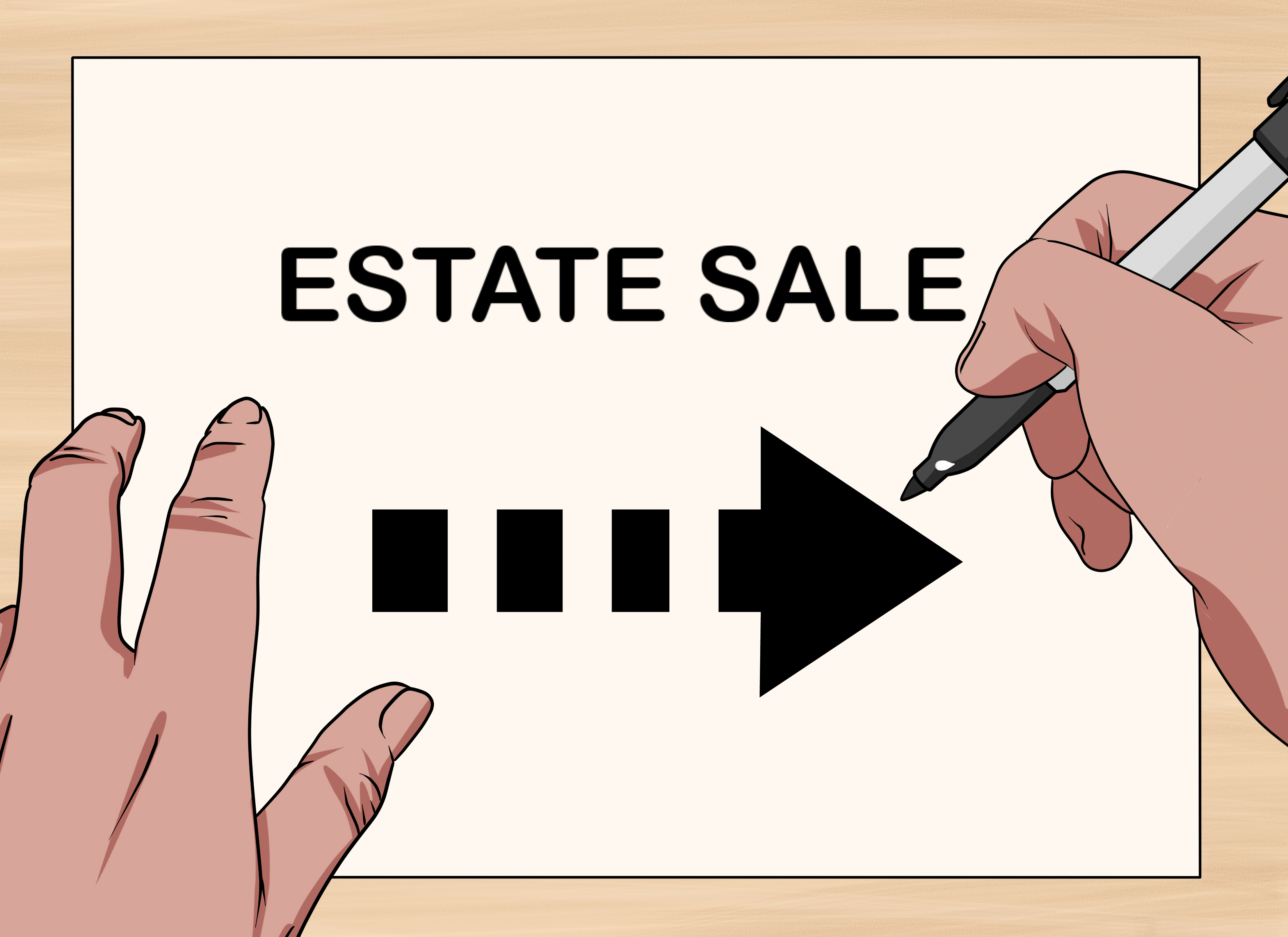
Free online advertising is powerful, but estate sales are local events. A shopper driving through the neighborhood may never see your Facebook post, but they will see a bright sign with an arrow. Signs are the offline equivalent of a search result, except wind, rain, and confused drivers are involved.
Before placing signs, check local rules, HOA guidelines, or city ordinances. Some areas restrict temporary signs on utility poles, medians, or public rights-of-way. Place signs only where allowed and remove them immediately after the sale. A forgotten estate sale sign from three weeks ago is not marketing; it is litter with a backstory.
What to put on estate sale signs
Keep signs simple. Drivers have only a few seconds to read them. Use large lettering and high contrast. Include:
- “Estate Sale”
- Date and time
- Street name or address if appropriate
- Directional arrow
Do not cram a full inventory list onto a roadside sign. Nobody is reading “mid-century dresser, Pyrex, fishing rods, holiday wreaths” while turning left at a four-way stop. Save item details for online listings and flyers.
Word of mouth is another free tool that works surprisingly well. Tell neighbors, friends, coworkers, local clubs, antique dealers, thrift shoppers, real estate agents, senior move managers, and anyone who might know buyers. Ask people to share the listing. A single share into the right local group can bring more traffic than a perfectly polished post sitting quietly in the wrong place.
Step 6: Time Your Advertising for Maximum Visibility
Timing matters. Post too early and people forget. Post too late and they already made plans. For most estate sales, begin advertising about five to seven days before the event. Then refresh or repost reminders two or three days before the sale and again the evening before or early morning of the first day.
If you are using platforms that allow updates, add fresh photos as you organize more items. A second wave of photos can revive interest and show that the sale is larger than originally advertised. For example, your first post may highlight furniture and kitchenware, while the follow-up post features tools, books, records, and garden items.
Suggested free promotion schedule
7 days before: Publish the main listing on Craigslist, Facebook Marketplace, free yard sale directories, and Nextdoor. Share with local groups where permitted.
3 days before: Add more photos, update item categories, and repost reminders in groups that allow it.
1 day before: Confirm the address, parking notes, payment methods, and sale rules. Share the final reminder.
Sale morning: Post a short update such as “Estate sale starts at 8 a.m. today. Furniture, tools, kitchenware, vintage décor, books, and household items available.” Add clear directional signs if allowed.
Final day: Promote discounts or bundle deals if you are reducing prices. Phrases like “final day,” “priced to move,” and “many items still available” can bring late shoppers.
Step 7: Use Sale-Day Updates and After-Sale Follow-Up
Your advertising should not stop when the doors open. Sale-day updates can bring extra traffic, especially if you still have strong items available after the first rush. Post a quick photo album around midday showing what remains. Be honest. If the dining table sold, do not keep using it as your main photo. Shoppers appreciate accurate information, and accurate posts reduce repetitive messages.
On the final day, promote remaining categories rather than individual low-value items. For example, write: “Final day estate sale: books, kitchenware, tools, holiday décor, lamps, office supplies, and small furniture still available. Many prices reduced.” This sounds more appealing than “Please come buy the rest of this stuff before we all lose hope.”
What to do with unsold items
After the sale, use free platforms again to move leftovers. List larger pieces individually on Facebook Marketplace, Craigslist, Nextdoor, or OfferUp. Group smaller items into lots, such as “box of craft supplies,” “kitchen bundle,” “holiday décor lot,” or “garage tools bundle.” Bundling saves time and attracts buyers who like a deal.
You can also offer free pickup for items you simply need gone, but be careful with scheduling and privacy. For safety, avoid sharing unnecessary personal information, communicate through the platform when possible, and use common sense when arranging pickups. For large estate sale items that must be collected from the property, have another person present and set clear pickup windows.
Free Estate Sale Advertising Checklist
Use this checklist before publishing your estate sale ads:
- Confirm sale dates, times, location, and parking details.
- Decide when to release the exact address.
- Take bright photos of top items and room views.
- Write a clear title with “estate sale,” city, dates, and item highlights.
- Post on Craigslist, Facebook Marketplace, local groups, Nextdoor, and free yard sale directories.
- Create flyers for approved community boards.
- Prepare simple directional signs if local rules allow them.
- Refresh listings before the sale and on the final day.
- Plan how to advertise leftover items after the event.
Common Mistakes to Avoid When Advertising an Estate Sale for Free
Using vague titles
“Big Sale Saturday” does not tell shoppers enough. “Estate Sale Saturday in Oak Park – Furniture, Tools, Vintage Décor” is much stronger because it includes the event type, timing, location, and item categories.
Posting poor photos
Dark photos make good items look forgotten. Take a few extra minutes to clean surfaces, improve lighting, and show items clearly. You are not photographing a museum catalog, but you are trying to make people care.
Forgetting rules and logistics
If parking is limited, say so. If buyers must bring loading help, say so. If you accept cash only, say so. Clear rules prevent confusion and make the sale feel more professional.
Posting once and disappearing
Free advertising works best when it is active. Update posts, answer questions, add photos, and share reminders. A listing that looks fresh usually performs better than one that appears abandoned.
Real-World Experience: What Actually Helps Bring Buyers In
One of the biggest lessons from estate sale advertising is that buyers do not all come from the same place. The early-bird collectors may find you through estate sale directories or Facebook groups. Neighbors may see your post on Nextdoor or notice a sign at the entrance to the subdivision. Casual bargain hunters may stumble across the listing on Craigslist. A reseller may show up because your photos included vintage electronics, tools, or name-brand furniture. That is why free advertising should be layered rather than limited to one platform.
Another practical experience: photos of “ordinary” items can perform better than expected when they are organized. A messy garage looks like work. A neat photo of labeled tool tables looks like opportunity. A crowded kitchen counter looks overwhelming. A staged image of cookware, small appliances, and clean dish sets looks useful. Presentation does not require fancy staging; it requires showing buyers that they can browse without needing a treasure map and a tetanus shot.
Clear communication also makes a noticeable difference. When a listing says “No early sales,” “address posted Friday evening,” “cash preferred,” and “bring help for large items,” it sets expectations before people arrive. This reduces awkward conversations and keeps the sale moving. Estate sale shoppers are often experienced. They appreciate details and usually respect rules when those rules are stated plainly.
Pricing language matters too. You do not need to list every price in the ad, but phrases like “priced to sell,” “bundle deals available,” or “discounts on final day” can encourage people to visit. Be careful not to promise extreme bargains if you are pricing antiques or collectibles closer to market value. The goal is to attract the right buyers, not create a stampede of disappointed bargain hunters looking for a ten-dollar grandfather clock.
One overlooked tactic is the “second post.” Many sellers make one listing, then wait. A better approach is to post the first announcement with your strongest photos, then publish an update two or three days later with new images and additional categories. This gives people another reason to notice the sale. It also shows that more inventory is being uncovered as the home is organized, which is common in estate sales.
Finally, the final day should have its own mini advertising plan. Many shoppers love last-day deals. If your goal is to clear the house, post a morning update with remaining categories and any discount structure. For example, “Final day estate sale, 9 a.m. to 2 p.m. Many household items reduced. Furniture, books, kitchenware, garage items, lamps, and décor still available.” This message is simple, honest, and useful. It may bring the exact buyers you need: people with empty trunks and heroic levels of optimism.
The best free estate sale advertising feels organized, local, and real. You are not trying to sound like a national retailer. You are trying to help nearby people understand what is available, where to go, and why the sale is worth their time. Do that well, and your free ads can work harder than many paid promotions.
Conclusion
Learning how to advertise an estate sale for free is mostly about clarity, consistency, and smart distribution. Prepare your details first, take strong photos, write a searchable listing, post across multiple free platforms, use local signs where allowed, refresh your ads at the right times, and keep promoting during the sale. The more useful your information is, the easier it is for buyers to say, “Yes, this one is worth visiting.”
You do not need a paid ad budget to create turnout. You need a sale that looks organized, listings that answer common questions, and photos that make people curious. When you combine online exposure with local promotion and timely updates, your estate sale has a much better chance of attracting serious shoppers, moving more items, and turning a house full of belongings into a successful event.