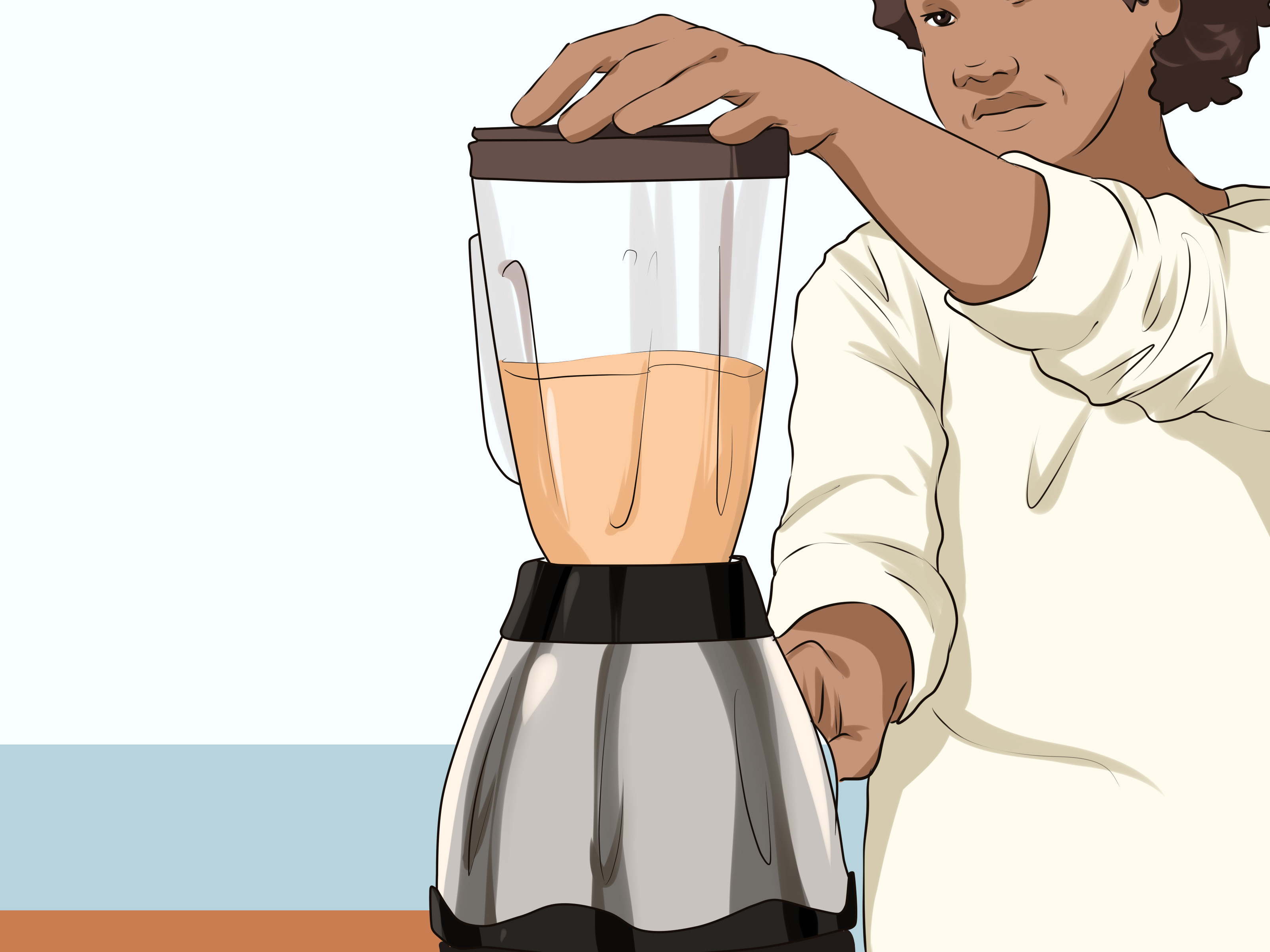
A scoop of protein powder and water may technically qualify as a shake, but it can feel less like a satisfying meal and more like something assembled during a minor kitchen emergency. Adding carbohydrates can transform that thin protein drink into a useful source of workout fuel, recovery nutrition, or extra calories.
The best carbohydrate source depends on why you are drinking the shake. A banana may be ideal after a morning run, oats can turn it into breakfast, and a small amount of honey may provide easily digested energy before a demanding workout. The goal is not to dump random sugar into the blender until the mixture resembles melted birthday cake. It is to choose an appropriate amount and type of carbohydrate for your needs.
Why Add Carbohydrates to a Protein Shake?
Carbohydrates are broken down into glucose, which the body can use immediately for energy or store as glycogen in the muscles and liver. Protein supports the maintenance and repair of body tissues, including muscle. Combining the two can be especially practical around exercise because the carbohydrates help replace energy while the protein supplies amino acids needed for recovery.
Adding carbs can also make a protein shake more filling and nutritionally complete. This is useful when the shake serves as breakfast, a portable meal, or a calorie-dense snack for someone trying to gain weight. However, more carbohydrates are not automatically better. Your ideal amount depends on your total diet, training volume, body size, medical needs, and whether the shake is a snack or a complete meal.
Quick Guide to Carb Sources for Protein Shakes
The following values are approximate. Fruit size, product formulation, and serving measurements vary, so check the Nutrition Facts label when accurate carbohydrate tracking matters.
| Carbohydrate source | Typical portion | Approximate carbs | Best use |
|---|---|---|---|
| Banana | 1 medium | 25–30 grams | Post-workout shakes and creamy texture |
| Rolled oats | 1/2 cup dry | 25–30 grams | Breakfast and meal-replacement shakes |
| Dairy milk | 1 cup | About 12 grams | Easy carbs, protein, and fluid |
| Frozen berries | 1 cup | 15–20 grams | Fiber, flavor, and moderate carbs |
| Medjool dates | 2 dates | 35–40 grams | Higher-energy shakes |
| Honey or maple syrup | 1 tablespoon | 15–18 grams | Fast, low-volume carbohydrate |
| Cooked rice | 1/2 cup | 20–25 grams | Low-fiber workout or weight-gain shakes |
| Cooked sweet potato | 1/2 cup | 18–22 grams | Thick, meal-style shakes |
How to Add Carbs to Your Protein Shake in 10 Steps
Step 1: Decide What the Shake Needs to Accomplish
Begin with the purpose of the shake rather than the ingredient cabinet. A light snack may need only 15 to 25 grams of added carbohydrate. A post-workout shake after strenuous training might contain 25 to 50 grams, depending on the workout and the rest of your meal plan. A meal-replacement or weight-gain shake may require 50 grams or more.
These are practical starting ranges, not universal prescriptions. A 20-minute walk does not create the same fueling demand as a two-hour cycling session. Likewise, a person drinking the shake next to a full dinner probably needs less than someone using it as the entire meal.
Step 2: Count the Carbs Already in Your Base Shake
Protein powder is not always carbohydrate-free. Some products contain only a few grams per serving, while meal-replacement powders and mass gainers can contain considerably more. Milk, yogurt, soy beverages, and oat beverages also contribute carbohydrates.
Read the serving size and the “Total Carbohydrate” line on each label. Do not look only at sugar because total carbohydrate also includes starch and fiber. If your protein powder has 5 grams and your milk has 12 grams, your shake already contains approximately 17 grams before you add fruit, oats, or sweeteners.
Step 3: Choose Whole-Food Carbs for Everyday Nutrition
For a routine breakfast or snack, start with minimally processed foods such as fruit, oats, cooked sweet potato, pumpkin, or plain dairy products. These ingredients provide carbohydrates along with varying amounts of fiber, vitamins, minerals, and beneficial plant compounds.
Bananas are popular because they blend smoothly and disguise the slightly chalky personality of certain protein powders. Berries add tartness and color. Oats create a thicker, more filling shake. Cooked sweet potato works surprisingly well with vanilla protein, cinnamon, and a pinch of salt. It tastes like pie’s more responsible cousin.
Step 4: Use Faster-Digesting Carbs When the Timing Calls for Them
A large serving of oats, seeds, and fibrous fruit may feel heavy immediately before intense exercise. When you need energy close to a workout, a smaller amount of easily digested carbohydrate may be more comfortable. Options include ripe banana, applesauce, dates, fruit juice, honey, maple syrup, or cooked white rice.
Faster-digesting does not mean “healthy forever in unlimited quantities.” Honey and syrup are added sugars, so use them strategically rather than treating the blender like a pancake. They are most useful when you need extra carbohydrate without substantially increasing the shake’s volume or fiber.
Step 5: Select the Right Liquid
Your liquid can quietly change the shake’s carbohydrate content. Water and most unsweetened almond beverages add very little. Dairy milk supplies natural milk sugar along with protein and minerals. Soy milk varies by brand, while oat beverages are often higher in carbohydrates. Fruit juice can add a large dose quickly but may also make the shake sweeter than expected.
For moderate carbs, try half milk and half water. For a higher-carb recovery shake, use milk or a fortified soy beverage with fruit. For a lower-carb base that gives you greater control, use water or an unsweetened plant beverage and add a measured carbohydrate source separately.
Step 6: Add the Carbohydrate Gradually
It is easier to add more banana or oats than to remove them from a completed shake. Begin with half your planned amount, blend, and evaluate the texture. Then add the rest as needed.
This approach is especially important with oats, cooked rice, and sweet potato. A modest portion can produce a pleasantly thick smoothie; too much can produce protein-flavored wallpaper paste. When using dates, remove the pits and soak firm dates briefly in warm water if your blender is not particularly powerful.
Step 7: Balance Fiber, Fat, and Digestive Comfort
Fiber is valuable for general nutrition and fullness, but suddenly placing oats, berries, chia seeds, nut butter, and half a vegetable garden into one shake may cause bloating. Fat from nuts, seeds, avocado, or nut butter can also slow digestion and increase calories.
That combination may be excellent for a meal-replacement shake consumed several hours before exercise. It may be less comfortable 30 minutes before sprint intervals. Use lower-fiber, lower-fat ingredients when rapid digestion matters, and save heavier combinations for breakfast, between-meal snacks, or post-workout meals when there is no rush.
Step 8: Blend Ingredients in the Correct Order
Add liquid first so the blender blades can move freely. Next, add soft ingredients such as yogurt, banana, applesauce, or cooked sweet potato. Follow with protein powder and dry oats. Add frozen fruit and ice last.
Blend for 30 to 60 seconds, pause, scrape the sides if necessary, and blend again. For a smoother oatmeal shake, grind the oats into a powder before adding the other ingredients. Never place uncooked rice or untreated raw flour into a shake. Use fully cooked rice, cooked potato, or products specifically intended for ready-to-eat use.
Step 9: Adjust Flavor Without Accidentally Doubling the Sugar
Carbohydrate-rich ingredients often add sweetness, so taste the shake before adding syrup. A ripe banana, flavored protein powder, sweetened milk, and honey can produce far more sugar than intended.
Use cinnamon, unsweetened cocoa, vanilla extract, instant coffee, ginger, or a small pinch of salt to improve flavor without adding many carbohydrates. Frozen berries or tart cherries can balance an overly sweet vanilla powder. If the shake tastes flat, acidity may help; a little lemon juice can brighten berry-based combinations.
Step 10: Track How the Shake Affects You
Drink the same basic recipe several times before making major conclusions. Note your energy, hunger, workout comfort, recovery, and digestion. If you feel hungry an hour later, add oats, fruit, or a little healthy fat. If the shake sits heavily before exercise, reduce the portion, fiber, or fat. If it provides more calories than you need, reduce calorie-dense additions such as dates, syrups, juice, and nut butter.
People with diabetes or other conditions affecting blood glucose should pay particular attention to total carbohydrate and serving size. Fruit, milk, oats, honey, and juice all contribute carbs, even when they are marketed as natural. A registered dietitian or qualified healthcare professional can help determine an appropriate amount for individual medical needs.
Four Easy High-Carb Protein Shake Formulas
1. Simple Post-Workout Banana Shake
- 1 scoop vanilla or unflavored protein powder
- 1 medium banana
- 1 cup dairy or fortified soy milk
- 1/2 cup ice
- Cinnamon to taste
This combination provides protein, fluid, and a moderate amount of carbohydrate without requiring a breakfast buffet to be fed through the blender.
2. Oatmeal Breakfast Protein Shake
- 1 scoop protein powder
- 1/2 cup rolled oats
- 1 cup milk or an unsweetened plant beverage
- 1/2 banana
- 1 tablespoon peanut butter
- Cinnamon and ice
Grind the oats first for a smoother texture. Because this shake includes fiber and fat, it is better as a meal or as fuel consumed well before training.
3. Fast-Digesting Recovery Shake
- 1 scoop protein powder
- 1 cup milk
- 1/2 cup applesauce
- 1 tablespoon honey
- Ice as needed
This option packs carbohydrates into a relatively small volume. It may suit athletes who have little appetite after prolonged or strenuous exercise.
4. Dairy-Free Berry and Date Shake
- 1 scoop plant-based protein powder
- 1 cup fortified soy beverage
- 1 cup frozen berries
- 1 or 2 pitted dates
- Water or ice to adjust thickness
Check the protein powder and beverage labels because carbohydrate and protein levels vary considerably among plant-based products.
Common Mistakes to Avoid
The most common mistake is adding several carbohydrate sources without calculating the total. A banana, oats, milk, dates, and honey can be appropriate for a weight-gain shake, but excessive for a small snack. Another mistake is assuming that every workout requires aggressive refueling. Short or easy sessions may not demand a large high-carb shake, especially when regular meals already provide sufficient energy.
Do not ignore liquid calories, serving sizes, or added sugars. Avoid copying an influencer’s shake without considering differences in body size, training, health goals, and total calorie needs. Finally, remember that a shake should support a balanced diet, not replace every food that requires chewing.
Practical Experience: What Works in Real-World Shake Making
Real-world protein shake preparation usually involves more trial and error than the glossy blender photographs suggest. One of the first lessons is that the best carbohydrate ingredient on paper is not necessarily the best ingredient at 6:15 a.m. A full serving of oats may provide useful energy and fiber, but it can also turn a rushed shake into a thick mixture that requires a spoon, patience, and possibly structural engineering. Grinding the oats first or starting with one-quarter cup usually produces a more drinkable result.
Bananas are the most forgiving option for beginners. They improve sweetness, texture, and carbohydrate content in one step. Freezing peeled banana pieces makes the shake colder and creamier without requiring much ice. The downside is that banana can dominate delicate flavors. Chocolate, vanilla, coffee, cinnamon, and peanut butter generally work well with it, while citrus-flavored powders may produce a combination that tastes like two unrelated breakfasts arguing in the same glass.
Dates are effective when additional calories are needed, but blender strength matters. In lower-powered machines, chunks can settle at the bottom and provide a surprise chewing exercise. Soaking dates for five to ten minutes and cutting them in half helps. The same principle applies to cooked rice: it can create an exceptionally smooth, neutral high-carb shake when blended thoroughly, but cold clumps need enough liquid and blending time.
Another recurring lesson is to match the shake to the clock. A thick oat, peanut butter, and berry shake can be satisfying as breakfast three hours before training. Consuming the same mixture immediately before running may lead to an uncomfortable demonstration of why digestion deserves respect. Closer to exercise, smaller shakes made with banana, applesauce, milk, juice, or a modest amount of honey are often easier to tolerate.
Post-workout appetite also varies. Some people can eat a complete meal immediately, while others find solid food unappealing. In the second situation, a protein shake with fruit and milk can bridge the gap until a normal meal is possible. The shake does not need to become a laboratory project. Protein powder, one measured carbohydrate source, a suitable liquid, and perhaps one flavor ingredient are usually enough.
Consistency improves when ingredients are prepared in advance. Portion oats into small containers, freeze sliced bananas, remove date pits before storing, and keep cooked sweet potato or rice refrigerated in meal-sized portions. Preassembled freezer bags containing fruit and oats can turn shake preparation into a two-minute job. Protein powder is better added at blending time so it does not coat the frozen ingredients or become difficult to measure.
The final practical lesson is to change one variable at a time. When a shake causes bloating, reducing the oats, fruit, sweeteners, milk, and protein powder simultaneously makes it impossible to identify the issue. Keep the base recipe stable, then adjust one ingredient or portion. A successful high-carb protein shake should fit your energy needs, taste good enough to drink voluntarily, and leave your stomach calm. Nutrition may involve science, but breakfast should not feel like a chemistry final.