Every once in a while, a news story arrives wearing clown shoes, carrying a clipboard, and asking society to please check the definition of “adult supervision.” The Cocoa Beach, Florida house party case involving more than 100 juveniles at a school principal’s home is one of those stories. It has nearly every ingredient of a viral headline: teenagers, alcohol, police lights, bodycam footage, angry neighbors, school district fallout, courtroom consequences, and the public asking the same question in 14 different tones: How can these adults be so stupid?
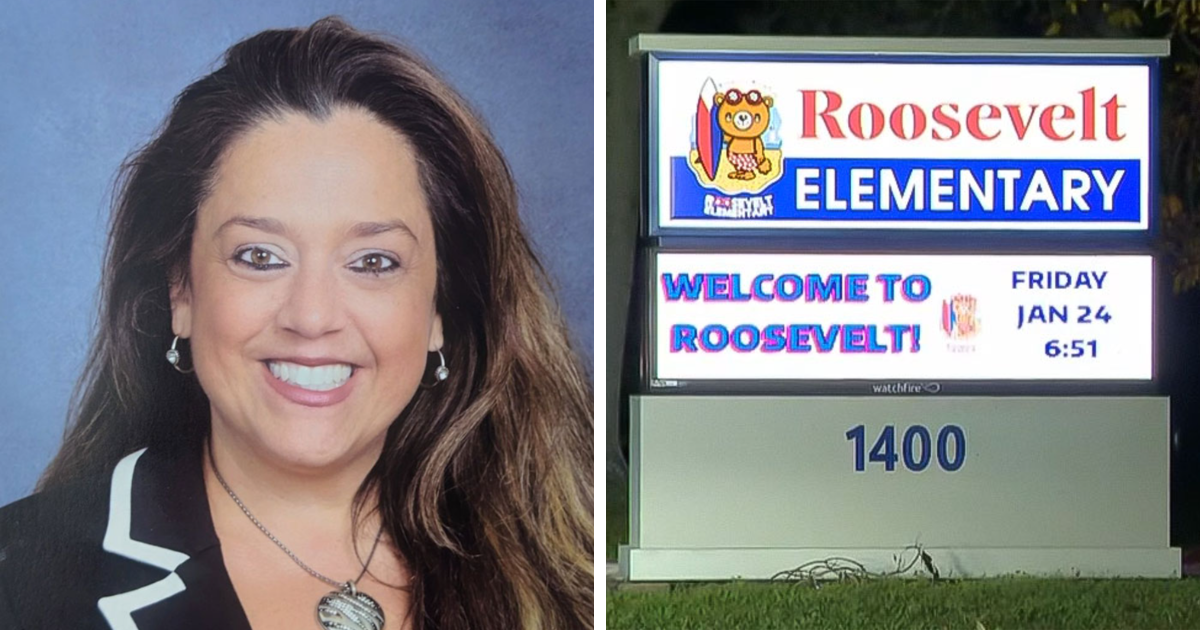
According to law enforcement and multiple news reports, the party happened on January 19, 2025, at the home of Elizabeth Hill-Brodigan, who was then principal of Roosevelt Elementary School in Cocoa Beach. Police said they responded to reports of a large house party and found more than 100 juveniles at the residence, many wearing matching shirts and some allegedly drinking alcohol from coolers at the home. One juvenile reportedly required medical attention after becoming heavily intoxicated. Another educator, Karly Anderson, a teacher connected to the same school district, was also at the scene.
The story did not stay local for long. It became a national “wait, what?” moment because the alleged setting was not a random beach rental, a college apartment, or a teenager’s secret basement operation. It was the home of a school leader someone the community expected to model judgment, boundaries, and basic common sense. That contrast is why the story hit so hard. It was not just a party. It was a collapse of adult responsibility in surround sound.
What Happened At The Principal’s House?
Police said officers arrived at a Cocoa Beach home after reports of a large party. What they found, according to investigators, was a crowd of juveniles and an environment that appeared to include underage drinking. Reports described alcohol being available in coolers and a large group of teenagers moving through or around the residence. The gathering has been described in reports as a “white lie party,” a theme where guests often wear white shirts with jokes or messages written on them.
In many homes, a teenager inviting “a few friends” can become an accidental stampede with sneakers. But this was not a harmless pizza-night miscalculation. The number of kids reportedly climbed above 100. When a gathering reaches that size, it stops being a “party” and starts becoming a logistical event. You need parking control, medical awareness, crowd supervision, and a plan for what happens if somebody gets hurt. In this case, police and emergency responders became the plan.
Reports said one teenager was found outside and needed treatment because of intoxication. That detail changes the tone immediately. A loud party is annoying. A teenager requiring medical care is serious. Underage drinking is not a quirky coming-of-age movie scene when someone’s safety is on the line. The moment a young person needs emergency help, the adults present are no longer dealing with noise complaints. They are dealing with potential harm, legal liability, and a giant flashing sign that says, “This should never have been allowed to happen.”
Who Were The Adults Involved?
Elizabeth Hill-Brodigan was identified as the homeowner and, at the time, principal of Roosevelt Elementary School. Reports said she was later charged in connection with the party, including counts related to hosting an open house party and contributing to the delinquency of minors. In February 2026, she entered a no contest plea to misdemeanor counts and was sentenced to two years of supervised probation. Prosecutors said the probation included restrictions such as no unsupervised contact with minors and no house parties involving alcohol or marijuana.
Karly Anderson, another educator connected to the district, was also involved in the case. Her charges changed over time. Reports said felony child neglect allegations were dropped, and she later faced misdemeanor charges connected to her conduct at the scene. In May 2025, a jury found Anderson guilty of disorderly intoxication and resisting an officer without violence. She was sentenced to probation, community service, and required to pay costs connected to the police investigation.
The legal outcomes matter because they separate viral outrage from documented consequence. Social media can scream for punishment in capital letters, but courts deal in charges, pleas, evidence, statutes, and sentencing. Still, even when a case ends without jail time, the public conversation remains important. A school principal’s home becoming the setting for a massive underage party is not merely a private mistake. It affects trust.
Why This Story Made People So Angry
The public reaction was intense because educators occupy a special position in community life. Parents send children to school expecting the adults in charge to understand safety, discipline, and boundaries. Teachers and principals do not have to be perfect robots who alphabetize their socks and drink only room-temperature water. They are human beings. But the expectation is not perfection. It is judgment.
A principal is not just another adult in the neighborhood. A principal is the person who signs off on school rules, speaks at assemblies, manages behavior standards, and tells students why choices have consequences. When someone in that role is connected to a situation involving alleged underage drinking at a massive teen party, the hypocrisy is difficult to ignore. It is like a fire marshal hosting a candle-juggling convention in a hay barn.
People were also upset because the story seemed preventable. A party with over 100 kids does not appear out of thin air like a weather event. There are cars, noise, texts, social media chatter, drinks, movement, and neighbors noticing something is very wrong. Responsible adults do not need a legal degree to know that minors and alcohol are a dangerous mix. They need a working door lock, a phone, and the courage to say, “No, this is over.”
The Legal Problem With Underage House Parties
Underage house parties can create serious legal exposure for homeowners and adults who allow them to happen. Many states, including Florida, have laws that address open house parties where minors consume alcohol or controlled substances. These laws are designed to prevent adults from turning private homes into unsupervised danger zones for teenagers.
The issue is not simply whether an adult personally handed a drink to a minor. In many cases, the legal concern can include whether the adult knew or should have known what was happening, whether alcohol was accessible, whether the adult failed to stop the gathering, and whether minors were harmed or placed at risk. In plain English: “I did not personally pour the drink” may not magically erase responsibility if your house looks like a teen nightclub with worse lighting.
For parents and guardians, this case is a reminder that “supervised party” is not a magic phrase. Supervision requires actual control. That means knowing who is there, what is available, whether guests are safe, and how to end the event before it turns into an emergency. Supervision is not standing nearby while chaos builds a small kingdom in your driveway.
Why Teen Parties Can Spiral So Quickly
Teen gatherings can grow at frightening speed because communication is instant. One person posts a location. Another shares it. Someone adds a group chat. Suddenly, “just friends” becomes friends, friends of friends, cousins, exes, classmates, random acquaintances, and at least one kid nobody can identify but who somehow brought a speaker the size of a washing machine.
Once a crowd gets large, social pressure can take over. Teenagers may make riskier choices when they think everyone else is doing the same thing. Noise rises, emotions rise, dares appear, and good judgment quietly leaves through the side gate. Add alcohol, and the risk multiplies. Impaired teens are more likely to get hurt, make unsafe decisions, argue, wander off, drive, or become unable to help themselves.
That is why adult responsibility matters so much. Teenagers are still developing impulse control and risk assessment. Adults are supposed to be the guardrails. When the guardrails decide to become party decorations, everyone is in trouble.
The School Trust Factor
Schools run on trust. Parents trust teachers with their children. Students trust adults to be fair and safe. Communities trust administrators to make decisions that put kids first. A scandal like this damages that trust because it blurs the line between school authority and private misconduct.
Even though reports indicate the party involved teenagers rather than elementary students, Hill-Brodigan’s role as an elementary school principal still shaped public reaction. The question was not whether the party happened on campus. It was whether someone trusted with educational leadership showed the judgment expected of that position.
School districts often respond to such incidents with administrative leave, investigations, personnel reviews, and public statements. These steps are not just about optics. They are about reassuring families that adults who work with children are held to standards beyond “technically off the clock.” In education, off-duty behavior can become on-duty concern when it involves child safety, criminal charges, or community trust.
The Viral Headline Versus The Real Lesson
The headline is easy to laugh at because it sounds absurd. A principal’s house. More than 100 kids. Alcohol. Police. Court. Probation. It reads like the plot of a teenage comedy written by someone who has never met a responsible adult. But underneath the viral shock is a serious lesson: adults cannot outsource accountability to teenagers.
Teens will test limits. That is not breaking news; it is practically a job requirement of adolescence. Adults are supposed to set those limits clearly and enforce them consistently. When an adult allows the line to disappear, the result can be dangerous. The party becomes bigger than the house, bigger than the host, and eventually big enough for police reports and courtrooms.
The smarter takeaway is not “kids these days.” It is “adults, please do your jobs.” Young people need boundaries that are firm without being cruel, honest without being dramatic, and consistent without turning every weekend into a courtroom simulation. They need adults who can be friendly without trying to be friends.
What Parents Can Learn From The Cocoa Beach Party Case
1. A Teen Party Needs A Guest List, Not A Vibe
If parents allow a teen gathering, the guest list should be clear, limited, and verified. “People from school” is not a guest list. It is a weather forecast for chaos. Parents should know who is coming, how they are getting home, and whether other parents know where their children are.
2. Alcohol Must Be Completely Off The Table
There is no safe version of “just a little” underage drinking at a house party. Once alcohol appears, supervision becomes harder, liability increases, and the chance of medical emergencies grows. The safest adult policy is simple: no alcohol, no exceptions, no wink-wink nonsense.
3. End The Party Early If Control Is Slipping
Adults sometimes hesitate to shut down a party because they do not want to embarrass their child or look strict. But embarrassment is cheaper than an ambulance, a criminal charge, or a headline. If the crowd is too large, people are intoxicated, or guests are refusing to leave, the party is already over. The only question is whether the adult ends it responsibly or waits for police to do it.
4. Being “The Cool Adult” Is A Terrible Leadership Strategy
Teenagers do not need adults to compete for popularity. They need adults to be adults. The “cool adult” fantasy often comes with blurry boundaries and bad decisions. Real respect comes from consistency, safety, and honesty not from letting a house become a minor-friendly chaos festival.
What Schools Can Learn From This Incident
Schools should treat incidents like this as opportunities to review professional conduct policies, communication procedures, and community expectations. Educators need clear guidance on how off-campus behavior can affect employment when minors are involved. Staff should understand that their professional identity does not vanish the moment they leave school property.
Districts can also use these situations to reinforce parent education. Many families underestimate how quickly parties can grow or how serious social host laws can be. A short annual reminder about underage drinking, guest limits, emergency response, and digital invitations could prevent a lot of trouble. Nobody needs a 90-page manual titled “How Not To Accidentally Host Coachella For Minors.” But a practical checklist would help.
Students, too, need honest conversations. Scare tactics rarely work by themselves. Teens are more likely to listen when adults explain real consequences clearly: health risks, legal trouble, school discipline, damaged reputations, unsafe rides, and the possibility that one bad night can follow people much longer than expected.
Experiences And Real-Life Reflections: Why Adult Judgment Matters At Teen Gatherings
Anyone who has spent time around teenagers knows a gathering can change shape fast. A parent may imagine a harmless Saturday night: a few kids, snacks on the counter, music at a reasonable volume, everyone gone by 10:30. Then reality walks in wearing muddy shoes. One friend brings two friends. Someone posts the address. A parent upstairs thinks things are fine because the kitchen still has chips. Meanwhile, the driveway looks like a used-car lot and the living room has developed its own government.
The Cocoa Beach case feels extreme, but the pattern behind it is familiar. Adults sometimes convince themselves they can “manage” a teen party by being relaxed. They think strict rules will push kids away or make them sneakier. There is some truth in the need for open communication, but openness is not the same as permission. A responsible adult can be approachable and still say, “No alcohol, no unknown guests, and if the plan changes, the party ends.”
Many parents have heard the argument: “At least they are doing it at home where it is safe.” That sentence sounds reasonable until you inspect it with the lights on. A home is not automatically safe just because an adult owns it. Safety requires active supervision, boundaries, sober decision-making, and a plan. If minors are drinking, fighting, getting sick, or leaving without safe transportation, the home setting has not prevented danger. It has simply moved the danger indoors.
The best adult experiences with teen gatherings usually share a few boring but effective features. The parents know the guests. The doors are monitored. The rules are explained before the first person arrives. Food and nonalcoholic drinks are available. Bedrooms and private areas are off-limits. The adult checks in without hovering like a security drone. Most importantly, the adult is willing to be unpopular for five minutes to prevent a disaster that could last years.
There is also a lesson for teens: when a party feels out of control, leaving is not “lame.” It is smart. If people are intoxicated, emergency responders show up, adults are arguing with police, or nobody seems to know who is in charge, that is not a legendary night. That is a warning label with music. Calling a trusted adult for a ride may feel awkward, but it is far better than becoming part of a police report.
For educators, the lesson is even sharper. Working with children is not just a job title; it comes with a public expectation of care. A teacher or principal does not need to live like a monk in a cardigan, but they do need to avoid situations where minors are placed at risk. When the adults in the room are school professionals, the community expects them to recognize danger sooner, not later.
In the end, this story is not only about one wild party. It is about the fragile line between trust and betrayal. Parents trust other adults with their children because society depends on that trust. When that trust is damaged, people react strongly because they imagine their own child in the crowd, on the lawn, or in the ambulance. That is why the question “How can these adults be so stupid?” resonates. It is not just an insult. It is a demand for better judgment from the people who should have known better.
Conclusion
The Cocoa Beach principal house party case became viral because it was outrageous, but it remains important because it reveals a common problem: adults sometimes underestimate the speed, scale, and danger of teen gatherings. More than 100 juveniles at a home connected to a school leader was not a minor lapse in judgment. It was a serious failure of supervision with real legal and professional consequences.
The lesson is simple enough to fit on a refrigerator magnet: kids need boundaries, and adults need backbone. Hosting or tolerating an underage party is not kindness, trust, or cool parenting. It is risk wrapped in bad judgment. A safe home is not defined by who owns it. It is defined by the decisions made inside it.