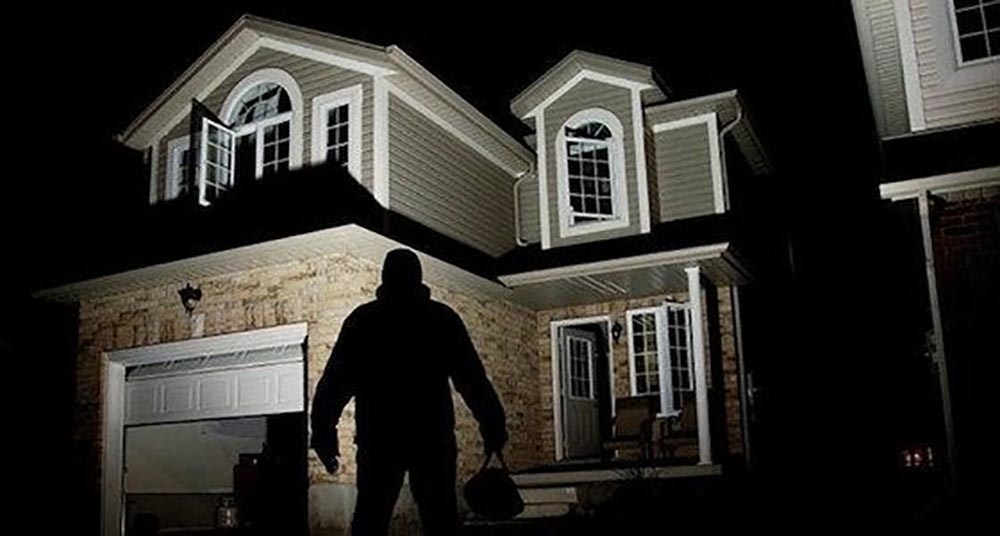
Home security does not have to feel like you are building a secret bunker under a volcano. For most households, the goal is much simpler: make your home harder to enter, easier to monitor, safer during emergencies, and less tempting to opportunistic troublemakers. Think of it as giving your house a polite but firm personality: “Nice try, buddy. Move along.”
A strong home security plan combines physical protection, smart habits, safety alarms, digital privacy, and common-sense routines. Locks matter. Lighting matters. Cameras can help. So can neighbors, smoke alarms, carbon monoxide detectors, and not posting vacation photos while your living room is sitting there alone like an unattended buffet.
This complete beginner’s guide breaks down the basics of home security in plain American English. Whether you live in a house, apartment, condo, townhouse, or rental, the principles are the same: reduce easy access, improve visibility, prepare for emergencies, and build routines you will actually follow.
What Home Security Really Means
Home security is more than stopping burglary. It includes protecting your family, pets, property, identity, deliveries, vehicles, and digital devices. A burglar alarm is useful, but it is only one part of the bigger picture. True home security answers several questions at once:
- Can someone easily enter through a door, window, garage, or side gate?
- Would an intruder be seen, heard, recorded, or slowed down?
- Would you know quickly if something went wrong?
- Are your smoke alarms, carbon monoxide alarms, and escape plans ready?
- Are your smart cameras, Wi-Fi, and apps secure from hackers?
- Do your daily habits support safety, or quietly sabotage it?
The best home security strategy is layered. One lock is good. A quality lock, reinforced door frame, motion light, visible camera, trimmed landscaping, alarm sensor, and alert neighbor are better. Security works best when each layer buys time, creates attention, or removes opportunity.
Start With a Home Security Walkthrough
Before buying gadgets, walk around your home like a friendly detective. Start at the curb. Can you see valuable items through the windows? Are shrubs hiding the front porch? Is the side gate unlocked? Are ladders, tools, or patio furniture available to help someone reach a window? If your home accidentally offers an intruder a full tool kit and a privacy hedge, it is time for a weekend project.
Check every entrance: front door, back door, garage door, sliding patio door, basement window, pet door, balcony door, and any shared building entry. Look for loose locks, weak strike plates, hollow doors, dark corners, broken lights, and windows that do not latch securely. The goal is not paranoia; it is prevention.
Secure Doors First
Most home security basics begin with doors because doors are obvious entry points. A strong door should have a reliable deadbolt, a solid frame, secure hinges, and a reinforced strike plate. A fancy lock on a weak frame is like putting a bank vault handle on a cereal box.
Use Quality Deadbolts
Install deadbolt locks on exterior doors, including the door between your garage and home. Look for durable, well-rated hardware suitable for residential security. Many experts recommend paying attention to ANSI or BHMA lock grades, with higher-rated locks offering stronger performance against wear and forced entry.
Reinforce the Door Frame
The strike plate is the metal piece where the deadbolt enters the frame. Replace short screws with longer screws that reach the wall stud. Consider a reinforced strike plate or door reinforcement kit for front, back, and garage-entry doors. This small upgrade can make forced entry much more difficult.
Do Not Forget Sliding Doors
Sliding glass doors need special attention. Use the built-in lock, but add a security bar, track blocker, or pin lock. Also make sure the door cannot be lifted easily out of its track. Sliding doors are beautiful, bright, and sometimes a little too cooperative with people who were not invited.
Make Windows Harder to Exploit
Windows should close fully, latch properly, and stay protected without turning your home into a medieval fortress. Ground-floor windows, basement windows, and windows near flat roofs, fences, or trees deserve extra attention.
Use working window locks, auxiliary locks, sash stops, or security pins where appropriate. Window sensors can alert you when a window opens, while glass-break sensors can detect the sound or vibration of breaking glass. For vulnerable windows, consider security film, laminated glass, or reinforced screens. And yes, lock the windows before leaving. “I only ran out for five minutes” is a classic phrase spoken by people who later wish they had spent six seconds checking the latch.
Improve Outdoor Lighting
Good lighting is one of the simplest home security upgrades. Motion-activated lights near doors, garages, driveways, walkways, and side yards can remove hiding spots and draw attention to movement. Place lights high enough that they are hard to tamper with, and aim them so they illuminate useful areas without blasting your neighbor’s bedroom like a stadium at kickoff.
Use timers or smart bulbs indoors when you are away. A few lights turning on and off can make the home look occupied. Keep exterior bulbs working, clean fixtures regularly, and consider solar lights for paths or dark corners where wiring is inconvenient.
Use Landscaping as a Security Tool
Landscaping can either help your home security or quietly work for the other team. Overgrown shrubs near windows and doors create cover. Low-hanging branches can help someone reach an upper window. Tall fences may improve privacy but can also hide activity from the street.
Trim shrubs below window height, raise tree canopies where needed, and keep entry points visible. Thorny plants under vulnerable windows can add a natural deterrent, though they should be used carefully so they do not block emergency exits. Keep gates locked, secure sheds, and store ladders and tools indoors or in locked areas.
Choose the Right Home Security System
A home security system can be professionally installed, DIY, professionally monitored, self-monitored, or a hybrid. The right choice depends on your budget, comfort with technology, household schedule, and risk level.
Basic Security System Components
Most systems include a control panel or hub, door and window sensors, motion detectors, a siren, mobile alerts, and optional cameras. Some systems include glass-break sensors, smoke and carbon monoxide monitoring, water leak sensors, panic buttons, smart locks, and environmental alerts.
Professional Monitoring vs. Self-Monitoring
Professional monitoring means a monitoring center can respond to alerts and contact emergency services when needed. Self-monitoring means alerts go directly to you through an app, text, or email. Professional monitoring usually costs more, but it can be helpful if you travel, sleep through phone alerts, or want backup when you are unavailable. Self-monitoring can save money, but only if someone actually responds quickly. An ignored alert is just a tiny digital scream into the void.
DIY vs. Professional Installation
DIY systems are flexible and often renter-friendly. They are useful for apartments, small homes, and people who like setting things up themselves. Professional installation may be better for larger homes, complex wiring, multiple entrances, or households that prefer expert placement and setup. Either way, test the system regularly and make sure everyone in the home knows how to use it.
Use Cameras Wisely
Security cameras and video doorbells can help monitor entrances, deliveries, driveways, side yards, and detached garages. They are especially useful when they capture clear footage of faces, packages, vehicles, and approach paths. However, cameras work best as part of a larger plan, not as magical crime-repelling eyeballs.
Place cameras at main entrances, but also think about side doors, back doors, and garage areas. Avoid pointing cameras into neighbors’ private spaces. Keep cameras high enough to reduce tampering, but low enough to capture useful details. Enable motion zones if available so you are not notified every time a squirrel performs interpretive dance on your porch.
Secure Smart Home Devices
Smart home security adds convenience, but internet-connected devices need digital protection. Change default usernames and passwords immediately. Use strong, unique passwords for security apps and cloud accounts. Turn on two-factor authentication whenever available. Keep firmware and apps updated. Secure your home Wi-Fi with WPA2 or WPA3 encryption, and avoid reusing passwords across accounts.
Before buying cameras, smart locks, or voice assistants, check whether the company provides security updates, encryption, privacy controls, and account protection. If a device no longer receives updates, consider replacing it. A smart camera should protect your home, not audition for the role of “unwanted livestream.”
Protect the Garage
Garages are often overlooked, which is exactly why they matter. Lock the door from the garage into the house with a deadbolt. Keep the main garage door closed, even when you are home. Do not leave garage-door remotes visible inside vehicles parked outside. If your opener has a vacation lock or automatic close feature, learn how to use it.
Store tools, bikes, lawn equipment, and ladders securely. If your garage has windows, cover them or use frosted film so people cannot easily see what is inside. Add a sensor to the garage door if your security system supports it.
Do Not Ignore Fire and Carbon Monoxide Safety
Home security is not only about intruders. Fire and carbon monoxide are serious household risks, and prevention starts with alarms that work. Install smoke alarms inside bedrooms, outside sleeping areas, and on every level of the home. Interconnected alarms are ideal because when one sounds, they all sound. Test alarms monthly and replace smoke alarms according to manufacturer instructions, commonly every 10 years.
Install carbon monoxide alarms outside sleeping areas and on every level of the home. Test them monthly, replace batteries as recommended, and replace devices when they reach the end of their service life. Keep generators outdoors and away from windows, doors, and vents. Have heating systems, chimneys, and fuel-burning appliances inspected as recommended. Carbon monoxide is colorless and odorless, which makes a working alarm non-negotiable.
Create a Family Emergency Plan
A safe home needs a plan, not just products. Create a fire escape plan with two ways out of every room when possible. Choose a meeting place outside. Practice the plan at least twice a year, including at night. Make sure children, older adults, guests, and people with mobility needs understand what to do.
Also plan for break-ins, medical emergencies, severe weather, and power outages. Keep flashlights, backup batteries, first-aid supplies, emergency contacts, and important documents accessible. Teach children how and when to call 911. Adults should know how to shut off water, gas, and electricity when appropriate.
Protect Packages, Mail, and Personal Documents
Porch theft and identity theft are part of modern home security. Use delivery instructions, package lockers, secure delivery boxes, or signature requirements for valuable shipments. Bring packages inside quickly when possible. A video doorbell may help you monitor deliveries, but it does not replace a safe delivery plan.
Use a locking mailbox if mail theft is a concern. Shred documents with personal information before throwing them away. Store Social Security cards, passports, birth certificates, financial records, and backup drives in a secure place. Burglars often know where people hide valuables, so the bedroom drawer is not exactly a masterclass in secrecy.
Build Better Everyday Security Habits
Small habits do a lot of heavy lifting. Lock doors and windows before leaving or going to bed. Arm your security system even for quick errands. Keep spare keys out of obvious hiding spots. The fake rock has had a long career, and everyone knows it is on the team.
Do not announce travel plans publicly on social media. Pause mail or ask a trusted neighbor to collect it. Keep your lawn maintained while you are away. Use timers for lights. Let a trusted person know how to reach you in an emergency. When returning home, check for signs of forced entry before walking in.
Apartment and Rental Home Security Tips
Renters can improve security without major renovations. Use door jammers, portable locks, window alarms, battery-powered cameras where allowed, and removable smart lighting. Ask the landlord to repair broken locks, exterior lights, damaged gates, or unsecured common entrances. Review lease rules before installing cameras or smart locks.
In apartments, pay attention to shared spaces: parking areas, mailrooms, package rooms, stairwells, laundry rooms, and building entrances. Do not buzz in strangers just because they say they forgot their key. That may feel awkward, but awkward is cheaper than a stolen laptop.
How Much Should You Spend on Home Security?
You do not need to buy everything at once. Start with the highest-impact basics: quality locks, reinforced doors, working windows, outdoor lighting, smoke alarms, carbon monoxide alarms, and better routines. Then add sensors, cameras, smart locks, monitoring, and environmental detectors as your budget allows.
A practical starter plan might include reinforced exterior doors, window locks, motion lights, a video doorbell, door and window sensors, smoke alarms, CO alarms, and a locked mailbox. A more advanced plan may include professional monitoring, indoor and outdoor cameras, glass-break sensors, smart lighting, water leak detectors, cellular backup, and a home inventory for insurance purposes.
Common Home Security Mistakes to Avoid
- Buying cameras before fixing weak locks and doors.
- Leaving ladders, tools, or spare keys outside.
- Ignoring the garage and back door.
- Using default passwords on smart devices.
- Forgetting to test alarms and sensors.
- Letting bushes hide windows and entrances.
- Posting travel plans while away.
- Assuming a “safe neighborhood” means no precautions are needed.
Real-World Experiences: Lessons From Everyday Home Security
The most useful home security lessons often come from ordinary situations, not dramatic movie scenes with lasers and suspicious violin music. In real life, security problems usually begin with small gaps: a side door left unlocked, a dark driveway, a garage remote sitting in a car, or a camera that has not been updated since the era when everyone thought low-rise jeans were a great idea.
One common experience is the “quick errand mistake.” A homeowner leaves for ten minutes, does not lock the back door, and assumes nothing can happen in such a short time. But many thefts are crimes of opportunity. The person looking for an easy target does not need a long window of time. They need a quiet one. The lesson is simple: lock up every time, even when you are just grabbing milk, returning a library book, or rescuing dinner from the grocery store.
Another practical lesson involves outdoor lighting. Many people install a bright front porch light but forget the side yard, back gate, or garage walkway. Intruders rarely choose the most theatrical entrance. They prefer the darker, quieter, less visible spot. A few motion lights in overlooked areas can change the entire feel of a property. Suddenly the side gate is not a secret passage; it is a stage with terrible reviews.
Package security is another modern headache. A video doorbell may show you exactly who took the box, which is helpful, but it does not always bring the box back. The better routine is prevention: delivery lockers, package boxes, pickup points, scheduled deliveries, or asking a neighbor to grab important items. For high-value shipments, requiring a signature is less convenient but much less painful than filing a claim and muttering at your porch camera.
Families also learn quickly that a security system only works if people use it. If the alarm is too complicated, children, guests, or older relatives may avoid arming it. If false alarms happen too often, everyone starts ignoring alerts. The best system is not always the fanciest one; it is the one your household can operate consistently. Label the keypad instructions, set up user codes, practice using the app, and review what each alert means.
Smart devices bring their own lessons. A homeowner may install cameras and smart locks, then forget to change default passwords or enable two-factor authentication. That is like buying a stronger front door and leaving the digital window wide open. Good home security now includes cybersecurity basics: secure Wi-Fi, unique passwords, software updates, and careful app permissions.
Finally, real home security is easier when neighbors communicate. A trusted neighbor who notices a package sitting outside, a garage door left open, or an unfamiliar person checking doors can be more valuable than another gadget. Community awareness does not mean spying through curtains like a sitcom character. It means building a normal, helpful network where people look out for one another.
The big experience-based takeaway is this: home security is not one dramatic purchase. It is a routine. Walk the property, fix the obvious weaknesses, use your locks, test your alarms, protect your data, and make the home look cared for. Security improves when boring habits become automatic. Boring, in this case, is beautiful.
Conclusion
Home security does not require panic, perfection, or a control room full of blinking screens. It requires layers. Start with strong doors, reliable locks, secure windows, good lighting, trimmed landscaping, and working alarms. Add cameras, sensors, smart devices, and monitoring where they make sense. Protect your Wi-Fi and security apps with the same seriousness you give your front door. Then build daily habits that keep everything working.
The safest homes are not always the most expensive or high-tech. They are the homes where weak spots are fixed, routines are followed, alarms are tested, and people know what to do when something goes wrong. That is the heart of Home Security 101: make your home less inviting to trouble, more responsive in emergencies, and more comfortable for the people who belong there.