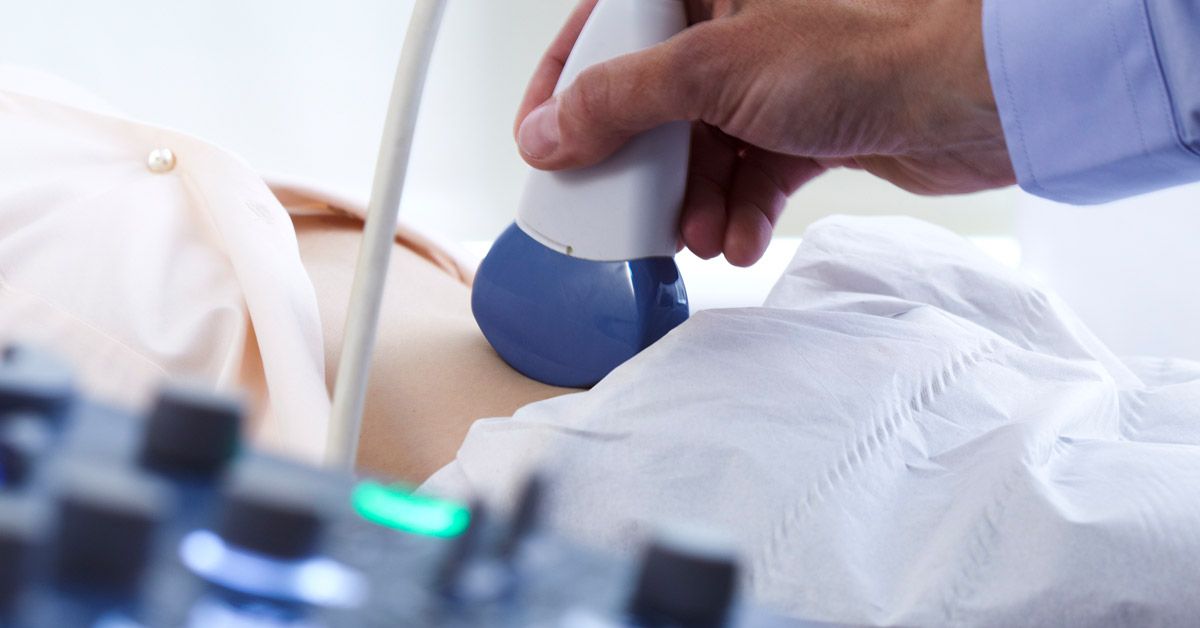
If your doctor ordered a gallbladder ultrasound, you’re probably wondering two things:
“Do I need to do anything weird beforehand?” and “Is this going to hurt?”
The good news: preparation is usually simple, and the test is typically quick, noninvasive, and painless.
The slightly annoying news: yes, you may need to fast (meaning your stomach gets a temporary no-snack zone).
This guide walks you through what a gallbladder ultrasound is, why it’s done, how to prepare (with specific
real-world tips), what happens during the exam, and what your results might meanwithout turning your day
into a medical scavenger hunt.
What a Gallbladder Ultrasound Is (and Why It’s So Common)
A gallbladder ultrasound uses sound waves to create images of your gallbladder and nearby structures,
often as part of an abdominal ultrasound exam. The gallbladder is a small organ tucked under the liver
that stores bile (a digestive fluid). When it’s unhappybecause of gallstones, inflammation, or blockage
it can cause symptoms that are hard to ignore.
Ultrasound is often the first imaging test doctors choose for suspected gallbladder problems because it’s
widely available, doesn’t use ionizing radiation, and is excellent at detecting gallstones in the gallbladder.
It can also provide clues about inflammation or blockage.
What the scan can look at
- Gallstones (including how they move and whether they cast a shadow on imaging)
- Gallbladder inflammation (signs like wall thickening or surrounding fluid)
- Bile ducts (whether they look widened, which can suggest a blockage)
- Sludge, polyps, or masses (less common, but still important to evaluate)
- Nearby organs (like liver and pancreas) if your exam includes a broader abdominal view
Why Your Doctor Ordered a Gallbladder Ultrasound
Most people don’t schedule a gallbladder ultrasound “for fun.” It’s usually ordered to evaluate symptoms
or abnormal lab results that suggest a problem in the biliary system (the gallbladder and bile ducts).
Common reasons include
- Right upper abdominal pain (especially after fatty meals)
- Nausea or vomiting that doesn’t have an obvious cause
- Fever with belly pain (your clinician may be checking for infection or inflammation)
- Jaundice (yellowing of skin/eyes), which can suggest bile flow obstruction
- Abnormal liver tests that hint at bile duct issues
- Follow-up for known gallstones or gallbladder findings
In many cases, the goal is to answer a straightforward question:
Is there something in (or around) the gallbladder that explains the symptoms?
How to Prepare for a Gallbladder Ultrasound
Preparation instructions can vary by facility and by what exactly your clinician ordered (gallbladder-only
vs. a more complete abdominal ultrasound). Always follow the directions you’re given. But in the U.S.,
the most common preparation for gallbladder evaluation is fasting for several hours so the gallbladder is
full and easier to see.
Fasting: the big one (and the “why” behind it)
After you eatespecially fatty foodsyour gallbladder squeezes bile into the digestive tract. That’s useful
for digestion, but not great for imaging. A contracted gallbladder can be harder to evaluate. Fasting helps
keep it distended (full), which can improve the clarity of the exam.
- Typical fasting window: often 8–12 hours for liver/gallbladder-focused abdominal ultrasound.
- Some centers use shorter fasting: commonly 6 hours, especially for targeted right upper quadrant exams.
- Water rules: many facilities allow small sips of water, but some ask for “nothing by mouth” except necessary meds.
Medication instructions (don’t freestyle this)
Many facilities allow you to take your regular medications with a small amount of water.
But don’t stop prescription meds unless your clinician specifically tells you to.
If you take medications that must be taken with food, ask your ordering clinician or imaging center
what they want you to do.
If you have diabetes or get low blood sugar easily
Fasting can be trickier if you use insulin or medications that lower blood sugar. Don’t guess.
Call the ordering clinician or the imaging center as soon as you can and ask for a plan. In real life,
this may include scheduling the exam early in the morning or adjusting meds the day of the test.
Avoid the sneaky “not food” foods
If you were told to fast, that usually means avoiding:
- Chewing gum or candy (it can stimulate digestion)
- Cream in coffee or “just a little” snack (your gallbladder will notice)
- Smoking or vaping right before the exam if your facility advises against it
What to wear and what to bring
- Wear comfortable, loose-fitting clothes. You may be asked to change into a gown.
- Bring your ID, insurance card, and any order paperwork if required.
- Arrive early (many imaging centers recommend arriving 15–30 minutes ahead).
Quick prep checklist
- Confirm your appointment time and fasting instructions.
- Stop eating when you’re supposed to (set a reminderfuture you will be grateful).
- Ask about water, coffee, and medications if unclear.
- Wear easy-to-change clothing and skip belly jewelry.
- Bring questionsyour anxiety deserves a to-do list too.
What to Expect During the Exam
A gallbladder ultrasound is usually performed by a sonographer (ultrasound technologist). The images
are then interpreted by a radiologist, who sends a report to the clinician who ordered the test.
Step-by-step: what actually happens
- Check-in: You’ll verify your identity and the exam type.
- Positioning: You’ll lie on an exam table, usually on your back.
- Gel time: The sonographer applies gel to your upper abdomen (often coldsorry).
- Probe movement: A handheld device called a transducer is pressed and moved over the area.
- Breath holds: You may be asked to take a deep breath and hold it briefly to improve the view.
- Different angles: You might be asked to roll slightly to your side.
How it feels
Most people describe it as mildly uncomfortable at worstmainly from pressure when the sonographer
presses to see deeper structures. The gel can feel cold and wet, but it won’t damage your skin or clothing.
There’s no needle and typically no sedation.
How long it takes
Many abdominal ultrasounds take around 20–30 minutes, but timing can vary based on whether
the exam is limited (focused on the gallbladder) or complete (evaluating multiple abdominal organs).
After the Ultrasound: What Happens Next
Once the images are captured, you’ll usually wipe off the gel, get dressed, and go about your day.
Most people can drive themselves home because ultrasounds typically don’t require sedation.
When will you get results?
The radiologist reviews the images and sends a report to your ordering clinician. Depending on the facility,
results may be available the same day or within a few days. Some systems also release reports to patient
portals, which can be helpfulbut can also be confusing without context (medical wording is… an acquired taste).
When to call your clinician sooner
If you have worsening pain, fever, persistent vomiting, or yellowing of the eyes/skin, contact your clinician
promptly or seek urgent carethose symptoms can signal complications that need faster evaluation.
Understanding Results: A Plain-English Decoder
Ultrasound reports can read like they were written by someone trying to win a “Most Vowels Per Sentence” award.
Here’s what some common findings may mean in everyday terms.
“No gallstones seen”
This means the radiologist didn’t see stones in the gallbladder. That’s reassuringbut it doesn’t automatically
explain your symptoms. Your clinician may look at other possible causes or order additional tests if symptoms persist.
“Cholelithiasis” (gallstones)
This means gallstones were seen. Gallstones are common and don’t always cause symptoms. If you have classic
episodes of pain after meals, gallstones may be the culprit. Your clinician will consider your symptoms, labs,
and ultrasound findings together.
“Gallbladder wall thickening” or “pericholecystic fluid”
These can be signs of inflammation, often discussed in the context of cholecystitis (gallbladder inflammation).
Your clinician will interpret this with symptoms (pain, fever) and lab findings.
“Sonographic Murphy sign”
This refers to tenderness when the probe presses over the gallbladder area. It can support inflammation when
combined with other findings, but it’s not a diagnosis by itself.
“Bile duct dilation” (widened ducts)
A widened bile duct can suggest a blockage, sometimes from a stone that moved out of the gallbladder and into
the duct. This may lead to follow-up imaging (like MRCP) or other evaluation, depending on symptoms and labs.
“Sludge” or “polyps”
Sludge is thickened bile that may be seen in certain situations and can be associated with symptoms in some people.
Polyps are small growths in the gallbladder that may be monitored depending on size and risk factors.
Your clinician will tell you whether follow-up imaging is needed.
If Ultrasound Doesn’t Answer the Question: Next Tests
Ultrasound is excellent for many gallbladder issues, but it’s not perfect. For example, it may not always
show small stones in the bile ducts, and some pain patterns can come from functional issues rather than visible stones.
Common “next step” tests your clinician may consider
- HIDA scan (nuclear medicine test that evaluates gallbladder function and bile flow)
- MRCP (a specialized MRI technique to visualize bile ducts)
- CT scan (helpful for complications or alternative diagnoses)
- Endoscopic ultrasound or ERCP (more specialized; used in select situations)
Which test comes next depends on your symptoms, labs, and the ultrasound resultsnot just what the internet
said at 2 a.m. (although we respect the effort).
Safety, Risks, and Comfort: The Practical Stuff
Diagnostic ultrasound does not use ionizing radiation. It’s generally considered safe when used appropriately
for medical evaluation. For most people, the biggest “risk” is mild discomfort from pressure or a cold gel surprise.
Can anything go wrong?
Serious complications from a standard abdominal ultrasound are rare. If you have significant abdominal tenderness,
the pressure can be uncomfortablebut the sonographer can usually adjust technique while still getting good images.
Cost and Insurance: What to Know Before the Bill Shows Up
Costs vary widely based on location, facility type (hospital vs. outpatient imaging center), and insurance coverage.
If your plan requires prior authorization, your ordering clinician’s office may handle itbut it’s smart to verify.
- Ask for the CPT code and estimated patient responsibility if you want a more accurate quote.
- Confirm whether the facility is in-network.
- If cost is a concern, ask whether an outpatient imaging center is an option (often less expensive than a hospital).
Questions to Ask (So You Don’t Leave With “Wait, what?”)
- How long should I fast, exactly? Is water allowed?
- Can I take my usual medications the morning of the test?
- Is this a focused gallbladder ultrasound or a complete abdominal ultrasound?
- When and how will I get results?
- If the ultrasound is normal, what’s the next step to explain my symptoms?
FAQ
Will a gallbladder ultrasound hurt?
It’s usually painless. You may feel pressure where the transducer pressesespecially if that area is already tender.
Can I drink water before the test?
Many facilities allow small sips of water, especially for medications, but instructions vary. Follow your facility’s directions.
Why do I have to fast?
Fasting helps keep your gallbladder full and reduces digestive activity that can make imaging harder.
Does ultrasound diagnose every gallbladder problem?
It’s excellent for many issuesespecially gallstones in the gallbladderbut some conditions may require additional tests.
Can I go back to normal activities afterward?
In most cases, yes. Unless your clinician gives special instructions, you can typically eat, drink, and resume your routine.
Conclusion
A gallbladder ultrasound is one of those medical appointments that sounds scarier than it usually is.
With a little preparationmost often fastingyou’re setting the stage for clearer images and more useful answers.
During the exam, expect gel, gentle pressure, and a few breathing instructions. Afterward, you can usually get right back
to life while the radiologist reviews your scan.
If your results show gallstones or signs of inflammation, your clinician will connect those findings with your symptoms
and labs to decide what happens next. And if the ultrasound is normal but you still feel awful, that’s not “the end”
it’s just a sign that a different test or diagnosis may be needed.
Bottom line: show up prepared, ask questions, and remember that you’re allowed to want both answers and snacks.
(Just not at the same timeat least not before the scan.)
Real-Life Experiences: What People Commonly Notice (and What Helps)
Even though a gallbladder ultrasound is a routine test, people’s experiences can varymostly because humans are
wonderfully diverse, and our bodies do not always follow the script. Here are a few common, experience-based themes
patients often share, plus practical ways to make the day smoother.
1) “The fasting was the hardest part”
For many people, the scan itself is easy, but the fasting window feels like it lasts three business days.
The most common surprise is not hungerit’s timing. Someone may realize too late that “no food after midnight”
means that late-night snack didn’t count as a “small exception.” If you’re prone to hangry decision-making,
setting a phone reminder (or taping a note to the fridge) can help you avoid accidental pre-test munching.
People who schedule early-morning appointments often report that fasting is easier because they’re asleep for
part of it. If your appointment is later in the day, it’s worth asking the facility if they can move you earlier.
2) “The gel was cold, but the rest was fine”
The gel is the most universally reviewed part of the experience. It’s the little jump-scare of imaging:
cold, slippery, and impossible to pretend you didn’t notice. After that, most people settle in quickly.
A helpful mindset shift is to treat the scan like a collaborationyour job is to stay as relaxed as possible,
and the sonographer’s job is to get clear images. If you’re anxious, saying so out loud can help. Sonographers
do this all day, and many are happy to explain what they’re doing in simple terms while they work.
3) “The pressure was uncomfortable where it already hurt”
If you’re having right upper abdominal pain, that area can be tender. Some people notice discomfort when the
transducer presses firmly to see deeper structures. This doesn’t mean anything “bad” is happening during the scan
it often just reflects the sensitivity that brought you in. A practical tip people find useful: tell the sonographer
where it hurts most before they start. They can often adjust their approach, use a slower technique, or take breaks.
Breath-holding instructions can also feel awkward at first. If you can’t hold your breath long, that’s okayjust
communicate, and they’ll work with you.
4) “Waiting for results was the most stressful part”
Many patients report that the anxiety spikes after the exam, not during itespecially if the report hits their portal
before they talk to their clinician. Medical phrasing can sound alarming even when the finding is common or mild.
One strategy: plan a short “decompression” activity after the appointment (a walk, a phone call with a friend, or a
meal you’ve been dreaming about during the fast). If you know you’ll read the report and spiral, consider waiting until
you can discuss it with your clinician. And if you do read it, write down your questions. People often feel better when
they turn vague worry into specific follow-ups like, “Do these gallstones explain my symptoms?” or “Do I need a HIDA scan?”
5) “I wish I’d known what to ask beforehand”
A common reflection is that patients want to be proactive but don’t know what’s useful. The best experience-based
advice is simple: ask about fasting specifics, medication instructions, and when results will be available. If you have
diabetes, a history of fainting when fasting, or you’re pregnant, bring it up early. Those details can meaningfully change
preparation and scheduling. Most people leave a gallbladder ultrasound thinking, “That was easier than I expected.”
The goal is to get you there tooprepared, informed, and ready to reclaim your normal routine.