For many people with heart failure, the phrase “watch your fluids” can feel a little like being told to avoid breathing too enthusiastically. Water is everywhere: in co that innocent-looking bowl of melon. Yet fluid management can be an important part of heart failure self-care when the body is retaining too much fluid.
The catch is that fluid restriction for heart failure is not a one-size-fits-all rule. Some people truly need a daily fluid limit because they have persistent congestion, advanced heart failure, kidney problems, or low blood sodium. Others with stable chronic heart failure may not benefit from strict restriction at all. The best plan is individualized, based on symptoms, medications, blood tests, kidney function, and the guidance of a heart failure care team.
Note: This article is for education only and is not a personal fluid prescription. Do not start, stop, tighten, or loosen a fluid restriction without speaking with your cardiologist, primary care clinician, or heart failure nurse.
Why Fluid Matters in Heart Failure
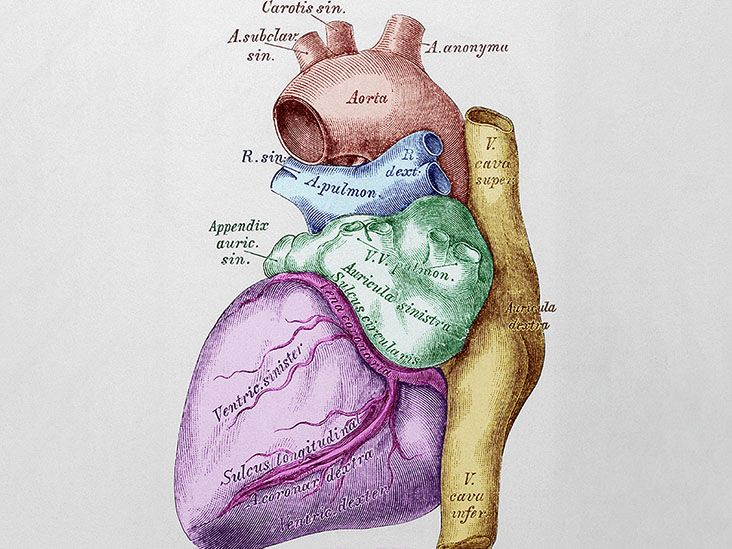
Heart failure does not mean the heart has stopped working. It means the heart is not pumping efficiently enough to meet the body’s needs. When blood does not move forward as effectively as it should, pressure can build up behind the heart. That backup can push fluid into the lungs, belly, legs, ankles, and feet.
This is often called congestion, fluid overload, or volume overload. It can lead to shortness of breath, swelling, rapid weight gain, fatigue, trouble lying flat, coughing at night, and a feeling that your shoes suddenly became surprisingly judgmental.
The kidneys are part of this story, too. When the kidneys sense reduced blood flow, they may hold on to sodium and water. Unfortunately, that response can make fluid buildup worse. Extra sodium encourages the body to retain more water, which is why salt intake and fluid intake are closely connected in heart failure management.
That does not mean every glass of water is the enemy. The goal is not dehydration. Your body still needs fluid for circulation, digestion, temperature control, medication absorption, and kidney function. The goal is balance: enough fluid to support normal body functions, but not so much that the heart and kidneys cannot keep up.
Does Everyone With Heart Failure Need Fluid Restriction?
No. This is one of the most important points to understand.
Many older heart failure handouts recommended a routine limit of about 1.5 to 2 liters of fluid per day. That equals roughly 50 to 68 ounces, or about six to eight standard 8-ounce cups. These limits are still commonly used in certain situations, but they are not automatically necessary for every person with heart failure.
A fluid restriction may be more likely to help when someone has:
- Persistent swelling, rapid weight gain, or worsening shortness of breath.
- Recent hospitalization for fluid overload or acute heart failure.
- Advanced heart failure with ongoing congestion.
- Low blood sodium, also called hyponatremia.
- Significant kidney disease or reduced ability to remove excess fluid.
- Diuretic resistance, meaning water pills are not working as effectively as expected.
On the other hand, a person with stable heart failure who feels well, has no swelling, has stable weight, and does not have low blood sodium may not need a strict daily cap. Some people are actually harmed by taking fluid restriction too far, especially if they become dizzy, dehydrated, weak, constipated, or unable to take medications comfortably.
Think of fluid restriction less like a permanent life sentence and more like a tool in a heart failure toolkit. Sometimes it is essential. Sometimes it is temporary. Sometimes it needs adjustment. And sometimes it is not the best tool for the job.
What Does the Evidence Say About Fluid Restriction?
The evidence is more complicated than the old “drink less, feel better” message suggests. For decades, fluid restriction was widely recommended because it made physiological sense: if the body is retaining fluid, reducing intake should reduce congestion. The problem is that common sense and strong clinical evidence are not always identical twins.
Small earlier studies and clinical experience suggested that fluid limits might help people with severe congestion or low blood sodium. As a result, many care teams still use restrictions in higher-risk situations. However, large high-quality studies proving that all people with chronic heart failure do better with strict fluid caps have been limited.
A 2025 randomized trial known as FRESH-UP compared liberal fluid advice with a strict limit of up to 1,500 milliliters per day in stable outpatients with chronic heart failure. The study did not find a meaningful improvement in overall health status from strict restriction. People assigned to restriction reported more thirst distress, while safety outcomes were similar between groups.
That finding does not mean fluid intake is irrelevant. It means broad, automatic restriction may not be necessary for every stable person with heart failure. The study mainly involved stable people with New York Heart Association class II or III symptoms, so its results should not be stretched to cover every situation, especially severe fluid overload, acute heart failure, hospitalization, kidney failure, or hyponatremia.
The practical takeaway is refreshingly human: the best fluid plan depends on the patient. A person who recently gained several pounds from fluid retention may need a different plan than someone who is stable, active, and constantly thirsty on a rigid 1.5-liter limit.
Fluid Restriction vs. Sodium Restriction: Not the Same Thing
Fluid restriction and sodium restriction often travel together, but they are not the same thing.
Fluid restriction means limiting the total amount of liquid consumed in a day. Sodium restriction means reducing salt and sodium-rich foods, especially processed foods, restaurant meals, canned soups, cured meats, frozen entrees, salty snacks, sauces, and convenience foods.
For many people with heart failure, reducing excess sodium may be more helpful than obsessing over every sip of water. Sodium can increase thirst and encourage the body to retain fluid. A salty pizza dinner may create more trouble than a carefully measured glass of water.
It is also important not to confuse dietary sodium with blood sodium. Dietary sodium comes from food and drinks. Blood sodium is an electrolyte measurement from a lab test. A person can eat very little salt and still have low blood sodium because of fluid retention, medications, kidney disease, or other medical issues.
Do not use potassium-based salt substitutes unless your clinician says they are safe. Some heart failure medicines can raise potassium levels, and a “healthy” salt substitute can become an uninvited chemistry experiment.
What Counts as Fluid on a Heart Failure Fluid Limit?
If your care team gives you a fluid limit, ask exactly what they want you to count. In most plans, fluids include anything liquid at room temperature, such as:
- Water, flavored water, sparkling water, and ice.
- Coffee, tea, milk, smoothies, and meal-replacement drinks.
- Juice, soda, sports drinks, and alcoholic beverages.
- Soup, broth, gravy, and gelatin desserts.
- Ice pops, sherbet, and ice cream.
Some clinicians also ask patients to account for high-water foods, such as watermelon, grapes, oranges, yogurt, and soups. Others focus mostly on beverages and obvious liquids. This is why a written plan matters. You do not want to spend your afternoon debating whether a cucumber is a vegetable or a tiny hydration device.
Ice deserves special attention. One cup of ice chips usually melts down to about half a cup of liquid, so many plans count it as half its original volume. Measure it once at home, write it down, and save yourself from future kitchen math.
Practical Tips for Following a Fluid Restriction
1. Know Your Exact Daily Allowance
Do not assume that “less water is better.” Ask your care team for a specific number in milliliters, ounces, or cups. If the prescription is 1.5 liters a day, that is about 50 ounces. If it is 2 liters, that is about 68 ounces. The number may change based on symptoms, weather, kidney function, blood pressure, sodium levels, and medication adjustments.
2. Divide the Day Into a Fluid Budget
A daily limit feels less overwhelming when it is broken into smaller portions. For example, a person with a 1,500-milliliter limit might reserve some fluid for morning medications, breakfast, lunch, afternoon thirst, dinner, and bedtime.
Do not spend your whole allowance before noon unless you enjoy negotiating with your future self. A simple chart on the refrigerator, a notebook, or a phone note can make tracking much easier.
3. Use a Dedicated Bottle or Measuring Cup
Choose one reusable bottle with clear ounce or milliliter markings. Fill it with your daily allowed amount in the morning. Every beverage you drink should come from that supply, or be subtracted from it.
This avoids the classic “I only had a few little drinks” problem. Several little drinks can quietly become an Olympic-sized hydration event.
4. Take Small Sips Instead of Big Gulps
Large drinks can feel satisfying for about 14 seconds. Small, frequent sips often control dry mouth better and make fluid last longer. Use a smaller cup, a narrow bottle opening, or a straw if that helps you slow down.
5. Reduce Sodium to Reduce Thirst
This may be the most underrated tip. Salty food makes people thirsty, and thirst makes fluid restriction harder. Build meals around fresh vegetables, fruit, unseasoned meats, fish, beans, whole grains, and low-sodium options. Read labels carefully, especially for soups, sauces, deli meats, frozen meals, pickles, packaged snacks, and restaurant foods.
6. Manage Dry Mouth Without Drinking More
Try sugar-free gum, sugar-free hard candy, a cold mouth rinse that you spit out, lip balm, frozen grapes if allowed by your dietary plan, or a small amount of ice chips counted toward your fluid total. Lemon flavor, mint, and good oral hygiene can also make dry mouth feel less relentless.
7. Be Careful With Heat, Exercise, Vomiting, and Diarrhea
Hot weather and physical activity can increase fluid losses. Vomiting, diarrhea, fever, and poor food intake can also change your fluid needs quickly. Do not simply “push through” with the same plan if you are ill or unusually thirsty. Contact your care team for guidance, particularly if you take diuretics or have kidney disease.
8. Ask About Medication Timing
Diuretics, often called water pills, help the body remove extra fluid. They can improve swelling and breathing but may also increase urination and affect potassium, magnesium, blood pressure, and kidney function. Ask your clinician when to take them, especially if nighttime bathroom trips are ruining sleep. Never change the dose on your own unless you have a written action plan that specifically tells you what to do.
Daily Weights: Your Early Warning System
Daily weight tracking is one of the most useful habits for people with heart failure. A sudden increase can be a sign that the body is retaining fluid before swelling or shortness of breath becomes obvious.
Weigh yourself at the same time each morning, after using the bathroom and before breakfast, wearing similar clothing. Record the number in a notebook, phone app, or printed heart failure diary.
Many heart failure action plans advise contacting the care team if weight increases by about 2 to 3 pounds overnight or about 5 pounds in a week. Your own action threshold may be different, so use the number provided by your clinician.
Call your health care team promptly if you notice:
- Increasing ankle, leg, belly, or hand swelling.
- More shortness of breath during activity or while lying down.
- Waking up gasping for air or needing extra pillows to sleep.
- Rapid weight gain.
- New fatigue, dizziness, confusion, or reduced ability to do usual activities.
Seek emergency care or call 911 for severe shortness of breath at rest, chest pain, fainting, blue lips or fingertips, severe confusion, or symptoms that feel suddenly dangerous.
Common Mistakes to Avoid
Mistake No. 1: Only counting water. Coffee, tea, soup, milk, soda, smoothies, and ice may all count toward the daily total.
Mistake No. 2: Drinking extra fluid after salty food. This can create a cycle of sodium, thirst, and fluid retention. Address the salty meal pattern instead of trying to “wash it away.”
Mistake No. 3: Treating a fluid cap as a competition. Drinking far below the prescribed amount can be risky. The goal is the prescribed range, not winning the least-water contest.
Mistake No. 4: Ignoring symptoms because the fluid count looks perfect. Heart failure is not managed by ounces alone. Weight trends, breathing, swelling, blood pressure, medications, and kidney function all matter.
Mistake No. 5: Changing diuretics independently. Diuretics are powerful medications. They may need adjustments, but that should happen through a written action plan or direct medical guidance.
Real-World Experiences: What Fluid Restriction Often Feels Like
Fluid restriction can sound straightforward on paper: measure drinks, stay under the limit, repeat tomorrow. In real life, it can be one of the more emotionally annoying parts of heart failure management. People often describe thirst as the toughest part, especially in the afternoon, during warm weather, or after eating something salty. It is not always dramatic thirst. Sometimes it is the constant awareness that everyone else seems able to casually carry a giant iced drink while you are calculating whether your next sip should be saved for medication time.
Many people find that the first week is the hardest because their usual routines are invisible until they change. A morning coffee, a glass of water with pills, a smoothie, a bowl of soup, a soda with lunch, and tea after dinner can add up faster than expected. The useful realization is that the problem is usually not one enormous drink. It is the stream of automatic little drinks that happens all day.
Caregivers often become part of the system, especially after a hospital stay. One person may keep a written fluid log, while another checks food labels or fills the day’s water bottle in the morning. This can be helpful, but it works best when it feels supportive rather than like a tiny household surveillance program. The person with heart failure should still feel in charge of their own plan whenever possible.
People also commonly discover that sodium control makes fluid control easier. A restaurant meal, deli sandwich, canned soup, or salty snack can trigger intense thirst later in the day. After a few experiences, many patients start to notice the connection: the less sodium-heavy the meal, the less miserable the fluid limit feels. Flavor does not have to disappear, either. Lemon, garlic, herbs, vinegar, pepper, smoked paprika, ginger, and salt-free seasoning blends can make food taste like food instead of cardboard wearing a sad hat.
Another common experience is uncertainty about symptoms. Is a two-pound increase from fluid, a heavier dinner, constipation, different clothing, or a scale sitting on an uneven floor? That is why patterns matter more than panic. A single odd number is worth noting. A steady upward trend combined with swelling or worsening breathing deserves a call to the care team.
Some people eventually find that a structured routine makes fluid restriction less stressful. They use the same cup, the same bottle, similar meal times, and a simple daily checklist. Others learn that strict limits make them miserable without improving symptoms, so their clinician adjusts the plan. Both experiences are valid. The goal is not to follow the toughest possible rule. The goal is to find the safest, most sustainable routine that helps control congestion while still allowing a person to eat, sleep, move, socialize, and enjoy life.
Conclusion: Individualized Balance Beats Blanket Rules
Fluid restriction can be useful in heart failure, particularly for people with fluid overload, advanced symptoms, kidney problems, or hyponatremia. But modern evidence suggests that strict limits are not automatically necessary for every stable person with chronic heart failure.
The most effective approach combines a personalized fluid plan with sodium awareness, daily weights, symptom tracking, medication adherence, and regular communication with a heart failure team. Water is not the villain. Fluid overload is the problem. The best plan is the one that protects your heart without making daily life feel like a never-ending game of beverage accounting.