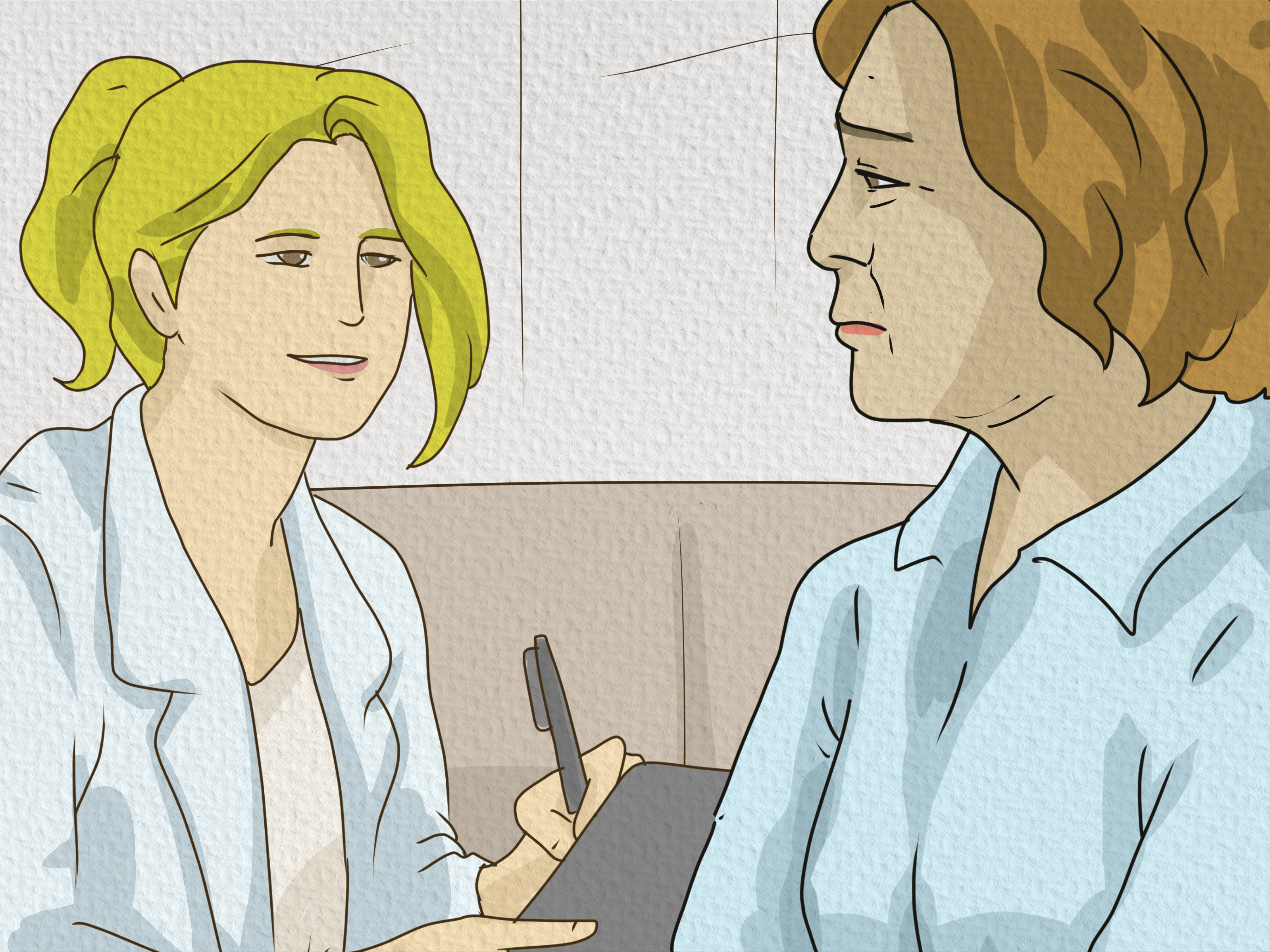
Scheduling an appointment for swallowing trouble can feel oddly dramatic. Yesterday, you were carefully negotiating with a chicken sandwich; today, a gastroenterologist is asking how often food “hangs up” in your chest. Although the situation can be unsettling, an evaluation for eosinophilic esophagitis is usually structured, practical, and far less mysterious once you know what is coming.
Eosinophilic esophagitis, commonly shortened to EoE, is a chronic immune-mediated condition in which eosinophilsa type of white blood cellaccumulate in the lining of the esophagus. The resulting inflammation can make swallowing difficult, cause food to become stuck, and eventually contribute to scarring or narrowing of the esophagus.
Your first EoE appointment may involve reviewing symptoms, discussing allergies, planning an upper endoscopy, and comparing treatment options. This guide explains how to prepare, what questions your doctor may ask, which tests may be recommended, and what happens after a diagnosis.
Why You May Be Referred for an EoE Evaluation
Many adults with eosinophilic esophagitis seek care because solid food has started moving through the esophagus less smoothly. Meat, bread, rice, and other dense or dry foods are common troublemakers. Some people feel pressure behind the breastbone, need several drinks to finish a meal, or experience episodes in which food becomes completely stuck.
Children may present differently. Symptoms can include vomiting, abdominal pain, feeding refusal, slow eating, sensitivity to food textures, poor appetite, or difficulty gaining weight. Infants may appear uncomfortable during feeding without being able to explain why.
Symptoms worth mentioning
- Difficulty swallowing solid foods
- Pain while swallowing
- Food becoming stuck in the chest or throat
- Unexplained chest pain or pressure
- Frequent regurgitation or vomiting
- Heartburn that does not improve as expected
- Needing water with nearly every bite
- Avoiding bread, meat, pills, or other difficult textures
- Taking unusually long to finish meals
- Poor growth, feeding problems, or weight loss in children
Do not downplay the little adjustments you have made. Cutting food into confetti-sized pieces, chewing each bite into retirement, or ordering soup whenever everyone else orders steak may represent what clinicians call compensatory behaviors. The 2025 American College of Gastroenterology guidance specifically encourages clinicians to ask about behaviors such as excessive chewing, prolonged meals, modifying food textures, avoiding hard foods, and drinking frequently while eating.
How to Prepare for Your Eosinophilic Esophagitis Appointment
A productive appointment begins before you enter the exam room. You do not need a color-coded binder worthy of a congressional hearing, but a few organized notes can help your provider see patterns that are difficult to remember on the spot.
Create a symptom timeline
Write down when your swallowing problems began and whether they are becoming more frequent. Note which foods cause difficulty, where you feel the food sticking, how long episodes last, and what helps. Include any emergency visits or previous procedures needed to remove impacted food.
A brief meal-and-symptom diary can be useful. Record what you ate, the texture of the food, whether you needed extra water, and whether pain, vomiting, regurgitation, or swallowing trouble followed. This is not a contest to identify the “guilty” ingredient yourself. It simply gives your healthcare team better information.
Collect your medical records
Bring copies of previous upper endoscopy reports, biopsy pathology results, imaging studies, allergy evaluations, and emergency department records. If another physician previously stretched your esophagus or removed stuck food, include that report as well.
Also prepare a complete medication list, including doses of prescription drugs, over-the-counter acid reducers, inhaled or nasal steroids, vitamins, supplements, and herbal products. Mayo Clinic recommends documenting symptoms, medications, previous test results, and questions before the appointment; bringing a trusted companion may also help you remember the discussion.
Review your allergy history
Tell your provider about asthma, eczema, seasonal allergies, nasal polyps, and known food allergies. Mention similar conditions in close relatives. EoE frequently appears alongside other allergic or atopic disorders, so your allergy history may help your doctor understand the overall picture.
However, do not start a highly restrictive diet simply because you suspect EoE. Removing several major food groups without professional guidance can make nutrition difficult and may alter diagnostic findings. A gastroenterologist or registered dietitian should help plan any elimination diet.
Ask about medication and diet restrictions
Current guidelines note that proton pump inhibitors, swallowed steroids, and dietary restrictions may reduce inflammation enough to mask EoE during an initial diagnostic endoscopy. In selected cases, a clinician may want the first examination performed while the patient is not using these treatments. Never stop a medication or deliberately reintroduce a suspected allergen without specific instructions from your healthcare professional.
What Happens During the First Appointment?
Your initial visit may be with a primary care clinician, gastroenterologist, allergist, or multidisciplinary EoE program. Specialized centers may involve gastroenterology, allergy and immunology, nutrition, pathology, nursing, and feeding therapy.
A detailed medical interview
The provider will likely ask:
- Which foods are hardest to swallow?
- Does food feel stuck in the throat or lower in the chest?
- Have you ever been unable to swallow saliva?
- Have you required emergency removal of impacted food?
- Do you modify meals by blending, cutting, or over-chewing food?
- How much water do you drink while eating?
- Do you have asthma, eczema, rhinitis, or food allergies?
- Have acid-suppressing medications helped?
- Have you lost weight or limited social meals?
Children’s evaluations often include questions about feeding skills, growth, school meals, food texture preferences, and whether eating has become stressful for the family.
A physical examination
The physical exam may be fairly ordinary. Your provider may check weight, growth, hydration, abdomen, mouth, throat, skin, and breathing. A normal examination does not rule out EoE because the most important inflammation is inside the esophagus.
Discussion of other possible conditions
Swallowing difficulty can also result from gastroesophageal reflux disease, a peptic stricture, motility disorders, medication injury, infection, celiac disease, Crohn’s disease, connective-tissue conditions, or other causes. EoE and reflux can coexist, so the appointment is not merely about choosing one label and sending the other home disappointed. Additional reflux monitoring, barium imaging, or motility testing may be recommended when the history suggests another disorder.
Will You Need an Upper Endoscopy?
An upper endoscopy with esophageal biopsies is the standard test used to diagnose eosinophilic esophagitis. A thin, flexible endoscope with a camera is passed through the mouth while the patient is sedated or under anesthesia. The doctor examines the esophagus, stomach, and first portion of the small intestine and collects tiny tissue samples.
What the doctor looks for
Possible endoscopic findings include rings, vertical furrows, white exudates, swelling, fragile tissue, narrowing, or a focal stricture. Some esophagi look a little like a stack of rings; others appear nearly normal. A normal-looking esophagus does not eliminate EoE, which is why biopsies matter.
EoE inflammation can be patchy rather than evenly distributed. Updated ACG recommendations call for at least six targeted biopsy samples from two different levels of the esophagus. Diagnosis generally requires symptoms of esophageal dysfunction, at least 15 eosinophils per high-power microscopic field, and evaluation for other potential causes of esophageal eosinophilia.
Will the biopsy hurt?
You will not feel the tissue samples being collected. Afterward, you may experience temporary throat irritation, bloating, or grogginess from sedation. Your procedure team will provide fasting instructions, transportation requirements, and guidance about when you may eat again.
Should You Expect Allergy Testing?
An allergist may evaluate you for asthma, environmental allergies, eczema, and immediate IgE-mediated food allergies. Skin-prick or blood testing can be valuable for those conditions.
These standard tests are less reliable for identifying which foods are causing EoE. EoE reactions may be delayed and involve immune pathways that ordinary allergy tests do not measure well. Consequently, a positive skin test does not automatically prove that a food is driving esophageal inflammation, and a negative test does not guarantee that the food is irrelevant.
What Treatment Options May Be Discussed?
Treatment is selected through shared decision-making. Your doctor will consider symptom severity, biopsy findings, narrowing, previous food impactions, age, nutrition, other allergic diseases, cost, convenience, and your ability to follow the plan.
Proton pump inhibitors
Proton pump inhibitors, or PPIs, reduce stomach acid and may also improve the esophageal barrier and inflammatory response in some people with EoE. They are often considered a practical first-line treatment, especially when reflux symptoms are also present.
Swallowed topical steroids
Budesonide or fluticasone may be swallowed so the medication coats the esophagus rather than being inhaled into the lungs. Your healthcare team should demonstrate exactly how to take it and explain how long to avoid food or drinks afterward.
The FDA has approved budesonide oral suspension as a 12-week treatment for EoE in patients age 11 and older. Medication indications, dosing, insurance coverage, and recommended treatment duration should always be confirmed with the prescribing clinician.
Dietary therapy
An empiric elimination diet removes one or more commonly associated food groups and later reintroduces them in a structured sequence. Current guidance favors beginning with a less restrictive approach, such as eliminating dairy alone or dairy and wheat, rather than automatically removing six major food groups.
A registered dietitian can help protect protein, calorie, vitamin, and mineral intake while teaching label reading and safe substitutions. Response usually cannot be judged by symptoms alone; endoscopy and biopsies may be needed after each major dietary phase.
Biologic treatment
Dupilumab is an injectable biologic that blocks signaling involved in type 2 inflammation. The FDA expanded its EoE indication to include eligible children as young as 1 year who meet the applicable weight requirement. It may be considered for certain patients based on age, disease severity, other allergic conditions, response to previous treatments, and insurance criteria.
Esophageal dilation
If inflammation has caused significant narrowing, the gastroenterologist may gently stretch the esophagus during endoscopy. Dilation can improve the passage of food, but it does not treat the underlying immune inflammation. Guidelines therefore recommend pairing dilation with anti-inflammatory treatment rather than viewing it as a solo performance.
What Happens After the Appointment?
If an endoscopy is scheduled, biopsy results may take several days. Your doctor will then review the eosinophil count, the location of inflammation, visible endoscopic findings, and alternative diagnoses.
After treatment begins, follow-up may include another symptom review, nutrition assessment, endoscopy, and biopsy. Feeling better is wonderful, but symptoms do not always match the amount of inflammation still present. For that reason, EoE monitoring considers symptoms, endoscopic appearance, microscopic inflammation, and signs of narrowing or fibrosis.
EoE is chronic and commonly returns when effective treatment is discontinued. Maintenance therapy is often recommended after remission to reduce the risk of recurring inflammation, strictures, and food impaction.
Questions to Ask Your EoE Specialist
- Do my symptoms strongly suggest EoE or another swallowing disorder?
- Should I change any medication before my endoscopy?
- How many biopsies will be collected, and from which locations?
- Do I have signs of an esophageal stricture?
- Would a PPI, swallowed steroid, diet, or biologic best fit my situation?
- Should I meet with an allergist or EoE-trained dietitian?
- How will we determine whether treatment is working?
- When might I need another endoscopy?
- What should I do if food becomes stuck?
- Which symptoms require emergency care?
When Swallowing Trouble Is an Emergency
Seek urgent medical attention if food is completely stuck, you cannot swallow liquids or saliva, you are drooling, or you have difficulty breathing or speaking. Do not repeatedly force down water or more food in an attempt to push an obstruction through.
Chest pain accompanied by shortness of breath, sweating, dizziness, or pain spreading to the jaw or arm also requires emergency evaluation because not all chest pain comes from the esophagus.
Patient Experience: What the Appointment Process Can Feel Like
The following composite experiences reflect common themes described in clinical resources and patient stories. They are not accounts of specific individuals and should not be treated as medical predictions.
Realizing that “normal eating” was not actually normal
Many adults arrive at their appointment convinced that they simply eat slowly. During the history, they begin listing habits they have used for years: avoiding restaurant steak, pulling crust from bread, chewing each bite dozens of times, drinking after every swallow, or being the last person at the table.
One common turning point is recognizing that these habits developed to prevent food from sticking. What felt like personal preference may have been the body’s improvised safety system. Patients often describe relief when a clinician takes these details seriously instead of dismissing them as picky eating or ordinary heartburn.
A detailed conversation may therefore feel surprisingly validating. The appointment is not only about dramatic food impactions. It is also about the quieter adjustments that have gradually taken over meals.
Feeling anxious about the endoscopy
Endoscopy anxiety is common, particularly for someone who has never received sedation. People may worry about gagging, feeling the biopsy, or waking up during the procedure. In practice, the preparation and anticipation often feel longer than the examination itself.
Patients typically meet the nursing and anesthesia teams, confirm medications and allergies, change into a gown, and have an intravenous line placed. Monitoring equipment tracks breathing, heart rate, and oxygen levels. Afterward, many people remember little or none of the procedure and mainly complain that they were not permitted to drive themselves home.
Parents may have an additional layer of worry when a child needs endoscopy. Pediatric teams can explain sedation, fasting, recovery, and how discomfort will be managed. Bringing a favorite comfort item and explaining the process in age-appropriate language can make the day feel less like a surprise invasion by adults wearing matching pajamas.
Discovering that treatment is a collaboration
Some patients expect the doctor to announce one universally correct treatment. Instead, they may be offered several reasonable options. A college student may prefer medication because eliminating dairy would be difficult in a dining hall. A family already managing multiple allergies may choose a carefully supervised diet. Someone with severe eczema and EoE may discuss whether a biologic could address more than one condition.
The first choice does not always work perfectly. A person may respond to a PPI, need to add a swallowed steroid, or discover through repeated biopsies that symptoms improved while microscopic inflammation remained. Dietary therapy may identify a trigger quickly, or it may require several rounds of removal and reintroduction.
This trial-and-adjustment process can be frustrating, but it is not evidence that treatment has failed forever. EoE management is personalized, and plans can be changed as the healthcare team learns how the disease behaves.
Handling the social side of EoE
The medical appointment may also uncover effects that do not appear on a pathology report. Fear of food becoming stuck can make business lunches, school cafeterias, vacations, and family celebrations stressful. Children may feel different from classmates. Adults may avoid explaining why they need extra time to eat or why they have quietly removed half the menu from consideration.
Discuss these concerns openly. A dietitian can help with restaurants and travel, a feeding therapist can assist children with texture avoidance, and a care team can provide documentation for school or workplace accommodations. Patient organizations and support communities may also reduce the feeling that you are the only person interrogating a granola bar label like it contains classified information.
Leaving with a plan instead of a mystery
The most reassuring outcome of an EoE appointment is not always an immediate diagnosis. Sometimes it is a clear next step: obtain biopsies, review old pathology, begin a clinician-guided treatment trial, meet a dietitian, or investigate another cause of dysphagia.
Eosinophilic esophagitis requires ongoing attention, but effective management can reduce inflammation, make eating safer, and lower the risk of future narrowing. Arriving prepared and describing your real eating habitsincluding the odd ones you thought did not mattergives your healthcare team the best chance to create a useful plan.