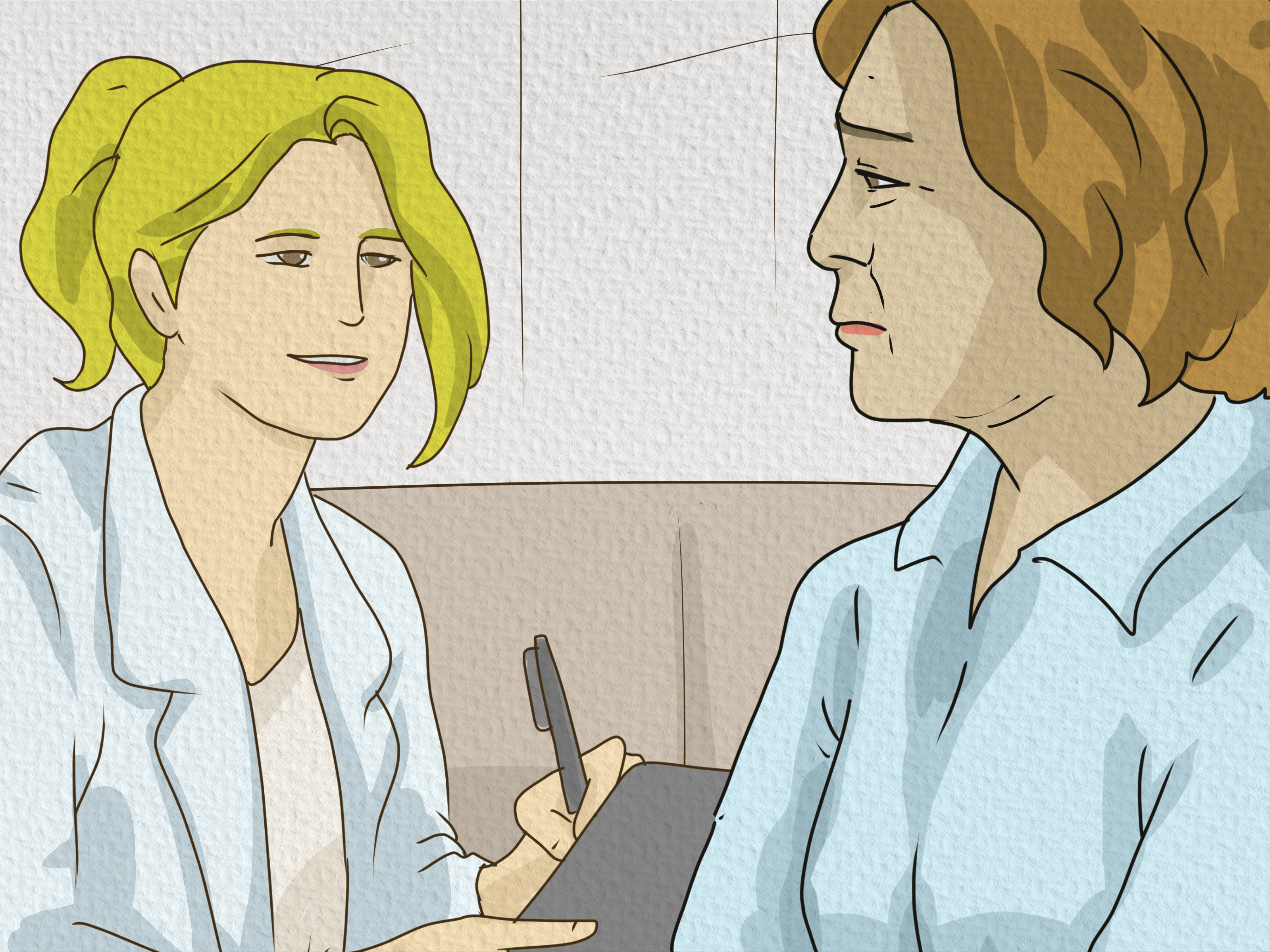
Some conversations with a difficult mother leave you feeling as though you accidentally walked into a courtroom, forgot your lawyer, and somehow became both the defendant and the janitor. You may replay the exchange for hours, wondering whether you were selfish, dramatic, ungrateful, or simply overdue for a nap.
This article explores common phrases associated with narcissistic mother behavior, emotional manipulation, guilt-tripping, invalidation, and controlling family dynamics. The goal is not to diagnose your mother from a listicle. A mental-health diagnosis requires a qualified professional, and narcissistic personality disorder is more complex than being selfish, rude, or having an Olympic-level need to be right. What matters most is the repeated pattern, its impact on you, and whether you are allowed to have boundaries, feelings, and an independent life.
How to Recognize the Pattern Without Becoming an Armchair Diagnostician
Narcissistic parenting often centers the parent’s needs, image, emotions, and authority while treating the child as an extension of the parent rather than a separate person. Adult children may grow up feeling guilty for having preferences, afraid of disappointing others, or unsure whether their memories and emotions can be trusted.
Emotional abuse can include manipulation, intimidation, humiliation, isolation, and dismissiveness. Gaslighting is more specific: it involves twisting your experiences or memories until you begin doubting your own judgment. Not every disagreement is gaslighting, but repeated reality-denial can be deeply destabilizing.
50 Things Narcissistic Mothers Say and How to Deal With Them
1. Guilt Trips and Emotional Debt Collectors
- “After everything I’ve done for you…”
Translation: gratitude is being turned into a lifelong invoice. Try: “I appreciate what you’ve done, but I’m still making this decision for myself.” - “You owe me.”
Parents may support children, but love should not operate like a payday loan with emotional interest. Try: “I can be grateful without giving up my choices.” - “I sacrificed my whole life for you.”
This can pressure you to repay sacrifices you never requested. Try: “I’m sorry you feel that way, but I can’t live my life as repayment.” - “You never do anything for me.”
This ignores reality and creates urgency. Try: “I can help with this specific task, but I can’t accept being told I never help.” - “If you loved me, you would…”
Love is being used as a lever. Try: “Love does not require me to agree to everything.” - “I guess I’ll just have to do it myself.”
This may sound like independence, but the sigh usually arrives with a suitcase full of guilt. Try: “I understand. I’m not available to do that today.” - “You are abandoning me.”
Moving, dating, resting, or declining a request is not automatically abandonment. Try: “I’m creating space, not abandoning you.” - “I’ll be all alone because of you.”
You are not responsible for managing another adult’s entire social life or emotional stability. Try: “I care about you, but I cannot be your only support.” - “You should be ashamed of yourself.”
Shame is often used to make you smaller and easier to control. Try: “I’m willing to discuss the issue, but not while being shamed.” - “You’ll regret this when I’m gone.”
This phrase can trigger fear instead of genuine connection. Try: “I don’t want fear to make this decision. We can talk when we’re both calmer.”
2. Reality Denial and Gaslighting Phrases
- “That never happened.”
When you clearly remember an event, blanket denial can make you question yourself. Try: “We remember that differently. I’m not going to argue about my experience.” - “I never said that.”
Sometimes people genuinely forget. Repeated denial of obvious statements is different. Try: “I remember what was said, and I’m responding to that.” - “You’re remembering it wrong.”
This can rewrite the past without accountability. Try: “My memory may not match yours, but my feelings about it are real.” - “You’re too sensitive.”
Often used to avoid responsibility for hurtful behavior. Try: “Being hurt does not make me too sensitive.” - “I was just joking.”
A joke is supposed to be funny for more than one person in the room. Try: “It didn’t feel funny to me. Please don’t say that again.” - “You always take things the wrong way.”
This shifts attention from what was said to your reaction. Try: “Intent matters, but impact matters too.” - “You’re making things up for attention.”
This can be especially damaging when you are describing pain or past harm. Try: “I’m not asking you to agree. I’m asking you not to dismiss me.” - “You are imagining things.”
Try not to get trapped in a debate about your sanity. Try: “I trust my perspective enough to take a break from this conversation.” - “Everyone agrees with me.”
This is often a pressure tactic, not a peer-reviewed study. Try: “I’ll speak to people directly if I need their opinions.” - “You’re the abusive one.”
Sometimes this is blame-shifting after you set a boundary. Try: “I’m open to discussing specific behavior, but I won’t accept labels as a substitute for a conversation.”
3. Comparisons, Criticism, and Control
- “Why can’t you be more like your sister, brother, cousin, or neighbor?”
Comparison is a shortcut to insecurity. Try: “I’m not competing with anyone. Please speak to me about my choices directly.” - “Your sibling would never treat me this way.”
This can create rivalry between children. Try: “Please don’t compare us. I’m talking about this situation.” - “I know what’s best for you.”
Advice can be loving; control is different. Try: “I value your perspective, but I need to make my own decision.” - “You’re making a huge mistake.”
Sometimes concern is valid. Constant doom forecasting may be about control. Try: “You’ve shared your concern. I’m still choosing this path.” - “That person is not good enough for you.”
This may be an attempt to control your partner, friends, or support system. Try: “I’ll decide who I spend time with.” - “Your partner is turning you against me.”
This can dismiss your independent perspective. Try: “My opinions are my own. Please do not blame someone else for them.” - “You need my permission.”
Adults do not need parental permission to make ordinary life choices. Try: “I’m informing you, not asking permission.” - “You’re too young to understand.”
Even when you are 42, paying a mortgage, and have back pain from sleeping wrong. Try: “I may see it differently, but I deserve to be heard.” - “You’re selfish for wanting your own life.”
Independence is not selfishness. Try: “Having needs and goals does not mean I do not care about you.” - “You always choose the wrong people.”
This can erode your confidence in friends, partners, and your instincts. Try: “I’ll consider your concern, but I will make my own judgments.”
4. Image Management and Public Performance
- “Don’t embarrass me.”
Your feelings may be treated as a public-relations problem. Try: “I’m not trying to embarrass you. I’m being honest about my experience.” - “What will people think?”
Image is being prioritized over your well-being. Try: “I’m making this choice based on what is healthy for me.” - “You need to smile and act normal.”
This can pressure you to perform happiness. Try: “I’m not comfortable pretending everything is fine.” - “Don’t tell anyone about our family business.”
Privacy is healthy; enforced secrecy about harm is not. Try: “I will choose safe people to talk to when I need support.” - “You make me look like a bad mother.”
This changes the focus from your pain to her reputation. Try: “I’m not responsible for managing your image.” - “Tell them how much I helped you.”
Generosity should not require a press conference. Try: “I’m grateful, but I won’t perform gratitude for others.” - “You’d be nothing without me.”
This tries to make your achievements feel borrowed. Try: “I recognize your support, and I also recognize my own work.” - “I made you successful.”
Supportive parents can be proud without claiming ownership. Try: “You played a role, but my success belongs to me too.” - “You’re lucky I put up with you.”
This can make you feel unlovable or burdensome. Try: “I won’t continue a conversation that insults my worth.” - “Everyone thinks I’m such a wonderful mother.”
Public charm does not erase private harm. Try: “Other people’s opinions do not change my experience.”
5. Conditional Love, Punishment, and Emotional Whiplash
- “Fine. Don’t call me ever again.”
This is often an emotional trap designed to make you chase her. Try: “I’m taking space now. We can talk later if we can be respectful.” - “You’re dead to me.”
Extreme statements can create panic and compliance. Try: “I’m ending this conversation because it has become harmful.” - “I’m done with you.”
Repeated threats of withdrawal can become emotional punishment. Try: “I hear that you’re upset. I won’t negotiate under threats.” - “I won’t help you unless you do what I say.”
Financial or practical support may be used as leverage. Try: “I understand the condition. I’ll make other arrangements.” - “I bought you that, so it belongs to me.”
Gift-giving can become a control tool. Try: “A gift should not be used to control my choices.” - “I forgive you.”
Sometimes said when you have not done anything wrong, making you carry false guilt. Try: “I don’t agree that I did something requiring forgiveness.” - “I’m sorry you feel that way.”
This sounds apologetic but avoids responsibility. Try: “I need an apology for what happened, not an apology for having feelings.” - “I had it much worse than you.”
Her pain may be real, but it does not cancel yours. Try: “I’m sorry you suffered. My experience still matters.” - “You don’t have anxiety, depression, or trauma. You’re just lazy.”
Dismissal can delay help-seeking. Try: “My health is not up for debate. I’ll discuss it with qualified professionals.” - “I’m your mother. You have to respect me.”
Respect should not mean silent obedience. Try: “I can be respectful while still having boundaries.”
How to Deal With a Narcissistic Mother Without Losing Yourself
Stop Trying to Win the Impossible Argument
A common trap is presenting more evidence, more memories, more screenshots, more perfectly organized bullet points, and perhaps a color-coded spreadsheet worthy of a federal investigation. But someone committed to avoiding accountability may not be persuaded by better evidence. Your goal does not have to be getting her to admit everything. Your goal can be protecting your peace.
Use Short, Clear Boundary Statements
Strong boundaries are not speeches. They are decisions followed by action. Try phrases such as:
- “I’m not discussing this today.”
- “I will leave if I’m yelled at.”
- “I can talk for ten minutes, but then I need to go.”
- “I won’t respond to insulting messages.”
- “That topic is private.”
- “No, that does not work for me.”
Boundaries work best when they are realistic and enforceable. You do not need to announce a boundary like a movie trailer. Quiet consistency is often more effective than a dramatic declaration. Healthy boundaries can help people learn how to create more respectful relationships, although you cannot force another person to honor them.
Do Not Over-Explain
When you expect criticism, you may feel compelled to defend every choice in advance. This is understandable, especially if you grew up being interrogated about ordinary decisions. Still, over-explaining can give a controlling person more material to argue with. A simple answer such as “I’ve decided already” is complete.
Limit Information When Necessary
You do not have to share every detail of your relationship, finances, health, career plans, or private conversations. This is sometimes called an information diet, although it has nothing to do with kale and everything to do with reducing unnecessary conflict. Share what feels safe, not what you feel pressured to disclose.
Build an Outside Reality Check
Talk to trustworthy friends, a therapist, a support group, a faith leader, or another safe adult. Journaling can also help you track patterns and remember what happened after a confusing conversation. Emotional abuse can wear down self-esteem and independence, which is one reason outside support matters.
Consider Low Contact or No Contact Carefully
Low contact may mean shorter calls, fewer visits, limited topics, or responding only when you have emotional bandwidth. No contact may be necessary when there is ongoing abuse, serious safety risk, repeated harassment, or a complete refusal to respect basic boundaries. These choices can be painful, complicated, and highly personal. You are not required to keep exposing yourself to harm simply because someone is family.
Common Experiences: What These Dynamics Can Feel Like in Real Life
The following examples are composite experiences based on recurring family-dynamic patterns. They are not diagnoses, individual case histories, or proof that every difficult mother has narcissistic personality disorder.
Experience 1: The Career Decision That Became a Trial
Jordan tells her mother she is considering a new job in another city. Her mother does not ask about the role, salary, or whether Jordan is excited. Instead, she says, “So you’re leaving me after all I did for you?” Within minutes, the conversation has moved from a career opportunity to a debate about loyalty. Jordan begins explaining the commute, the benefits, the rent, and the company culture, hoping the right explanation will earn approval. It does not. Eventually, Jordan realizes that the issue is not whether the job makes sense. The issue is that her independence feels threatening to her mother. Her new response becomes simpler: “I know this is a change. I’m happy with my decision, and I’m not debating it.”
Experience 2: The Holiday That Required Emotional Armor
Marcus attends a family dinner already bracing for comments about his weight, career, and relationship status. His mother smiles warmly in front of relatives, then quietly says, “You really should not wear that; it makes you look bigger.” When Marcus reacts, she laughs and says, “You are too sensitive. I was trying to help.” He notices that the pattern always has two parts: the jab and the denial. The next time it happens, he does not defend his outfit or argue about her intent. He says, “I’m not discussing my body,” then walks outside for air. It feels awkward at first, but awkward is still better than spending Thanksgiving as a human punching bag with gravy.
Experience 3: The Sibling Comparison Loop
Priya grew up hearing that her older sister was responsible, grateful, and easy to love. When Priya earned praise at school, her mother found a way to redirect attention: “Your sister did that too, but she never bragged.” As an adult, Priya notices she panics whenever someone else succeeds, because she expects comparison to follow. She begins working on a new habit: celebrating other people without shrinking herself. When her mother says, “Why can’t you be more like your sister?” Priya replies, “I’m glad she’s doing well. I’m also building a life that fits me.” The point is not to win the comparison game. The point is to step off the field.
Experience 4: The Apology That Was Not an Apology
After a blowup, Elena’s mother sends a message: “I’m sorry you feel hurt, but you know how difficult you are.” Elena feels relief for half a second because she sees the word sorry. Then the rest of the sentence lands like a dropped refrigerator. The message does not acknowledge what happened; it redirects blame back to Elena. Rather than launching into a 14-paragraph response, Elena waits. The next day she writes, “I’m open to talking when we can discuss specific behavior without insults.” Her mother may or may not respond well, but Elena has changed the part she can control: she no longer accepts a blame-filled non-apology as meaningful repair.
Experience 5: The Boundary Backlash
After years of answering every call immediately, Daniel starts letting some calls go to voicemail. His mother responds with frantic texts, then anger: “You never care about me. I could be dying and you would not know.” Daniel feels the old reflex to apologize and call instantly. Instead, he reminds himself that being reachable every minute is not the same as being loving. He answers later: “I check messages in the evening. If there is an emergency, call emergency services or contact a nearby person.” The first few weeks are uncomfortable because boundaries can initially make a controlling system louder. Over time, Daniel learns that discomfort is not always danger. Sometimes it is simply the sound of a new pattern being built.
Final Thoughts
Dealing with a narcissistic mother can be confusing because the relationship may contain affection, history, generosity, pain, loyalty, fear, and grief all at once. You do not need to decide whether your mother is “good” or “bad” before deciding what behavior you will and will not accept.
Focus on what is in front of you: repeated guilt trips, reality denial, insults, control, public image management, or conditional affection. Then choose the response that protects your well-being: a shorter call, a firm boundary, less personal information, professional support, or more distance. Your feelings are not a courtroom exhibit that requires her approval before they count.