The zig zag headband has returned from the land of flip phones, glitter lip gloss, and “I only need one butterfly clip” denialstretchy comb-style headband is back because it does something magical: it keeps hair out of your face, adds instant texture, and makes even a five-minute hairstyle look intentional. That is a lot of responsibility for one small plastic accessory, but somehow, it handles the pressure better than most of us before coffee.
Whether you have straight hair, waves, curls, a bob, bangs, layers, or a ponytail that has seen better mornings, learning how to wear a zig zag headband can open up a whole menu of easy hairstyles. The key is not just sliding it on and hoping for the best. Placement, hair prep, tension, and styling shape all matter. Done well, a zig zag headband gives you a cool, face-framing, model-off-duty look. Done poorly, it can feel tight, awkward, or like you accidentally time-traveled to middle school picture day.
This guide breaks down 12 easy steps for wearing a zig zag headband in a modern, comfortable, and flattering way. You will learn how to prep your hair, choose the right band, create volume, style it with buns and ponytails, avoid breakage, and make the look work for casual days, school, work, errands, workouts, and nights out.
Why the Zig Zag Headband Is Popular Again
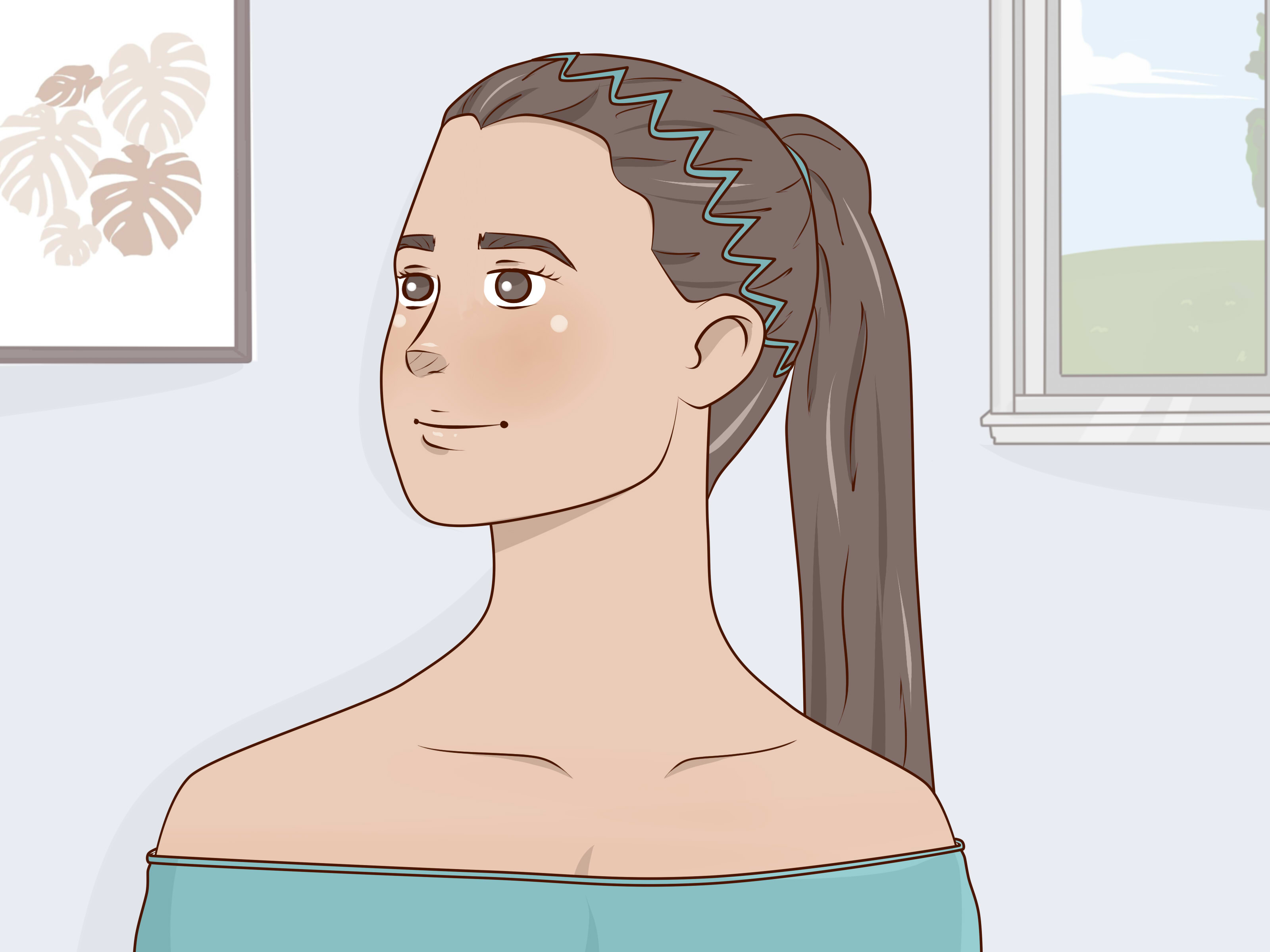
Fashion trends love a comeback story, and the zig zag headband has a good one. It is affordable, simple, practical, and instantly recognizable. Unlike padded headbands or scarf headbands, the zig zag version has teeth or comb-like ridges that grip sections of hair and create a pulled-back pattern. This gives the front of the hair a slightly sculpted, wavy, separated look without heat styling.
The accessory also fits perfectly into today’s love of low-effort beauty. People want hairstyles that look polished without requiring a professional blowout, three hot tools, and a motivational speech. A zig zag headband can refresh second-day hair, control bangs, lift roots, and make a bun or ponytail look more styled in seconds.
Easy Ways to Wear a Zig Zag Headband: 12 Steps
Step 1: Start with Dry or Mostly Dry Hair
For the best result, use a zig zag headband on dry or mostly dry hair. Wet hair is more fragile, and the teeth of the headband may pull or stretch strands if you push it in aggressively. Dry hair also holds shape better, especially if you want volume at the crown or a defined zig zag pattern near the hairline.
If your hair is freshly washed and too soft, add a little texture spray, dry shampoo, or lightweight mousse. This gives the headband something to grip. Very silky hair can cause the band to slide backward, which is annoying and makes you do the tiny public headband-adjusting dance every seven minutes.
Step 2: Detangle Before You Put It On
Before wearing the headband, gently brush or comb through your hair. Pay special attention to the crown, temples, and nape of the neck, because those are the areas most likely to snag. A zig zag headband has small teeth, so it should glide into your hair, not wrestle it like a tiny plastic alligator.
If you have curly or textured hair, detangle with your fingers or a wide-tooth comb instead of brushing the curl pattern flat. You can also apply a small amount of leave-in conditioner or styling cream to reduce friction and keep the hair smooth.
Step 3: Choose the Right Size and Flexibility
Not all zig zag headbands are created equal. Some are soft and flexible, while others feel like they were designed by someone who has never had a scalp. Look for one that stretches comfortably and does not pinch behind your ears. The band should feel secure, not like it is applying for a job as a medieval torture device.
If you have thick or curly hair, choose a wider or more flexible headband with longer teeth. If you have fine or short hair, a smaller band with closer teeth may grip better. A black or tortoiseshell zig zag headband is the most versatile, but clear, brown, metallic, or colorful versions can create a fun style statement.
Step 4: Place the Headband Around Your Neck First
One of the easiest ways to put on a zig zag headband is to place it around your neck first, like a necklace. Make sure the teeth face upward and the connecting band sits behind your neck. Then gather your hair gently and slide the headband upward toward your hairline.
This method helps the band move evenly through your hair without catching random sections. It is especially useful for medium-length and long hair because it prevents the headband from sitting awkwardly on top of the hair instead of underneath it.
Step 5: Slide It from the Hairline Toward the Crown
Once the headband reaches your forehead, position the teeth just in front of your hairline. Slowly push the band backward, letting the teeth comb through the front sections of your hair. Stop when the band sits about one to two inches behind your hairline, or farther back if you want a sleeker look.
The movement should be smooth and gentle. If the band gets stuck, do not force it. Pull it out carefully, smooth the hair, and try again. Forcing a snag can cause breakage, and your hair deserves better than being defeated by a $5 accessory.
Step 6: Push Slightly Forward for Volume
After sliding the headband back, gently push it forward just a little. This tiny movement creates lift at the roots and gives the style that signature zig zag volume. It works particularly well on straight, wavy, and fine hair that tends to lie flat.
If you want a sleek sporty look, skip the forward push and keep the hair pulled back. If you want a softer, retro-inspired look, push forward lightly and use your fingers to loosen the crown. The difference is small, but it can change the entire mood of the hairstyle.
Step 7: Smooth Flyaways Without Flattening the Shape
Once the headband is in place, check the front and sides. If you see flyaways, use a tiny amount of styling cream, gel, or hair serum. Apply it with your fingertips or a clean spoolie brush for better control. Avoid using too much product because it can make the roots look oily.
For a polished finish, smooth the hair around the temples and ears. For a casual look, leave a few soft pieces out around your face. The goal is not perfection. In fact, the modern zig zag headband looks best when it feels easy, relaxed, and a little undone.
Step 8: Wear It with Loose Hair
The simplest way to style a zig zag headband is with loose hair. This works beautifully with straight hair, beach waves, natural curls, layered cuts, and shoulder-length styles. The headband pulls the front away from your face while leaving the rest of your hair free.
To make loose hair look more intentional, add soft waves with a curling iron or braid your hair overnight for heatless texture. Then place the headband and loosen the crown slightly. Pair the look with a T-shirt and jeans for casual style, or with a blazer for an unexpectedly chic contrast.
Step 9: Pair It with a Low Bun
A low bun and zig zag headband are a perfect match. Start by putting the headband in place, then gather your hair at the nape of your neck. Twist it into a loose bun and secure it with a hair tie, claw clip, or bobby pins. Pull out a few face-framing pieces if you want a softer look.
This hairstyle is great for work, school, errands, or days when your hair is technically “styled” but emotionally still asleep. The headband keeps the front controlled, while the bun keeps everything tidy and comfortable.
Step 10: Try It with a High Ponytail
For a sporty, energetic style, wear your zig zag headband with a high ponytail. Put the headband on first, then brush the remaining hair upward and secure it at the crown. This creates a lifted look that works well for workouts, warm weather, or casual outfits.
To make the ponytail look fuller, gently tug at the hair near the crown after securing it. You can also wrap a small section of hair around the elastic and pin it underneath for a cleaner finish. Add hoop earrings or a fitted top, and suddenly the hairstyle says “I planned this,” even if you absolutely did not.
Step 11: Use It to Blend Bangs or Grow-Out Layers
A zig zag headband is especially helpful if you are growing out bangs, face-framing layers, or an awkward haircut phase. The teeth grab shorter pieces and guide them backward, making the style look deliberate instead of like your bangs are staging a rebellion.
For curtain bangs, part your hair in the center first, then place the headband slightly behind the shortest pieces. Let a few strands fall naturally around the face. For blunt bangs, you can either push them fully back for a clean look or leave them down and place the headband behind them for a playful retro style.
Step 12: Remove It Gently at the End of the Day
Taking off a zig zag headband matters just as much as putting it on. Do not yank it out from the top of your head. Instead, gently stretch the band and slide it backward or downward, following the direction of the teeth. If a section catches, stop and untangle it with your fingers.
This helps prevent unnecessary pulling, breakage, and scalp discomfort. It is also a good idea not to wear tight headbands every single day in the exact same position. Give your hairline and scalp a break, especially if you notice tenderness, redness, or broken hairs around the front.
Best Zig Zag Headband Hairstyles for Different Hair Types
For Straight Hair
Straight hair shows the zig zag pattern clearly, which makes the headband stand out. Add dry shampoo at the roots for grip and volume. A loose blowout, flipped ends, or sleek ponytail can make the style feel modern rather than overly nostalgic.
For Wavy Hair
Wavy hair works naturally with this accessory because the headband adds structure while the waves keep the look relaxed. Try placing the band slightly farther back and letting the front sections curve softly around your face.
For Curly Hair
Curly hair can look amazing with a zig zag headband, but comfort is key. Choose a flexible band and avoid dragging it roughly through curls. Use curl cream or leave-in conditioner first, then guide the headband into place slowly.
For Short Hair
Short bobs, pixie cuts, and chin-length hair can all work with zig zag headbands. The trick is placement. Keep the band close to the hairline for grip, and use a small amount of styling paste to define the ends.
For Thick Hair
Thick hair may need a stronger or wider headband. If the band disappears into your hair, choose a contrasting color or place it closer to the front. You can also pair it with a half-up style to reduce bulk.
Common Mistakes to Avoid
Wearing It Too Tight
A headband should not hurt. If you feel pressure behind your ears or at your temples, switch to a more flexible band. Tight accessories can cause headaches and may stress the hairline over time.
Forcing It Through Knots
The teeth are designed to separate and hold hair, not bulldoze through tangles. Detangle first, especially if your hair is long, curly, or textured.
Using Too Much Product
Gel and serum can help control flyaways, but too much product can make the style greasy. Start with a small amount and add more only if needed.
Ignoring Your Outfit
A zig zag headband has a strong throwback personality. Balance it with modern clothing, such as a simple tank, oversized button-down, clean denim, slip dress, blazer, or minimalist jewelry.
How to Make a Zig Zag Headband Look Modern
The easiest way to modernize a zig zag headband is to keep the rest of your look simple. Think clean skin, natural makeup, small hoops, glossy lips, or a structured jacket. The headband already brings nostalgia, so the outfit does not need to scream “school dance, 2001.”
Another trick is to style your hair with intentional texture. Soft waves, a clean low bun, a sleek ponytail, or a polished bob can make the headband look fresh. Black, brown, tortoiseshell, and clear headbands are the easiest to wear because they blend with most outfits.
of Real-Life Styling Experience: What It Feels Like to Wear a Zig Zag Headband
Wearing a zig zag headband is one of those small beauty experiments that can surprise you. At first, it may feel almost too simple. You slide it on, push it back, and suddenly your hair has shape. There is no curling wand involved, no complicated braid tutorial, and no moment where you need six arms and a degree in engineering. That simplicity is the charm.
The first experience many people have with this headband is practical. Maybe your bangs are falling into your eyes while you are studying, cooking, applying makeup, or trying to answer emails without looking like you are hiding behind a curtain of hair. A zig zag headband solves that problem quickly. It pulls the front sections away from the face while still leaving the rest of the hair loose. Compared with a regular headband, it feels more secure because the teeth grip the hair instead of just sitting on top of it.
The second thing you notice is volume. If your hair usually looks flat at the roots, the zig zag headband can give it a little lift without teasing. The trick is to slide it back and then gently push it forward. That small motion creates a soft bump at the crown. It is not huge pageant hair. It is more like “I woke up with naturally interesting hair,” which is a very convenient lie.
On busy mornings, the headband works especially well with second-day hair. Clean hair can sometimes be too slippery, but hair with a little texture tends to hold the band better. A quick mist of dry shampoo at the roots, a low bun, and a black zig zag headband can make yesterday’s hair look like today’s plan. This is excellent news for anyone whose morning routine includes negotiating with the snooze button.
There is also a learning curve. Some headbands pinch behind the ears, especially if they are stiff. Some slide back if the hair is very fine. Some get tangled if you remove them too quickly. After a few tries, you learn what works: choose a flexible band, detangle first, do not force it, and remove it slowly. Comfort should always win over style because no accessory is cute enough to deserve a headache.
The most fun part is how different the same headband can look with different outfits. With loose waves and jeans, it feels casual and nostalgic. With a sleek ponytail, it looks sporty. With a low bun and gold earrings, it becomes surprisingly elegant. With a hoodie, it says, “I am running errands but still have a personality.” That versatility is why the zig zag headband keeps coming back.
The final lesson is confidence. A zig zag headband is visible. It has a shape. It makes a statement, even in neutral colors. The best way to wear it is not to apologize for it. Put it on, adjust the volume, smooth the sides, and let the throwback energy do its job. Fashion is more fun when it does not take itself too seriously.
Conclusion
The zig zag headband is proof that a simple hair accessory can do a lot. It keeps hair out of your face, adds texture, creates root lift, controls bangs, and turns basic buns or ponytails into actual hairstyles. The best way to wear it is to start with detangled, dry hair, choose a comfortable band, slide it in gently, adjust the volume, and style it according to your hair type and outfit.
Whether you want a casual everyday look, a polished low bun, a sporty ponytail, or a nostalgic Y2K-inspired hairstyle, the zig zag headband is easy to use and surprisingly versatile. Just remember: comfort matters, gentle removal matters, and confidence matters most. After all, if a tiny plastic headband can make a comeback, so can any hairstyle hiding in the back of your bathroom drawer.
Note: This article was written from synthesized fashion, beauty, and hair-health guidance, rewritten in original language for web publication. It is informational and not a substitute for personalized advice from a hairstylist or dermatologist if you experience scalp pain, hair thinning, or breakage.