There are two kinds of home relaunches. The first involves a giant budget, a designer with mysterious linen pants, and a contractor who says “we found something” in a tone normally reserved for haunted basements. The second is scrappier, smarter, and much more satisfying: a DIY relaunch built with patience, salvage finds, honest mistakes, good taste, and enough caffeine to make a table saw nervous.
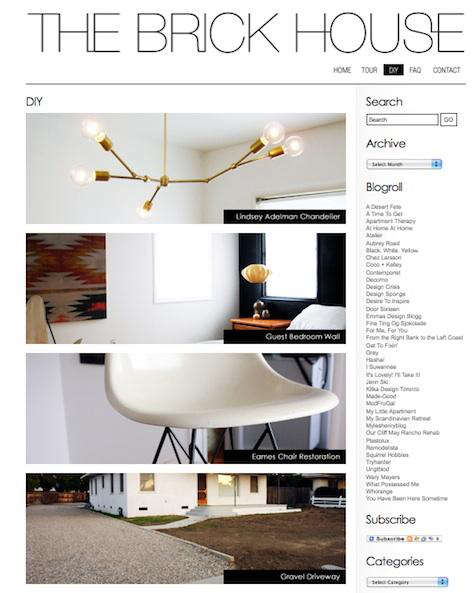
DIY: The Brick House Relaunch is not just about refreshing a brick house. It is about rethinking how a home tells its story. The original inspiration comes from the cult-favorite renovation blog The Brick House, where Morgan Satterfield documented real-budget, real-life, highly personal design projects. Remodelista highlighted the blog’s relaunch in 2010, noting a newly organized DIY section featuring projects such as the Lindsey Adelman-inspired chandelier, an Ace Hotel-style bookshelf, and an Eames chair restoration. That combinationdesign confidence, thrift, craft, and “I can probably figure this out” braveryis exactly what makes a DIY home relaunch so compelling.
A brick house already has what many newer homes try to fake: texture, weight, character, and a face that does not need much makeup. The trick is not to erase it. The trick is to relaunch it like a well-loved brand: sharpen the identity, fix what is broken, modernize the experience, and keep the soul intact.
What Does “The Brick House Relaunch” Really Mean?
A relaunch is not the same thing as a remodel. A remodel often means changing a room. A relaunch means changing the way the whole home works, looks, and feels. It is a reset button with better lighting.
For a brick home, that might include cleaning up the exterior, improving curb appeal, refreshing interiors, restoring old furniture, creating smarter storage, upgrading lighting, and organizing projects into phases. It can also mean relaunching the story of the house online through a blog, social feed, or project archive. The Brick House became memorable because it treated DIY as a living process, not a polished catalog. The charm was in the experiment.
That is the lesson modern homeowners can steal without guilt: your house does not need to become a showroom. It needs to become more intentional.
Start With the House’s “Brand Identity”
Before buying paint, shelving, sconces, curtain rods, or that suspiciously affordable vintage chair on Marketplace, define the house’s visual identity. Brick homes can go in many directions: warm desert modern, midcentury casual, cottage revival, industrial loft, classic American ranch, or minimalist gallery. Pick a lane, then let the brick be the anchor.
Ask Three Simple Questions
- What should stay? Original brick, wood floors, vintage doors, old built-ins, mature landscaping, and unique architectural quirks are often worth protecting.
- What should disappear? Broken fixtures, heavy window treatments, awkward shelving, dated hardware, stained carpet, and random “previous owner specials” can leave politely.
- What should be upgraded slowly? Lighting, storage, exterior trim, furniture, landscaping, and room layouts can evolve over time.
This approach prevents the classic DIY disaster: doing twelve unrelated projects and ending up with a house that looks like five Pinterest boards got into a bar fight.
Respect the Brick Before You Change It
Brick is strong, but it is not invincible. It breathes, absorbs moisture, releases vapor, and depends on healthy mortar joints to stay durable. That is why painting brick should never be an impulsive Saturday decision made after watching three dramatic before-and-after videos. Painting can look beautiful, but the wrong coating may trap moisture and cause long-term deterioration.
If the brick is historic, damaged, powdery, or exposed to heavy rain, pause before coating it. Consider cleaning, repointing mortar, updating trim colors, improving landscaping, replacing exterior lighting, or painting only non-brick elements first. Sometimes the best brick makeover is simply giving the brick better friends.
High-Impact Brick House Updates Without Painting
- Replace a tired front door with a cleaner, bolder design.
- Paint trim, fascia, shutters, or siding accents instead of the brick.
- Add modern house numbers and a warm porch light.
- Use larger planters to soften hard masonry lines.
- Pressure-wash carefully or hire a masonry-safe cleaning professional.
- Refresh cracked mortar with proper repointing.
- Create layered landscaping with grasses, shrubs, and low-water plants.
The Brick House aesthetic was never about throwing money at a surface. It was about editing. A little restraint can make a brick exterior look intentional instead of neglected.
Build the Relaunch Around Signature DIY Projects
Every great DIY relaunch needs a few memorable projects. Not twenty-seven. Not a spreadsheet that requires emotional support. Just a few high-impact upgrades that make the house feel different the moment someone walks in.
1. The Statement Light Fixture
The Lindsey Adelman-style DIY chandelier became a famous Brick House reference because it delivered sculptural lighting without a luxury price tag. The deeper lesson is not “make that exact chandelier.” The lesson is that lighting can become architecture.
A good light fixture changes the mood of a room faster than almost anything else. A dining room with a basic flush mount says, “We eat here because humans require nutrients.” A dining room with a thoughtful pendant says, “Welcome, please admire this soup.”
For DIYers, lighting can be a great design upgrade, but electrical work deserves caution. If wiring is complex, old, ungrounded, or confusing, hire a licensed electrician. Replacing a shade is one thing. Freestyling inside a ceiling box like it is a craft drawer is another.
2. The Custom Bookshelf or Storage Wall
The Ace Hotel-inspired bookshelf associated with The Brick House captured another powerful DIY idea: custom-looking storage does not always require custom pricing. Open shelving, pipe systems, modular boxes, and carefully spaced boards can transform a blank wall into a visual feature.
For a brick house relaunch, storage should look deliberate. Avoid tiny shelves scattered everywhere like nervous punctuation. Instead, choose one strong wall and make it work hard. Use shelves for books, ceramics, records, baskets, tools, or plants. Keep the styling relaxed. A shelf should not look like it is afraid of being touched.
3. The Furniture Restoration Moment
The Eames chair restoration project from The Brick House is a perfect example of sweat equity. The chairs were not magically perfect. They needed sanding, cleaning, epoxy work, patience, and the willingness to deal with old grime. The result was a dining set with history and personality.
Restoration is where DIY becomes personal. Anyone can buy a new chair. Not everyone can bring a discarded piece back to life and then casually say, “Oh, that? I restored it,” while pretending not to wait for applause.
Plan the Relaunch in Phases, Not Panic
A home relaunch should feel exciting, not like being trapped inside a hardware store with a coupon expiring in twelve minutes. The smartest approach is to divide projects into phases.
Phase One: Clean, Repair, and Declutter
This is the unglamorous phase, which means it is the phase most people skip. Do not skip it. Clean the brick, patch holes, fix loose trim, check gutters, remove dead plants, test outlets, repair doors, and declutter rooms. A clean house reveals what actually needs design work and what was simply buried under chaos.
Phase Two: Improve the Daily Experience
Before focusing on style, fix friction. Is the entryway always messy? Add hooks, a bench, and a landing tray. Is the kitchen dark? Improve task lighting. Does the living room layout feel awkward? Move furniture before buying furniture. Is the bedroom visually noisy? Simplify textiles and storage.
Good DIY design starts with behavior. A beautiful room that does not support real life is just a stage set with laundry in the corner.
Phase Three: Add Character
Once the basics work, layer in character. Add vintage pieces, art, handmade ceramics, woven textures, plants, sculptural lighting, or a restored furniture project. This is where the home starts feeling like yours instead of “neutral enough for resale.”
Budget Like a Creative Person, Not a Magician
DIY saves money, but it does not make money irrelevant. Materials, tools, mistakes, delivery fees, replacement screws, safety gear, and the mysterious second trip to the hardware store all add up. Budget honestly.
A practical Brick House-style budget might divide spending into three categories: must-fix, high-impact, and nice-later. Must-fix items include safety repairs, water problems, structural concerns, electrical issues, and anything that prevents the house from functioning. High-impact items include lighting, paint, landscaping, shelving, and furniture restoration. Nice-later items include decorative accessories, extra art, specialty textiles, and the vintage lamp you absolutely do not need but spiritually require.
Where to Save
- Secondhand furniture
- Open shelving
- DIY art and framing
- Simple landscaping labor
- Hardware swaps
- Painted interior walls
- Restored chairs, tables, and cabinets
Where to Spend
- Electrical work
- Masonry repairs
- Roofing and drainage
- Quality exterior doors
- Durable lighting
- Lead-safe work in older homes
- Comfortable seating you use every day
There is no glory in saving $200 on a project that later costs $2,000 to fix. DIY confidence is wonderful. DIY denial is expensive.
Safety Is Part of the Design
A real DIY relaunch includes safety planning. If the house was built before 1978, lead paint may be a concern when disturbing painted surfaces. If you are removing old finishes, sanding trim, replacing windows, or cutting into painted materials, research lead-safe practices and hire certified professionals when required.
Electrical work is another area where bravery should wear a helmet and call a professional. The same goes for gas lines, structural walls, asbestos concerns, major plumbing, roof work, and anything involving heights beyond your comfort zone. The goal is to relaunch the house, not become a cautionary tale with a nail gun.
Make the Relaunch Web-Friendly
Because The Brick House relaunch was also a blog relaunch, there is a content lesson here. A DIY project becomes more useful when it is organized, searchable, and honest. If you plan to publish your own home relaunch online, create categories such as Exterior, Lighting, Furniture Restoration, Budget Finds, Before and After, and Mistakes We Survived.
Google’s modern search guidance favors helpful, people-first content. That means your article should answer real questions, show experience, explain decisions, and avoid empty keyword stuffing. A project post should include the problem, budget, materials, process, mistakes, final result, and what you would do differently.
Good SEO for a DIY home relaunch is not about repeating “DIY brick house relaunch” until the reader starts hearing it in their sleep. It is about clarity. Use descriptive headings. Add practical examples. Explain safety considerations. Give readers enough detail to take action.
Room-by-Room Relaunch Ideas
Entryway
The entryway sets the tone. Add a durable rug, a slim bench, wall hooks, a mirror, and one strong light fixture. If the exterior is brick, consider echoing that warmth inside with wood, leather, brass, terracotta, or black metal accents.
Living Room
Start with layout. Pull furniture away from walls if the room allows it. Create a conversation zone. Add layered lighting: overhead, table lamp, floor lamp, and maybe a picture light. Keep the brick fireplace natural if it has good texture, or consider limewash if it needs softening without fully hiding the masonry.
Dining Room
This is the perfect place for a statement DIY chandelier or restored dining chairs. A mismatched vintage set can look intentional when unified by finish, shape, or seat color. Add a large piece of art or a storage wall to create a focal point.
Kitchen
Not every kitchen relaunch requires new cabinets. Try better lighting, updated hardware, open shelves, a painted island, a new faucet, or a vintage runner. If counters or cabinets truly need replacing, plan carefully and avoid rushing into choices that will dominate the room for years.
Exterior
For brick homes, curb appeal often improves dramatically with landscaping. Add depth with layered planting beds, clean edging, mulch, porch pots, and a clear walkway. Upgrade the mailbox, numbers, and front light. These small moves make the house look cared for, which is half the battle.
Common DIY Relaunch Mistakes
Mistake one: starting with aesthetics before repairs. Pretty paint does not fix water intrusion. A new sofa does not solve a bad layout. Start with the bones.
Mistake two: copying a look without understanding the house. A desert-modern idea may look awkward in a colonial brick home unless adapted thoughtfully.
Mistake three: buying too much too soon. Live with the space first. The house will tell you what it needs, usually while you are carrying groceries and tripping over shoes.
Mistake four: underestimating prep work. Sanding, cleaning, measuring, priming, testing, and waiting are not optional side quests. They are the game.
Mistake five: hiding every imperfection. Older brick homes are allowed to have character. A few quirks make the result feel authentic, not showroom-stiff.
The Real Magic: A Home That Feels Collected
The strongest DIY homes look collected, not purchased in one afternoon. That is why The Brick House still resonates. Its projects had a point of view: vintage mixed with modern, humor mixed with skill, budget mixed with taste. The relaunch was not about perfection. It was about access. DIY projects were organized so readers could find them, learn from them, and maybe try their own version.
Your brick house can do the same. Keep the texture. Upgrade the experience. Restore something old. Build something useful. Document the process. Laugh when the first plan fails. Then make a better plan.
Additional Experience Notes: What a DIY Brick House Relaunch Feels Like in Real Life
A DIY brick house relaunch sounds charming when written neatly in a project plan. In real life, it begins with optimism, a measuring tape, and the dangerous sentence, “This should only take a weekend.” That sentence has personally ruined more weekends than rain, traffic, and group texts combined.
The first experience most DIYers learn is that brick houses are honest. They do not hide much. If the mortar is tired, you see it. If the landscaping is sad, the brick makes it look even sadder, like a strong jawline paired with a terrible haircut. If the porch light is too small, the whole entry looks unfinished. Brick gives you structure, but it also demands balance.
One of the best practical experiences is starting outside with small changes. Cleaning the walkway, trimming shrubs, adding planters, and replacing a faded doormat can shift the mood immediately. You stand across the street, squint like an architect in a movie, and suddenly the house looks less “forgotten ranch” and more “quietly stylish person who owns good olive oil.”
Inside, the experience becomes more emotional. Moving furniture around can reveal that the problem was never the room; it was the layout. A chair that looked awkward in one corner becomes perfect by a window. A lamp from the bedroom suddenly belongs in the living room. A cheap shelf looks expensive after it is styled with fewer, better objects. The best DIY relaunch moments often come from subtraction, not shopping.
Furniture restoration is where patience gets tested. Sanding old chairs, tightening loose joints, cleaning metal bases, or re-oiling wood can be boring in the middle and thrilling at the end. You learn that old furniture has a smell, usually “garage with ambition.” You also learn that restoration rewards stubborn people. The finished piece carries a story that new furniture rarely has.
Lighting is another unforgettable lesson. Swap one dull fixture for a sculptural pendant and the room suddenly develops confidence. But lighting also teaches humility. Wires are not decorative spaghetti. If anything seems questionable, call an electrician. A beautiful fixture should glow, not become the opening scene of a disaster documentary.
The biggest experience, though, is learning to trust the slow reveal. A relaunch does not happen in one dramatic weekend. It happens in layers: one repaired threshold, one better shelf, one cleaned brick wall, one restored chair, one corner that finally works. Eventually, the house begins to feel less like a project and more like a collaborator.
That is the heart of DIY: The Brick House Relaunch. It is not about chasing a perfect after photo. It is about building a home that looks lived-in, edited, useful, and unmistakably yours. And if a project goes sideways? Congratulations. You now have content, experience, and a very good reason to order pizza.
Conclusion
A DIY brick house relaunch works best when it respects the original structure while improving how the home functions every day. The smartest projects are not always the biggest. A restored chair, a better light fixture, a custom shelf, a cleaned-up entry, or a more intentional landscape plan can completely shift the personality of a home.
The Brick House relaunch remains a useful model because it celebrated accessible design. It proved that budget projects can still be sophisticated, that mistakes can be part of the charm, and that a home becomes more interesting when its owner is willing to experiment. Whether you are refreshing a brick ranch, documenting your renovation online, or simply trying to make your living room stop looking like a waiting area, start with what you have. Edit carefully. Repair wisely. Add character slowly. Let the brick breathe. Let the house speak. And when in doubt, measure twice, buy once, and keep snacks nearby.